With 2,500 hectares of Ham Thuan Lake and 600 hectares of Da Mi Lake, Da Mi commune not only boasts a cool climate and attractive orchards but also possesses unique characteristics found nowhere else. And now, more visitors are coming, not just to stay…
Resort village
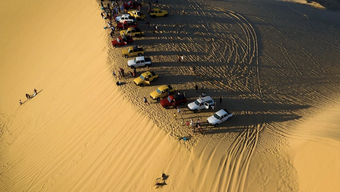
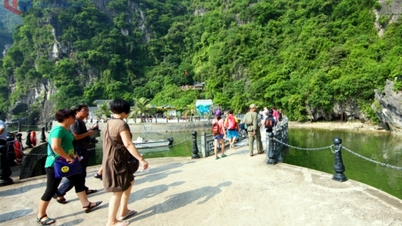
The muddy, slippery red soil road leading to Hamlet 1, Da Tro village (Da Mi commune, Ham Thuan Bac district) due to last night's and the days before contrasts sharply with the uniquely designed, luxurious houses situated along it. On this side of the road, the beautiful houses are almost all built facing away from the road, overlooking Ham Thuan Lake. Each house has a zigzag staircase, designed to minimize the steep slope, easily reaching the water's edge by a few dozen meters. The rest of the landscape is perfectly arranged; just having a place to sit by the water's edge is enough to entice visitors to explore and experience it. In the middle of this road lies the backbone of a range of hills, which, at some point, were completely reclaimed, and now, anyone who comes here feels as if they are standing in the middle of a picturesque landscape. Before them, they can admire the deep blue Ham Thuan Lake, its waters blending with the colors of the sand dunes, adding an endless sense of mystery. Behind us, below, are orchards of durian, avocado, and coffee stretching to the foot of National Highway 55, a road that, near the border with Loc Nam commune, Bao Lam district (Lam Dong province), suddenly straightens like a silk ribbon draped across the hillside.
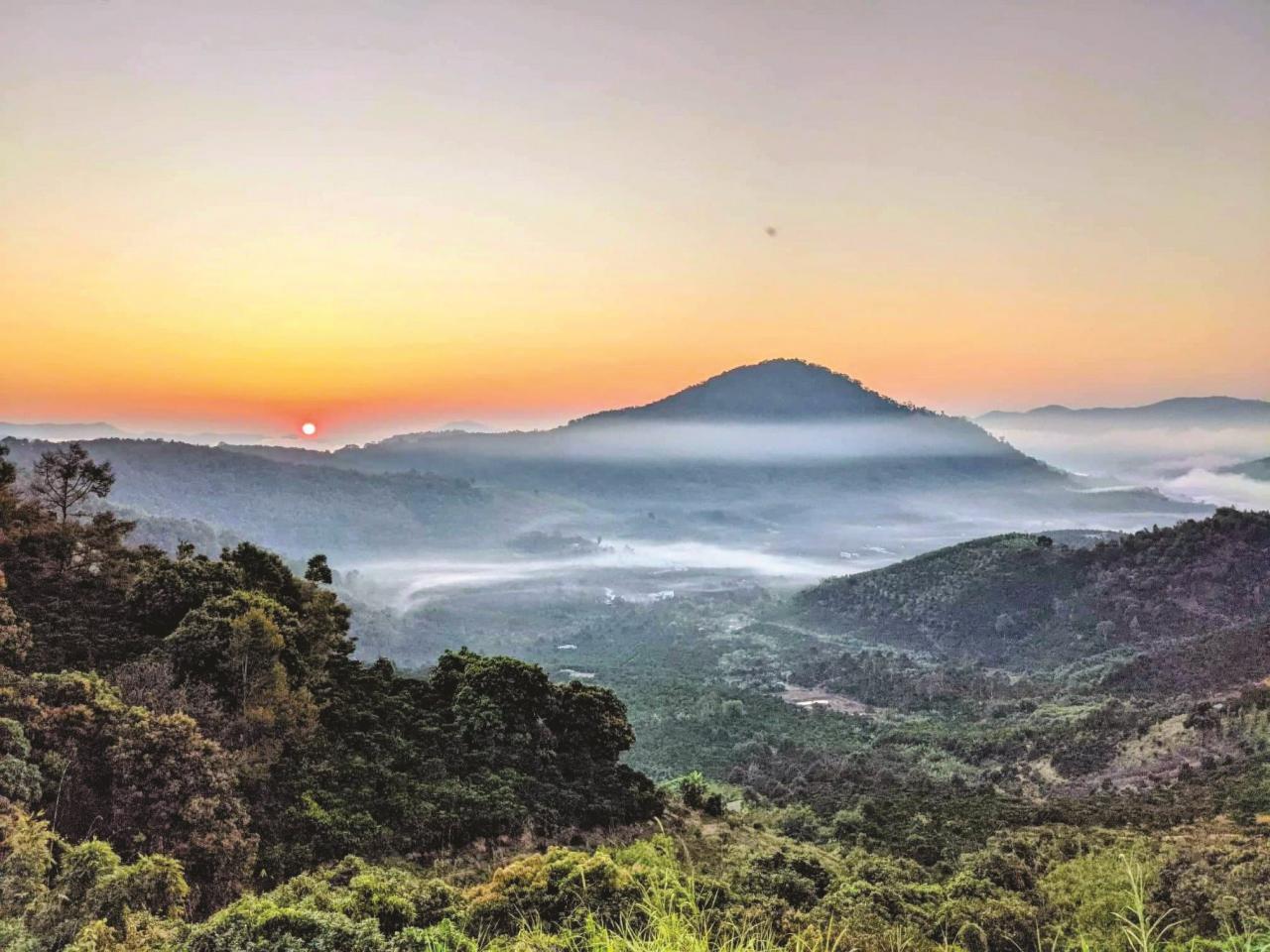
In the scene above, the farmer with the wide-brimmed hat and tall boots stained red with mud suddenly appeared, reminding me of what the durian seller had said earlier, that this was a neighborhood of wealthy people. But wealthy people working in the garden? “What kind of wealthy person are you talking about, miss? I worked for the government, retired and moved here almost ten years ago. I bought 2 hectares of land to plant rubber trees, and recently started planting durian. This year, durians are expensive, but my family hasn't struck it rich yet, because hundreds of trees haven't borne fruit. Look, this prefabricated house, how can you call that being rich?” – The farmer vehemently denied it, but also said that he only comes to check on his garden occasionally. Like the owners of those beautiful houses, they usually only come here for relaxation on weekends or holidays. Even though we live in the same neighborhood, we rarely see each other because of our living conditions. I only know that they live in the city. People flocked to Ho Chi Minh City, some are business owners, some are doctors, some are engineers, some are journalists… They coincidentally gathered here at the end of 2020, a time when the Covid-19 pandemic was raging in Ho Chi Minh City. Amidst that life-or-death situation, they realized just how dangerous the crowdedness of a large city could be. What if the pandemic flared up again…? They needed to find a way out so they would know where to retreat if something happened.


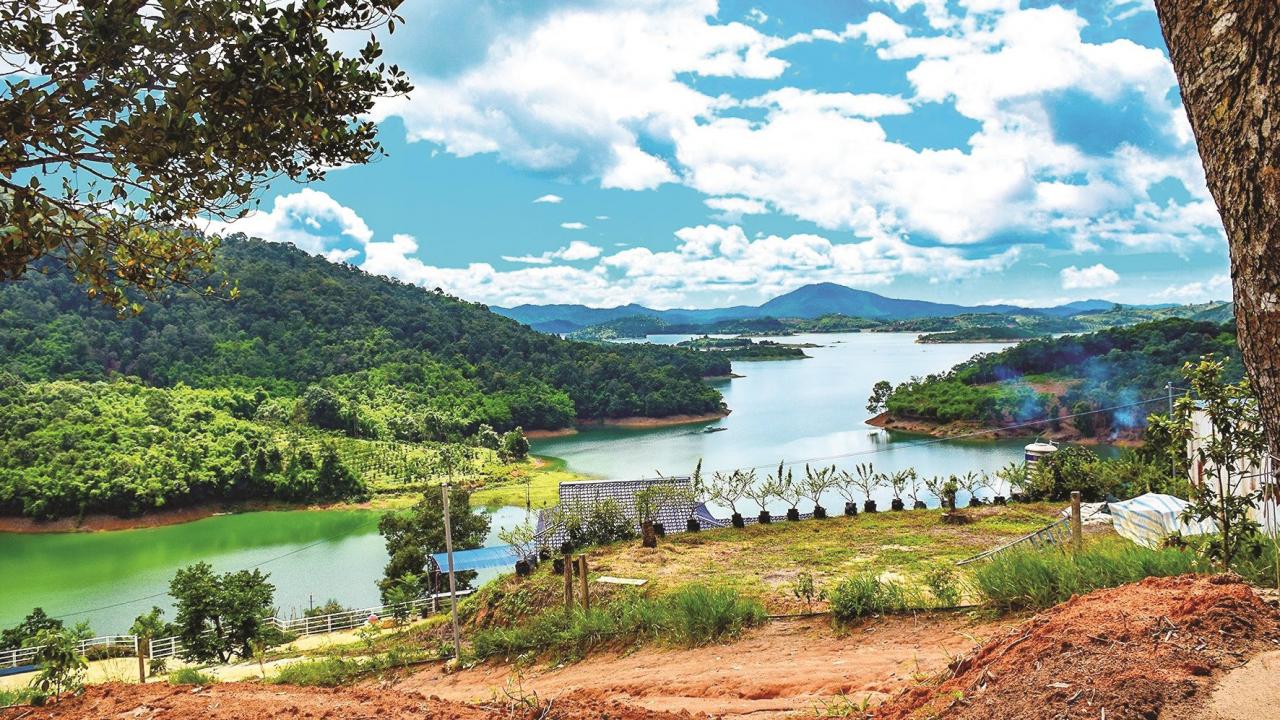
And Da Mi, with its climate similar to Da Lat , boasts even more attractive scenery, especially for those who love rolling hills, pristine rivers and lakes, and above all, its sparse population and proximity to Ho Chi Minh City have attracted affluent individuals to build second homes for relaxation. Despite having to buy land with handwritten documents, as 90% of the villagers still lack land titles, and despite having to rely on rainwater and lake water… But that's okay, they'll gradually overcome it. Last year, they tilled the land, contributed, and the entire Group 1 unanimously pooled money to upgrade the electricity supply – a very normal thing elsewhere, but here, where houses are separated by a hillside and a durian orchard… it's a big deal. After more than 20 years since the establishment of Da Mi commune, Group 1 has finally escaped the situation of flickering lights at night, and the days of one house watering its durian trees while another has to stop cooking because the electricity is too weak to cook properly.
I hope to work in tourism.
However, the problem of weak electricity supply still persists in Da Mi. This is not only due to the vast terrain and sparsely populated houses, but also because the people in the commune still worry a great deal about food and clothing, a characteristic worry deeply ingrained in the minds of the nomadic people. Nguyen Anh Toan, Chairman of the People's Committee of Da Mi commune, who has worked there for the past 19 years, recounts the process of the commune's formation over the past 22 years. Because he has been involved since the early, precarious days of this new land, his accounts of events almost always revolve around stories of visitors who came and stayed, and the worry of escaping poverty. “Currently, the entire commune has 1,349 households, including 93 poor households, 67 near-poor households, 356 households with an average standard of living, and the rest are households with a relatively high or wealthy standard of living. This is the result of 22 years since the formation of Da Mi commune, starting after the construction of the Ham Thuan and Da Mi hydroelectric reservoirs.” Mr. Toan emphasized that the first group of citizens of the commune were workers involved in the construction of the hydroelectric project who chose to stay instead of returning to their hometowns. Later, word spread about the area, and their families and relatives came to settle here. Many others decided to settle in Da Mi for various reasons, causing the area to grow increasingly densely populated and creating a diverse population. In their journey to this new land, they brought with them and planted all kinds of fruit trees from different regions. However, today, only three crops are the mainstays: coffee, durian, and avocado. Consequently, beautiful orchards have emerged.
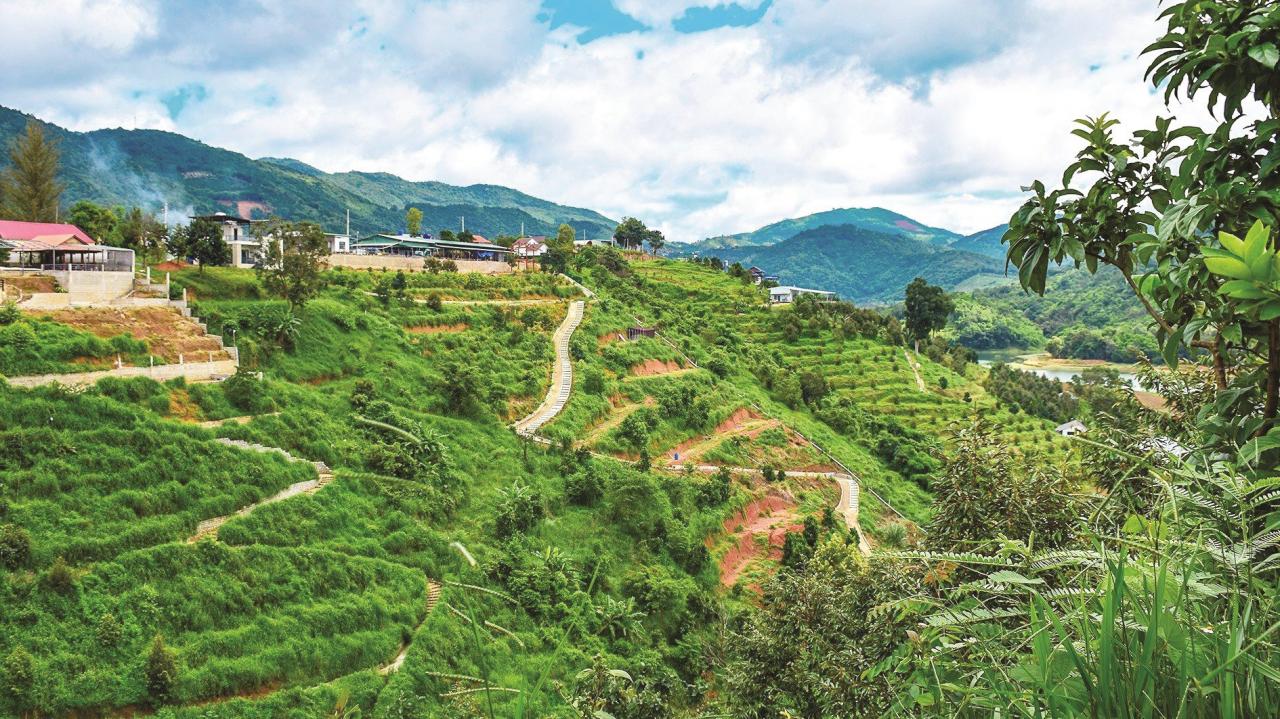
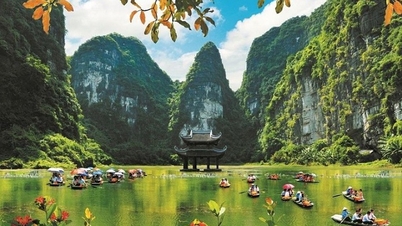
This year, the price of durian purchased directly from the orchards here ranges from 45,000 to 65,000 VND/kg, an increase of 15,000 to 20,000 VND/kg… making the lives of the local people more prosperous. Everyone feels that this price increase is partly due to the surge in tourists visiting Da Mi since the April 30th holiday, who stop by the orchards to buy various fruits after admiring the scenery of the two lakes, boating, fishing, and chasing clouds… With 2,500 hectares of Ham Thuan Lake and 600 hectares of Da Mi Lake, Da Mi commune not only has the advantage of a cool climate and attractive orchard fruits but also possesses unique characteristics found nowhere else. “During the dialogue with the people on socio-economic development, besides requests for land title certificates and loans, the people began to express their desire to develop tourism. Regarding agricultural land for tourism development, the commune is awaiting guidance from Resolution 82. As for energy land, specifically around the Ham Thuan and Da Mi lakes, the commune recently accompanied a district delegation to work with the Da Nhim - Ham Thuan - Da Mi Hydropower Joint Stock Company to explore directions for tourism development,” Mr. Toan said with concern, because recently, the commune has seen the emergence of spontaneous tourism services around the lakes to cater to the influx of tourists during the holiday season. Now that tourists keep coming, what will Da Mi commune do?

A farmer in the wealthy neighborhood wondered why, since 2019, the Vietnam Electricity Corporation (EVN) had issued a document and the Da Nhim - Ham Thuan - Da Mi Hydropower Joint Stock Company had requested the Department of Natural Resources and Environment of Binh Thuan province to guide the company on procedures to avoid allocating/leasing land in the reservoir area and to complete the necessary legal procedures related to the management and use of land in the Ham Thuan - Da Mi hydropower reservoir. If implemented, there would still be land in the reservoir area that could be removed from the energy land for people to lease for tourism purposes, so why wasn't it allowed?
Unable to hide my surprise, I wondered if he wasn't a farmer and didn't even know his name. But he laughed heartily, saying that if he wasn't a farmer, why would he be wearing boots to water the durian trees?
Source