

This figure is not only shocking in scale but also exposes a familiar paradox of the global economy : war can devastate many things, but for some industries, it presents enormous profit opportunities.
Profits that 'fell from the sky'
According to recent analyses, in just the first month of the conflict, the estimated total additional profits for major oil and gas corporations amounted to tens of billions of dollars, equivalent to approximately $30 million per hour.
This is not the result of technological innovation or production expansion, but rather what is known as "extraordinary profit," arising directly from the surge in oil prices.
The mechanism behind it is quite simple: when war breaks out, the risk of supply disruption causes market anxiety. Oil prices are immediately pushed up, and the companies that already have production are virtually able to benefit without doing anything.
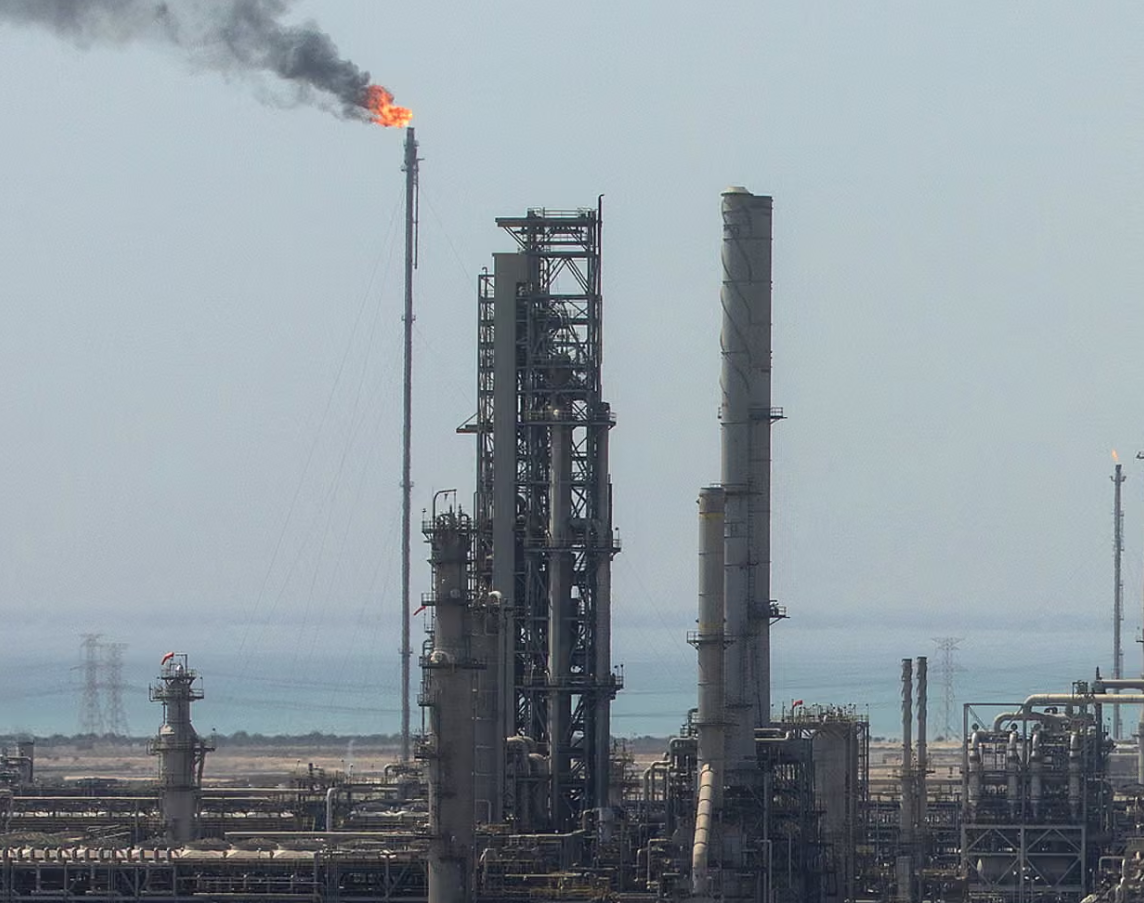
During the 2026 Middle East crisis, oil prices at one point approached $100 per barrel. Every additional dollar was not just a number on the electronic display, but millions of dollars in profit flowing into the pockets of energy corporations.
The familiar 'winners'
The list of beneficiaries holds few surprises. These are the giant oil and gas corporations with global production networks, dominating the energy market for decades.
At the heart of this sector are "mega-corporations" like ExxonMobil, Chevron, Shell, BP, and TotalEnergies, which are comprehensive companies integrating exploration, transportation, refining, and distribution on a global scale.
Alongside them are "state-owned giants" like Saudi Aramco, Gazprom, and Chinese energy corporations.
The sheer scale and deep presence within the global energy system allow these corporations to often benefit from market volatility. When oil prices rise, most production costs remain largely unchanged, causing profit margins to skyrocket.
While the "big players" recorded record profits, the rest of the world faced the opposite consequence.
Rising fuel prices lead to escalating transportation costs, driving up the prices of food and other goods. Consumers are the ones who feel this impact most acutely, as their daily living expenses increase rapidly.
Governments are not immune to this situation either. To alleviate social pressure, many countries have been forced to introduce fuel subsidies or tax cuts. This means that state budgets have to bear additional costs while revenue does not increase proportionally.
A clear paradox emerges: people pay more for energy, the government spends more to keep prices stable, while oil and gas companies reap greater profits.
The shock spread globally.
The impact of the Iran conflict doesn't stop at the energy market. As the lifeblood of the economy, rising oil prices could trigger a series of ripple effects.
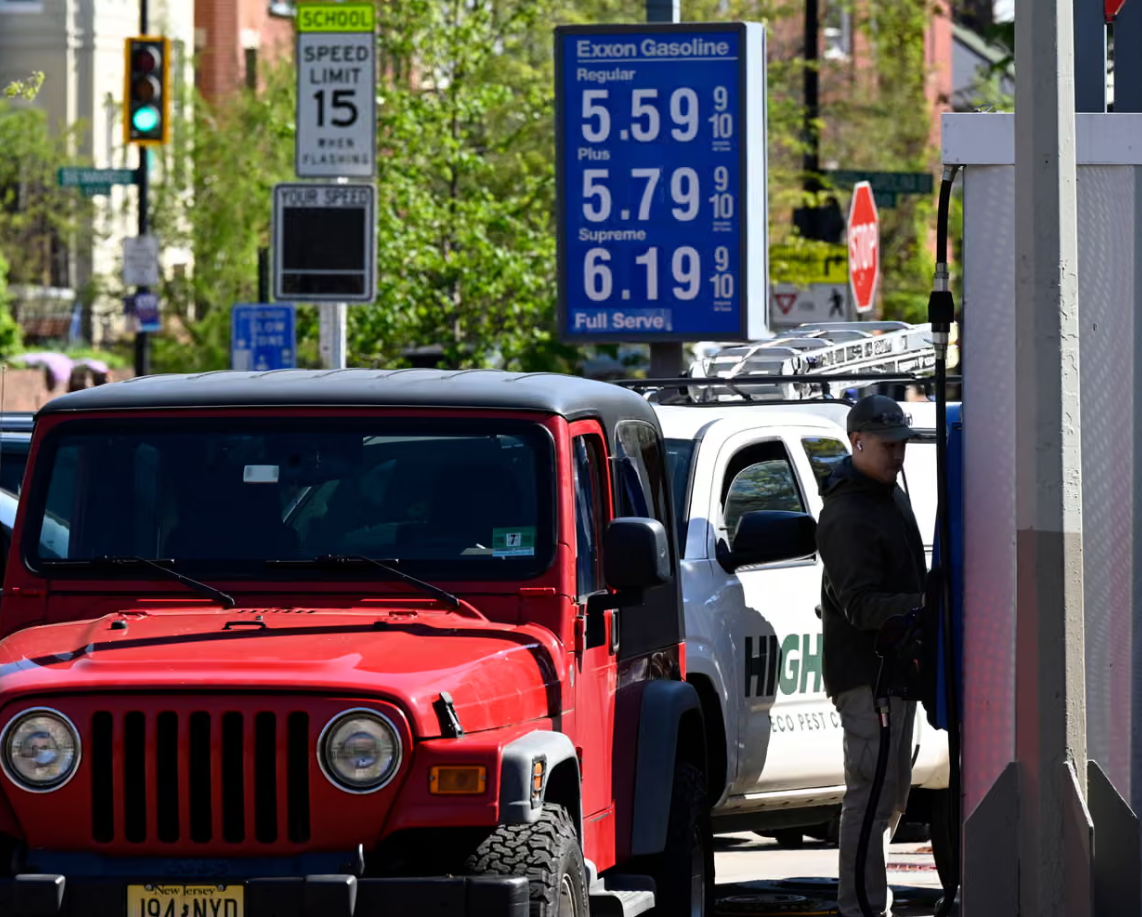
Production costs are rising, inflation is escalating, and the risk of recession is becoming more apparent. Several international organizations have warned that if tensions persist, the global economy could face a severe shock.
In particular, the oil shipping route through the Strait of Hormuz, which accounts for a large share of global energy trade, has become a strategic choke point. Even a minor disruption can cause significant market volatility.
It is noteworthy that the oil and gas industry does not need to actively "take advantage" of war. The very structure of the market makes them beneficiaries whenever supply is threatened.
This is also why the concept of a " windfall tax " is often mentioned after every energy crisis. Many argue that a portion of these enormous profits should be reallocated to support consumers and promote energy transition.
However, the implementation of such policies is always controversial, especially in the context of countries that remain heavily dependent on fossil fuels.
Looking at the broader picture, the world is caught between two opposing energy models. On one side is a system based on fossil fuels, which can generate soaring profits during crises but comes with risks and instability.
On the other hand are new models where energy is distributed, linked to the community, and less affected by geopolitical fluctuations. The difference lies not only in technology but also in how benefits are distributed.
In the short term, oil and gas companies may continue to benefit from the volatility. But in the long term, pressure to transition to new energy sources and the need to reduce emissions are increasing.
According to The Guardian
Source: https://vietnamnet.vn/dai-gia-dau-khi-kiem-30-trieu-usd-moi-gio-2509521.html
![[Image] Hanoi's urban life under the challenge of a "scorching hot" environment](https://vphoto.vietnam.vn/thumb/1200x675/vietnam/resource/IMAGE/2026/05/25/1779706979265_nang-nong-t5-2026-minh-duy-7-4636-jpg.webp)
![[Image] Close-up view of the interchange connecting the two expressways and Long Thanh Airport.](https://vphoto.vietnam.vn/thumb/1200x675/vietnam/resource/IMAGE/2026/05/25/1779703378210_ndo_br_z7863716673926-224453a31600126cce10622af6290afd-4549-jpg.webp)






























































































Comment (0)