

Mr. Dao Ngoc Tien pointed out the differences and the role of the FTA Index in comprehensively supporting and enhancing the value of businesses' supply chains.
The FTA Index plays a comprehensive supporting role, from production and distribution to export, contributing to maintaining and enhancing the value of businesses' supply chains. However, many argue that this index has many similarities with the PCI (Provincial Competitiveness Index). To clarify this issue, a reporter from the Industry and Trade Newspaper had a direct discussion with Associate Professor Dr. Dao Ngoc Tien - Vice Rector of the Foreign Trade University.
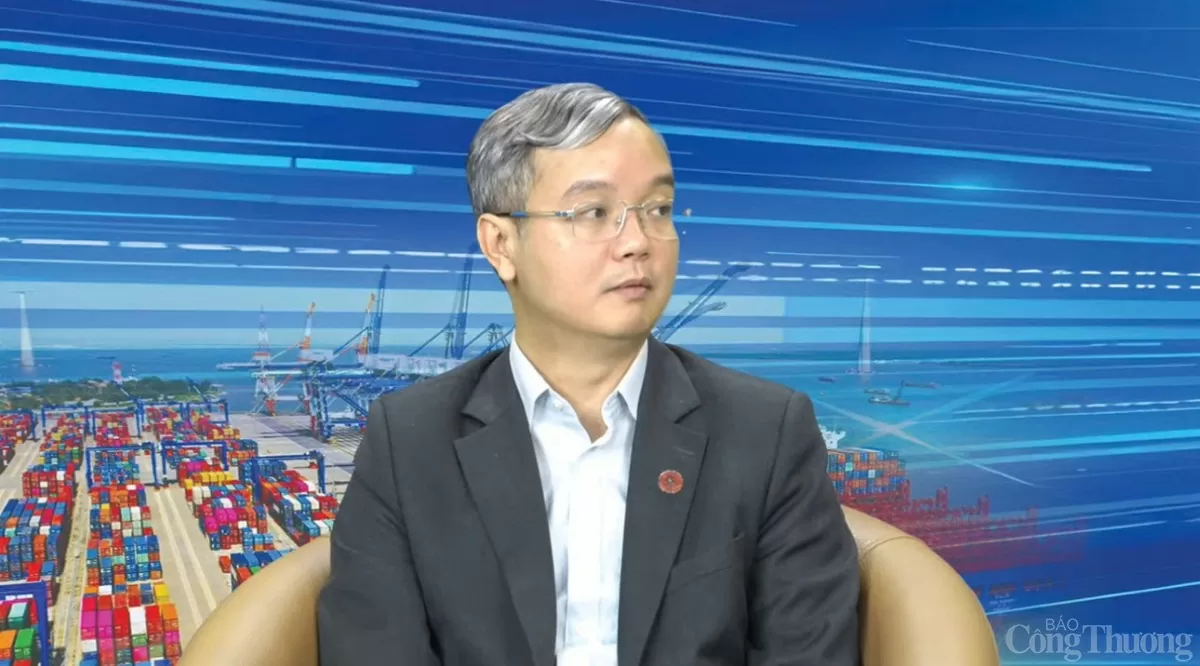 |
Assoc. Prof. Dr. Dao Ngoc Tien - Vice Rector of the Foreign Trade University. Photo: Industry and Trade Newspaper. |
For the Foreign Trade University, when participating in the task of providing services for surveying, compiling, analyzing data, and building the FTA Index, what methods and approaches did the University use to research and develop this index to avoid duplication with the PCI Index? Given such a new index, do localities, agencies, and businesses have any concerns or anxieties about participating in the survey and data collection process?
The idea of developing the FTA Index originated from initial inspirations from the PCI (Provincial Competitiveness Index). However, in essence, the FTA Index differs significantly from the PCI, particularly in two aspects: the survey subjects and the survey content.
Firstly, regarding the survey subjects, while the PCI focuses on surveying all businesses in a locality, the FTA Index selects the group of businesses most significantly impacted by FTA agreements. These are the businesses with the deepest understanding of FTAs, thus accurately reflecting the full impact of their implementation.
Secondly, regarding the survey content, the PCI focuses on issues that businesses directly perceive and are currently experiencing locally, such as administrative reform and the business environment. Meanwhile, the FTA Index closely follows the specific tasks and activities of the Government in implementing new-generation FTAs. The content of the FTA Index includes not only current issues such as information provision or legal document development, but also looks to the future, especially the aspect of sustainable development. This index assesses the level of preparation and awareness of businesses regarding leveraging opportunities from FTAs for long-term development.
Regarding methodology, the Foreign Trade University has consulted international experiences such as those of the United Nations. Although the PCI and FTA Index differ in their target audience and content, both are based on common principles of index construction, such as standardization, statistics, aggregation, and ranking. In its initial stages, the FTA Index may face data limitations, but we believe it will be improved over time.
The FTA Index is not merely an evaluation tool, but also a crucial feedback channel that helps government agencies identify the right priorities in policy development and implementation, ensuring that FTAs bring the greatest benefits to the domestic business community, especially small and medium-sized enterprises.
In 2024, the Foreign Trade University was selected to undertake the task of providing services for surveying, compiling, analyzing data, and developing the FTA Index. As the institution directly implementing this task, could you provide more details about the plan, objectives for organizing the survey, compiling, analyzing data, and developing the FTA Index? What is the most important step in developing the survey plan? And how will this survey plan benefit localities, businesses, and ministries in the process of implementing the FTA?
Developing the FTA Index is an important but challenging task, especially in terms of timeline, as the Foreign Trade University took on this task at the end of September and set a target of completing the report by December 31st.
The project, approved in October, focuses on developing legal criteria that are standardized nationwide but still appropriate to the specific characteristics of each locality. The set of indicators comprises four component indicators, designed based on five tasks assigned by the Prime Minister. The survey process is expected to be conducted on 4,000 businesses, with support from the General Statistics Office and the Ministry of Industry and Trade .
In November, the business feedback collection phase was implemented in all 63 provinces and cities with support from agencies such as the Department of Industry and Trade, customs, and tax authorities. However, the biggest challenge was the cooperation of businesses, as many units were not yet ready to provide information. Information sessions and seminars were organized to explain the meaning and benefits of the index set, aiming to persuade businesses to participate.
The published index results will help localities identify strengths and areas for improvement, creating momentum to enhance the effectiveness of FTA implementation. In addition, this index also contributes to raising awareness of FTAs, especially among small and medium-sized enterprises – a group that has not yet fully exploited the potential of FTAs.
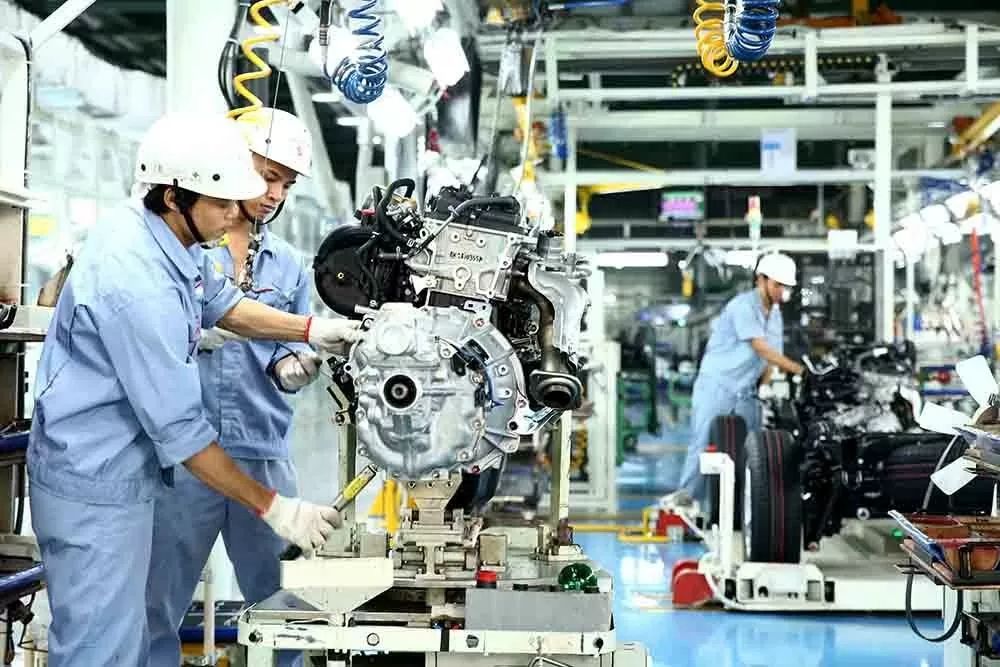 |
| The FTA Index is not merely an evaluation tool, but also a crucial feedback channel that helps government agencies identify the right priorities in policy development and implementation. (Image: mpi.gov.vn) |
The FTA Index is expected to be published by the end of 2024, meaning we are in the final stages of completing this Index. As the unit responsible for developing the survey plan on the implementation of the FTA, what are the final steps and tasks that need to be carried out? Do you have any recommendations or suggestions for management agencies, localities, and industries to successfully develop and put the FTA Index into operation according to the schedule assigned by the Government?
Currently, we are in the final stages of implementing the FTA Index Project. As the lead agency, our most important task and also our biggest challenge is collecting sufficient data and feedback from businesses, which is crucial to the quality of the index.
As I shared, in the approved plan, the number of businesses in each locality, the types of businesses, and their representativeness have been meticulously defined. Only by gathering sufficient information can we create a high-quality and reliable FTA Index.
However, two main challenges need to be addressed: The accuracy of business data. During implementation, we found that many businesses had changed their operating status, such as ceasing operations or relocating, making access difficult. This necessitated replacing them with other businesses that met the sampling criteria. This prolonged the implementation time.
Secondly, accessing foreign-invested enterprises (FDI) is challenging. Meeting with directors, especially foreign ones, is very difficult. In many cases, business leaders lack the time or willingness to answer. For small and medium-sized enterprises (SMEs), most do not have a dedicated department or staff to answer questionnaires. Furthermore, the FTA Index questionnaire includes complex content such as information provision, support policies, and issues related to sustainable development. This requires respondents to be business leaders, leading to significant time constraints in completing the survey. In some cases, we had to contact businesses 2-3 times to collect the data.
In this crucial final stage, the focus is on collecting the most complete and accurate data possible. Therefore, we earnestly hope to receive stronger support from provinces and cities, especially from the People's Committees of provinces, Departments of Industry and Trade, and local agencies. Although localities have provided significant support, in some cases, accessing businesses remains difficult. Part of the reason may stem from the varying levels of engagement between state management agencies and businesses in each locality.
In addition, we also hope to receive cooperation from business associations (such as the Association of Small and Medium Enterprises or local business associations). This is an important channel for more effective outreach to businesses.
Finally, we earnestly hope that businesses and associations will be willing to provide the most accurate and truthful information possible. This will create a reliable source of input data, ensuring accuracy and meeting the requirements of the approved plan. This will be the foundation for us to successfully and effectively calculate and publish the FTA Index.
Following the launch of the FTA Index, what steps and actions will the Foreign Trade University take to work with the Ministry of Industry and Trade to guide relevant units in best benefiting from the FTA Index? What recommendations and proposals does the University have for localities, businesses, and industries?
The FTA Index will be the first database in Vietnam to record businesses' perceptions and assessments of international economic integration. This is not only a comprehensive national-level data set, but it also provides detailed analysis to understand the differences between various business types, such as small and medium-sized enterprises (SMEs), manufacturing and export businesses, and trading businesses.
The Foreign Trade University, along with its research units, will utilize this data to support ministries, sectors, and localities in developing policies tailored to specific business sectors. Each locality needs to analyze the data to identify strengths and weaknesses and develop improvement plans, such as balancing the pillars of finance, information, and sustainable development in accordance with new-generation free trade agreements.
The publication of the index is just the first step; more importantly, it's about effectively leveraging the data to support ministries, agencies, businesses, associations, and localities in improving their operations. We also hope to continue surveys in the coming years to assess the progress and impact of policies, turning this index into a long-term monitoring tool in the implementation of free trade agreements.
Thank you, sir!
Source: https://congthuong.vn/dau-la-diem-khac-biet-cua-bo-chi-so-fta-index-trong-viec-danh-gia-hoi-nhap-kinh-te-362851.html























































































Comment (0)