

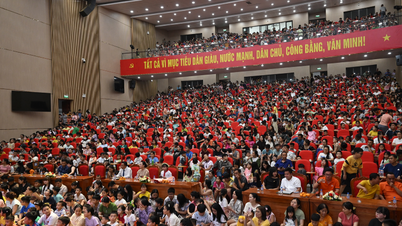
(CLO) On December 16th, in Ho Chi Minh City, the Vietnam National Institute of Culture and Arts, in collaboration with the Ho Chi Minh City Institute for Development Research, organized a scientific workshop on "Public-Private Partnership in Cultural Development".
Presenting her paper at the conference, Associate Professor Dr. Nguyen Thi Thu Phuong, Director of the Vietnam National Institute of Culture and Arts, stated: "PPP cooperation is a model combining the State and private sector to implement public projects in order to share benefits and responsibilities. The State plays a management role and creates the legal framework, while the private sector provides capital and manages effectively, supporting the development of the projects."
To enhance the role of the cultural pillar in conjunction with the economic, political , and social pillars towards sustainable development, the application of the PPP cooperation model has become an inevitable trend, especially when state resources are limited and the active participation of the private sector is needed.
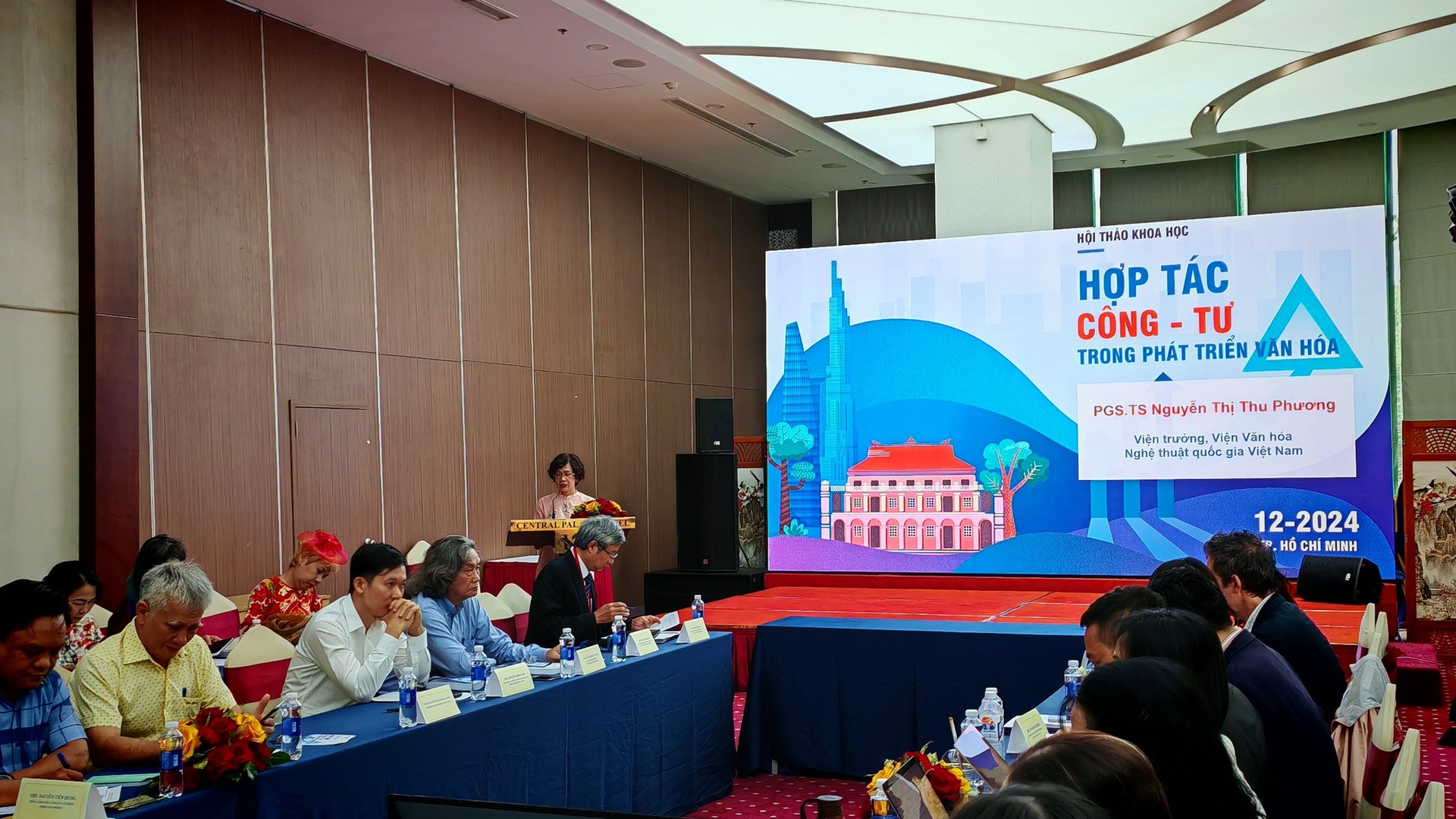
Associate Professor, Dr. Nguyen Thi Thu Phuong, Director of the Vietnam National Institute of Culture and Arts, presented her paper at the conference.
According to Dr. Nguyen Thi Hoai Huong from the Ho Chi Minh City Development Research Institute, cultural projects generally face limitations and difficulties in attracting private investment due to: low profitability, lack of attractiveness to businesses; lack of risk-sharing mechanisms and financial support from the State; and an insufficient legal framework to ensure the rights and responsibilities of all parties involved.
Ms. Huong cited the Rach Chiec National Sports Complex as a prime example of this challenge. The project was approved in 1994 with an initial area of 466 hectares in An Phu ward, along the former Hanoi Highway, District 2. However, as of 2024, the project area remains a swampy region with fish ponds and aquaculture farms…
According to Mr. Pham Binh An, Deputy Director of the Ho Chi Minh City Institute for Development Research, the effectiveness of PPP cooperation lies in mobilizing financial resources, human resources, and management experience, while also creating a collective strength to build a sustainable strategy for promoting cultural and artistic values. The workshop serves as an important forum for researchers, policy-making agencies, and stakeholders such as businesses and cultural creators to exchange ideas, discuss, and propose relevant solutions to advise on policies that can be put into practice and contribute to the sustainable development of the cultural sector.
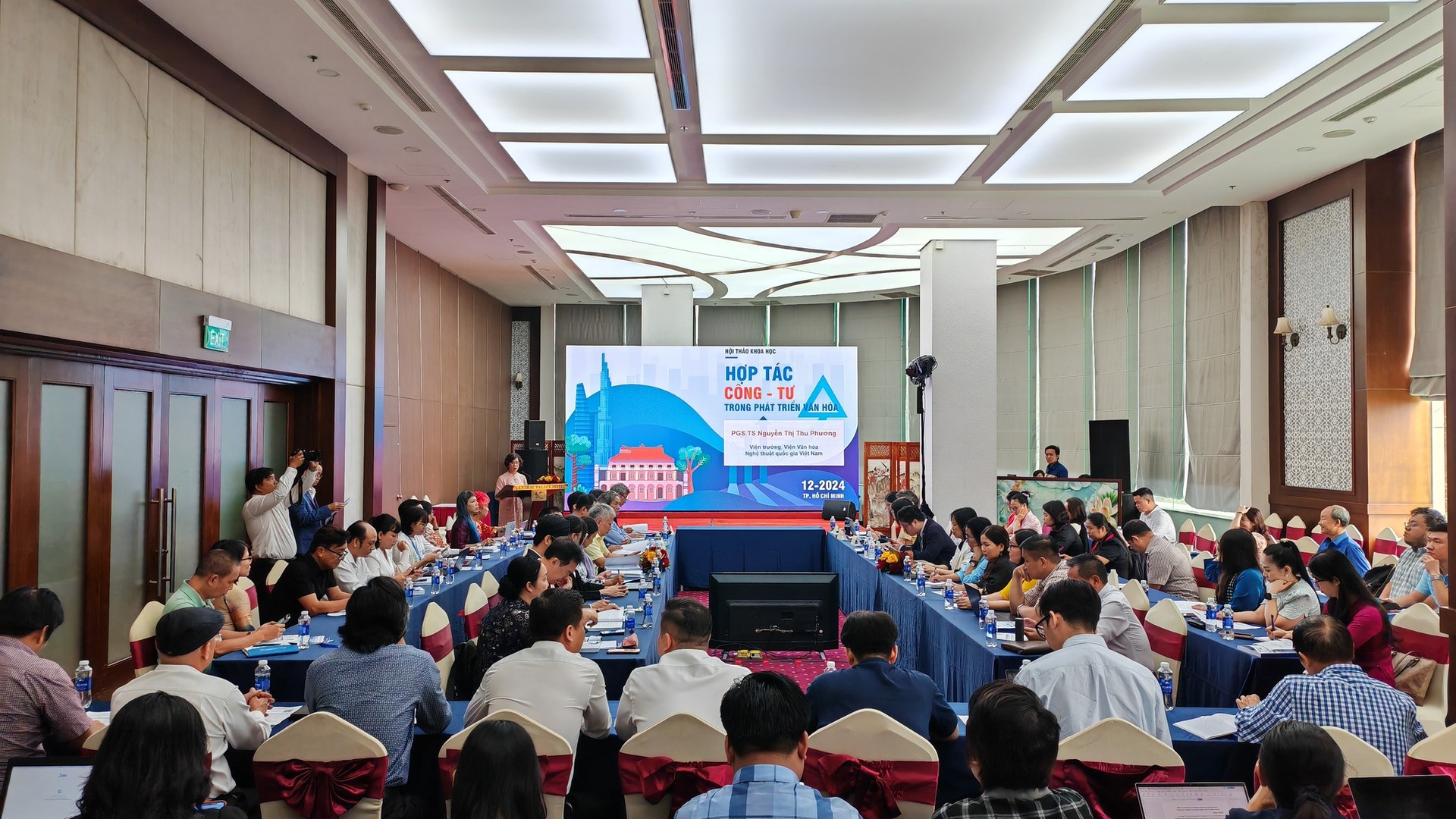
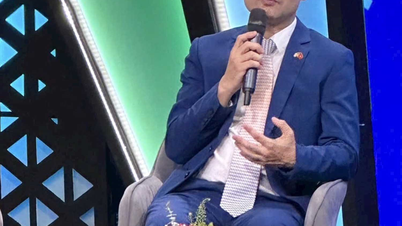
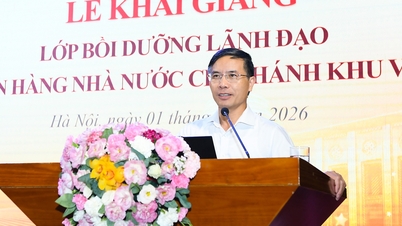
A view of the workshop.
The presentations by experts and delegates at the workshop focused on the following groups of issues: Theoretical issues and interpretations of public-private partnerships (PPP) in the cultural sector, with their unique characteristics; an assessment of the legal framework and implementation methods of PPP in Vietnam today; the current state of PPP in specific cultural fields; and proposed solutions to overcome difficulties in the legal framework and bottlenecks in PPP in the cultural sector…
In the current development context, PPP cooperation can be implemented in many forms, serving different needs and objectives of cultural projects, from public cultural institutions, preservation and promotion of tangible cultural heritage, cultural tourism infrastructure to digital cultural infrastructure and creative industry infrastructure.
At the workshop, experts also emphasized that effective investment in cultural development requires significant and long-term resources, while the state budget and operational experience are limited. Therefore, PPP cooperation is an effective solution to mobilize social resources and promote cultural development.
Viet Trung - Photo: Vietnam National Institute of Culture and Arts
Source: https://www.congluan.vn/day-manh-hop-tac-cong-tu-trong-phat-trien-nen-van-hoa-viet-nam-post325888.html
![[Photo] General Secretary and President To Lam and the President of the Philippines hold talks.](https://vphoto.vietnam.vn/thumb/1200x675/vietnam/resource/IMAGE/2026/06/01/1780286997787_anh-man-hinh-2026-06-01-luc-11-09-43.png)

















































Comment (0)