


The Politburo 's issuance of Resolution No. 80-NQ/TW on the development of Vietnamese culture, along with related resolutions and decrees, has opened up many expectations for the artisans of Lam Dong province. This is considered an important driving force for artisans to continue to be committed to preserving and promoting the traditional cultural values of the nation.
The concerns of those who keep the flame of heritage alive.
In a small, one-story house located in the middle of Ja Răh hamlet (Nâm Nung commune), village elder Y Xuyên (born in 1954) still diligently passes on his gong-playing and weaving techniques and experiences to his descendants every day.
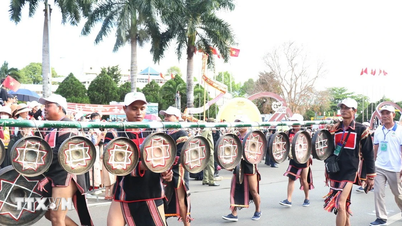
After many years of working in the fields and on the farms, village elder Y Xuyen still diligently holds the hand of each child, teaching them how to keep the rhythm and how to listen to the sound of each M'nong gong.
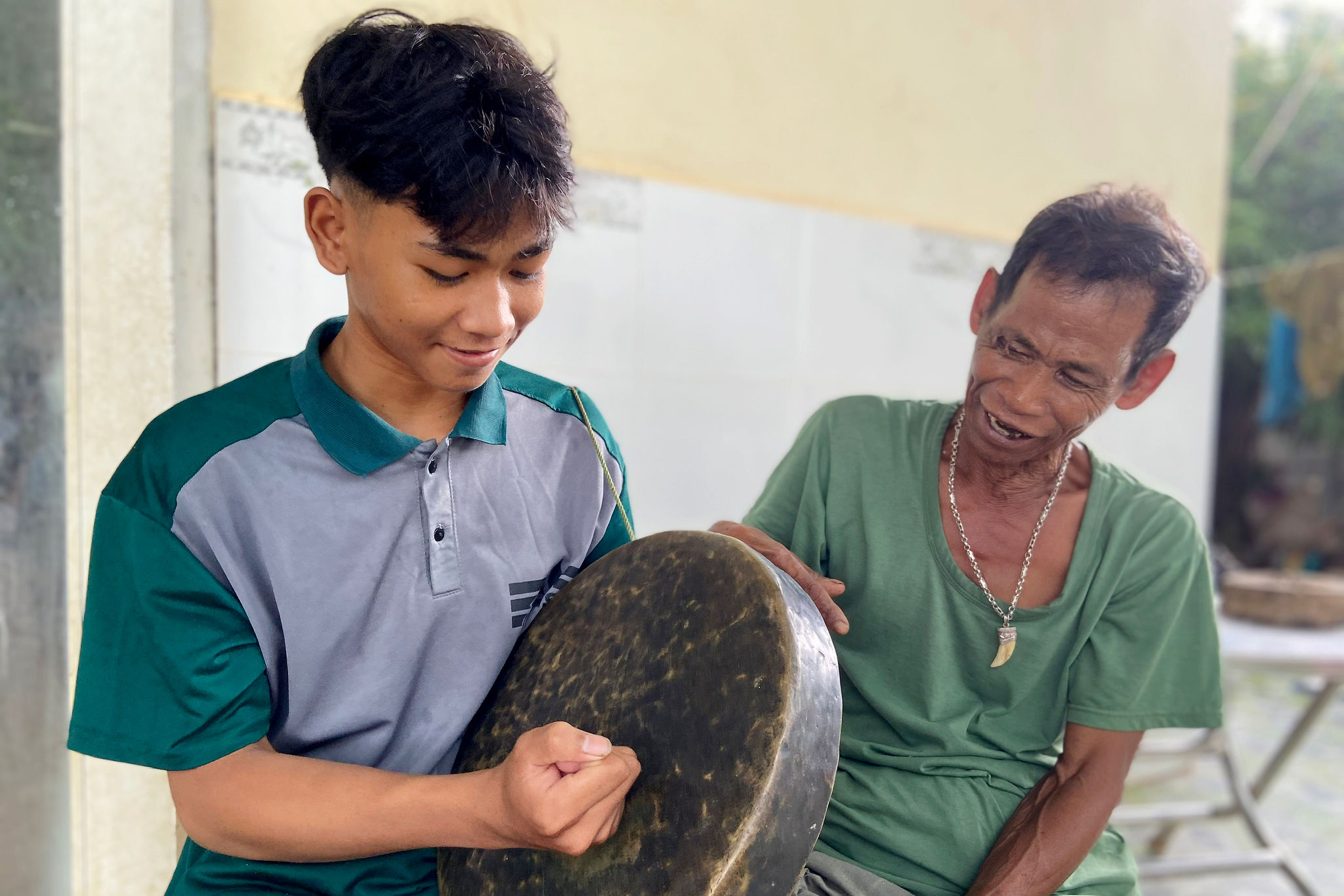
For him, the sound of the gong is not just the sound of the mountains and forests; it is also the thread connecting today's descendants with their deceased grandparents and ancestors.
Understanding that value and significance, Mr. Y Xuyen taught his children and grandchildren about ethnic culture from a young age. The sons learned to play gongs and weave baskets; the daughters learned to weave brocade and perform the Xoang dance.
"I don't know if they will continue on the path of their ancestors in the future, but those who came before have a responsibility to pass on what they know. Fortunately, my children and grandchildren all know how to play the M'nong gong," Mr. Y Xuyen proudly said about his family tradition.
Despite his pride, village elder Y Xuyen couldn't help but feel concerned. The teaching activities were largely confined to the family circle. At the broader level, encompassing the hamlet and commune, classes teaching gong playing and brocade weaving were few and far between.
Lam Dong province has 5 People's Artisans and 70 Distinguished Artisans. These are all living human treasures, the threads that hold together elements of folk culture and the keepers of the flame for heritage.
The elderly M'nong man continued, saying that in 2015, he was honored with the title of Outstanding Artisan. This title partly affirms his role in practicing and performing folk culture, and also places on his shoulders the responsibility of preserving and promoting traditional values.
According to Mr. Y Xuyen, in the context of modern life which has narrowed the space for traditional performances, the conditions for opening classes to pass on knowledge are limited, and the level of support for artisans is still insufficient to motivate many people to commit to transmitting culture in the long term.
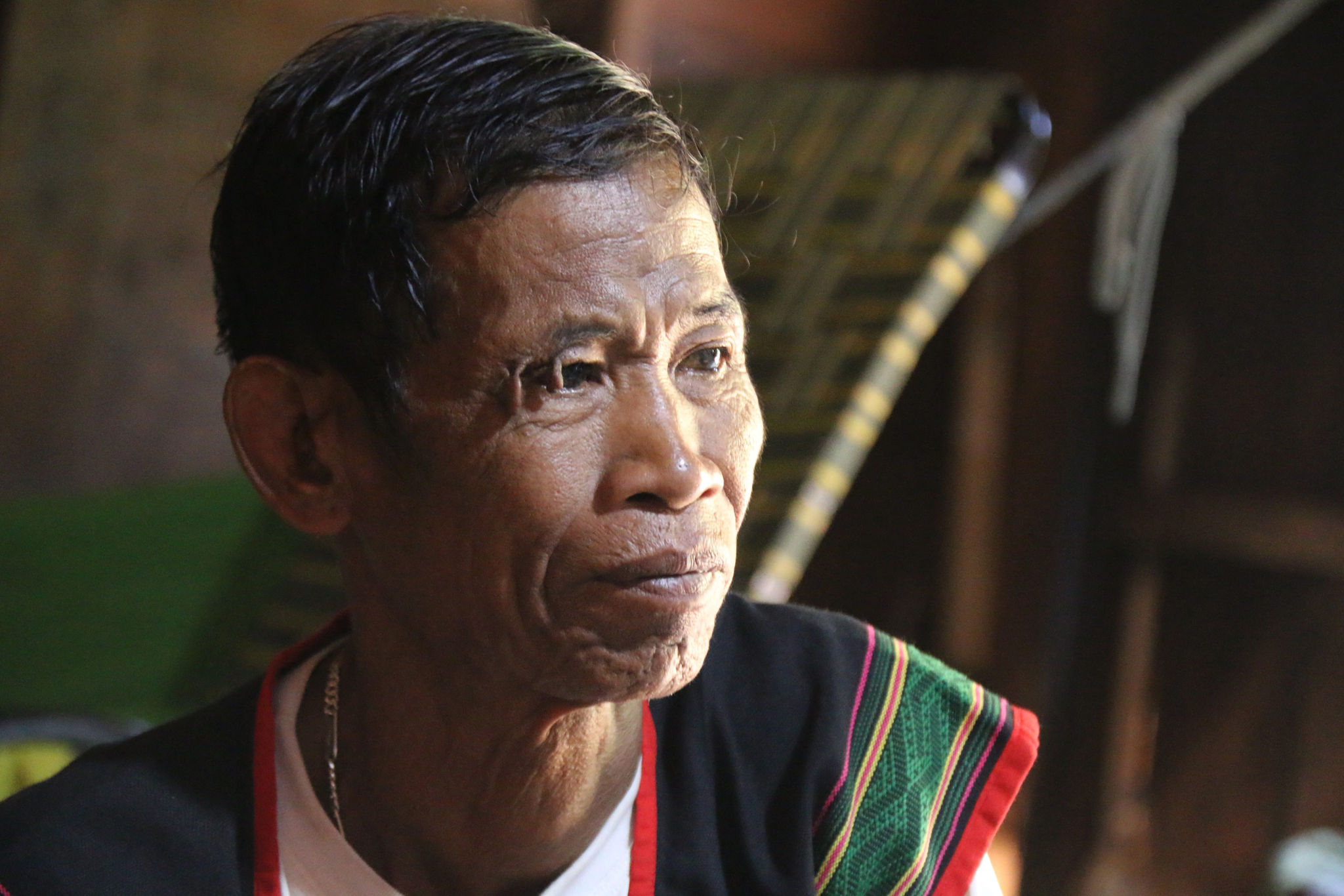
Mr. Y Xuyen expressed his concerns and added that what he hopes for is not only recognition, but also more space and mechanisms for the heritage to be truly continued in the long term.
Sharing the same view as Mr. Y Xuyen, Meritorious Artisan Dieu Gie from Dien Du hamlet (Quang Tan commune) said that the current preferential policies serve as encouragement for artisans who are tirelessly preserving traditional cultural values.
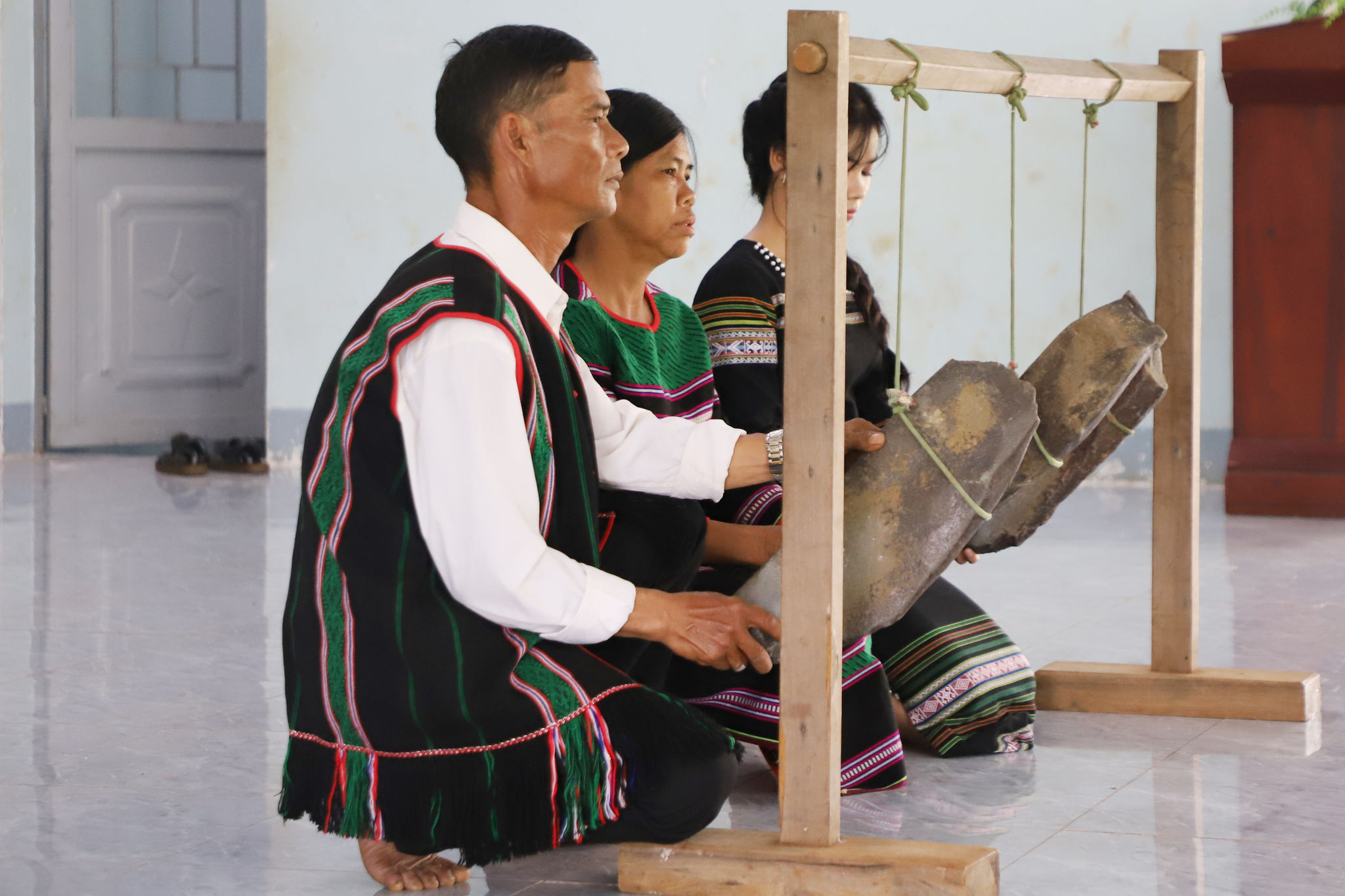
However, according to him, in many villages, the number of people eligible for the policy is very small. Meanwhile, the preservation of culture cannot be placed solely on the shoulders of a few individuals.
For a gong to resonate, it needs a whole team playing it; for a traditional dance to be performed, many people need to dance in harmony. Similarly, for a community's culture to survive, the entire community must participate in preserving it.
Distinguished Artisan Điểu Gié, from Dien Du village (Quang Tan commune)
The male artisan hopes that in the future, support policies will be expanded to encourage more artisans, respected individuals, and young people who are participating in learning and teaching traditional culture in the locality.
To give artisans peace of mind when passing on their skills.
In reality, whether or not they receive government support, many artisans remain deeply committed to their national culture and strive to pass on their skills and experience to the younger generation.
However, most of those who keep the flame of cultural heritage alive are elderly or belong to ethnic minorities and face difficult circumstances. Therefore, those who are responsible for cultural heritage hope for strong policies that create conditions for artisans to feel secure in their commitment to teaching, preserving, and promoting traditional values.
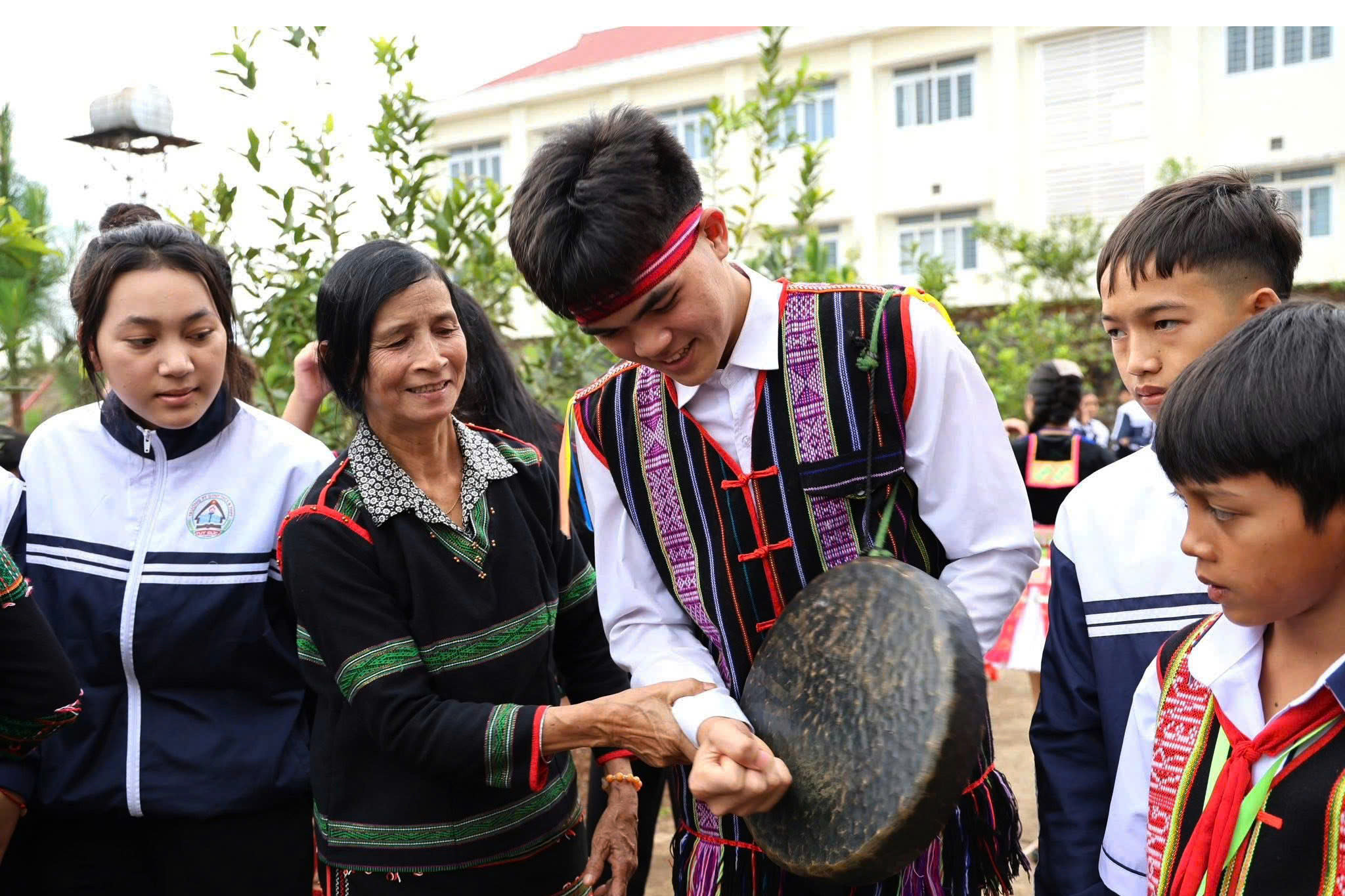
Following the Government's issuance of Decree No. 215/2025/ND-CP and Decree No. 308/2025/ND-CP, the Department of Culture, Sports and Tourism of Lam Dong province has coordinated with relevant units to advise on the development of support policies for artisans that are appropriate to the local reality.
Leaders of the Department of Culture, Sports and Tourism of Lam Dong province believe that the development and promulgation of policies to support artisans is appropriate to the current situation.
These policies are expected to contribute to improving the effectiveness of teaching and practicing folk and traditional arts and culture, ensuring that transmission is carried out continuously and effectively.
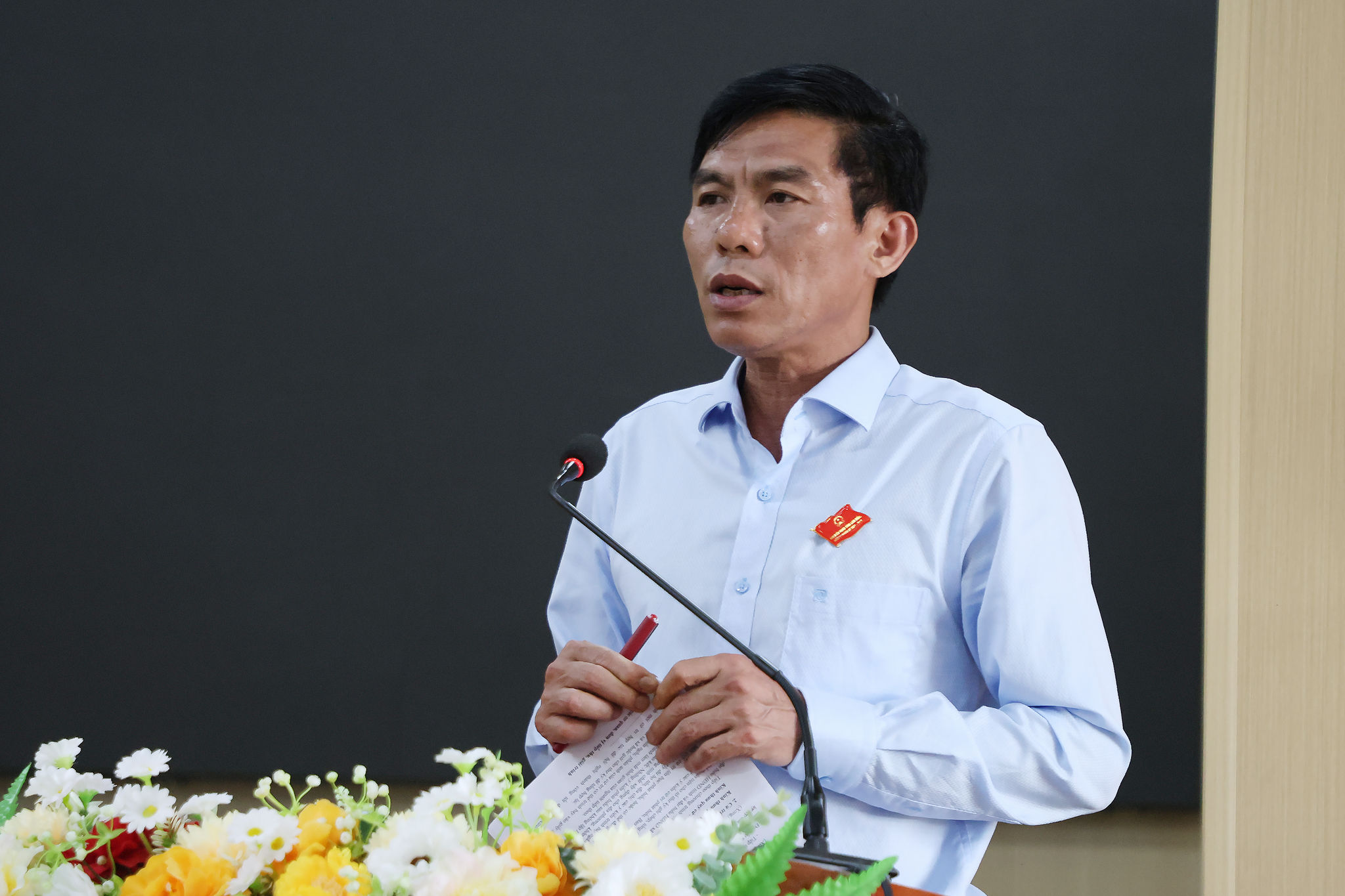
Locally, while awaiting the Lam Dong provincial government to develop a specific policy, many communes have proactively implemented or issued plans to carry out activities to preserve and promote heritage values and support artisans.
According to Mr. Phan Quoc Lap, Secretary of the Party Committee of Truong Xuan commune, in implementing Resolution No. 80-NQ/TW of the Politburo, the commune has planned to allocate appropriate resources for cultural development and simultaneously developed a program to incorporate gong music into school curricula.
Local leaders believe that cultural preservation does not mean maintaining the status quo or "displaying" heritage, but rather creating conditions for heritage to continue to be present in contemporary life. By introducing traditional music into schools, students will access artistic values and receive education about traditional cultural heritage.
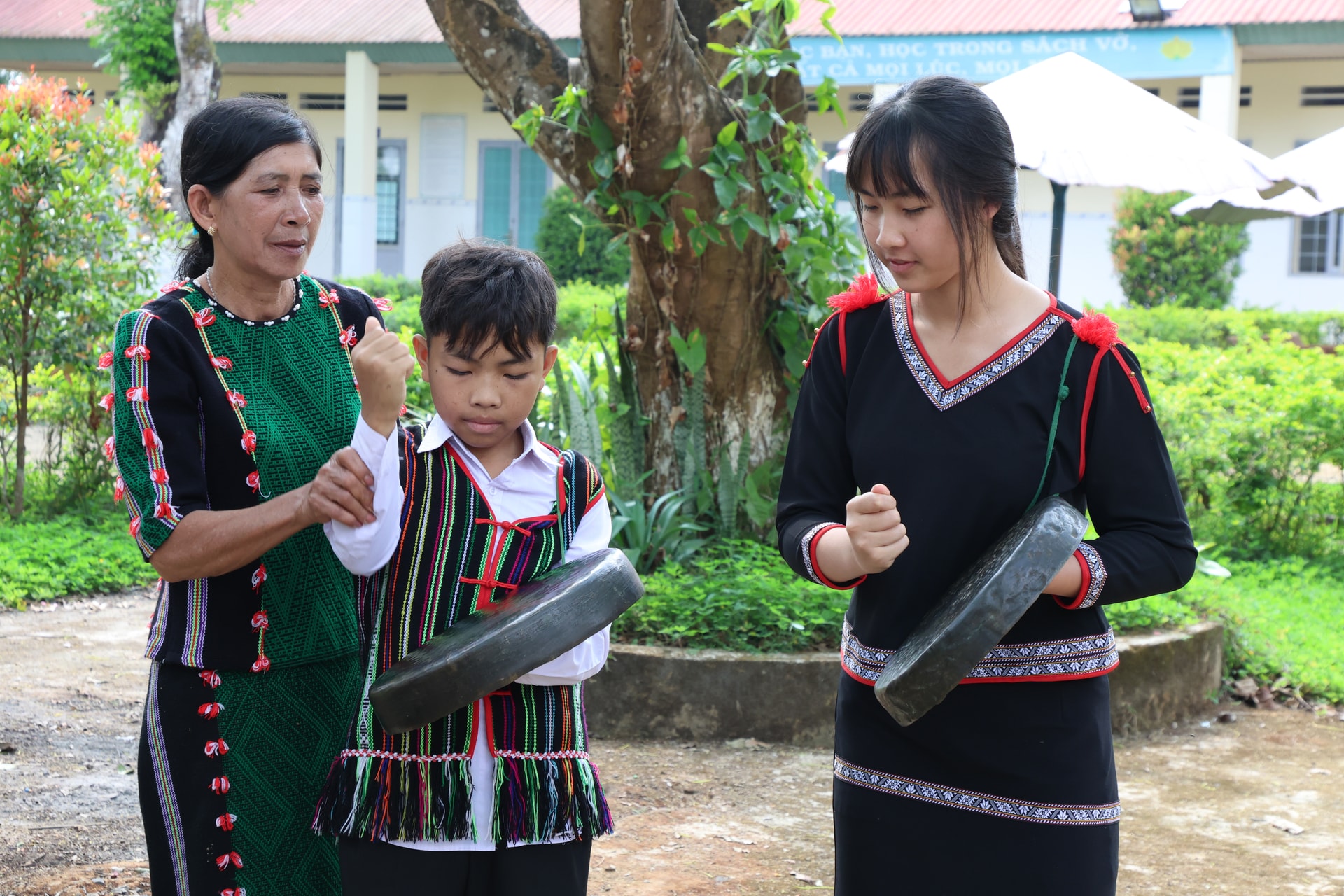
Not only Truong Xuan, but many localities in the western part of Lam Dong province, such as Tuy Duc commune, Duc An commune, Quang Tan commune, Dong Gia Nghia ward, etc., also implement classes teaching Xoang dance and traditional musical instruments in schools. Depending on financial resources, localities will have policies to support artisans to directly teach the classes.
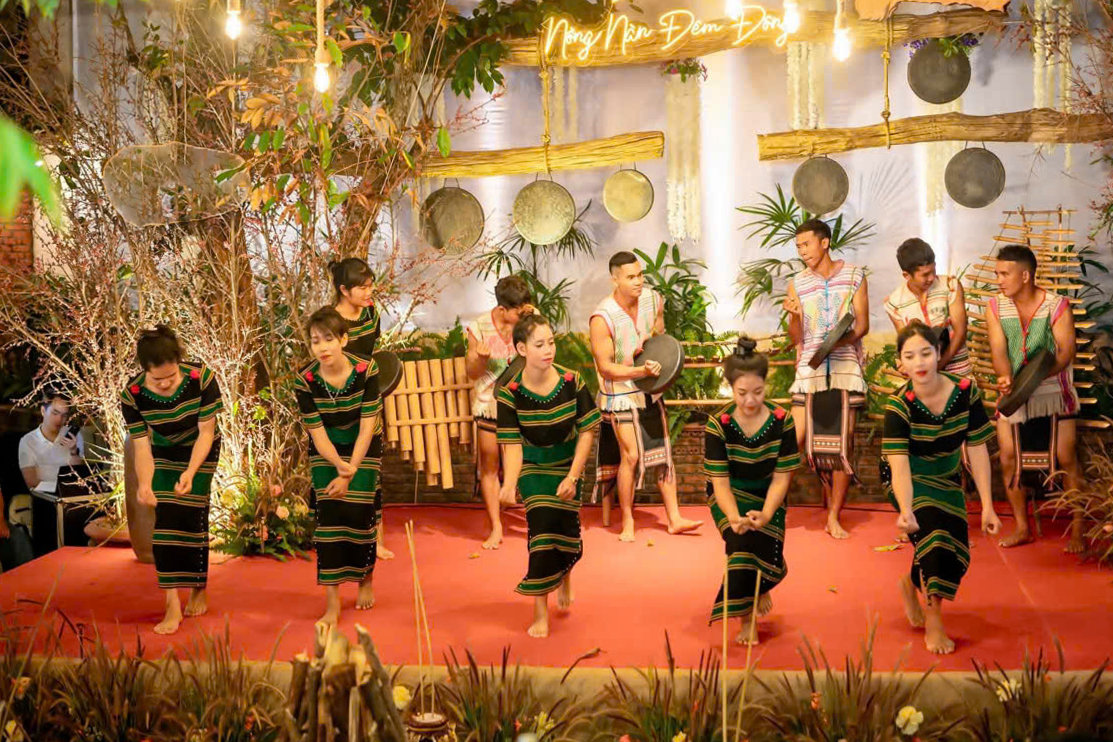
In particular, in some communes such as Ta Dung and Cu Jut, traditional culture has become a resource for developing community tourism. Some tourist areas and attractions have invited folk artisans to perform gong music and traditional musical instruments, thereby increasing the cultural appeal of the locality.
This very activity has brought traditional culture beyond the confines of the village, becoming a livelihood and a driving force for artisans to continue keeping the flame of their heritage alive.
Source: https://baolamdong.vn/de-bau-vat-song-yen-tam-giu-lua-di-san-lam-dong-443196.html


![[Image] Hanoi's urban life under the challenge of a "scorching hot" environment](https://vphoto.vietnam.vn/thumb/1200x675/vietnam/resource/IMAGE/2026/05/25/1779706979265_nang-nong-t5-2026-minh-duy-7-4636-jpg.webp)
![[Image] Close-up view of the interchange connecting the two expressways and Long Thanh Airport.](https://vphoto.vietnam.vn/thumb/1200x675/vietnam/resource/IMAGE/2026/05/25/1779703378210_ndo_br_z7863716673926-224453a31600126cce10622af6290afd-4549-jpg.webp)









































































Comment (0)