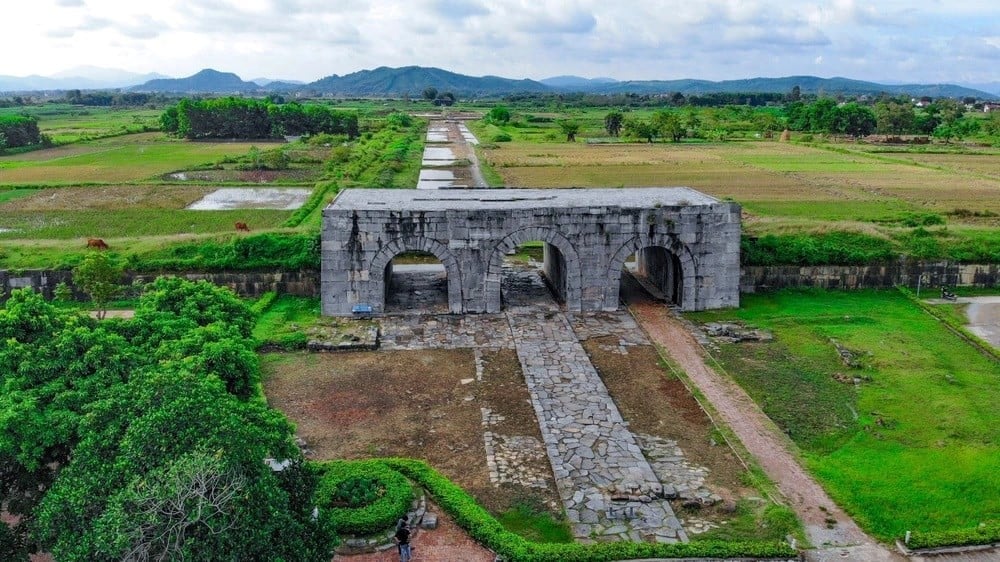
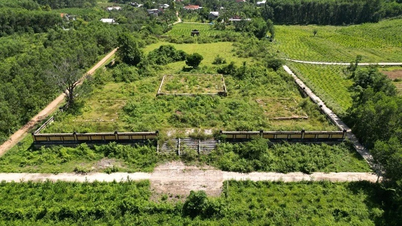
The southern gate of Ho Dynasty Citadel, with its three large stone arches surrounded by lush green rice fields, creates a majestic and peaceful scene. (Photo: Provided by Ho Dynasty Citadel Heritage Conservation Center)
The first impression from French academics.
As early as 1918, two works, *La province de Thanh Hoa* (Breton) and *Le Thanh Hoa* (Ch. Robinquin), mentioned Tay Do Citadel - another name for Ho Dynasty Citadel - in the context of administrative surveys of Thanh Hoa province.
Although the content still leans towards the purpose of colonial rule, these are considered the first Western documents to acknowledge the value of the ancient citadel.
In 1922, scholar H. Le Breton published the book Thanh Hoa Pittoresque, which for the first time provided a detailed description of the scale, architecture, and construction techniques of the Ho Dynasty Citadel.
He called it "the most beautiful military architectural relic in Vietnamese history that still exists in Indochina," with a system of earthen ramparts about 20km long, palaces, temples, and large-scale structures built from intricately patterned limestone blocks.
Louis Bezacier: “A masterpiece of Southeast Asian architecture”
In the mid-20th century, French architect Louis Bezacier further enhanced the value of Ho Citadel in his work *L'art Vietnamien*. He asserted:
"The Ho Dynasty Citadel is a unique example of massive limestone blocks skillfully chipped and assembled."
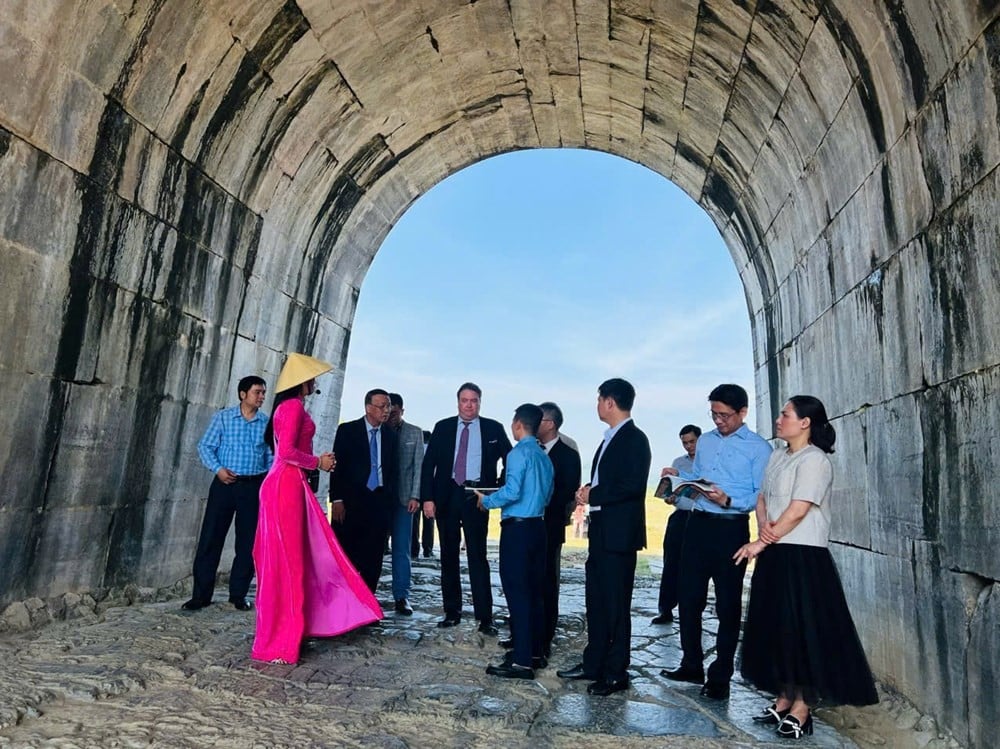
The Ho Dynasty Citadel has been a focal point of international scholarly research for over a century. (Photo: Provided by the Ho Dynasty Citadel Heritage Conservation Center)
Bezacier argues that this is a military architectural work of regional significance in Southeast Asia, playing an important political role in the late 14th and early 15th centuries.
He described the city walls, palace foundations, and decorative details such as dragon-shaped railings and four-petaled patterns as "impressive," "precise," and "bearing the distinct artistic imprint of Dai La."
Japan: Approaching with modern scientific methods
At the beginning of the 21st century, Japanese researchers approached the Ho Dynasty Citadel using modern methods.
In 2002, a collaborative program between Showa Women's University (Japan), Hanoi University of Social Sciences and Humanities, and Thanh Hoa Museum conducted a survey and analysis of the stone composition of the citadel.
Professor Kikuchi (Showa Women's University) commented:
"The Ho Dynasty Citadel is the epitome of citadel construction skill and a symbol of the pinnacle of urban planning in Vietnam during the 14th and 15th centuries."
He highly appreciated the harmony between architecture, planning, and construction techniques – demonstrating a very high level of development in Vietnamese architecture during the medieval period.
Contributing to spreading the value of heritage to the world.
The research of international scholars – from a scientific and objective perspective – has contributed to affirming the position of Ho Citadel as a heritage site of regional significance, helping to promote the image of Vietnam to international friends.
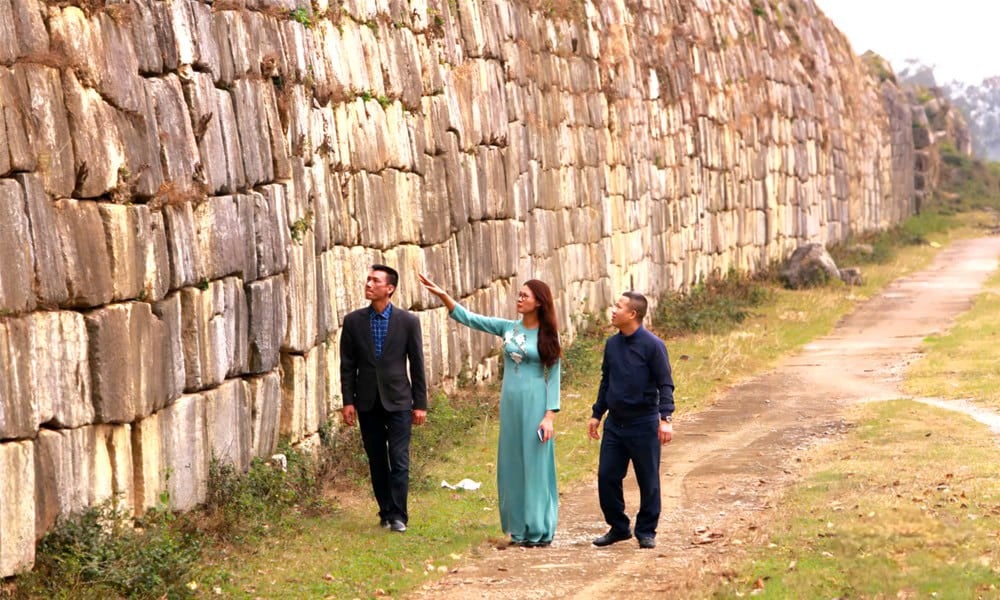
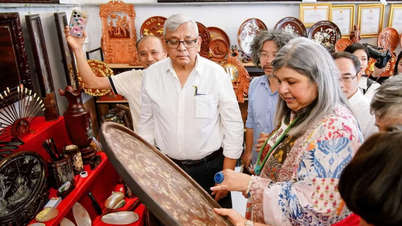
With its outstanding and unique values, rich in cultural, historical, and architectural significance, Ho Citadel has long attracted the attention not only of domestic scholars but also of many foreign scholars, who have researched it with numerous valuable articles and works. (Photo: Provided by the Ho Citadel Heritage Conservation Center)
Preserving, researching, and promoting the value of this heritage is not only the responsibility of the cultural sector but also a shared responsibility of the entire community.
The Ho Dynasty Citadel is not only a symbol of Thanh Hoa province but also a source of national pride on the world cultural map.
According to baovanhoa.vn
Source: https://baolaocai.vn/di-san-kien-truc-quan-su-doc-nhat-dong-nam-a-post401063.html



























































































Comment (0)