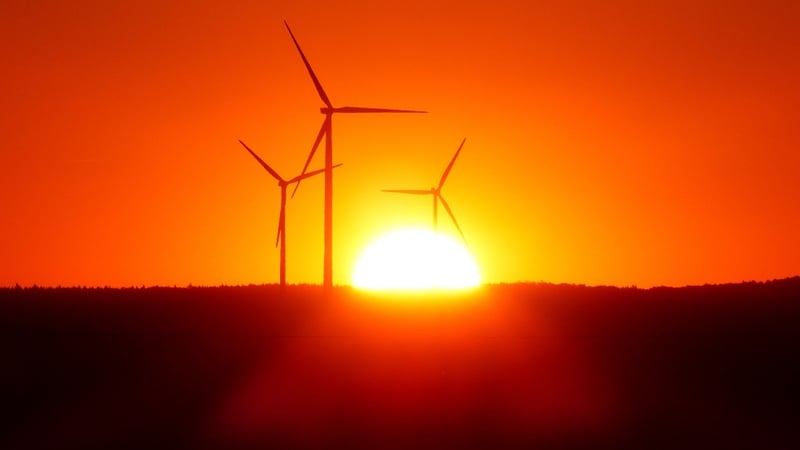
The Australian Federal Government is preparing to launch a noteworthy energy policy: the Solar Sharer Offer (SSO) program, which will provide free solar power in areas such as New South Wales, South East Queensland, and South Australia before expanding nationwide.
This is considered one of the most far-reaching policy interventions in Australia's retail electricity market. More than just a price incentive program, the SSO is designed as a tool to regulate energy consumption behavior across society.
"3 hours of free electricity" and the unique operation of SSO.
The program requires retail electricity providers in Australia to offer a service package in which eligible consumers will receive free electricity for at least three hours each day at midday.
The specific time frame can vary by region, typically falling between 11 am and 2 pm in New South Wales and Queensland, or between 12 pm and 3 pm in South Australia.
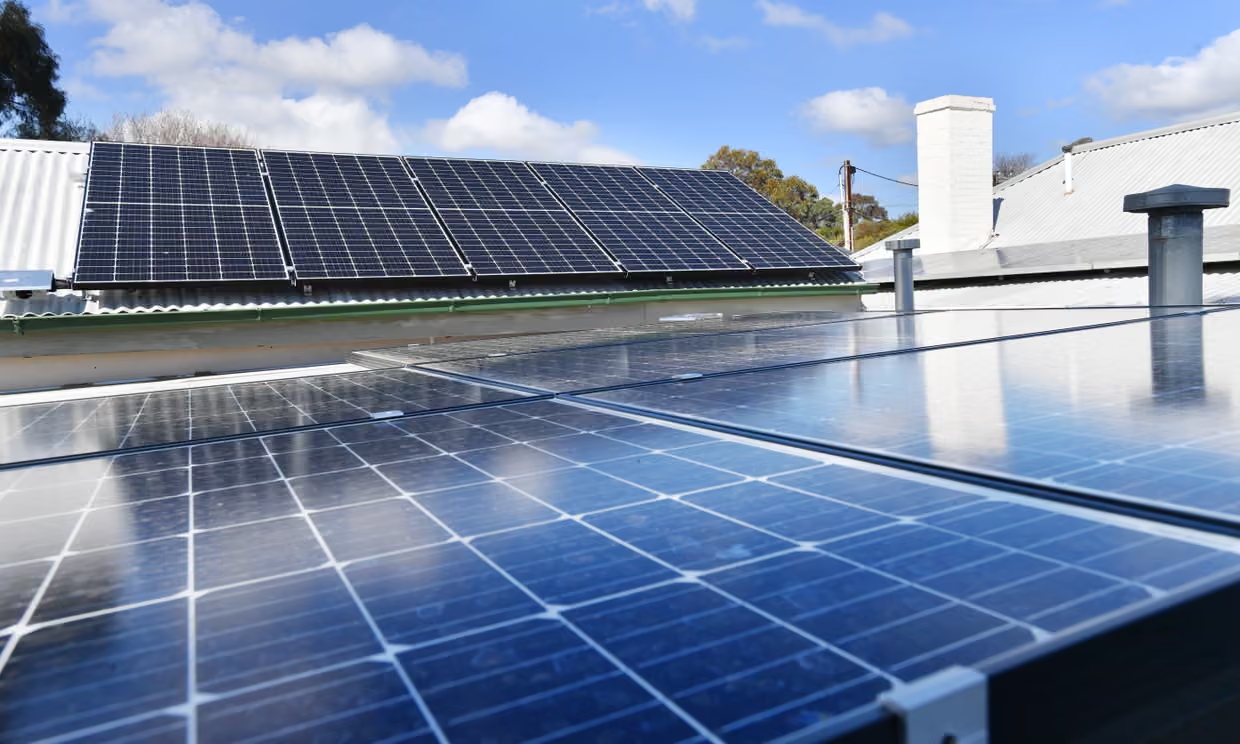
Notably, the program is not limited to households with rooftop solar power systems. Even renters, apartment dwellers, or families who cannot afford to invest in renewable energy can participate, as long as they have installed a smart meter and registered with their electricity provider.
According to initial information, the amount of free electricity may be limited to reasonable consumption levels during the promotional hours, in order to prevent abuse and ensure the balance of the national power system.
The program's main impetus stems from a unique reality of the Australian power system. With one of the highest rates of household solar power in the world , the country faces a situation where solar power production at midday frequently exceeds demand.
Conversely, in the evening, especially between 5 PM and 9 PM, electricity demand increases sharply as people return home, use air conditioners, cook, and operate household appliances. This imbalance puts significant pressure on the transmission system, forcing operators to maintain reserve capacity or invest in infrastructure upgrades at considerable cost.
Expectations for changes in electricity consumption behavior.

The Australian government expects SSO to create a structural shift in people's electricity usage behavior. Instead of concentrating consumption in the evening as traditionally done, households will be incentivized to use electricity during the day, especially for activities with flexible timing such as laundry, charging electric vehicles, or operating high-power household appliances.
Policymakers believe that if a sufficient number of households change their behavior, the national power system could significantly reduce the difference between peak and off-peak hours, thereby optimizing grid operation and reducing the pressure to invest in expanding transmission infrastructure.
From the perspective of energy experts, the essence of SSO (System of Societies) is not about "free electricity," but rather about restructuring the way electricity is priced based on the time of use.
Finn Peacock, a solar energy expert in Australia, noted that electricity costs don't actually disappear in this model but are redistributed across different time slots. He believes the most important goal of the policy is to force consumers to change their behavior to take advantage of the times when the system has excess energy.
Electricity companies may adjust electricity prices during other hours to offset costs, including evening peak hours or daily fixed fees. This makes the SSO more of a market regulation mechanism than a pure subsidy policy.
The US and Europe are ahead; what makes Australia different?
In fact, adjusting electricity prices based on time of day is not a new idea. In the US, many states, such as California, have been using time-of-use pricing for electricity for many years. According to the California Energy Commission, electricity prices can differ by three to five times between off-peak and peak hours.
Studies from Lawrence Berkeley National Laboratory show that this mechanism could significantly reduce grid strain, but its effectiveness largely depends on the automation of consumer spending, such as smart home systems or devices that can be scheduled to operate.
Meanwhile, the European Union is developing a strong "demand response" model, in which consumers are encouraged to adjust their electricity usage according to grid signals or real-time market prices. Germany and the Netherlands are pioneers in integrating renewable energy with flexible electricity pricing mechanisms and distributed storage systems.
According to the European Energy Regulators Cooperation Agency (ACER), these models not only help reduce system pressure but also improve the efficiency of using renewable energy, which is highly volatile.

What sets Australia apart is its adoption of a "fixed free electricity hour" model, rather than simply adjusting prices up and down like the US or EU. This directly creates a "free consumption window" to channel demand to periods of solar energy surplus.
The Australian government expects that the SSO (Sustainable Sales System) will help reduce the pressure on investment in electricity infrastructure, which currently accounts for a significant portion of the electricity pricing system. If peak-hour demand is spread across the daytime, investments in transmission lines and substations can be optimized, thereby helping to curb electricity price increases in the long term.
However, the program also faces some concerns regarding social equity and feasibility in terms of consumer behavior. Some experts argue that not all households have the flexibility to switch electricity usage times, especially low-income households or those working regular office hours.
Furthermore, designing a more complex electricity pricing mechanism could also cause confusion for consumers during the initial implementation phase.
Source: https://vietnamnet.vn/thuc-day-dien-mat-troi-nguoi-dan-duoc-dung-3-gio-dien-mien-phi-moi-ngay-2528312.html

![[Photo] Prime Minister Le Minh Hung presides over the thematic session on promoting science and technology development and innovation.](https://vphoto.vietnam.vn/thumb/1200x675/vietnam/resource/IMAGE/2026/06/23/1782207872934_ndo_br_dsc-1724-jpg.webp)