

 |
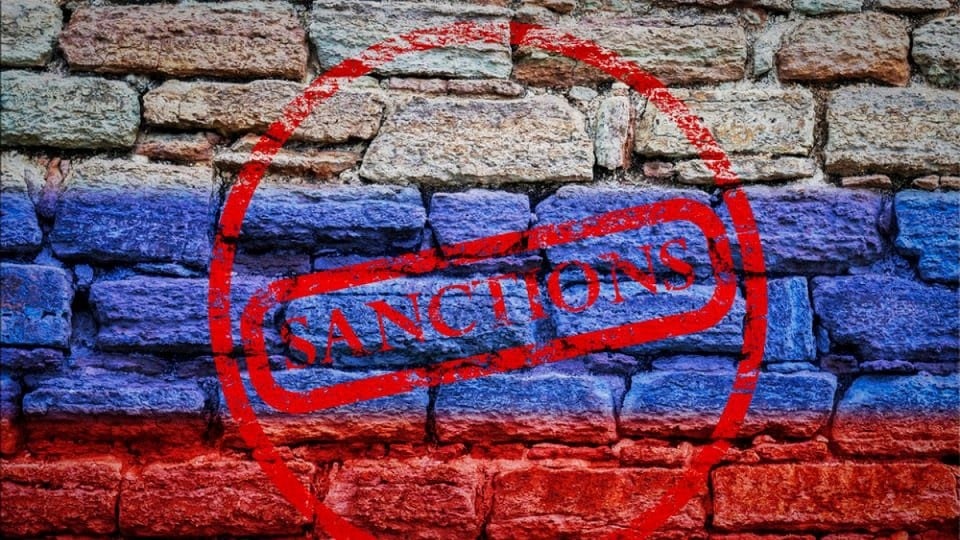
| The 12th package of sanctions targeting Moscow: 'No Russia clause' faces opposition from the outset, EU members disagree. (Source: Interfax) |
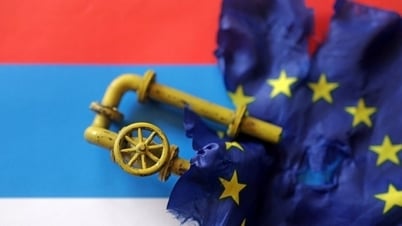
EU members are studying the components of the latest sanctions package against Russia, proposed and promoted by the European Commission (EC), in which the "No Russia Clause" is the most controversial, regarding limits on retaliatory financing and the enforcement of sanctions on goods for personal use.
This would be the 12th package of sanctions against Russia since Russia launched its military operation in Ukraine in February 2022, aimed at addressing loopholes in previous restrictions that allowed not only Moscow but also its partners to circumvent the sanctions.
The new sanctions package, with its complex and sensitive issues, is causing divisions among member states. Some diplomats from larger member states have also expressed concerns about these measures, questioning their legality and whether requiring guarantees and terms from importers is feasible. The Baltic states, however, remain vocal in support of the EC's proposals.
Some EU member states are concerned that the new proposal goes too far and will be counterproductive to the EU's global trade, and, most importantly, it is highly likely that the stated goals will still be difficult to achieve.
Several countries said at this week's ambassadorial meeting that Article 12G in the proposed 12th round of sanctions against Russia – known as the "No Russia Clause" – has the potential to wreak havoc on European companies globally.
According to proposals put forward at the meeting, EU exporters would be forced to impose a re-export ban to Russia on all goods on the EC's customs code list, including many everyday consumer goods, rather than those of military use to Russia.
Buyers may also be required to deposit a sum of money into an escrow account to ensure compliance with the requirements.
Thus, "Even a small business in Brazil would have to fulfill contracts under such a complex system of regulations... The discussion should focus on items of high importance," commented a source who declined to be named due to the sensitivity of the discussions.
The EC has also recently proposed cutting trade with countries that can now re-export goods from the EU to Russia – thus helping Moscow bypass sanctions imposed by Brussels in the conflict with Ukraine.
Reportedly, in the proposed version earlier this week, an additional provision was included in the new sanctions package to exempt the use of sanctioned goods for personal use, as the old sanctions package had sometimes become a source of overcharging at the Russia-EU border.
For example, when citizens of any nationality cross the Russian border, their personal goods may be seized on grounds based on a list of sanctioned items that generate "potential revenue" for Russia.
While the EC has acknowledged this can happen with high-value items like cars, other sources indicate that even essential consumer goods like toothpaste are being confiscated.
According to a source, the majority of countries at the meeting of ambassadors of the 27-member EU bloc did not support the proposed measures. This is because they would require EU permission for "any transfer of funds" by a Russian entity or a Russian citizen residing in Russia out of the EU. The proposed restrictions were criticized as a pointless burden without a threshold at which transactions would be exempt.
At this point, the core elements of the proposed package – including an indirect ban on Russian diamond imports and changes to better implement the G7-imposed oil price cap on Russia – have not been actively discussed, as the bloc is still awaiting further action from the G7 in the coming weeks.
Regarding oil, the EU and G7 are trying to tighten restrictions on Russian oil sales below the crude oil price ceiling of $60 per barrel.
Western countries say that although sanctions have been in effect for some time, Russia's oil revenues appear to be increasing thanks to its "shadow fleet," a growing number of oil tankers, including aging Western vessels.
The EU also wants to add several metal products and liquefied petroleum gas (LPG) to the list of banned products in the 12th round of sanctions. Initially, the proposal included a three-month pause for these items, but for some iron products and LPG, the latest version of the sanctions is proposed to extend the period to one year.
Source

![[Photo] Prime Minister Pham Minh Chinh attends the Conference on the Implementation of Tasks for 2026 of the Industry and Trade Sector](/_next/image?url=https%3A%2F%2Fvphoto.vietnam.vn%2Fthumb%2F1200x675%2Fvietnam%2Fresource%2FIMAGE%2F2025%2F12%2F19%2F1766159500458_ndo_br_shared31-jpg.webp&w=3840&q=75)

































































Comment (0)