

Half of Americans over 75 may have below-average kidney function. Several conditions or factors can damage the kidneys, leading to impaired kidney function and potentially chronic kidney disease.
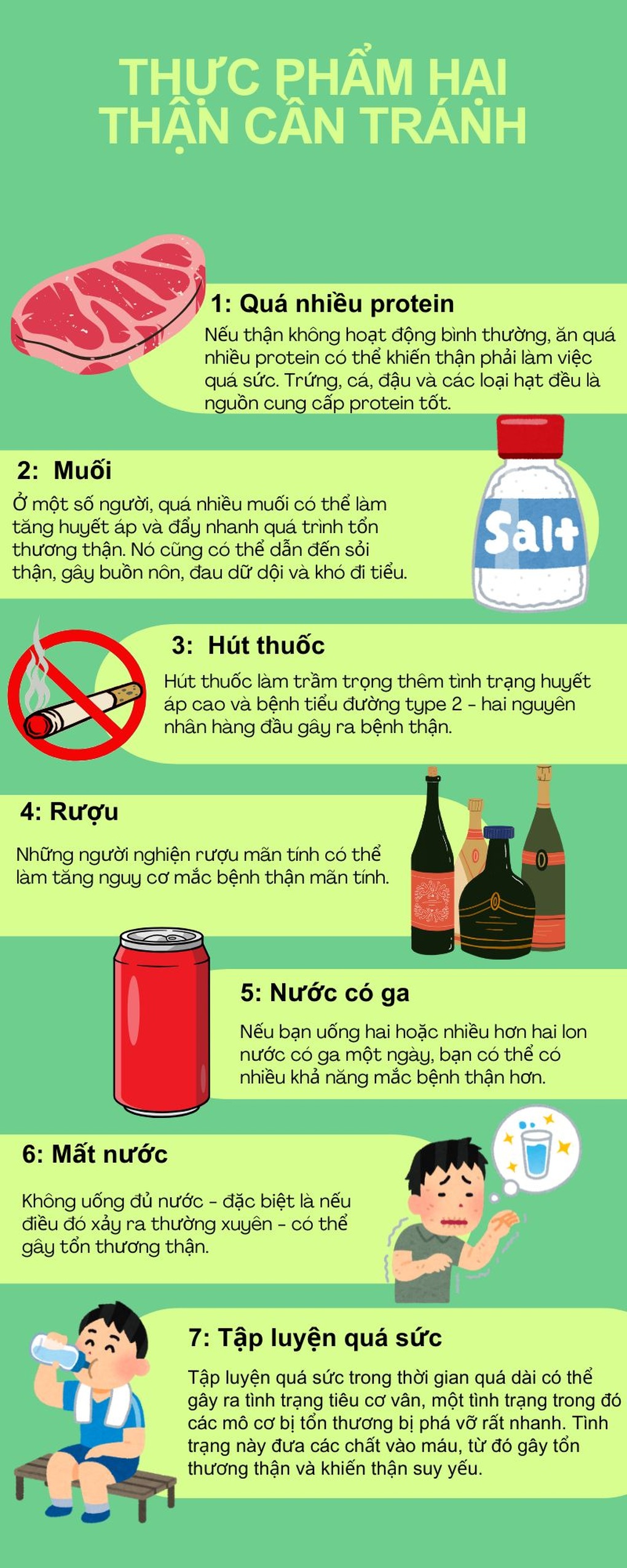
These include diabetes, smoking, excessive alcohol consumption, uncontrolled high blood pressure, and high cholesterol. Additionally, certain medications can damage the kidneys.
If you're living a heart-healthy lifestyle (regular exercise and a nutritious, plant-based diet), that will help protect your kidneys.
The kidneys are two small organs located on either side of the spine, beneath the ribs. They play a vital role in removing excess waste from the body, balancing electrolytes, and producing hormones.
If you don't have any underlying health conditions, a balanced diet combined with adequate water intake is usually sufficient to keep your kidneys healthy. In addition, certain foods can also help support kidney health.

A balanced diet and adequate water intake are usually sufficient to keep the kidneys healthy (Photo: Shutterstock).
Here are some ways to help cleanse your kidneys:
Water is the key.
According to the American Academy of Nutrition and Dietetics, approximately 60% of an adult's body weight is water. Every organ, from the brain to the liver, needs water to function.
Water is the best drink to support kidney function. The kidneys are the body's filtering system and need sufficient water to excrete urine. Urine is the main waste product that allows the body to eliminate unwanted substances. When water intake is low, urine output is also low.
Low urine output can lead to kidney dysfunction, kidney stones, and urinary tract infections.
Drinking enough water is crucial for the kidneys to properly eliminate excess waste, and this is especially important during the kidney cleansing process.
Accordingly, the recommended daily fluid intake is 15.5 cups (3.7 liters) for adult men and 11.5 cups (2.7 liters) for adult women. However, this amount of water may vary depending on several factors, such as age, activity level, and underlying health conditions.
According to Healthline , there's no magic behind the advice to drink eight glasses of water a day, but it's a good goal because it encourages you to stay hydrated. Drinking water regularly and consistently is good for your kidneys.
Water helps remove sodium and toxins from the kidneys. It also reduces the risk of chronic kidney disease.
People who have previously had kidney stones should drink a little more water to help prevent future stone formation.
Choose foods that support kidney health.
The National Institute of Diabetes, Digestive and Kidney Diseases recommends eating a heart-healthy diet to prevent cholesterol and fat from building up in the arteries, kidneys, and heart.
Some heart-healthy foods may include lean animal proteins, such as poultry, fish, and meat; fruits and vegetables; and low-fat or non-fat dairy products.
Here are some specific foods that can also help cleanse the kidneys:
Grape
A 2019 animal study found that red grape juice and raisins may have anti-inflammatory and antioxidant properties, thereby protecting the kidneys from fat deposition and improving kidney strength and function.
A glass of grape juice or a handful of red grapes makes a great afternoon snack.
South cranberry
A 2019 review found that cranberries may help boost kidney health in several ways, such as reducing urinary tract infections, decreasing inflammation and oxidative stress, and improving gut microbiota.
However, the authors note that cranberries may increase the risk of kidney stones in some people. Furthermore, more research is needed to determine the appropriate dosage of cranberry juice and supplements for kidney health.
Seaweed
Seaweed has been studied for its beneficial effects on the pancreas, kidneys, and liver.
In a 2014 animal experiment, mice fed seaweed for 22 days showed a reduction in both kidney and liver damage caused by diabetes.
Calcium-rich foods
According to the National Kidney Foundation, consuming calcium-rich foods may help reduce kidney stones. Calcium needs to bind with oxalate to reduce its absorption and excretion. Too much oxalate in the urine can lead to kidney stones.
You can meet the recommended daily calcium intake of 1g by consuming calcium-rich foods, such as low-fat dairy products (cow's milk, yogurt, and cheese), tofu, soybeans, lean meats, etc.
Drink tea to cleanse your kidneys.
A 2023 study found that drinking unsweetened tea was associated with a lower risk of kidney disease compared to those who did not drink tea. Some types of tea that may help cleanse the kidneys include green tea, black tea, etc.
Another way to restore kidney function naturally.
Some ways to help keep your kidneys healthy include regular exercise, eating a heart-healthy diet, getting at least seven hours of sleep each night, maintaining a healthy weight, quitting smoking if you smoke, and limiting alcohol consumption.
Regular exercise isn't just good for your waistline; it can reduce your risk of chronic kidney disease. It can also lower blood pressure and improve cardiovascular health, both of which are crucial for preventing kidney damage.
You don't need to run a marathon to reap the rewards of exercise. Walking, running, cycling, and even dancing are all great for your health.
Source: https://dantri.com.vn/suc-khoe/do-uong-nao-tot-cho-viec-lam-sach-than-20250621094245843.htm
![[Photo] Prime Minister Pham Minh Chinh attends the Conference on the Implementation of Tasks for 2026 of the Industry and Trade Sector](/_next/image?url=https%3A%2F%2Fvphoto.vietnam.vn%2Fthumb%2F1200x675%2Fvietnam%2Fresource%2FIMAGE%2F2025%2F12%2F19%2F1766159500458_ndo_br_shared31-jpg.webp&w=3840&q=75)







































































































Comment (0)