

The kidneys help the body filter toxins, regulate fluids, stabilize blood pressure, and support many other vital functions. When the kidneys are not functioning properly, waste products can accumulate, leading to fatigue, edema, or an increased risk of chronic diseases.
Prolonged stress, diets high in salt or sugar, dehydration, high blood pressure, and diabetes can all impair the kidneys' filtering ability over time. Therefore, kidney-friendly diets are increasingly being considered in nutritional guidelines.
Numerous studies have noted that several common fruits can help reduce inflammation, provide antioxidants, and improve the metabolic environment of the kidneys.
Blueberry

Blueberries are rich in anthocyanins, which help reduce inflammation and protect kidney cells (Photo: Getty).
Blueberries are often mentioned in healthy eating recommendations because they are rich in anthocyanins. These are a group of antioxidants that the U.S. National Institutes of Health has recognized for their ability to reduce oxidative stress and inflammation in tissues. These factors are directly linked to the progression of chronic kidney disease.
Several scientific reviews suggest that anthocyanins may protect kidney cells from free radical damage, thereby slowing the decline in filtration function.
Blueberries are low in potassium, sodium, and phosphorus, making them suitable for people with kidney problems. They can be easily incorporated into breakfasts with oatmeal, yogurt, or blended into smoothies to boost fiber and antioxidant intake throughout the day.
Cranberries
Cranberries are well-known for their benefits to the urinary tract. Compounds in this fruit help prevent bacteria from adhering to the bladder and lining of the urinary tract. When the risk of infection is reduced, the kidneys are also spared the burden of dealing with prolonged inflammatory responses.
The National Kidney Association of the United States assesses that cranberries may indirectly support kidney health due to their ability to improve the urinary tract environment.
Additionally, cranberries are rich in polyphenols. This group of substances has been shown in numerous studies to have anti-inflammatory and antioxidant properties.
Some results from cell models suggest that polyphenols may limit damage to the renal tubules. Users can add this fruit to salads, smoothies, or consume unsweetened juice in moderation.
Strawberry

Strawberries are rich in vitamin C and anti-inflammatory compounds, and low in potassium, making them kidney-friendly (Photo: Getty).
Strawberries provide a rich source of natural vitamin C and many anti-inflammatory plant compounds. Therefore, strawberries are considered a kidney-friendly fruit. Half a cup of strawberries provides only about 130mg of potassium, according to the U.S. Department of Agriculture 's nutritional data. This is significantly lower than many other fruits, making them suitable for people who need to limit their intake of this mineral to avoid its accumulation in the blood.
Studies on antioxidants in strawberries also show that they can help reduce damage from oxidative stress. When oxidative reactions are well controlled, the kidneys are less negatively impacted by the metabolic environment. Strawberries can be eaten with cereal or yogurt to increase fiber intake and maintain a feeling of fullness for longer.
Lemon

Lemons are rich in citric acid, which helps increase citrate in urine, supporting a reduced risk of kidney stones (Photo: Getty).
Lemons and other citrus fruits contain a relatively high amount of natural citric acid. The body converts citric acid into citrate, a substance that has been used in many studies to prevent kidney stones. Citrate helps prevent calcium oxalate crystals from clumping together. When the amount of citrate in the urine is high enough, the risk of stone formation is significantly reduced.
Several clinical trials have shown that regularly drinking lemon water can improve citrate excretion and reduce the risk of recurrence in people with a history of kidney stones. Lemons are also rich in vitamin C and flavonoids, two groups of compounds with anti-inflammatory properties.
Users can add lemon juice to warm water or combine it with cucumber and mint to drink throughout the day. Those with sensitive digestive systems should start with small amounts to avoid discomfort.
Apple
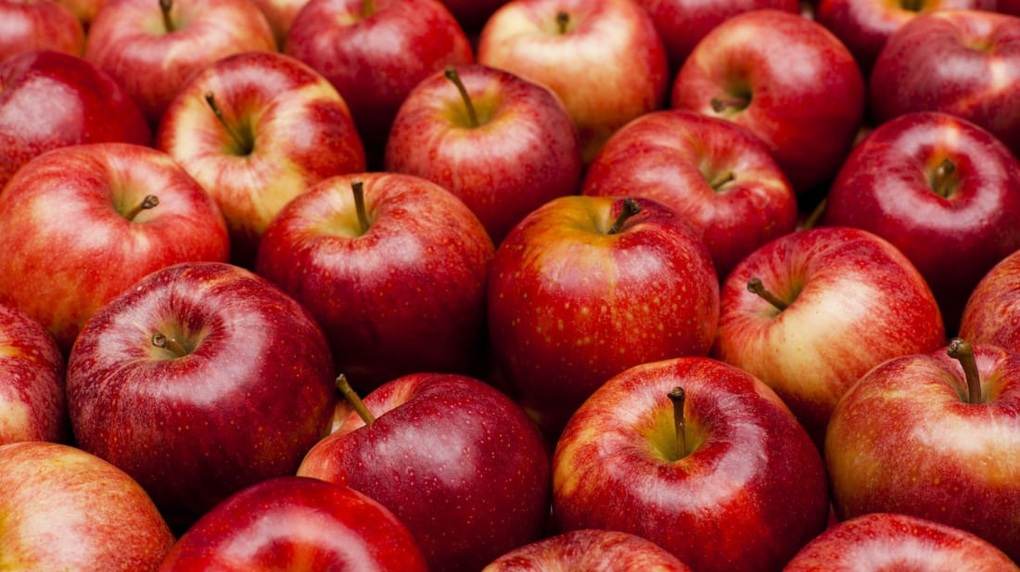
Apples are rich in fiber and antioxidants, and low in potassium, sodium, and phosphorus, making them good for kidney health (Photo: Getty).
Apples contain soluble fiber, vitamin C, and many antioxidants. They are a popular fruit in diets that support cardiovascular health and blood sugar control. These factors are closely related to kidney health. When blood sugar and blood pressure are well controlled, the kidneys are under less strain from filtration and maintaining homeostasis.
Nutritional analyses show that apples are low in potassium, sodium, and phosphorus. This is especially beneficial for people with kidney disease as it helps limit mineral accumulation. The fiber in apples also aids digestion, reduces constipation, and indirectly helps the body's waste processing system function more efficiently. Apples can be eaten raw, cooked, or added to salads.
These fruits are not a substitute for medical treatment, but they can contribute to a diet that supports healthy kidneys.
Combining these with a low-salt, low-sugar diet and drinking enough water daily helps maintain a stable environment for the kidneys. People with chronic kidney disease should consult their doctor or a nutritionist before making any dietary changes to ensure safety.
Source: https://dantri.com.vn/suc-khoe/bi-quyet-bao-ve-than-tu-nhung-loai-qua-quen-mat-20251209182524891.htm






































































































Comment (0)