

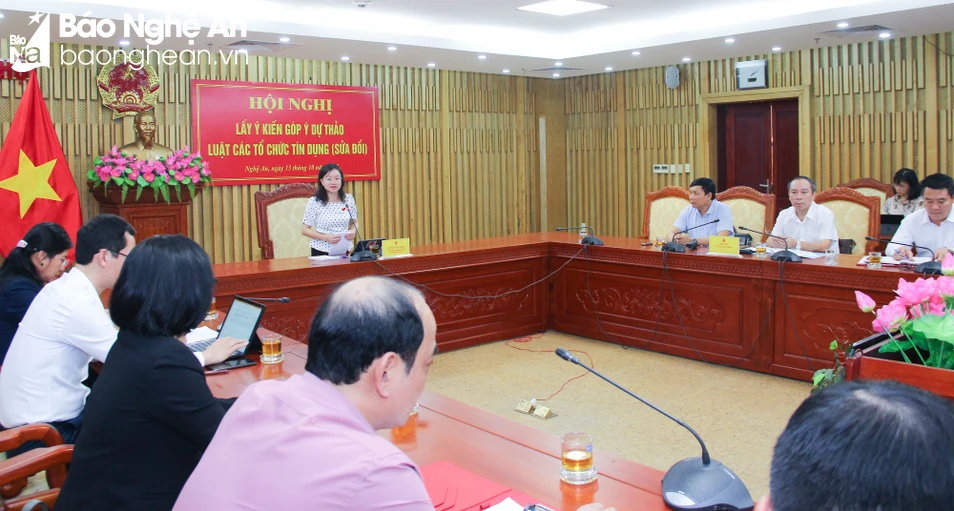
The draft Law on Credit Institutions (amended), revised after the 5th session of the 15th National Assembly , consists of 16 chapters and 208 articles. This law regulates the establishment, organization, operation, reorganization, dissolution, and bankruptcy of credit institutions; the establishment, organization, and operation of branches of foreign banks, representative offices of foreign credit institutions, and other foreign organizations engaged in banking activities; and the handling of non-performing loans and collateral for non-performing loans.
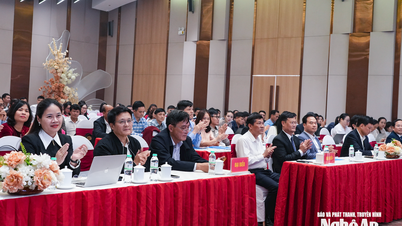
Participating in discussions and providing feedback on the draft law, representatives from various departments, agencies, and banks in the area affirmed the necessity of enacting the Law on Credit Institutions (amended), creating a stable legal basis for credit institutions to operate soundly and have favorable conditions for development.
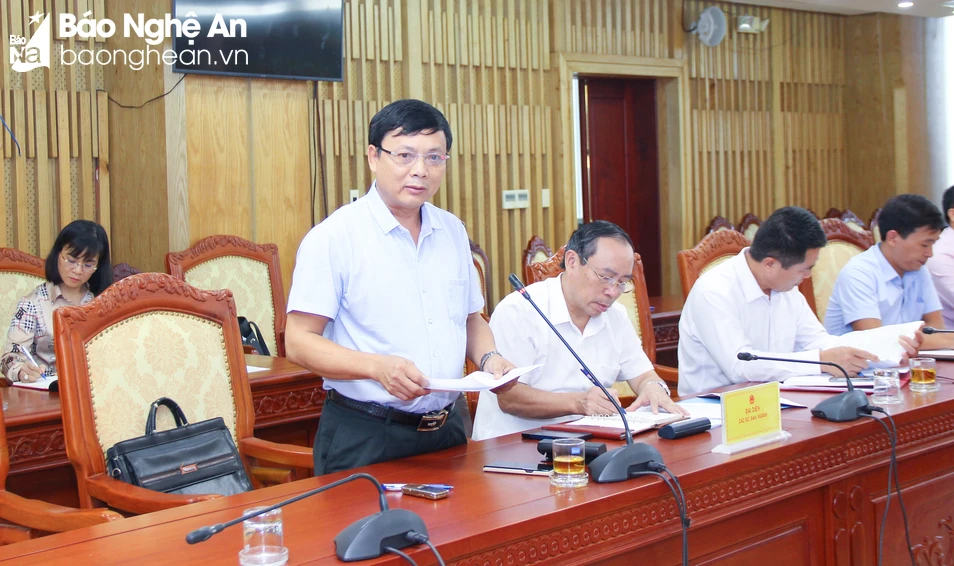
The delegates focused their comments on solutions to prevent the manipulation and control of credit institutions.
Some argue that, in current practice, some private commercial banks show signs of being "taken over" or controlled by major shareholders, related parties of major shareholders, or private corporations and enterprises; this poses a risk of lack of transparency, even violations of the law, and consequently, a high rate of non-performing loans. Therefore, the law needs to be further supplemented with more thorough policies to eliminate this situation.
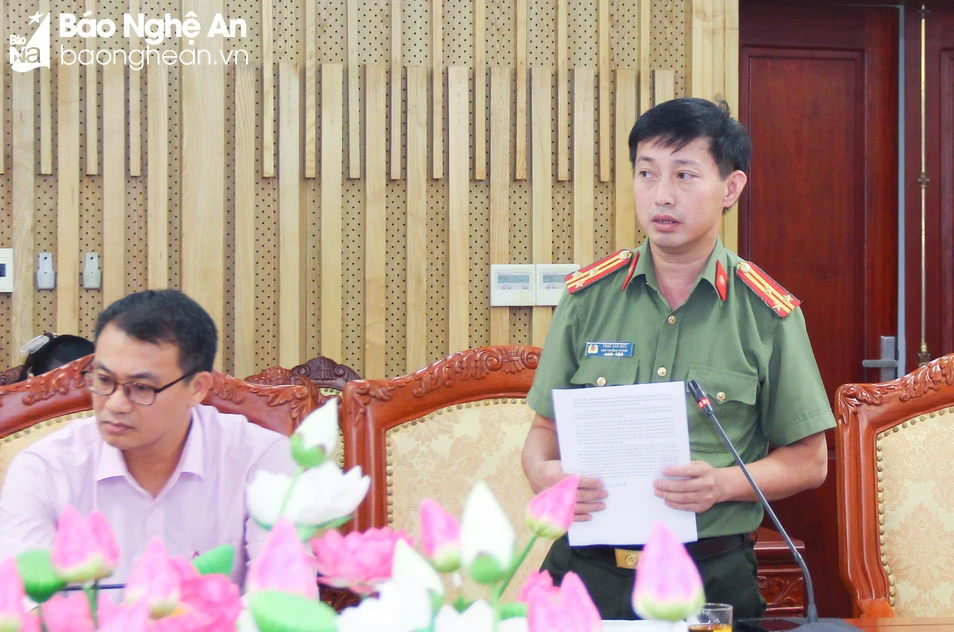
Regarding bad debts, some opinions suggest that the Standing Committee of the National Assembly should conduct a thorough and cautious assessment, considering the context of current legal regulations, in order to improve regulations that ensure the legitimate rights and interests of all parties, avoid the bureaucratization of civil and economic relations; and ensure harmony and fairness for all entities participating in civil and economic relations, based on the principle of only codifying content that is appropriate under normal circumstances.
At the same time, it is necessary to study the regulations on the responsibilities of civil prosecution and enforcement agencies in assisting credit institutions when they request the determination of the status of collateral assets for the purpose of seizing those assets.
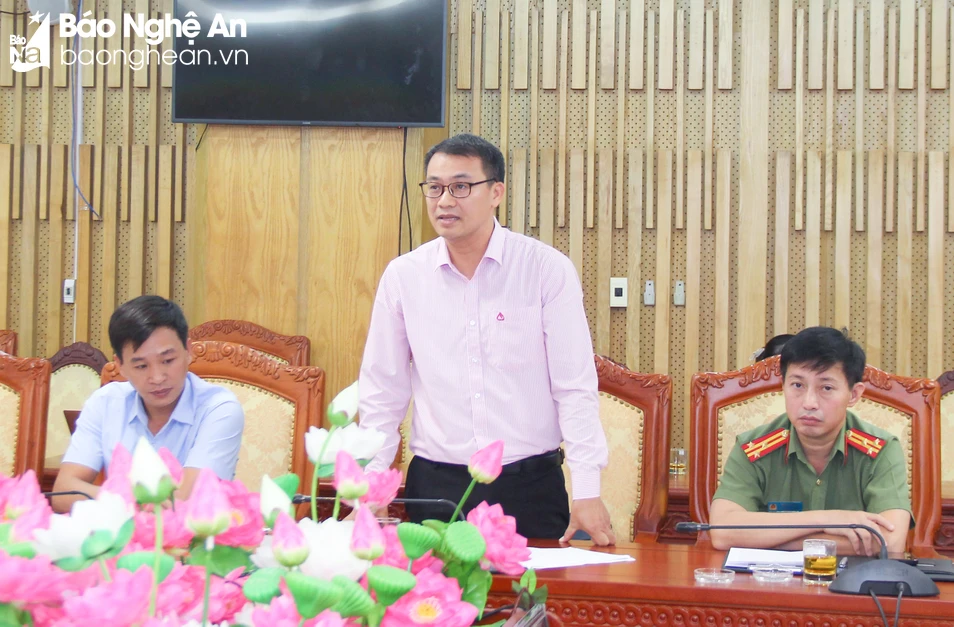
The law also needs to provide more detailed regulations on the rights of the buyer of collateral for bad debts; consideration should be given to regulations defining the right to seize assets and the procedures for seizing assets in accordance with legal provisions, avoiding conflicts of law, impracticality, and difficulties in the application of the law…
Some suggestions proposed clearer regulations on timely response measures when credit institutions experience mass withdrawals that threaten the safety of the system. They also suggested adding regulations related to the dissolution and bankruptcy of poorly performing credit institutions; and supplementing regulations on solutions for monetary management and operation, especially regarding understanding the actual state of credit quality, the situation of bad debts, and the management of outstanding debts.
Some opinions were also contributed regarding the content of Vietnam's deposit insurance; proposing the addition of a provincial and district-level representative board within the organizational structure of the social policy bank system to the draft.
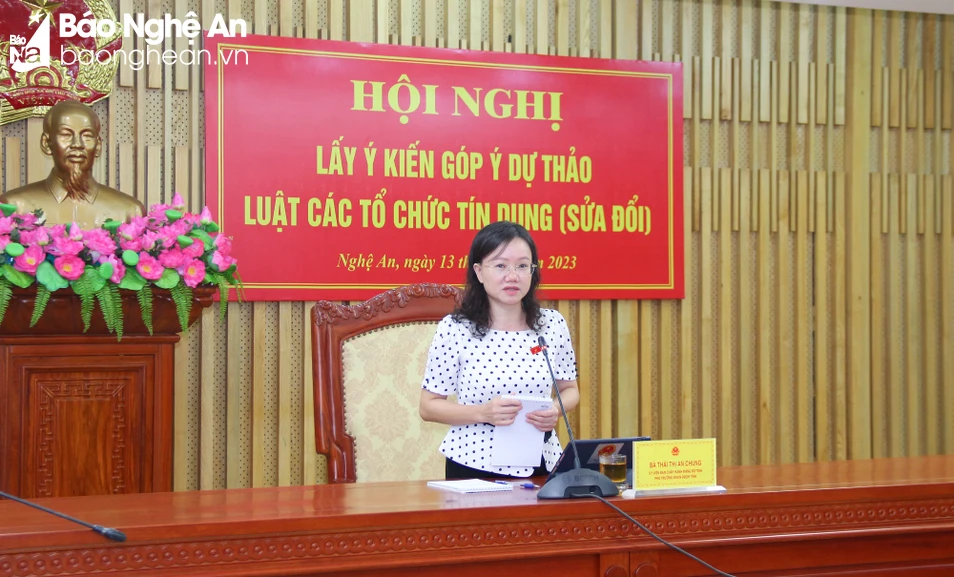
Concluding the conference, Deputy Head of the Standing Delegation of the National Assembly of Thai Binh Province, Thai Thi An Chung, acknowledged the feedback from provincial departments, agencies, and credit institutions in the province; and expressed her hope that these units would continue to research and provide further input on practical issues that are currently causing many difficulties and shortcomings, as well as the requirements for the socio-economic development of the country.
The Deputy Head of the Provincial National Assembly Delegation also affirmed: Based on the opinions of the units, the Delegation will study, synthesize, and report to the Standing Committee of the National Assembly; and will also participate in the working sessions of the National Assembly at the 6th session, scheduled to open on October 23, 2023.
Source


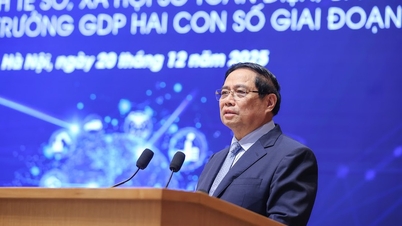
![[Photo] Prime Minister Pham Minh Chinh attends the Conference on the Implementation of Tasks for 2026 of the Industry and Trade Sector](/_next/image?url=https%3A%2F%2Fvphoto.vietnam.vn%2Fthumb%2F1200x675%2Fvietnam%2Fresource%2FIMAGE%2F2025%2F12%2F19%2F1766159500458_ndo_br_shared31-jpg.webp&w=3840&q=75)
























































































Comment (0)