

The EU's Anti-Deforestation Regulation (EUDR) is expected to come into effect in January 2025. Vietnamese coffee businesses are already preparing to meet the regulations.
The EU's Anti-Deforestation Regulation (EUDR) is expected to come into effect in January 2025 for large businesses. The range of goods subject to this regulation includes: livestock, cocoa, coffee, palm oil, rubber, soybeans, timber, and certain products derived from these goods.
According to regulations, any operator or trader bringing these items into or exporting from the EU market must demonstrate that the products do not originate from recently deforested land or contribute to forest degradation.
Mr. Pham Thang, General Secretary of the Vietnam Coffee and Cocoa Association, had a discussion on this issue with the Industry and Trade Newspaper.
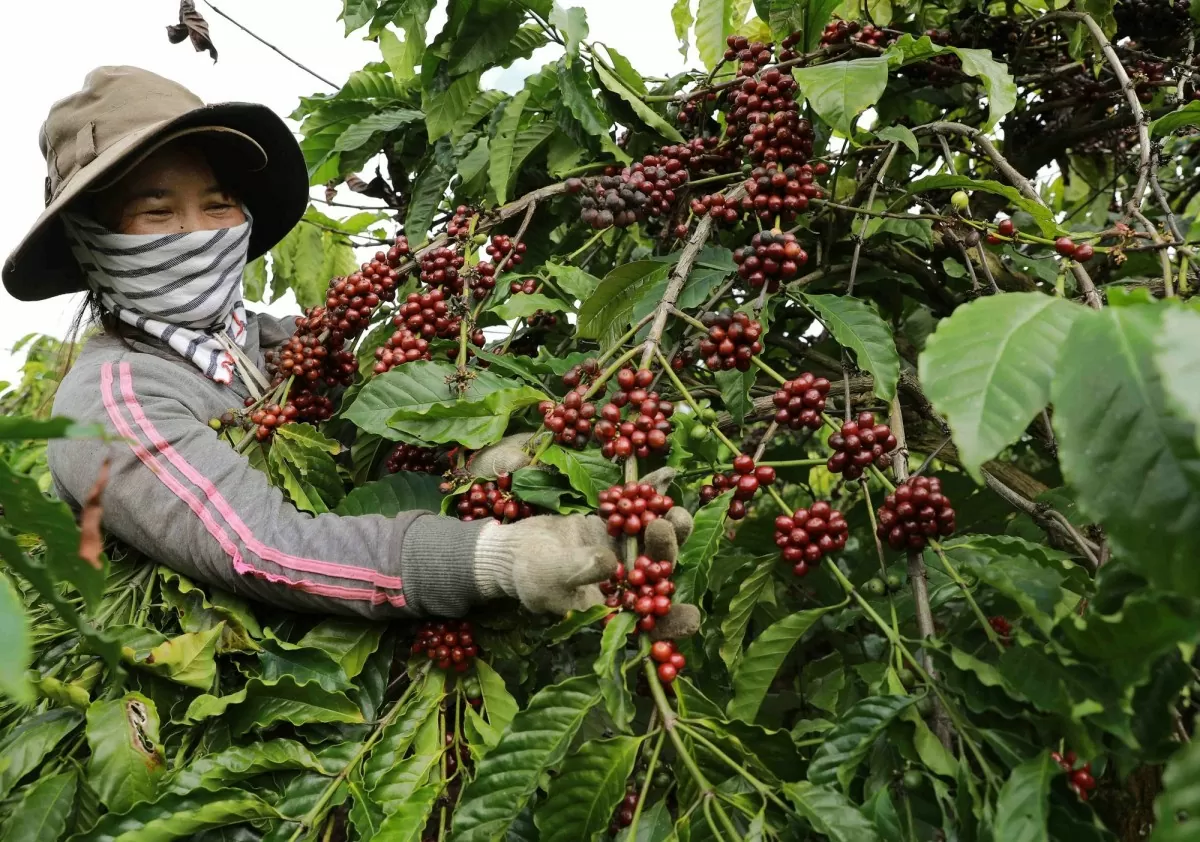 |
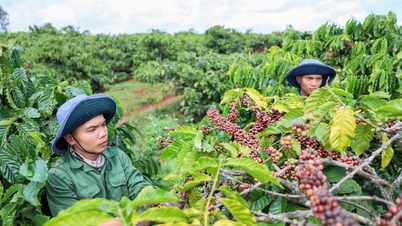
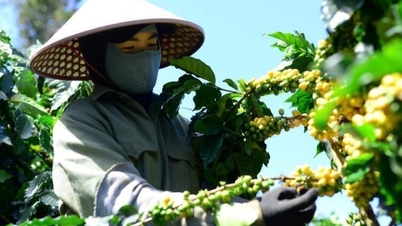
| Recently, coffee farmers and businesses have shown great interest in EUDR (Excessive Discharge Rate). Photo: VNA (Vietnam News Agency) |
Coffee is one of the industries most affected by the EU's regulations on deforestation. From the perspective of the Vietnam Coffee and Cocoa Association , could you please explain the impact of these EUDR regulations on coffee cultivation in Vietnam ?
As we know, the EUDR regulations affect seven major Vietnamese commodities, including coffee. Currently, Vietnam's coffee growing area is over 700,000 hectares, mainly in five provinces in the Central Highlands. In recent times, farmers and businesses have paid much attention to the EUDR, especially the issue of traceability.
However, there is still confusion regarding some EUDR regulations on GPS positioning to confirm the risk of deforestation, which have not been standardized. Furthermore, many argue that standardizing the EUDR's deforestation land map would contradict some previously established regulations, and individual purchasing companies have their own specific rules.
In response to the regulations issued by the EUDR, the Vietnam Coffee and Cocoa Association has clearly recognized this and, in cooperation with the Ministry of Agriculture and Rural Development and the certification bodies, has submitted a request for guidance on the procedures and content of the EUDR, with the EU's deforestation map being the most important. Furthermore, we have also sent our members to study the EU's regulatory bodies.
Currently, coffee businesses are relatively well-prepared to adapt to the EUDR regulations as soon as they come into effect. However, the implementation process will vary, so support from relevant authorities is crucial to guide coffee businesses in implementing them most effectively.
 |
| Mr. Pham Thang - General Secretary of the Vietnam Coffee-Cocoa Association. Photo: Quoc Chuyen |
To date, businesses and households involved in coffee production and export have proactively adapted to these regulations. However, significant challenges remain, especially regarding regulations on land traceability and assessment procedures . What are your thoughts on this assessment?
Over the past period, the Ministry of Agriculture and Rural Development and international organizations have actively supported the Vietnam Coffee and Cocoa Association and businesses, including many leading companies in the industry, in implementing the EUDR regulations. Many businesses have declared the methods and content required by European roasters according to the EUDR regulations. As a result, many orders have followed EUDR guidelines. However, in the period leading up to the implementation of the EUDR regulations, coffee businesses are still working cautiously and waiting to see what happens.
To date, many Vietnamese coffee businesses have demonstrated their ability to adapt and comply with EUDR regulations. So, could you please tell us what changes and steps the Vietnam Coffee and Cocoa Association and its member businesses have taken in the coming period to adapt to these regulations?
Vietnam currently has over 700,000 hectares of coffee plantations, and in the last four years, the area under coffee cultivation has tended to decrease, with the area for new planting in 2025 being negligible. Therefore, Vietnamese businesses are confident that our products meet the initial criterion of not destroying forests.
Currently, the 2024-2025 coffee crop year has just begun, and exports are not yet substantial. However, we are closely monitoring businesses' information declarations and ensuring compliance with EUDR regulations. The European market also highly appreciates Vietnam as a pioneer in supporting EUDR regulations, and businesses themselves are aware of the importance of forest conservation and minimizing environmental impact from coffee production.
What proposals does the Vietnam Coffee and Cocoa Association have for the Government and relevant ministries and agencies regarding support and cooperation with businesses in adapting to the EU's anti-deforestation regulations, as well as protecting producers and businesses in the process of complying with EU regulations , sir?
Coffee is one of the main export commodities of the agricultural sector. In the 2023-2024 crop year, Vietnam exported approximately over 1.45 million tons, with export revenue exceeding 5 billion USD. To date, export revenue has significantly surpassed that of 2023… Entering a new phase, to further develop the coffee industry, we hope that relevant agencies, ministries, and sectors will pay attention to and guide the development of a set of rules to implement the EUDR regulations of Europe, and issue legal land ownership certificates to farmers so they can meet the regulations.
Thank you, sir!
Source: https://congthuong.vn/doanh-nghiep-ca-phe-chu-dong-dap-ung-quy-dinh-chong-pha-rung-cua-eu-359020.html


![[Photo] Prime Minister Pham Minh Chinh presides over a meeting on private sector economic development.](/_next/image?url=https%3A%2F%2Fvphoto.vietnam.vn%2Fthumb%2F1200x675%2Fvietnam%2Fresource%2FIMAGE%2F2025%2F12%2F20%2F1766237501876_thiet-ke-chua-co-ten-40-png.webp&w=3840&q=75)

















































































Comment (0)