

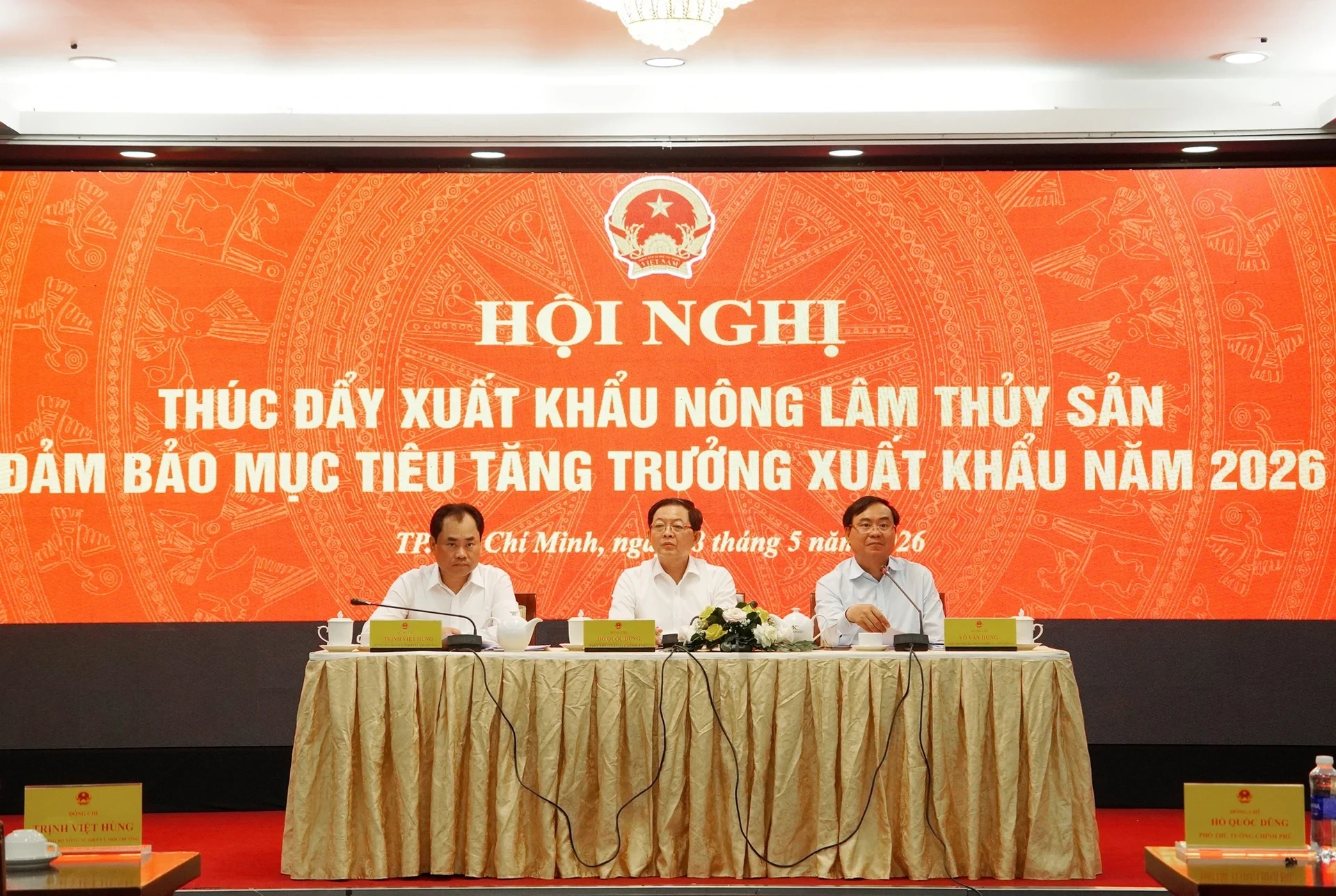
Exports are increasing, but pressure remains high.
On May 8th, the Ministry of Agriculture and Environment organized a conference to promote the export of agricultural, forestry, and aquatic products in order to realize the export growth target for 2026.
Here, Minister Trinh Viet Hung stated that in 2025, agriculture will continue to be a bright spot in the economy with a sector-wide growth rate of 3.78%, and export turnover reaching a record high of over 70.9 billion USD. This growth momentum has been maintained in the first months of this year. In the past four months, total exports of agricultural, forestry, and aquatic products reached 23.44 billion USD, an increase of 5.4% compared to the same period last year. Imports reached 17.65 billion USD, an increase of 12%, helping the sector maintain a trade surplus.
Asia is currently the largest export market for Vietnamese agricultural, forestry, and aquatic products, accounting for 44.1% of the market share. This is followed by the Americas with 20.9% and Europe with 15.8%. Looking at individual markets, China continues to lead with a 21.1% market share, followed by the US with 18.5% and Japan with 7%.
According to Minister Trinh Viet Hung, this result was achieved thanks to the proactive and flexible management of the Government and ministries in the face of natural disasters, climate change, and global trade fluctuations. This was coupled with the efforts of localities, businesses, and farmers in maintaining production and expanding markets.
However, the Ministry's leadership also acknowledged that current growth is not truly uniform and still harbors elements of unsustainability. Some sectors are growing thanks to seasonal factors or a localized recovery in the global market, while many others remain under significant pressure from prices, logistics, technical barriers, and changes in import policies. Notably, while rice and coffee exports have increased in volume, their value has decreased, highlighting the limitations of a growth model heavily reliant on raw material exports and production volume.
Businesses are requesting support in logistics and credit.
From an industry perspective, many businesses and associations believe that to achieve the export target of over $74 billion this year, bottlenecks in logistics, credit, and product quality need to be addressed promptly.
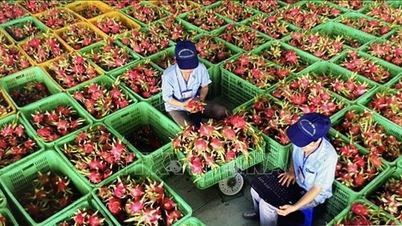
According to Nguyen Dinh Tung, Vice Chairman of the Vietnam Fruit and Vegetable Association (Vinafruit), the fruit and vegetable industry achieved nearly $2.06 billion in the first four months of the year, a 22% increase compared to the same period last year. However, to achieve the target of $10 billion in 2026, the industry still faces many difficulties related to logistics, transportation costs, quality, and food safety.
According to Mr. Tung, violations of food safety regulations in some products such as durian, dragon fruit, passion fruit, and chili peppers, along with inadequacies in managing planting area codes and inspection, are affecting the export reputation of Vietnamese agricultural products. Therefore, he proposed strengthening quality control, strictly handling fraudulent acts, and improving testing and inspection capabilities to support businesses.
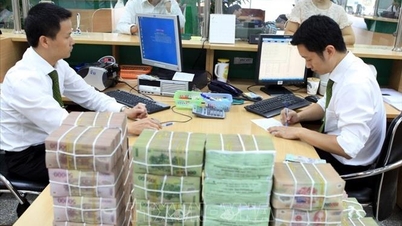
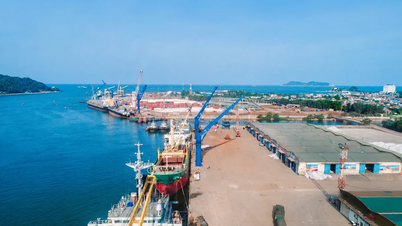
Meanwhile, Bach Khanh Nhut, Permanent Vice President of the Vietnam Cashew Association (VINACAS), said that the cashew industry is being strongly impacted by geopolitical fluctuations, especially the conflict in the Middle East, which has led to a decline in exports to the region and a disruption in trade in April. In addition, businesses are facing pressure from rising logistics costs, transportation risks via the Red Sea - Suez route, credit pressure, and increasingly stringent environmental and traceability requirements. VINACAS recommends increased support for businesses in terms of credit, logistics, and trade promotion, while also promoting green transformation and sustainable raw material development.
According to Nguyen Hoai Nam, Secretary General of the Vietnam Association of Seafood Processing and Export (VASEP), the seafood industry still has the opportunity to achieve 8-10% growth, with export turnover exceeding 12 billion USD this year, if institutional obstacles, costs, raw material sources, and export markets can be removed.
According to industry associations, in the context of volatile global trade, the agriculture, forestry, and fisheries sectors need to quickly shift to a growth model based on quality, added value, and sustainable development, instead of focusing solely on production volume.
Continue to streamline procedures and expand markets.
In 2026, the Ministry of Agriculture and Environment aims for total export turnover of the entire sector to exceed 74 billion USD.
According to the Ministry, this goal is a major challenge but also a driving force for the entire industry to innovate its growth model towards a greener, more modern, and sustainable direction. In the coming period, the Ministry will focus on closely monitoring market developments; supporting businesses in overcoming difficulties in logistics and credit; promoting targeted trade promotion and expanding into new markets. Simultaneously, it will restructure the industry towards improving quality, increasing the proportion of deep processing, diversifying export markets, and effectively exploiting potential markets such as Halal, the Middle East, Africa, and South America.
In his directive speech, Deputy Prime Minister Ho Quoc Dung emphasized that the export target of over 74 billion USD remains unchanged and must be resolutely achieved. The Deputy Prime Minister requested ministries and agencies to strengthen market forecasting, closely monitor international trade, natural disasters, climate change, and other factors affecting the supply chain in order to promptly advise on flexible management solutions, limit the risk of supply chain disruptions, and prevent agricultural product congestion.
He also emphasized the need to continue streamlining administrative procedures, especially those that can be immediately reduced to lower costs and facilitate export businesses. In addition, ministries and agencies need to strengthen decentralization and delegation of authority coupled with inspection and supervision; promote digital transformation in industry management and agricultural trade; and effectively utilize free trade agreements to expand markets for Vietnamese agricultural products.
Source: https://daibieunhandan.vn/doanh-nghiep-nong-san-mong-go-nut-that-logistics-tin-dung-10416351.html
![[Image] Close-up view of the interchange connecting the two expressways and Long Thanh Airport.](https://vphoto.vietnam.vn/thumb/1200x675/vietnam/resource/IMAGE/2026/05/25/1779703378210_ndo_br_z7863716673926-224453a31600126cce10622af6290afd-4549-jpg.webp)
![[Image] Hanoi's urban life under the challenge of a "scorching hot" environment](https://vphoto.vietnam.vn/thumb/1200x675/vietnam/resource/IMAGE/2026/05/25/1779706979265_nang-nong-t5-2026-minh-duy-7-4636-jpg.webp)



















































































Comment (0)