

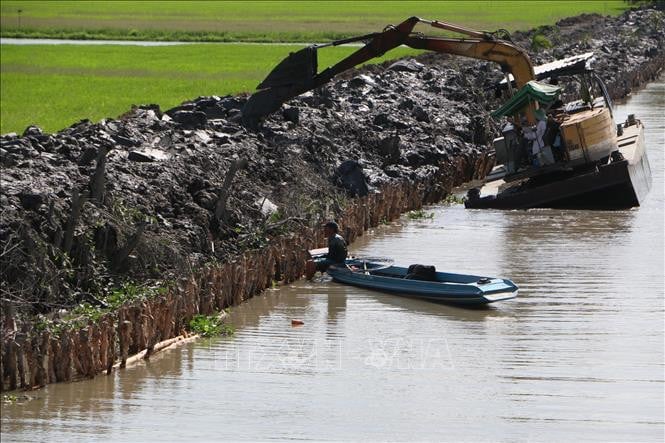
During this period, the depth of the 4‰ salinity boundary is likely to penetrate 35-47km along the Vam Co Dong and Vam Co Tay rivers; 25-30km along the Cua Tieu and Cua Dai rivers; 30-36km along the Ham Luong and Co Chien rivers; 30-35km along the Hau River; and 45-50km along the Cai Lon River.
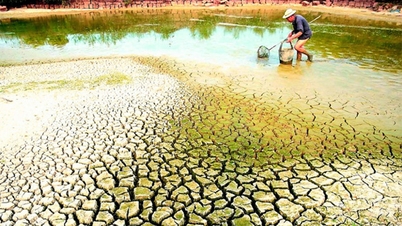
Salinity intrusion in the Mekong Delta during the 2022-2023 dry season is at a level similar to that of the 2021-2022 dry season. The salinity intrusion situation in the Mekong Delta depends on water resources from the upper Mekong River, tidal surges, and is expected to fluctuate in the future. Local authorities in the Mekong Delta need to promptly update meteorological and hydrological forecasts and proactively implement measures to prevent and combat salinity intrusion. The natural disaster risk level warning for salinity intrusion in the Mekong Delta is level 1-2.
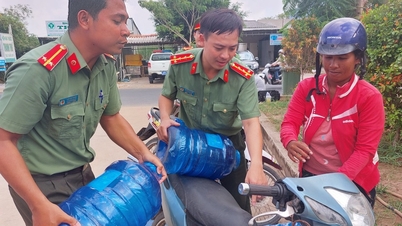
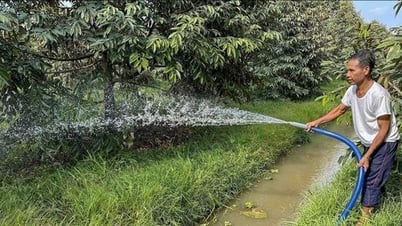
Given this situation, localities should take advantage of low tides to store freshwater for agriculture and daily life, while limiting irrigation to minimize production losses. For areas planted with high - value fruit trees that are sensitive to salinity, people should check the salinity level before irrigating.
Local authorities regularly disseminate information about the saltwater intrusion situation through mass media so that people and relevant organizations can proactively take precautions against the impacts of saltwater intrusion...
Source


![[Photo] Prime Minister Pham Minh Chinh presides over a meeting on private sector economic development.](/_next/image?url=https%3A%2F%2Fvphoto.vietnam.vn%2Fthumb%2F1200x675%2Fvietnam%2Fresource%2FIMAGE%2F2025%2F12%2F20%2F1766237501876_thiet-ke-chua-co-ten-40-png.webp&w=3840&q=75)



















































































Comment (0)