

With the strategic orientation of "transforming heritage into assets," Lao Cai province is striving to remove bottlenecks in mechanisms, attract investment, and maximize the value of the cultural identity of ethnic minorities, aiming to welcome 15 million tourists by 2030.
Entering a new development phase from 2026 to 2030, Lao Cai province has identified tourism as a breakthrough economic sector. To concretize this policy, the Department of Culture, Sports and Tourism has been tasked with developing two foundational projects: Project 10 on the Development of Tourism in Lao Cai Province from 2026 to 2030 and Project 14 on the Preservation and Promotion of the Cultural Identity and People of Lao Cai to Meet the Requirements of Integration and Development in the period from 2026 to 2030.
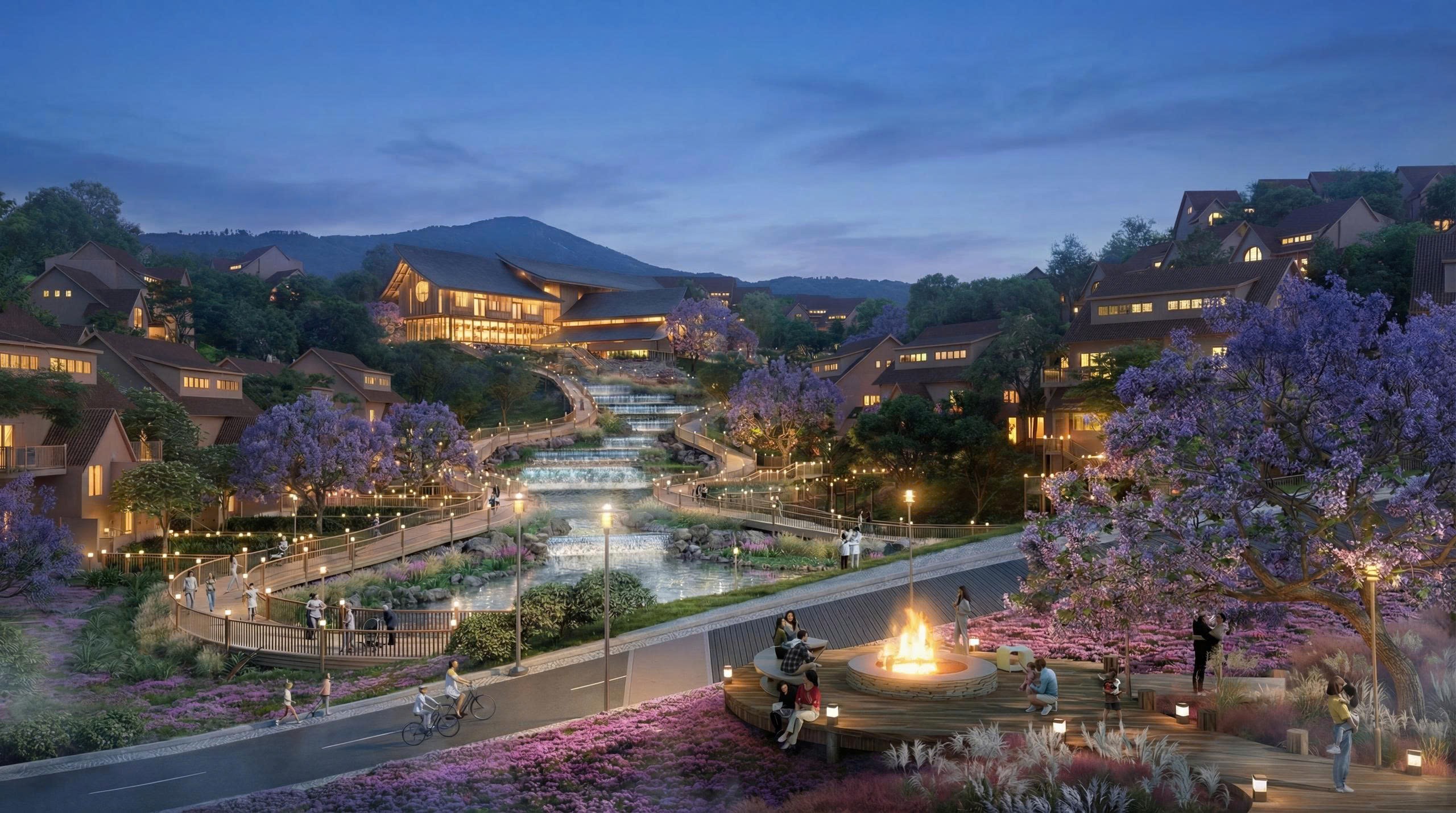
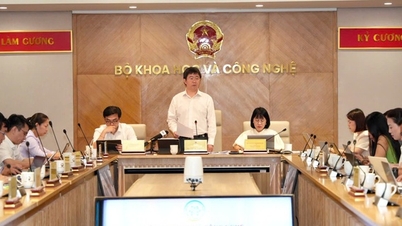
According to Mr. Duong Tuan Nghia, Deputy Director of the Department of Culture, Sports and Tourism of Lao Cai province, this is the first time the tourism sector has had a separate project. Previously, tourism development was often integrated into cultural preservation projects. Separating it into an independent project shows a strong shift in the province's management thinking and development orientation, affirming the pivotal role of tourism in the economy.
However, practical implementation still faces obstacles, especially regarding mechanisms for attracting investment and supporting community-based tourism development. Recognizing this issue, the Department of Culture, Sports and Tourism is actively coordinating with relevant departments and agencies to advise the Provincial People's Committee on the issuance of specific mechanisms and policies. The goal is to create a favorable legal framework to address the resource challenges, support travel businesses, and especially enable local people to participate in tourism activities.
Mr. Duong Tuan Nghia, Deputy Director of the Department of Culture, Sports and Tourism of Lao Cai province, emphasized: "We are developing fundamental support policies, considering this a key factor in unlocking resources. The policies not only target large businesses but also focus on directly supporting households involved in homestays and community tourism, ensuring that people benefit from the overall development."
One of the key tasks outlined in Project 10 is to promote and attract investment. According to statistics from the Provincial Department of Culture, Sports and Tourism, there are currently over 100 potential tourism projects being reviewed for inclusion in the investment attraction list. The Department is working closely with the Department of Finance to advise on organizing a large-scale investment promotion conference, inviting strategic investors with strong financial capabilities and management experience.
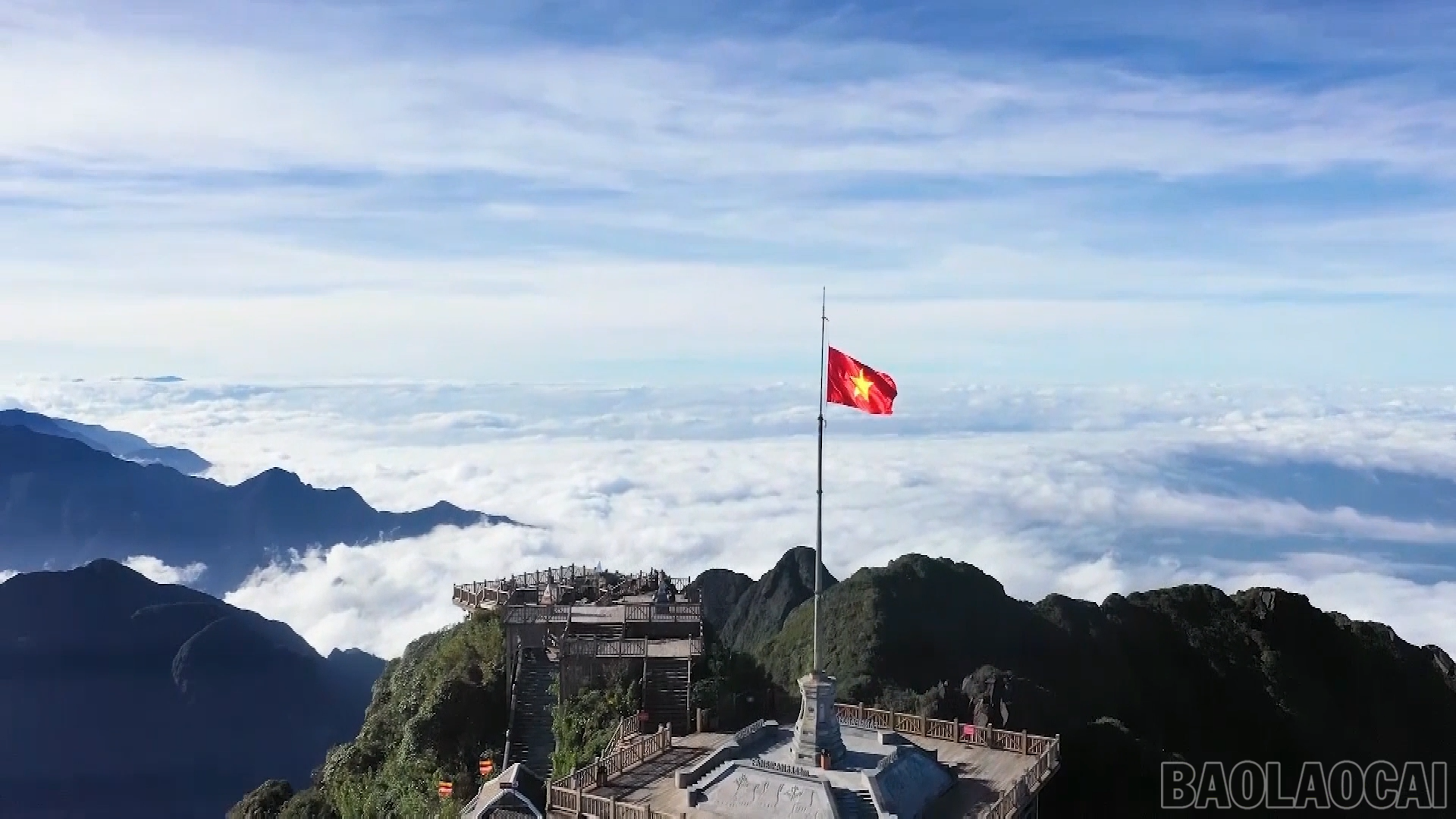
The experience gained from implementing open policies and allocating land in advantageous locations, attracting many large businesses and contributing to changing the face of local tourism, is being further promoted by Lao Cai province after the merger.
Alongside attracting infrastructure investment, promotional activities are also being reformed. The province is developing a systematic tourism promotion plan, targeting both domestic and international markets, with a focus on traditional markets such as China, South Korea, and Japan. The goal is for Lao Cai's tourism sector to achieve revenue exceeding 70,000 billion VND by 2030, requiring comprehensive investment in everything from transportation infrastructure to service quality.
The province's tourism development strategy for the coming period is to center around the Sa Pa National Tourist Area, connecting and expanding to neighboring areas and newly merged localities. The tourism network will be extended from Sa Pa, connecting with Bac Ha, Y Ty, and reaching Mu Cang Chai, Tram Tau, and Nghia Lo. This connection will not only diversify tourism products but also help distribute tourists more effectively, reducing pressure on key areas and promoting socio-economic development in the highland districts.
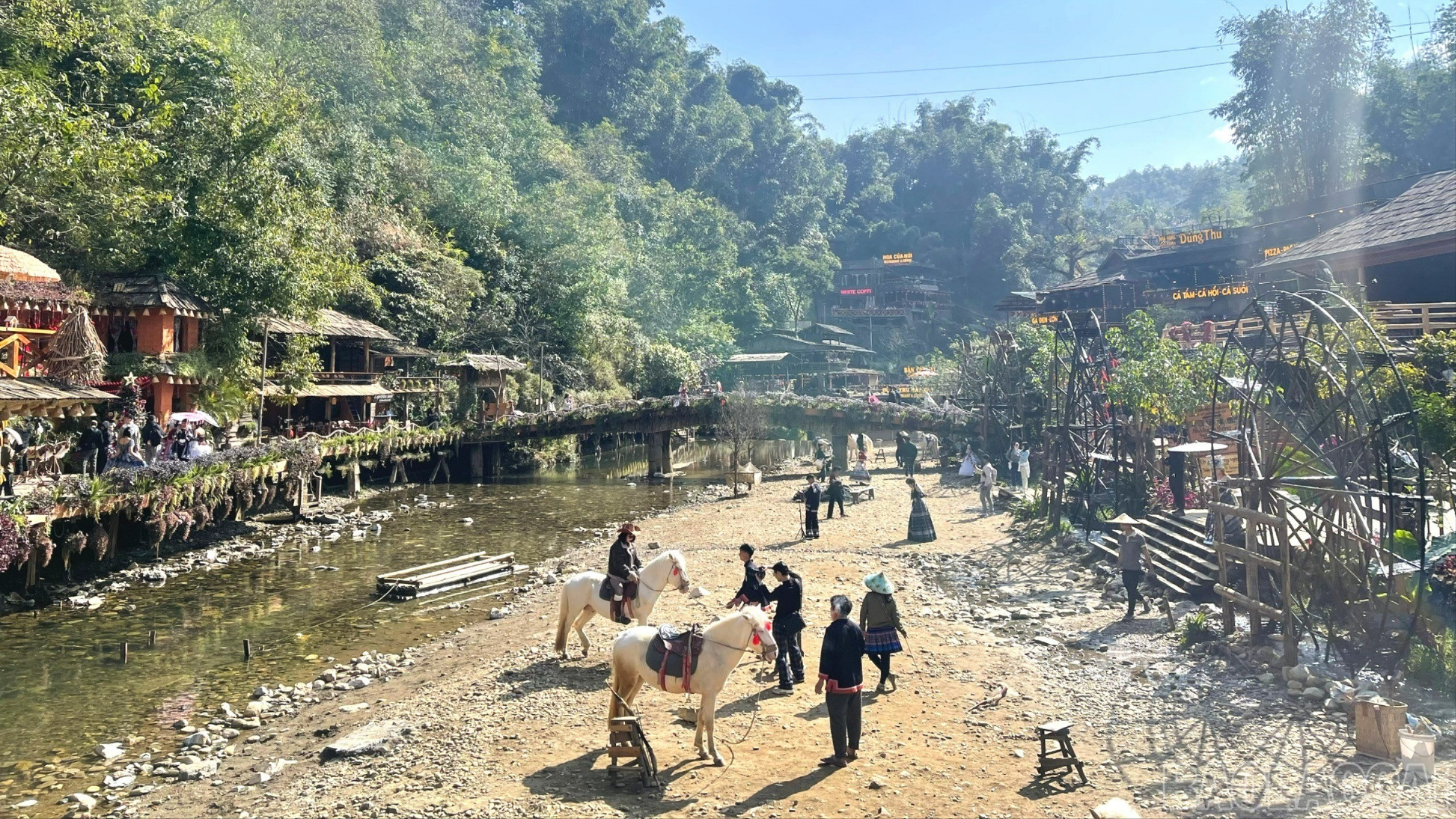
Lao Cai currently boasts the largest number of national intangible cultural heritage sites in the country, with 56 sites, along with the cultural diversity of more than 30 ethnic groups. This is identified as an invaluable resource for developing unique tourism products.
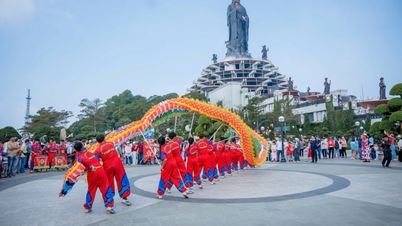
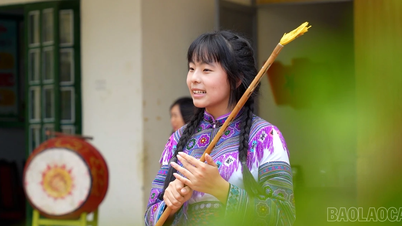
Every year, the province hosts approximately 100 festivals, both large and small. From the Gầu Tào festival of the Hmong people, the Lồng Tồng festival of the Tay people, to the Roóng Poọc festival of the Giáy people... all bear the distinct mark of local culture. In particular, heritage sites such as the Mù Cang Chải terraced rice fields (a special national monument) and the weaving art of the Tay people in Nghĩa Đô are becoming major attractions for tourists.
To preserve and promote these values, supporting grassroots cultural and artistic groups is crucial. According to a survey by the cultural sector, there are approximately 3,000 cultural, artistic, and sports clubs in 99 communes and wards. However, the activities of these clubs are limited due to a lack of funding.
Mr. Duong Tuan Nghia, Deputy Director of the Department of Culture, Sports and Tourism of the province, said: The department is advising the province to issue policies to support the regular operating expenses of village and commune art troupes and to provide preferential treatment for artisans. Artisans are the keepers and transmitters of heritage; without timely support policies, the risk of cultural identity fading away is very high.
The overarching vision of Lao Cai province for the period 2026-2030 is "transforming heritage into assets." Cultural preservation should not only focus on maintaining rituals and customs but also on creating livelihoods and increasing income for the community.
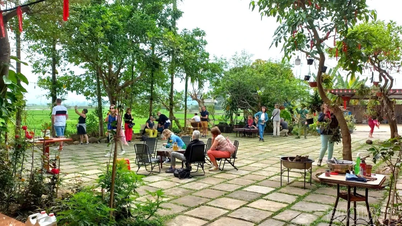
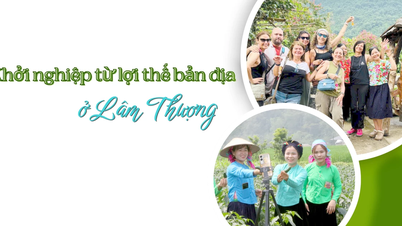
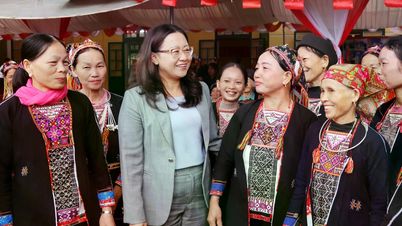
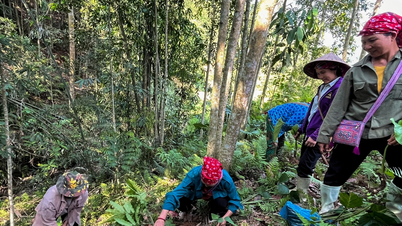
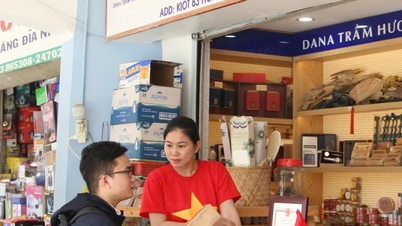
In fact, traditional local handicrafts such as brocade and woven products are popular with tourists. In Nghia Do commune, the woven products of the Tay people are often in short supply. Experiential tourism models in the villages of the Mong, Dao, and Ha Nhi people, with their traditional rammed earth houses and stilt houses, always attract a large number of international visitors.
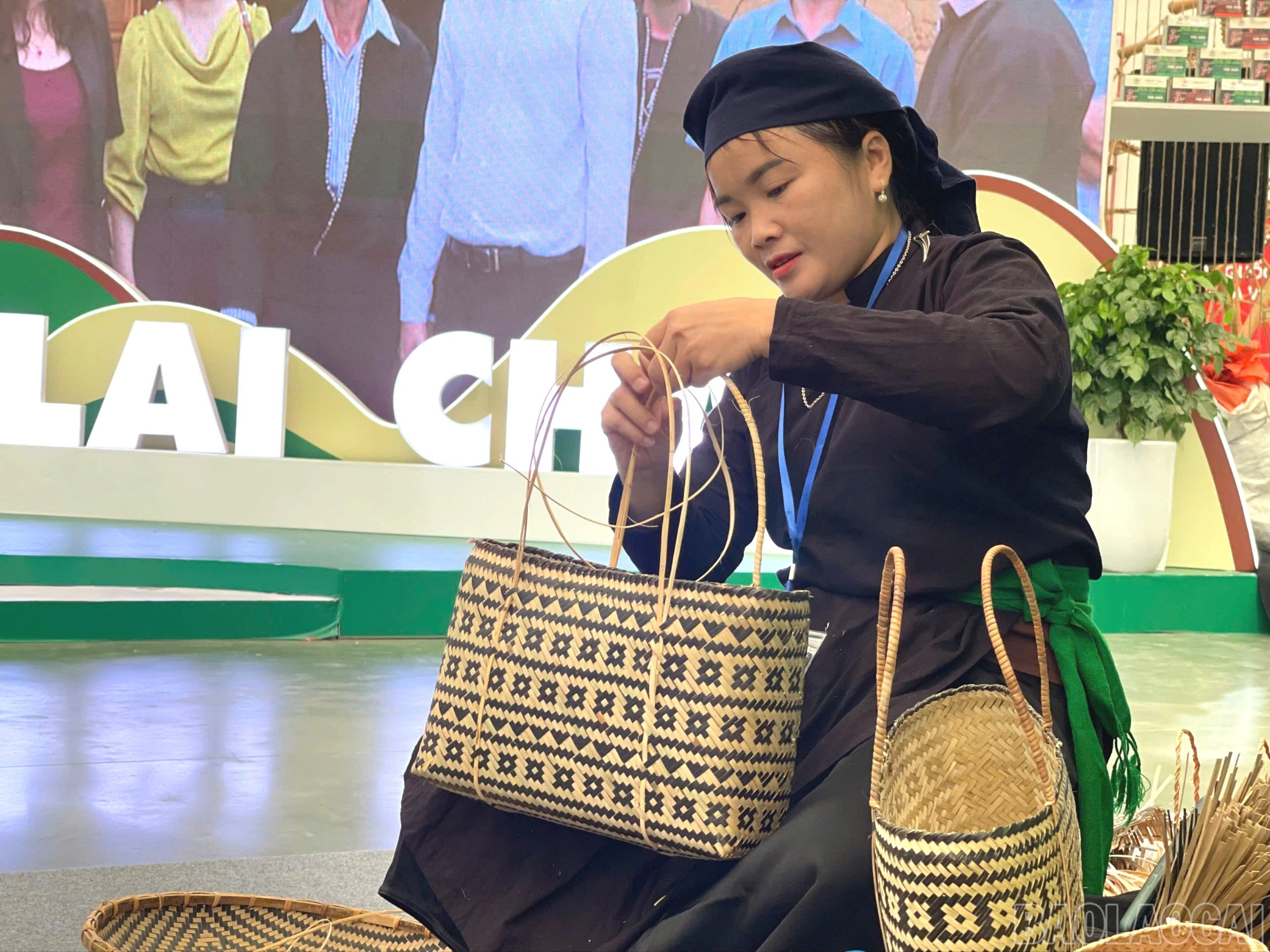
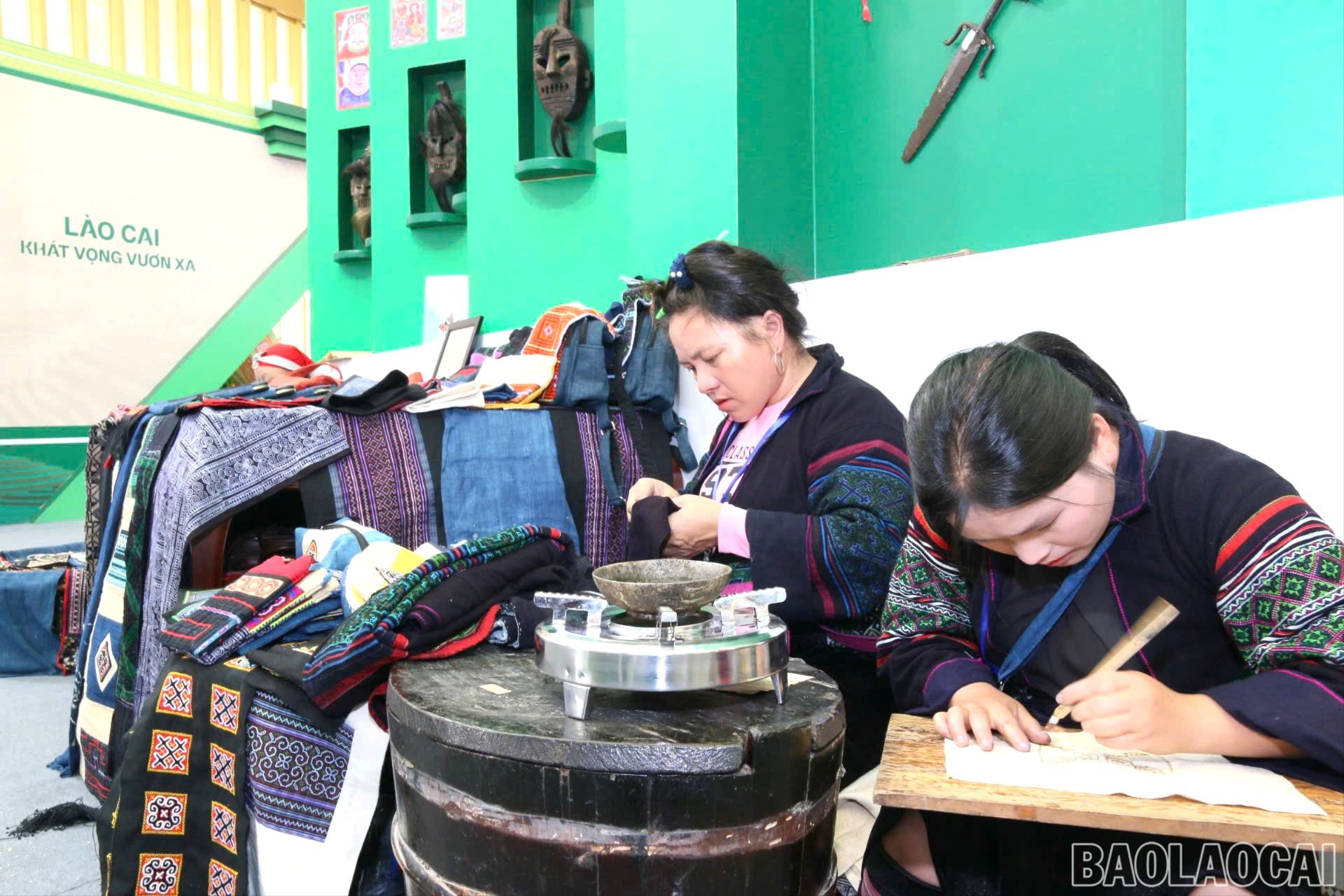
Tourists visiting Lao Cai are increasingly seeking authentic experiences, wanting to directly observe locals weaving and embroidering, and purchase 100% handcrafted products made by the local people. This opens up great opportunities for economic development under the forest canopy and from the culture of the community.
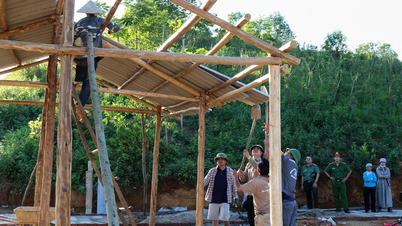
The development of tourism in conjunction with the construction of new rural areas is changing the face of many countryside regions. The province is paying attention to investing in and upgrading the transportation infrastructure connecting villages and hamlets, creating favorable conditions for the circulation of goods and the travel of tourists.
It can be affirmed that, with clear strategic directions in Project 10 and Project 14, along with decisive action in removing obstacles in mechanisms and policies, the Culture, Sports and Tourism sector of Lao Cai province is gradually realizing the goals of the Resolution of the First Provincial Party Congress. The harmonious combination of attracting large investments and leveraging local cultural resources will be the "key" to the sustainable development of tourism in Lao Cai, truly making it a leading economic sector in the coming term.
Source: https://baolaocai.vn/dong-luc-de-du-lich-lao-cai-cat-canh-post892584.html

![[Photo] Reception to welcome General Secretary and President To Lam and his wife on their State visit to the Philippines](https://vphoto.vietnam.vn/thumb/1200x675/vietnam/resource/IMAGE/2026/06/01/1780295488620_vna-potal-chieu-dai-chao-mung-tong-bi-thu-chu-tich-nuoc-to-lam-va-phu-nhan-tham-cap-nha-nuoc-toi-philippines-8798060-7855-jpg.webp)

![[Photo] General Secretary and President To Lam and the President of the Philippines hold talks.](https://vphoto.vietnam.vn/thumb/1200x675/vietnam/resource/IMAGE/2026/06/01/1780286997787_anh-man-hinh-2026-06-01-luc-11-09-43.png)





















































Comment (0)