

 |
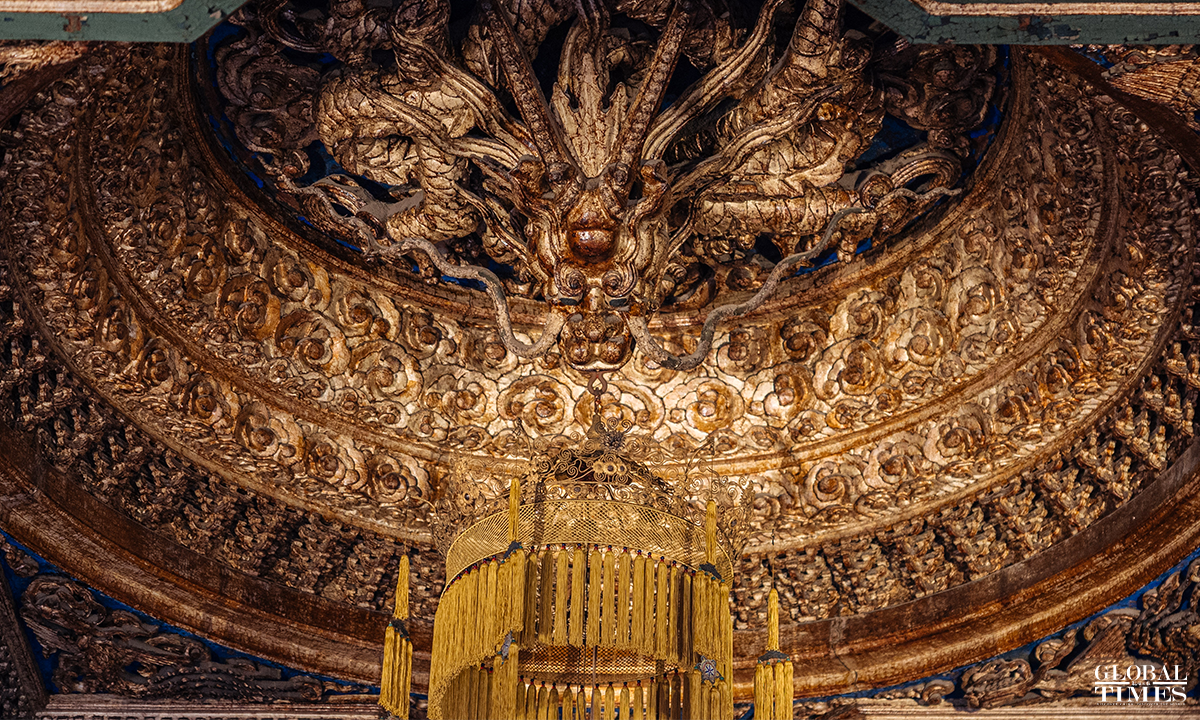
According to an announcement from the Palace Museum, the Hall of Cultivating the Mind officially reopened on December 26th, after approximately 10 years of comprehensive conservation and restoration. Since 2015, experts have focused on addressing structural issues, restoring and maintaining the overall condition of the hall, and improving the preservation environment for the artifacts inside, Global Times reported. |
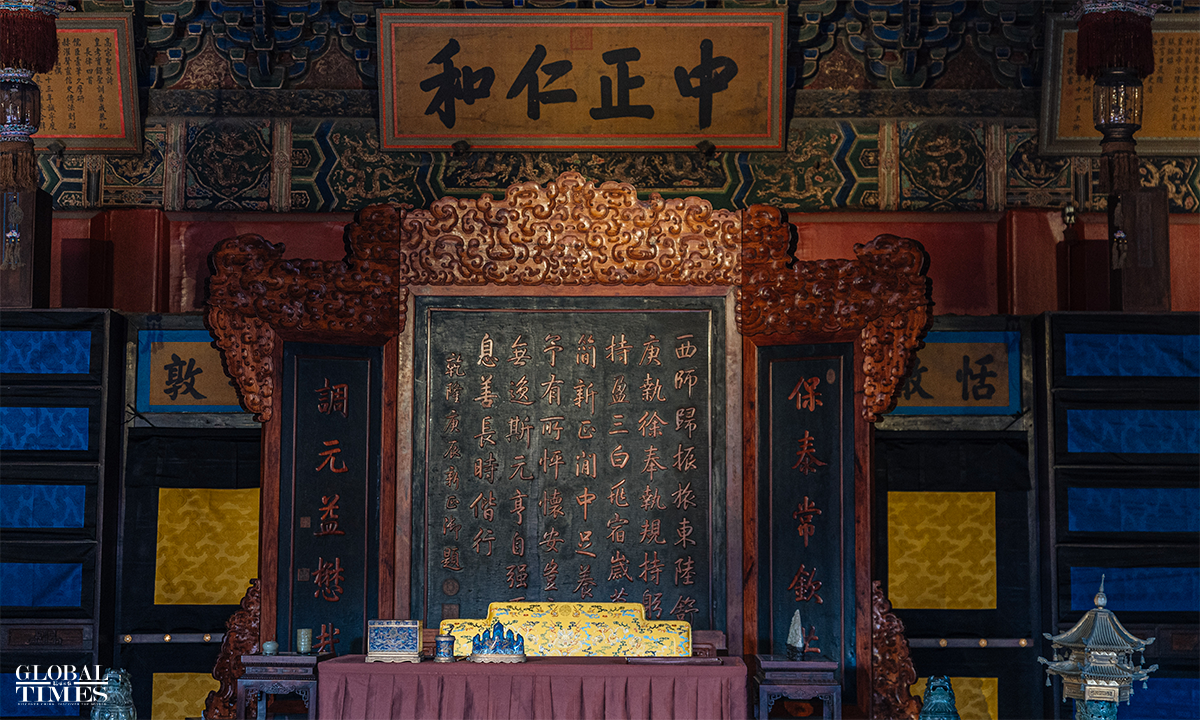 |
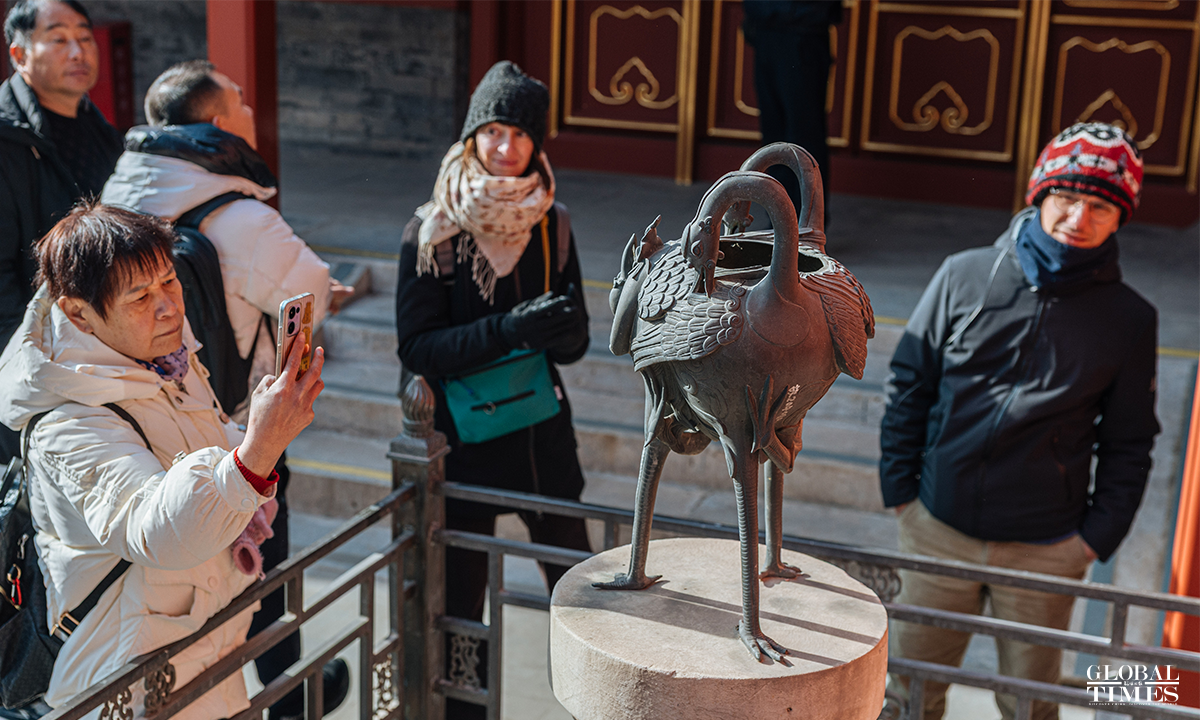
According to the Palace Museum, the current exhibits in the Hall of Cultivating the Mind are reconstructed closely to the original historical layout. Visitors can see Emperor Yongzheng's calligraphy on the horizontal plaque above the throne in the main hall, while the couplet in a western chamber has been restored. The Hall of Three Virtues has also been reconstructed based on historical records dating back over 200 years. |
 |
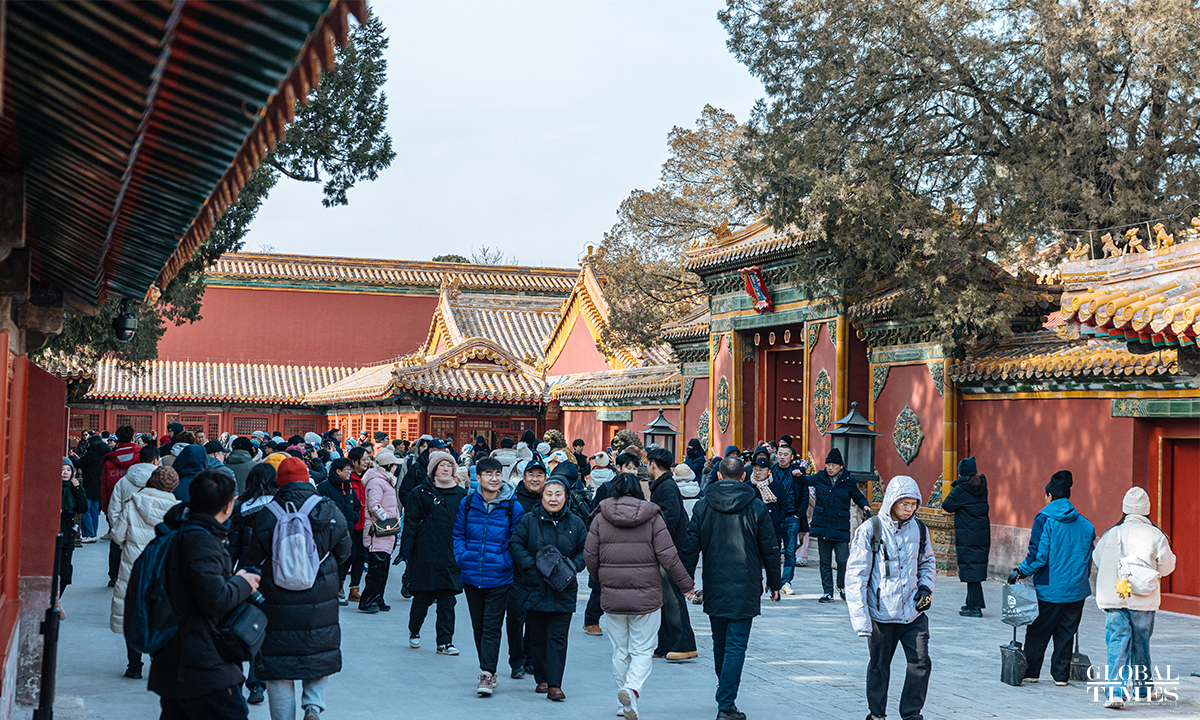
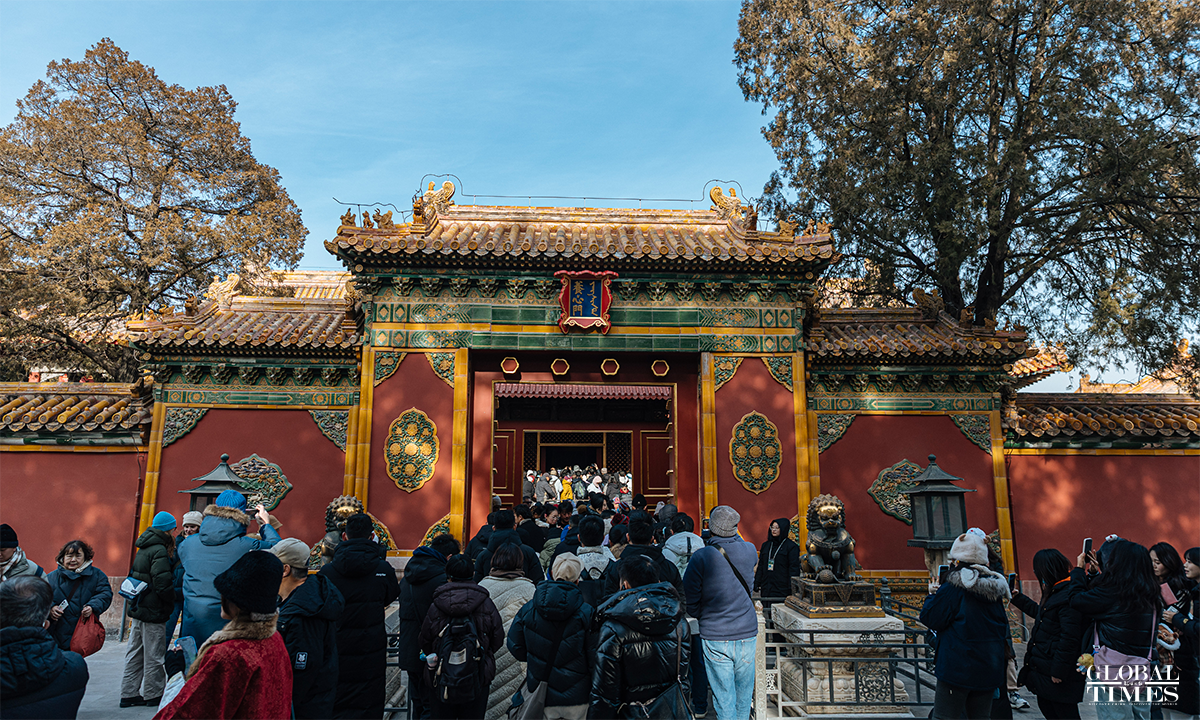
On the very first day of its reopening, thousands of tourists flocked to visit the historical site – a place considered to vividly reflect the daily activities of the Chinese imperial power during the late feudal period. |
 |
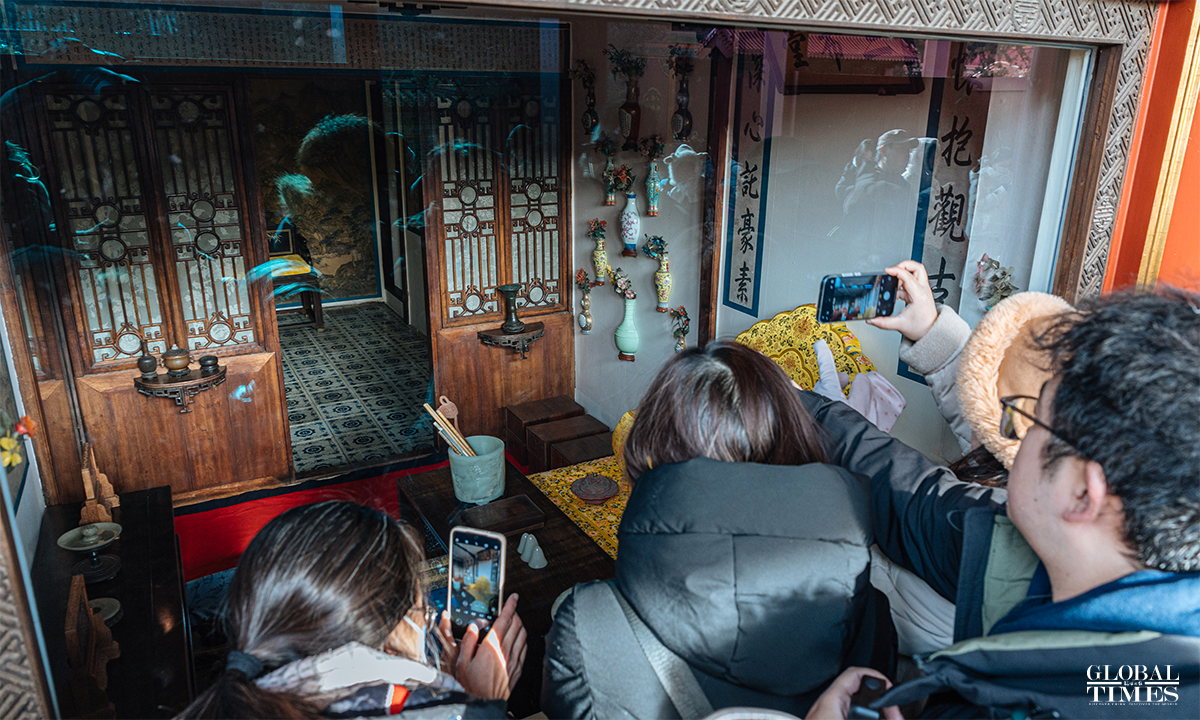
Some visitors arrived as early as midnight to queue up, with Mr. Wei saying he stayed up all night in the cold and rushed straight from Hebei to the temple when the gates opened at 8:30 a.m. "This is my first time here, and every corner has left a deep impression. Even just looking through the glass, you can clearly feel the weight of history," he told People Daily. |
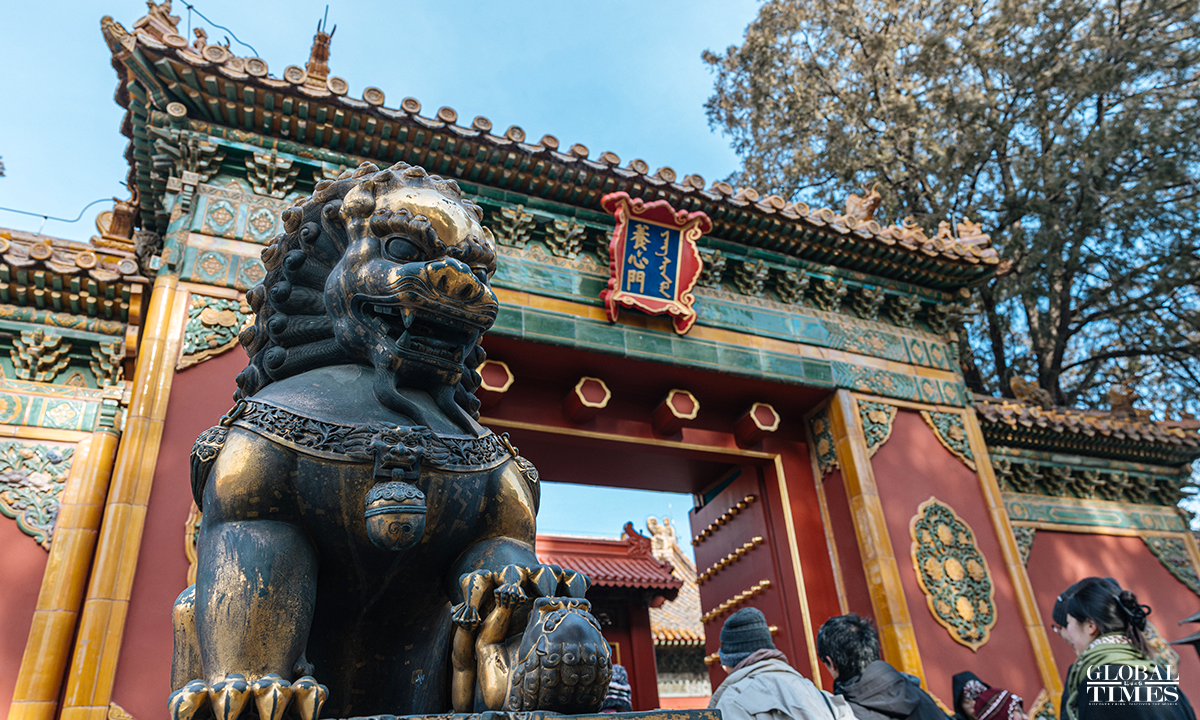 |
The Hall of Cultivating the Mind was first built in 1537 during the Ming Dynasty (1368-1644) and rebuilt during the reign of Emperor Yongzheng of the Qing Dynasty (1722-1735). During Yongzheng's reign, the entire area was repurposed from a palace workshop into a place for the emperor to work, live, and handle court affairs. |
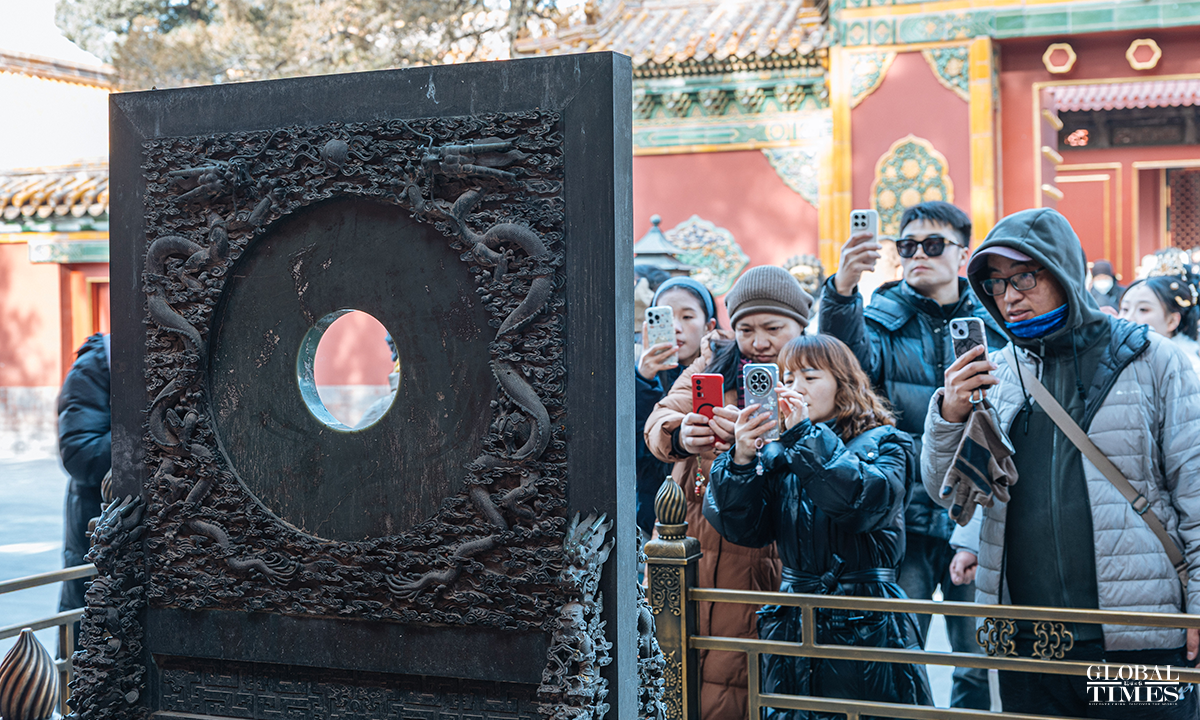 |
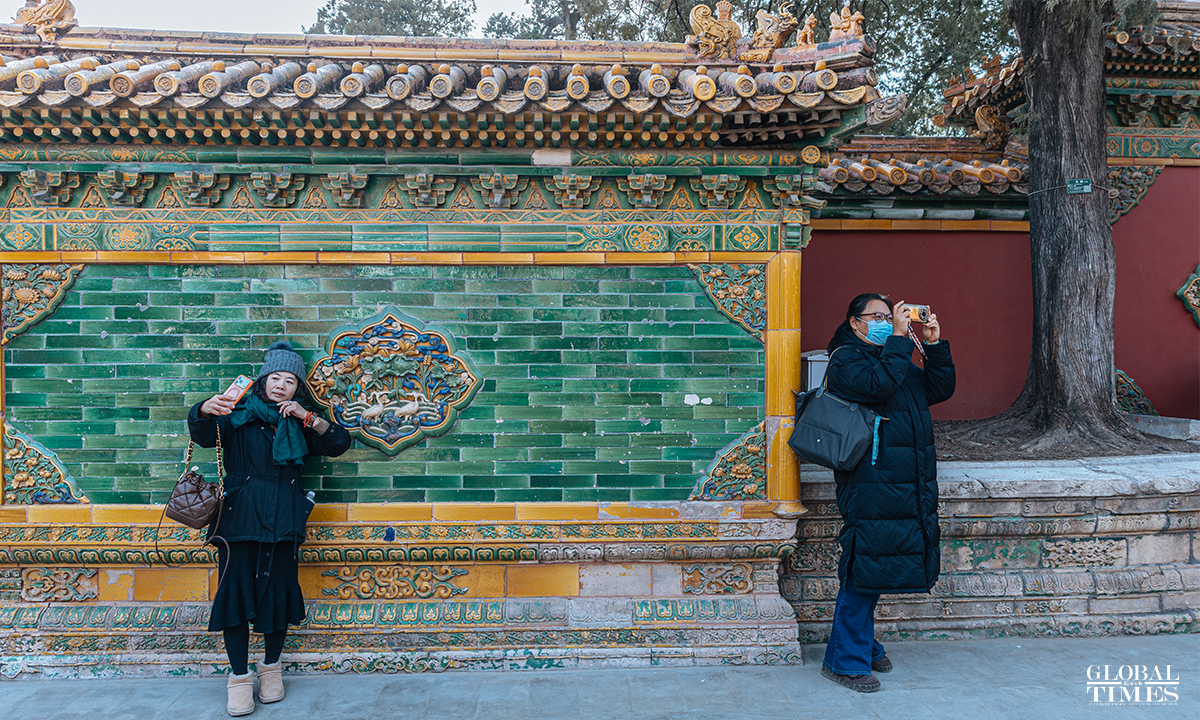
As a "jewel" in the treasure trove of Chinese cultural heritage, the Palace Museum currently houses countless national treasures and holds a special place in heritage preservation efforts. The Hall of Cultivating the Mind, in particular, and its artifacts have undergone nearly a decade of preservation based on in-depth research and systematic restoration. |
 |
The reputation of the Hall of Cultivating the Mind is closely associated with the West Warm Pavilion, where Qing emperors received officials and reviewed memorials. However, the space that intrigues many visitors the most is the Three-Sided Hall – the imperial private study, located in a small adjacent room, which once housed three famous calligraphy scrolls dating back approximately 1,600 years. |
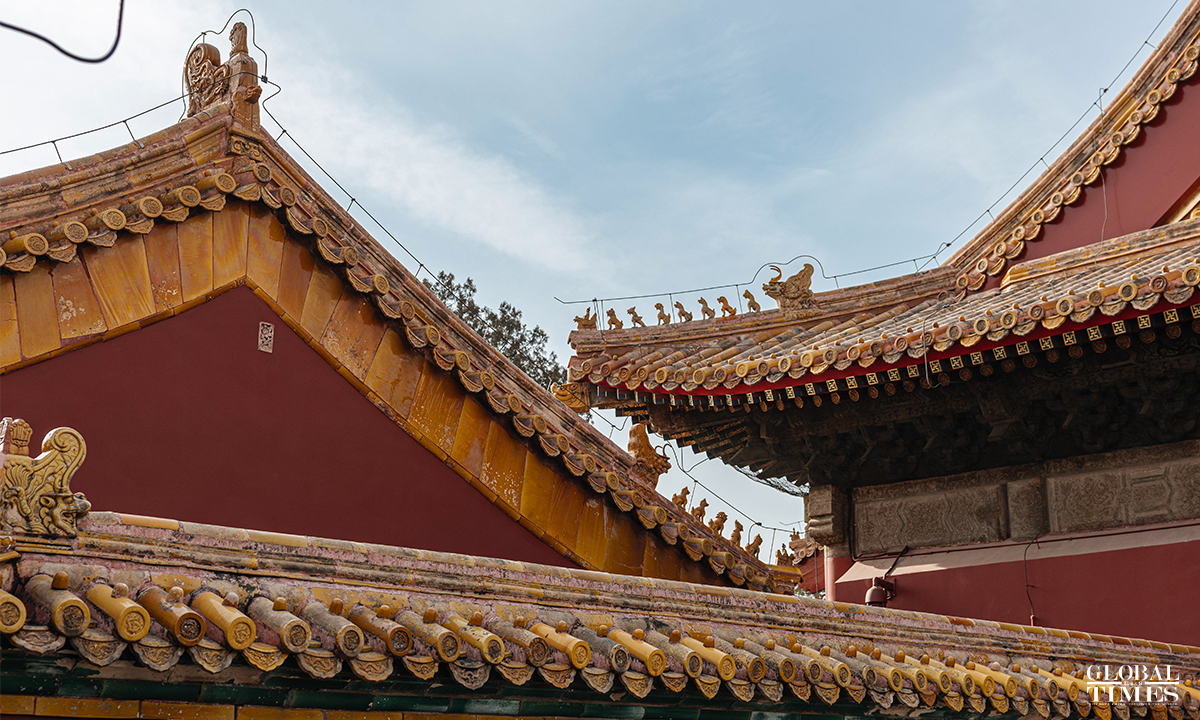 |
The restoration project is being carried out with a research-based conservation approach, incorporating modern technical solutions to ensure the long-term sustainability of the monument. Improving environmental conditions within the palace is considered a key factor in protecting the valuable historical artifacts currently housed there. |
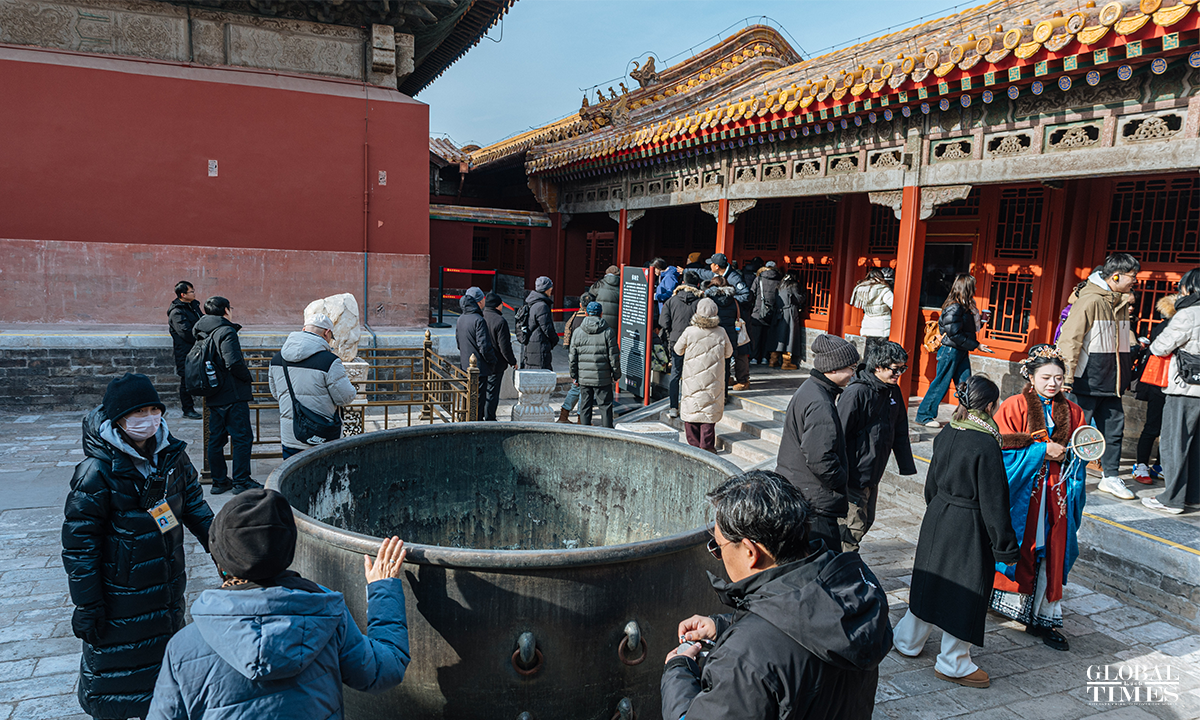 |
"We adhere to the principle of preserving the original state of the monument and minimizing intervention," said Zhao Bang, head of the Ancient Architecture Department at the Palace Museum. |
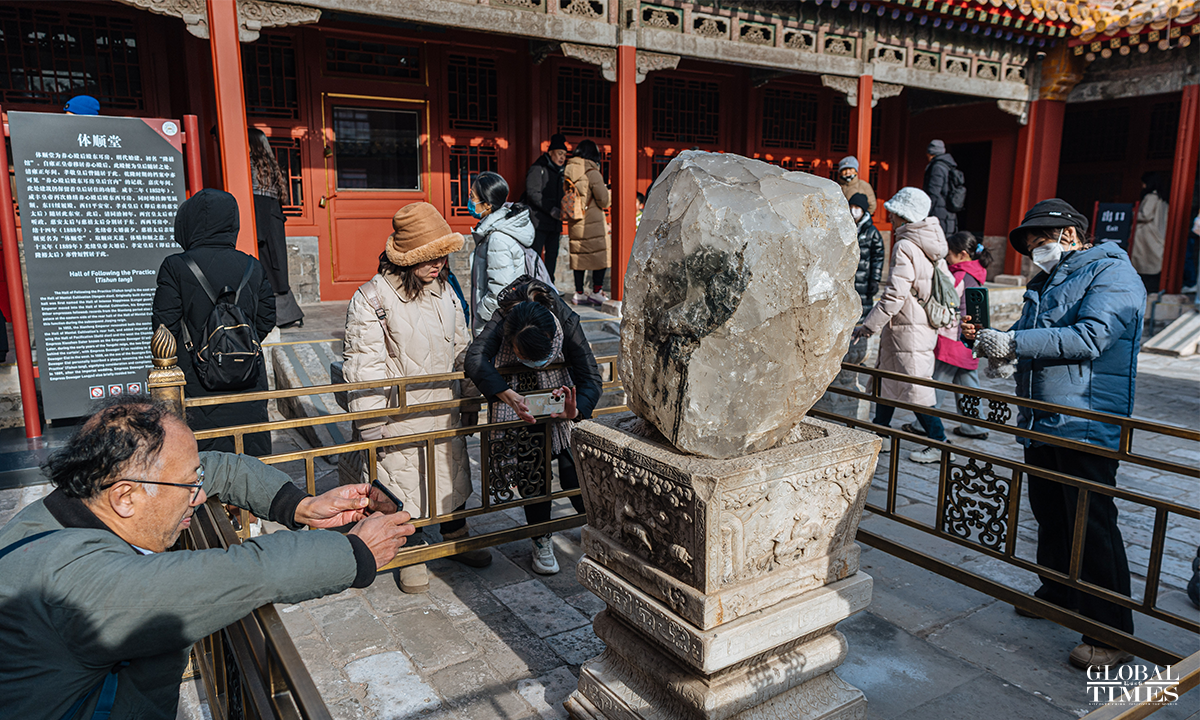 |
Another visitor, surnamed Thai, commented that the restored interior had exceeded expectations. "The caisson ceiling alone overwhelmed me," he remarked, expressing his admiration for the decor at Tam Hy Đường and the exquisitely crafted writing implements. |
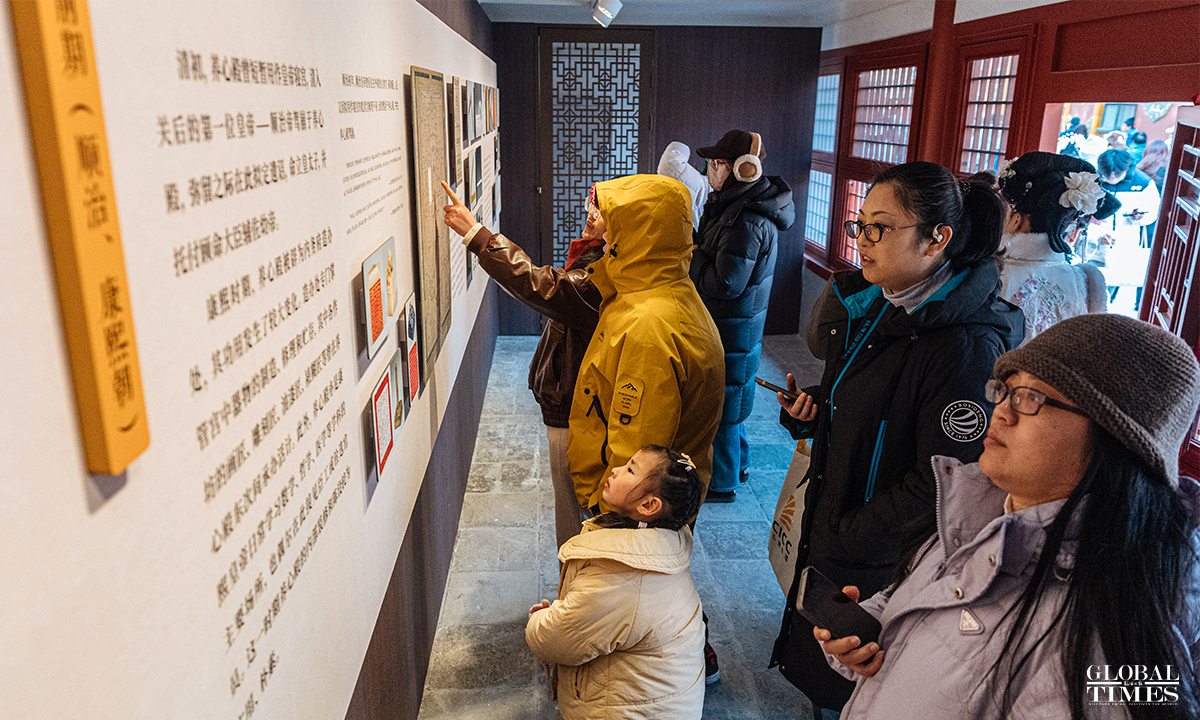 |
According to Mr. Van Minh, Deputy Head of the Imperial History Department of the Forbidden City Museum, there are currently a total of 1,020 artifacts on display at the Duong Tam Dien (Palace of Cultivating the Mind). Except for artifacts sensitive to light such as silk, calligraphy, paintings, horizontal plaques, and couplets, all the exhibited artifacts are originals. |
 |
In addition to the live exhibition, the Palace Museum will also launch a digital exhibition about the Hall of Cultivating the Mind, allowing visitors to "experience" traditional New Year rituals through interactive devices, or observe the emperor writing prayers for peace in a virtual space. |
 |
In recent years, growing interest in culture and history has boosted museum visits across China. During the eight-day National Day and Mid-Autumn Festival holiday in October, museums nationwide welcomed nearly 86.3 million visitors, an increase of 11.42 million compared to the same period in 2024. China currently has over 7,000 registered museums, with more than 90% offering free admission. |
Source: https://znews.vn/duong-tam-dien-lan-dau-mo-cua-sau-10-nam-post1615076.html
![[Image] Hanoi's urban life under the challenge of a "scorching hot" environment](https://vphoto.vietnam.vn/thumb/1200x675/vietnam/resource/IMAGE/2026/05/25/1779706979265_nang-nong-t5-2026-minh-duy-7-4636-jpg.webp)

![[Image] Close-up view of the interchange connecting the two expressways and Long Thanh Airport.](https://vphoto.vietnam.vn/thumb/1200x675/vietnam/resource/IMAGE/2026/05/25/1779703378210_ndo_br_z7863716673926-224453a31600126cce10622af6290afd-4549-jpg.webp)
































































Comment (0)