

SGGP
The European Union's (EU) plan to tax aviation fuel has encountered obstacles as the bloc's 27 member states have yet to agree on pricing levels for green fuels versus fossil fuels.
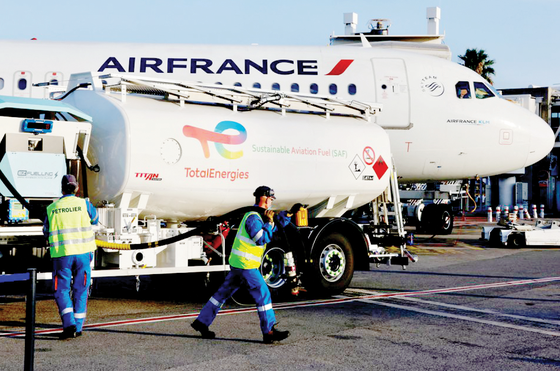 |
| Refueling a flight in France. Photo: RAUTERS |
There are still many disagreements.
EU member states are negotiating a reform of the energy tax system, which has remained unchanged since 2003, to align with climate goals, including taxes on aviation fuel. However, two years after the bill was first proposed, the EU has yet to reach a consensus on the matter. Member states remain at odds on several issues, including the imposition of taxes on certain fuels that are currently untaxed or only subject to low taxes.
An EU diplomatic official said the aforementioned disagreement is unlikely to be resolved between now and the end of the year. Meanwhile, a spokesperson for the European Commission stated that the energy tax reform would eliminate outdated exemptions. Under the EU proposal, the minimum tax on aviation fuel for flights within Europe would gradually increase over 10 years, while sustainable aviation fuel would be tax-exempt for 10 years to encourage its use. However, some EU member states disagree with this measure, arguing that taxing aviation fuel could lead to higher fuel prices for citizens ahead of next year's European Parliament elections.
The EU also proposed higher minimum taxes on polluting fuels like gasoline, and lower rates for electricity and sustainable fuels. Supporters of the EU proposals argue that the new taxes would make low-carbon transport options like electric trains more competitively priced compared to fossil fuel flights, while also generating revenue for governments to invest in sustainable fuel options.
No optimal solution has been found yet.
Under the EU fuel tax system, member states can tax aviation fuel nationwide and between member states, making flights within the EU relatively inexpensive compared to other modes of transport. However, only a few EU members, such as the Netherlands and Germany, implemented fuel taxes on commercial domestic flights between 2005 and 2011. Due to implementation complexities and low revenue, the Netherlands discontinued this tax on domestic commercial flights in 2012.
The EU also operates an emissions trading scheme (ETS), in which companies pay a fixed price per tonne of carbon emissions. Historically, airlines have received subsidies that significantly reduced their carbon-related costs. As part of the EU's ambitious plan to reduce carbon emissions by 55% by 2030, proposals have been put forward to gradually reduce these subsidies, eventually reaching 0% by 2027.
In Canada, tax policies on aviation fuel share some similarities with the EU, with provinces like Alberta offering tax breaks for flights with international destinations. Canada also implements additional indirect taxes on fuel through carbon pricing, similar to the EU's ETS program, which sets a price for carbon emissions to incentivize emission reductions.
Source



![[Image] Close-up view of the interchange connecting the two expressways and Long Thanh Airport.](https://vphoto.vietnam.vn/thumb/1200x675/vietnam/resource/IMAGE/2026/05/25/1779703378210_ndo_br_z7863716673926-224453a31600126cce10622af6290afd-4549-jpg.webp)

![[Image] Hanoi's urban life under the challenge of a "scorching hot" environment](https://vphoto.vietnam.vn/thumb/1200x675/vietnam/resource/IMAGE/2026/05/25/1779706979265_nang-nong-t5-2026-minh-duy-7-4636-jpg.webp)





























































































Comment (0)