

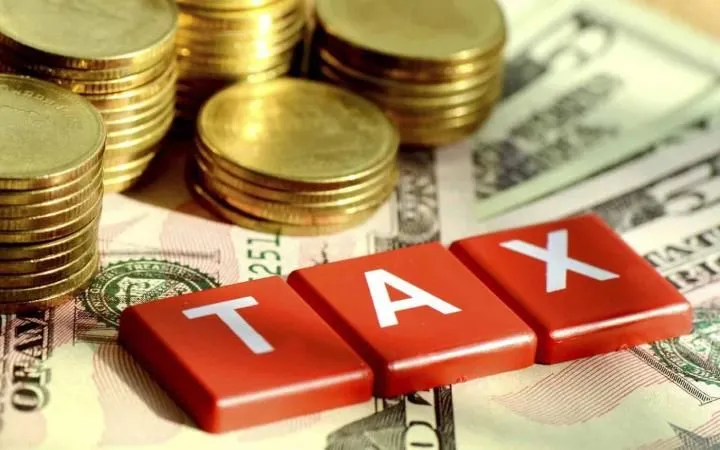
Many partners react to the US tariff proposal.
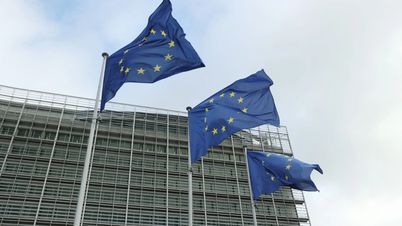
The European Union (EU) has reacted strongly to the Trump administration's plan to impose new tariffs, calling the measures "unreasonable," "baseless," and a risk of undermining transatlantic trade agreements.
The latest move by the US comes as the Trump administration seeks to reinstate a series of large-scale tariffs following recent legal setbacks. This time, the White House cites the goal of combating forced labor in global supply chains as the basis for applying import surcharges to approximately 60 economies worldwide.
According to a proposal from the U.S. Trade Representative (USTR), trading partner countries and regions would be subject to additional tariffs ranging from 10% to 12.5%, depending on the U.S. assessment of the effectiveness of anti-forced labor measures in each country.
U.S. Trade Representative Jamieson Greer argued that the failure of many major trading partners to adequately address products manufactured using forced labor has created an unfair competitive environment for American workers. He stated that this situation puts American businesses and workers at a disadvantage in the global market.
However, this argument met with strong opposition from Brussels. A spokesperson for the European Commission (EC) stated that the new tariff measures were "unjustified" and inconsistent with the spirit of trade cooperation between the two sides.

Bernd Lange, chairman of the European Parliament's International Trade Committee, was even more critical. He argued that the allegations of forced labor used by the US to justify the tariffs were "completely absurd." According to Lange, following recent legal setbacks in the US, the Trump administration is seeking new legal grounds to maintain its protectionist trade policies. He asserted that Washington appears to be exploiting every possible pretext to legitimize existing tariffs or prepare for new tariff measures in the future.
According to the USTR's proposal, several economies, including the EU, the UK, Canada, and Mexico, would face an additional 10% tariff. The US argues that these economies already have regulations in place to prevent forced labor, but their effectiveness has not met Washington's requirements. The remaining countries on the list are expected to face even higher tariffs, up to 12.5%.
The EU completely rejects this assessment. Bernd Lange emphasized that the EU had already issued, by the end of 2024, what is considered the world's strictest regulation on products related to forced labor. European businesses are also now required to comply with stringent requirements for supply chain transparency and product traceability. Therefore, according to Brussels, the US's justification for imposing tariffs on European goods based on forced labor is unconvincing.
The EU's position is also based on previously reached bilateral trade agreements. An agreement signed last year stipulated that US import tariffs on European goods would be limited to 15%, in exchange for the EU gradually removing some trade barriers. However, many provisions of this agreement have yet to be ratified, making the balance achieved between the two sides fragile.
It's not just Europe that opposes Washington's plan. China has also voiced strong criticism, arguing that the new tariffs are unilateral and rejecting the allegations of forced labor that the US is using as the basis for its trade measures.
Meanwhile, the USTR said it would apply some exceptions to areas deemed strategic or sensitive, including energy, rare earth elements, certain critical metals, agricultural products, and aerospace components. The agency also opened a public consultation period until July 6th before holding hearings in Washington to finalize the proposal.

Recent developments indicate that trade tensions between the US and its major partners are at risk of escalating again. If implemented, the Trump administration's tariff plan would not only affect transatlantic economic relations but could also increase trade disputes globally, at a time when the world economy is already facing significant uncertainty.
Source: https://vtv.vn/eu-phan-doi-ke-hoach-ap-thue-moi-cua-my-100260604150207201.htm



























































![[Video] Sunset at Lap An Lagoon – Where the sun sets over the fishing nets](https://vphoto.vietnam.vn/thumb/1200x675/vietnam/resource/IMAGE/2026/05/31/1780192137701_beach-landscape-sea-water-nature-grass-745871-pxhere-com.jpeg)




































Comment (0)