

The crisis in the Middle East is putting direct pressure on the European transport sector. Facing the risk of widespread disruption, the European Commission has just published new guidelines to support carriers while protecting passenger rights.
The European Commission said the new guidance focuses on the aviation sector, amid concerns about a potential fuel shortage if the Middle East crisis persists. Accordingly, the EU clarifies regulations related to refueling, fuel surcharges, airport takeoff and landing schedules, public service flights, and passenger rights.
It's worth noting that passengers whose flights are canceled are entitled to refunds, itinerary changes, airport assistance, and compensation in the case of last-minute cancellations. Airlines are only exempt from compensation if they can prove the cause was due to unforeseen circumstances, such as a local fuel shortage. However, a sharp increase in fuel prices is not considered a force majeure event.
The European Commission emphasized that airlines must publicly disclose the final ticket price from the outset and are not allowed to charge additional fuel surcharges after passengers have purchased their tickets. To avoid disruptions to some routes, the EU allows greater flexibility in regulations regarding refueling and takeoff and landing times if operations are genuinely affected by fuel shortages.
For public service flights, member states are encouraged to use flexible contracts to maintain operations when fuel costs rise too high.
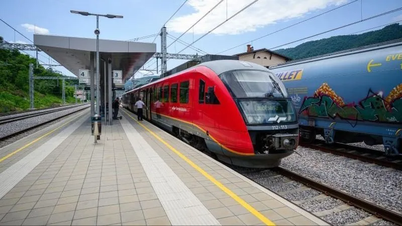
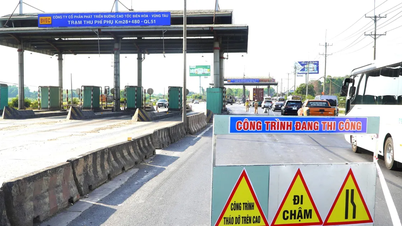
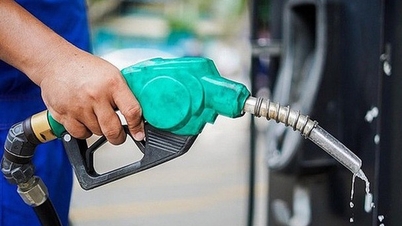
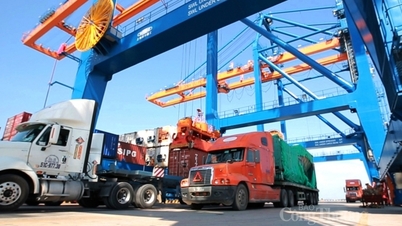
In addition to aviation, the European Commission also approved a temporary state support framework for road, rail, inland waterway and maritime transport, especially those sectors affected by rising diesel prices.
Source: https://vtv.vn/eu-ra-huong-dan-khan-ung-pho-khung-hoang-van-tai-100260509102201483.htm





























































































Comment (0)