

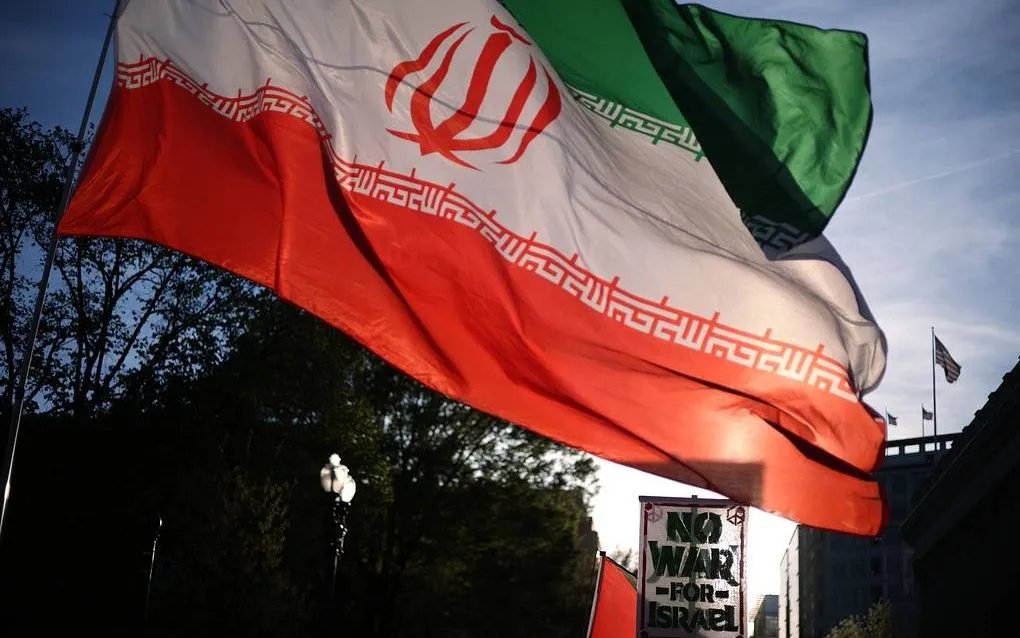
(Illustrative image: Getty Images)
During the planned extension of the ceasefire, negotiations for a comprehensive peace agreement between the US and Iran will continue. It is expected that during the ceasefire, maritime traffic through the Strait of Hormuz will resume, and Iran will be able to sell its oil freely.
US State Department spokesman Tommy Pigott added: "The United States will address the fact that some NPT member states do not take the threat posed by Iran to global nuclear non-proliferation seriously in its subsequent dialogues."
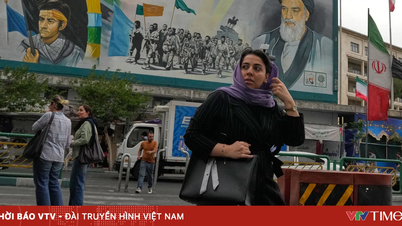
The US and Iran are sending positive signals regarding the progress of negotiations between the two sides, although differences remain on the nuclear program and regional security issues.

US Secretary of State Marco Rubio (Photo: AP)
US Secretary of State Marco Rubio reiterated Iran's position on May 24 that it must not possess nuclear weapons, and said that " the world may receive good news in the next few hours" regarding an agreement between the US and Iran.
Earlier, President Donald Trump said that the agreement concerning the Strait of Hormuz was essentially complete, with only a few final issues remaining to be addressed.
Meanwhile, Tehran said it had not agreed to hand over its stockpile of highly enriched uranium, and affirmed that negotiations regarding its nuclear program would continue. The Islamic Republic stressed that any final decision required the approval of Iran's Supreme Leader.
Despite the conflict lasting for weeks, Iran is believed to have maintained its stockpile of enriched uranium near nuclear-grade levels, as well as the capability to manufacture missiles, drones, and proxy forces.
Source: https://vtv.vn/my-va-iran-du-kien-gia-han-lenh-ngung-ban-100260525075744016.htm
![[Image] Close-up view of the interchange connecting the two expressways and Long Thanh Airport.](https://vphoto.vietnam.vn/thumb/1200x675/vietnam/resource/IMAGE/2026/05/25/1779703378210_ndo_br_z7863716673926-224453a31600126cce10622af6290afd-4549-jpg.webp)
![[Image] Hanoi's urban life under the challenge of a "scorching hot" environment](https://vphoto.vietnam.vn/thumb/1200x675/vietnam/resource/IMAGE/2026/05/25/1779706979265_nang-nong-t5-2026-minh-duy-7-4636-jpg.webp)






















































Comment (0)