

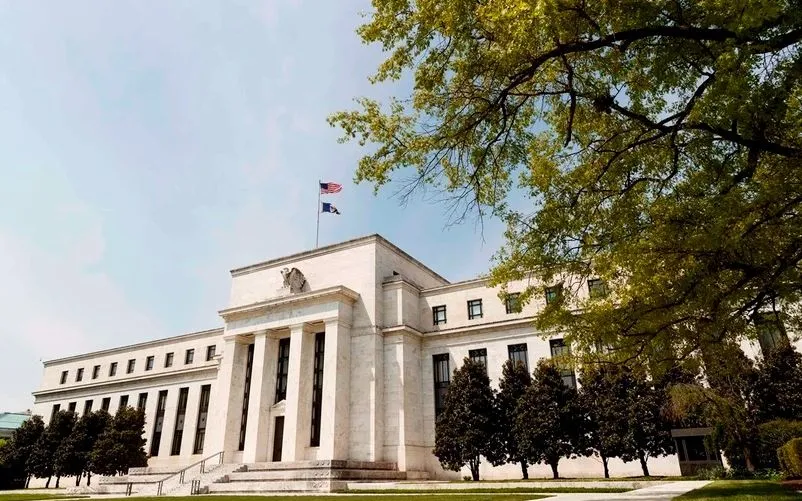
Challenges awaiting the new Fed Chairman
Hours ago, the US Senate officially confirmed Kevin Warsh as Chairman of the Federal Reserve (Fed), replacing Jerome Powell when his term ends in June. Warsh, 56, will serve at the central bank for the second time. His confirmation comes amid inflation remaining above the Fed's 2% target and increasing supply chain price pressures.
Analysts believe that recent inflation figures make it difficult for Mr. Wash to have enough flexibility to cut interest rates in June – the time when he will chair the Fed's policy meeting for the first time on June 16-17.
New economic reports released this week show inflation remains above the Fed's 2% target, and the data also indicates that price pressures in the supply chain are increasing at the fastest rate in over three years. Financial markets are now lowering expectations for a Fed interest rate cut and are even beginning to consider the possibility of a rate hike this year.
Previously, President Donald Trump had repeatedly and publicly expressed his desire for the Fed to lower interest rates and had criticized Powell for what he considered to be overly tight monetary policy.
Mr. Warsh was confirmed in what was considered the most divisive vote ever regarding the position of head of the Fed. Senator John Fetterman of Pennsylvania was the only Democrat to support Mr. Warsh.
The new Fed chairman is a former Morgan Stanley banker who served as Fed governor during the 2008 financial crisis and played a key role in bridging the gap between the central bank and Wall Street.
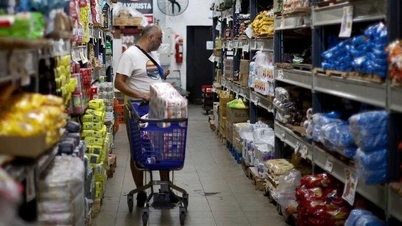
Inflation in the US has been above the Fed's 2% target for more than five years and is now worsening due to rising energy costs related to conflict in the Middle East. The Fed forecasts it may take another two years for inflation to return to its target – a period that risks eroding public confidence that long-term prices will remain stable.
This context presents Mr. Warsh with a dilemma for which the Fed has no clear solution. Raising interest rates to combat inflation risks exacerbating any economic slowdown caused by the conflict. Lowering interest rates to support the economy risks further escalating prices. And even keeping interest rates unchanged has its own cost: When inflation heats up, unchanged interest rates mean that policy becomes more accommodative in practice, giving households and businesses less reason to cut spending and potentially adding fuel to the fire.
Source: https://vtv.vn/fed-sap-co-chu-tich-moi-100260514091051964.htm

![[Photo] General Secretary and President To Lam presides over a working session with the Central Policy and Strategy Committee on the development of the materials industry.](https://vphoto.vietnam.vn/thumb/1200x675/vietnam/resource/IMAGE/2026/05/21/1779359935432_a3-bnd-3129-1412-jpg.webp)









































































Comment (0)