

The original work, Beauty and the Beast, is recorded as having first appeared in 1740 by the French novelist Gabrielle-Suzanne Barbot de Villeneuve. The story has since been modified over the centuries, incorporating other motifs to become familiar over time.
Just three decades after its release, the work had spread widely throughout Europe and appeared in many forms, such as the opera Zémire et Azor, which premiered in 1771 and achieved resounding success, further boosting the story's popularity.
However, its greatest success was undoubtedly the animated version by Walt Disney Pictures in 1991. This was followed by several live-action adaptations in France and the United States, which brought fame to actresses Léa Seydoux and Emma Watson.
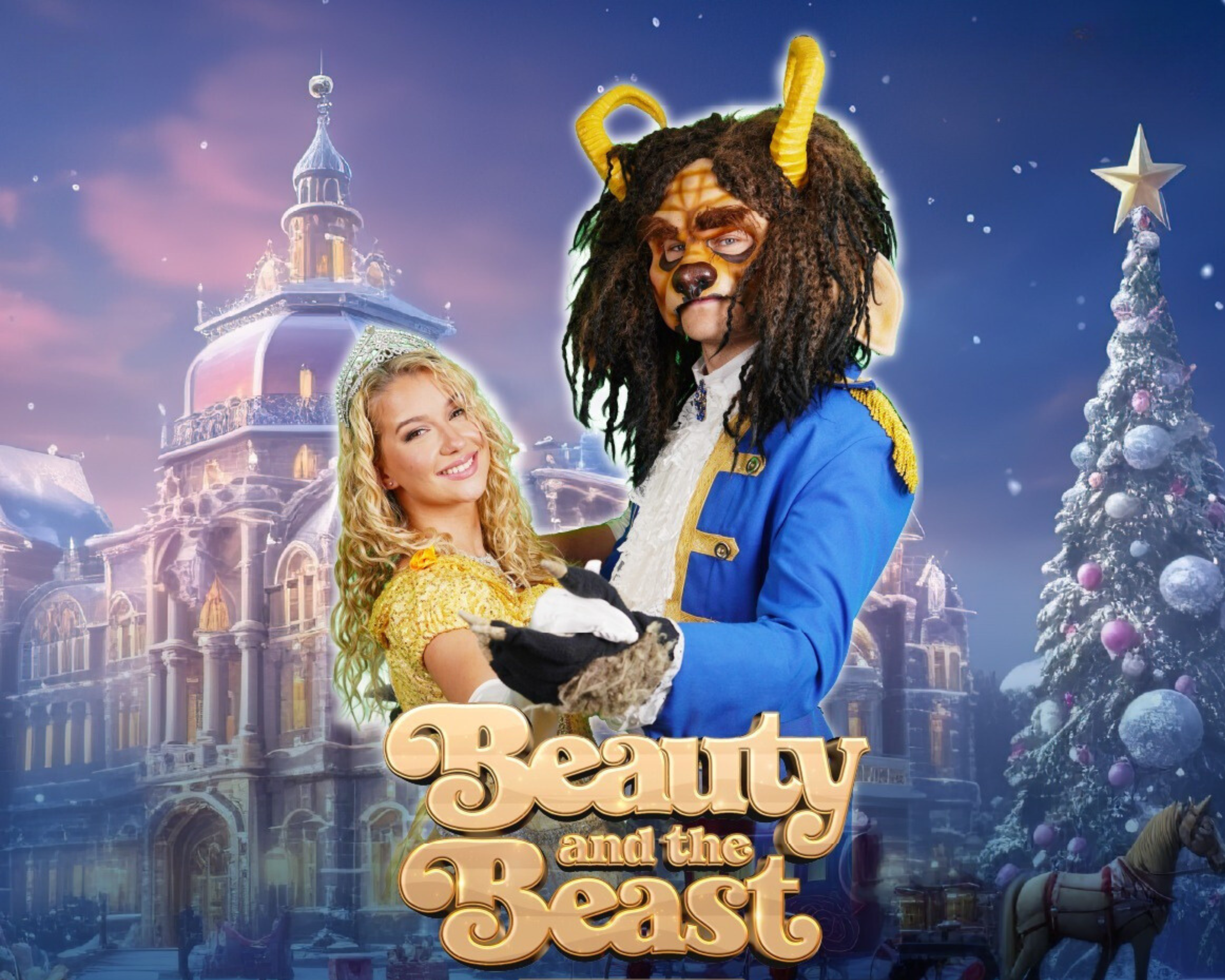
Beauty and the Beast raises the issue of the connection between two souls.
Revolving around a beautiful love story challenged by prejudice, the narrative raises the question of the harmony between two souls. From a modern perspective, Princess Belle also represents strong women who, despite being placed in an unavoidable situation, know how to live with and adapt to it in order to achieve happiness.
In this particular panto version of Beauty and the Beast , audiences will encounter a completely new Belle, one who is strong, decisive, and possesses a fascinating personality. Presented in panto format, this will be an opportunity for audiences to interact directly with the main character and become deeply involved in the story.
In this version, Belle becomes strong, mischievous, and unafraid to step outside the familiar confines of the fairy tale. She brings with her a sense of humor and bold personality traits never before seen, making every moment on stage surprising and delightful.
Furthermore, the panto version of Belle is not only a symbol of love and compassion, but also an inspiration for courage and strength of character. This promises to be a Belle that both adults and children will love and feel connected to – a fairytale character that is very relatable and captivating to the audience.
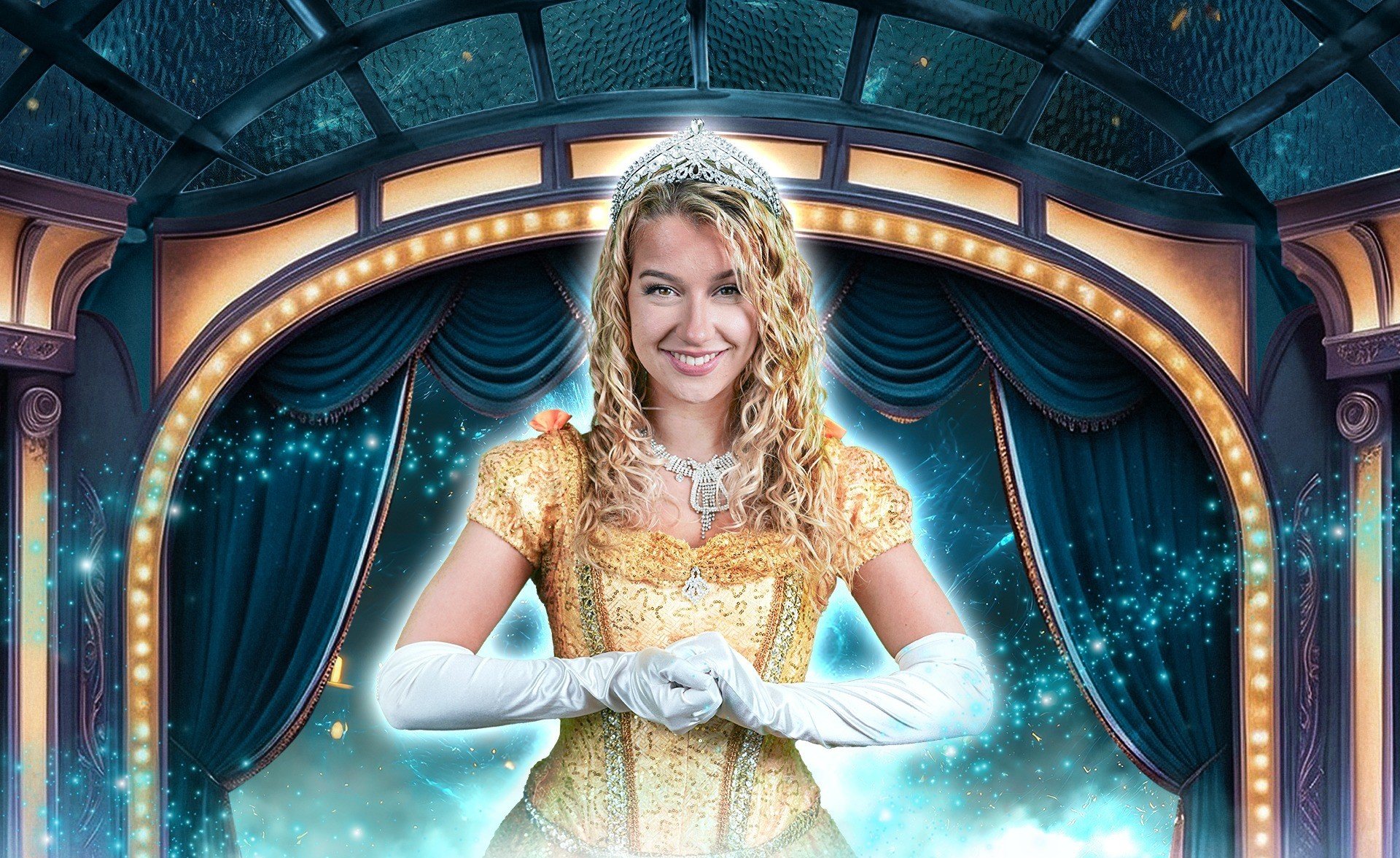
In this panto version of Beauty and the Beast, audiences will encounter a completely new Belle.
Besides Belle, another character prominently portrayed is Gaston – the villain who wants to marry Belle but cannot. This character rarely appears in either the 1991 animated or live-action versions, so the panto performance introduces audiences to new characters and a fresh storyline.
The upcoming performance of Panto Beauty and the Beast is an attempt to bring the distinctive British essence of this art form to Vietnamese audiences. However, language is not a barrier to enjoying pantomime; in fact, with its combination of comedy, music , and interaction, children can even interact with the actors, truly immersing themselves in the play's atmosphere to understand and enjoy it.
In England, pantomime is the first theatrical performance a child is introduced to, creating initial interest before they move on to more advanced forms like musicals. Therefore, it can be said that pantomime is an effective way for parents to teach their children a foreign language this Christmas , while also allowing parents to relive cherished childhood memories.
Panto Beauty and the Beast will take place at Hoa Binh Theatre (Ho Chi Minh City) from December 6 to 8 and at the Vietnam-Soviet Friendship Cultural Palace ( Hanoi ) from December 13 to 17.
Tickets for the show range from 650,000 VND to 1,500,000 VND. Audiences can purchase tickets at https://amovietnam.vn/pantomines-beauty-and-the-beast/
Children taller than 1 meter require a separate seat ticket, and those under 16 must be accompanied by a guardian, adult, or relative.
Source: https://thanhnien.vn/gia-tri-truong-ton-cua-beauty-and-the-beast-185241204142250737.htm

































![[Video] Sunset at Lap An Lagoon – Where the sun sets over the fishing nets](https://vphoto.vietnam.vn/thumb/1200x675/vietnam/resource/IMAGE/2026/05/31/1780192137701_beach-landscape-sea-water-nature-grass-745871-pxhere-com.jpeg)































Comment (0)