

According to Clause 1, Article 3 of Decree 44/2022/ND-CP, real estate inventory is defined as the number of real estate properties in a project that meet the legal requirements for transaction but have not been transacted during the reporting period.
What criteria are used to determine inventory levels?
According to the latest report from the Ministry of Construction , the inventory of real estate in projects in the first quarter of 2024 in 56 provinces and cities nationwide was approximately 23,029 units (including apartments, detached houses, and land plots), of which: 3,706 were apartments; 8,468 were detached houses; and 10,855 were land plots. Therefore, it can be seen that the majority of the inventory is in the detached house and land plot segments of projects.
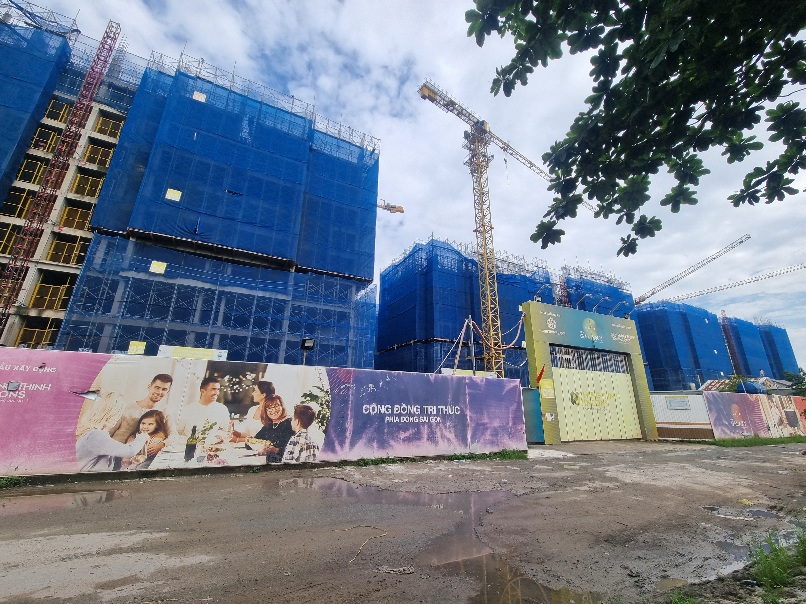 |
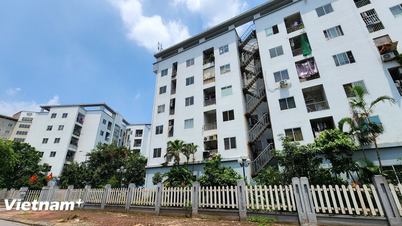
| The Ministry of Construction stated that there are currently 3,706 unsold apartment units, however, the actual number is much higher. |
According to Mr. Vo Hong Thang, Director of R&D at DKRA Group, real estate inventory refers to the number of products in a real estate project that have not been successfully sold.
According to Mr. Thang, the inventory data is compiled from figures reported by real estate businesses in accordance with Clause 1, Article 3 of Decree 44/2022/ND-CP. According to the Decree, real estate inventory is the number of properties in a project that meet the legal requirements for transaction but have not been transacted during the reporting period.
The reporting period will be quarterly, and the investor will report project information and transaction status (including real estate inventory information) according to Forms No. 10 and 12 attached to Decree 44/2022/ND-CP.
Specifically, Form No. 10 includes information and data about real estate projects and real estate products eligible for transaction; Form No. 12 includes information and data on the real estate transaction status of the project.
The reality is different from the data.
Real estate businesses argue that the inventory figures published by the Ministry of Construction are not entirely accurate. Mr. Ha Van Thien, Deputy General Director of Tran Anh Group, stated that currently, the companies reporting inventory figures are those listed on the stock exchange.
Unlisted real estate companies will only report in their annual financial statements. There is even unverified information about how real estate companies are "circumventing" regulations, suggesting that some developers who haven't sold their properties have their employees purchase them in their names, then borrow from banks to generate cash flow. When a buyer makes a purchase, the company settles the loan with the bank and sells the property to the actual buyer. This is considered a successful sale, but in reality, it remains inventory. Therefore, the published inventory figures may not be accurate.
According to Mr. Thien, the actual inventory is larger than the reported figures because there are a large number of unlisted real estate companies, many of which have numerous projects in various provinces and their inventory is sold over many years.
For example, in Binh Duong, there are quite a few apartment projects with complete legal documentation; however, sales volume is very low. Specifically, Danh Khoi Group's Astral City project, with 4,966 apartments, was launched in 2020, but only about 40% of the units have been sold so far. Le Phong Group has 3 projects currently on sale with complete legal documentation, and is in the handover phase for 2 projects, with nearly 1,000 units still unsold…
Furthermore, Binh Duong currently has dozens of projects that have been on the market for a long time and are nearly completed, but the developers are still offering unsold inventory. Meanwhile, according to data from the Ministry of Construction, the market currently has an inventory of approximately 3,706 apartments. Thus, it can be seen that the figures differ significantly.
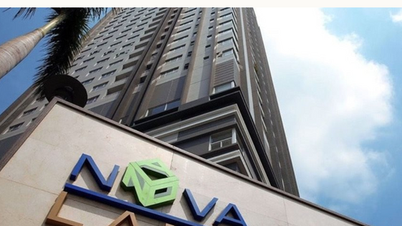
For example, in Ho Chi Minh City, in 2023, although there were few new projects launched, the supply of apartments was still considerable. For instance, the MT Eastmark City project in Thu Duc City, with nearly 2,000 apartment units, has been on sale since 2021 and is still being offered for sale by the developer. A project in District 1 by Novaland Group, launched in 2019, still has unsold units. An Gia Group's apartment project in Binh Chanh District, although already handed over, still has a large inventory of unsold units… However, at the beginning of 2024, the Ho Chi Minh City Department of Construction reported that the city currently has no unsold inventory.
Furthermore, a story about inventory worth mentioning is that after the financial difficulties from 2022 to the present, many customers who had placed orders for real estate products but lacked the financial means had to return them to the developer, resulting in a significant amount of unsold inventory.
In addition, basing the calculation of inventory on Clause 1, Article 3 of Decree 44/2022/ND-CP, which applies to projects eligible for trading according to the law, is also problematic.
For example, in Ho Chi Minh City, there are many projects that have been launched, constructed, and handed over to customers, but do not yet meet the legal requirements for transactions. Therefore, the developer and customers still only sign a deposit contract to reserve a unit, even though they have collected up to 95% of the product's value. Because these projects lack the necessary legal conditions, they are still considered undeveloped and cannot be counted as inventory if the units are not sold.
Source: https://baodautu.vn/batdongsan/giai-ma-so-lieu-hang-ton-kho-bat-dong-san-d219682.html



![[Image] Nearly 125,000 Hanoi students completed the Literature exam for the 10th grade entrance exam.](https://vphoto.vietnam.vn/thumb/1200x675/vietnam/resource/IMAGE/2026/05/30/1780117233041_ndo_br_thiet-ke-chua-co-ten-2-png.webp)





























































































Comment (0)