

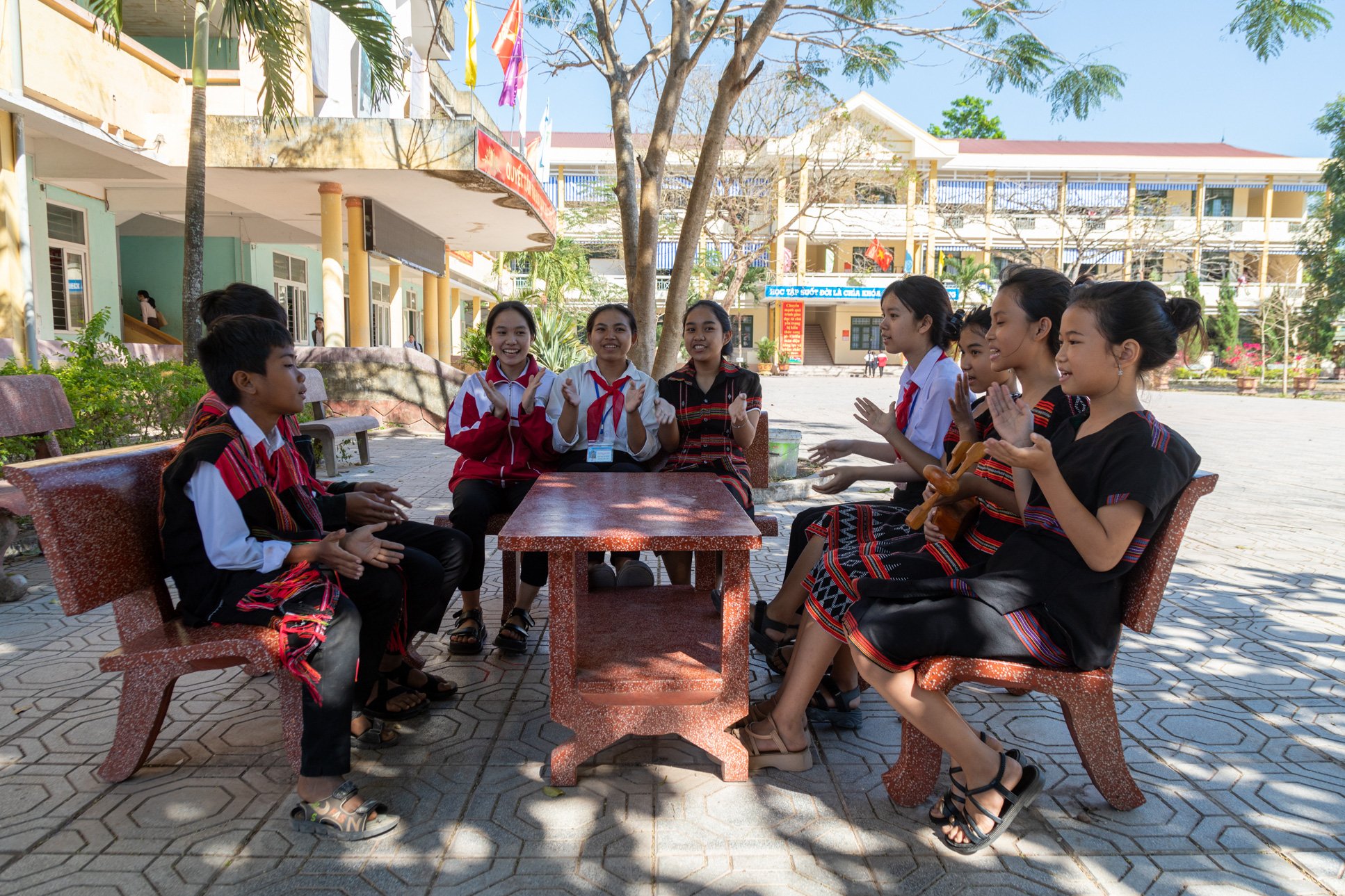
Members of the Pa Kô folk song club take advantage of the time to practice singing on the schoolyard benches - Photo: HOANG TAO
On a park bench during recess, more than 10 students from the Pa Kô folk music club enthusiastically played and practiced the song Kanaum . The simple, unpretentious yet captivating Pa Kô singing echoed through a corner of the schoolyard. Outside, many other students listened intently.
Wild and rustic melodies
Having taught for many years in the mountainous western region of Quang Tri province, teacher Tran Thi Thanh Huyen heard many artisans sing the heart-stirring Pa Ko folk melodies.
They have folk songs with interesting and captivating melodies, but these are gradually fading away because they only have spoken language and no written script.
"These folk songs are rustic and simple, singing about everyday life, labor, and production... The folk melodies were not written down but passed down orally. Some folk melodies and traditional musical instruments are disappearing," Thanh Huyen lamented.
At Dakrong Secondary and High School (Ta Rut commune, Dakrong district), 70% of the students are Pa Ko people, but only 28% know about Pa Ko folk songs and musical instruments.
In September 2023, the school established the Pa Kô folk song club with 12 members, which has now grown to nearly 30. Many members are from the Vân Kiều and Kinh ethnic groups but joined because they enjoy the Pa Kô singing style.
The club meets twice a week. However, the students often practice during recess right at the bottom of the stairs or on the benches.
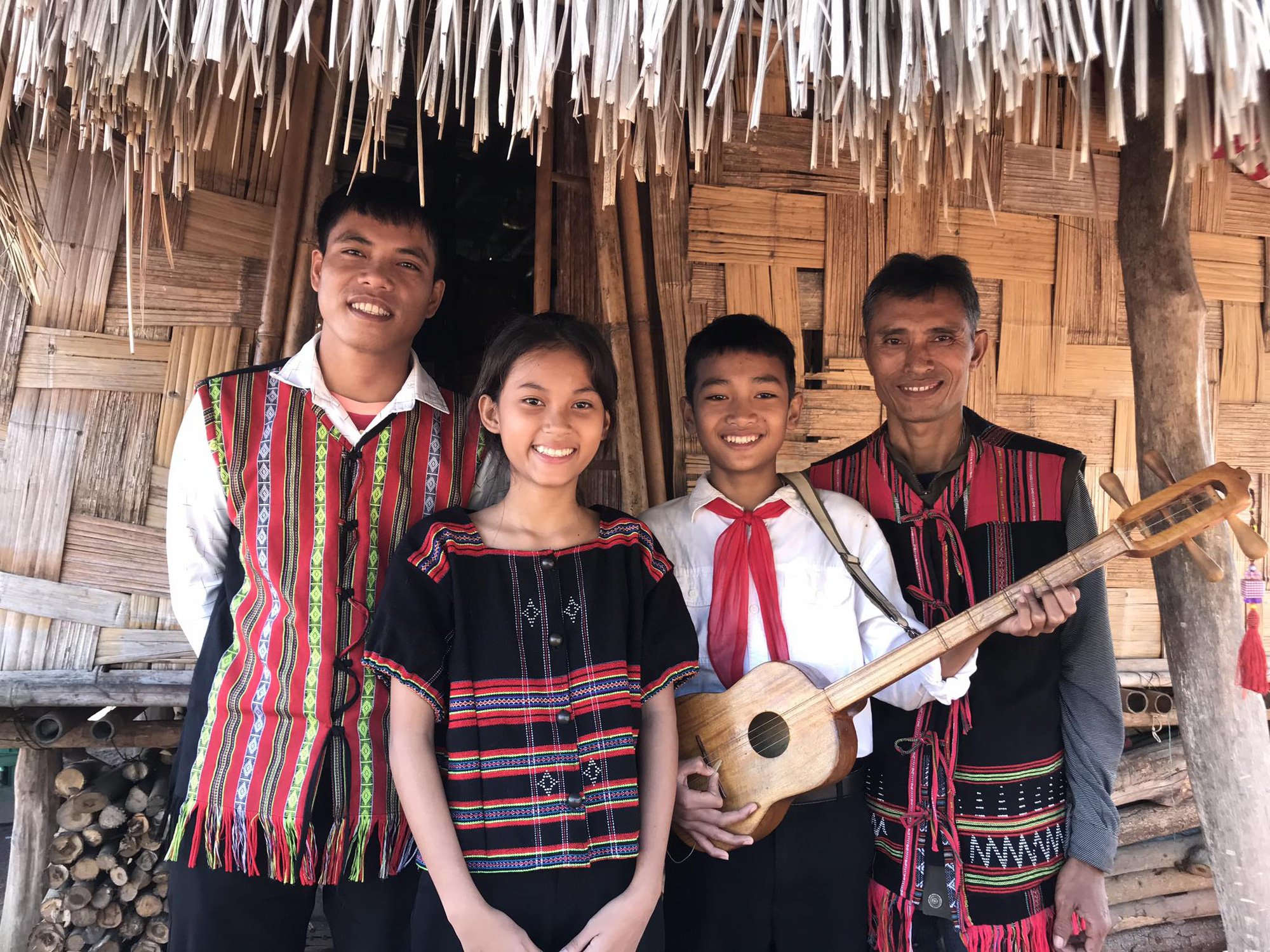
The club invited Pa Kô artisans to teach them how to sing and play traditional musical instruments - Photo: HOANG TAO
Vo Nguyen Nhu Y, a student in class 8A, said she has mastered the song "The Sound of Cicadas on the Mountaintop" and is practicing "Kanaum" and "National Unity ." Some students are practicing musical instruments such as drums and the ta lu lute. Every week, the club performs during the flag-raising ceremony or extracurricular activities about folk culture.
The club also invites Pa Kô artisans to teach them how to sing and play musical instruments, and records videos so that the members can practice and pass on the knowledge.
Replenishing the source of tradition
Ho Thi Thanh Truc, a student in class 8A, expressed her joy at participating in the preservation of her own ethnic group's intangible cultural heritage. Since the fourth grade, Truc has been aware of the folk songs of the Pa Ko people and has practiced them on her own. However, due to a lack of companions, the results have not been significant.
"By joining the club, I received guidance from artisans and practiced singing with friends, so I improved a lot. I performed Pa Kô folk songs at the village's cultural night on New Year's Eve," Thanh Trúc proudly said.
Truc admitted that practicing singing was somewhat difficult because she relied solely on memory, but with effort and diligence, she could overcome it.
Meanwhile, Nhu Y commented that the Pa Ko melodies are very meaningful, unique, and captivating. "Some songs are exciting, some carry a touch of sadness from love, or melodies expressing longing for a friend. The Pa Ko language and singing style are different, so it requires perseverance to be able to sing them," Nhu Y said.
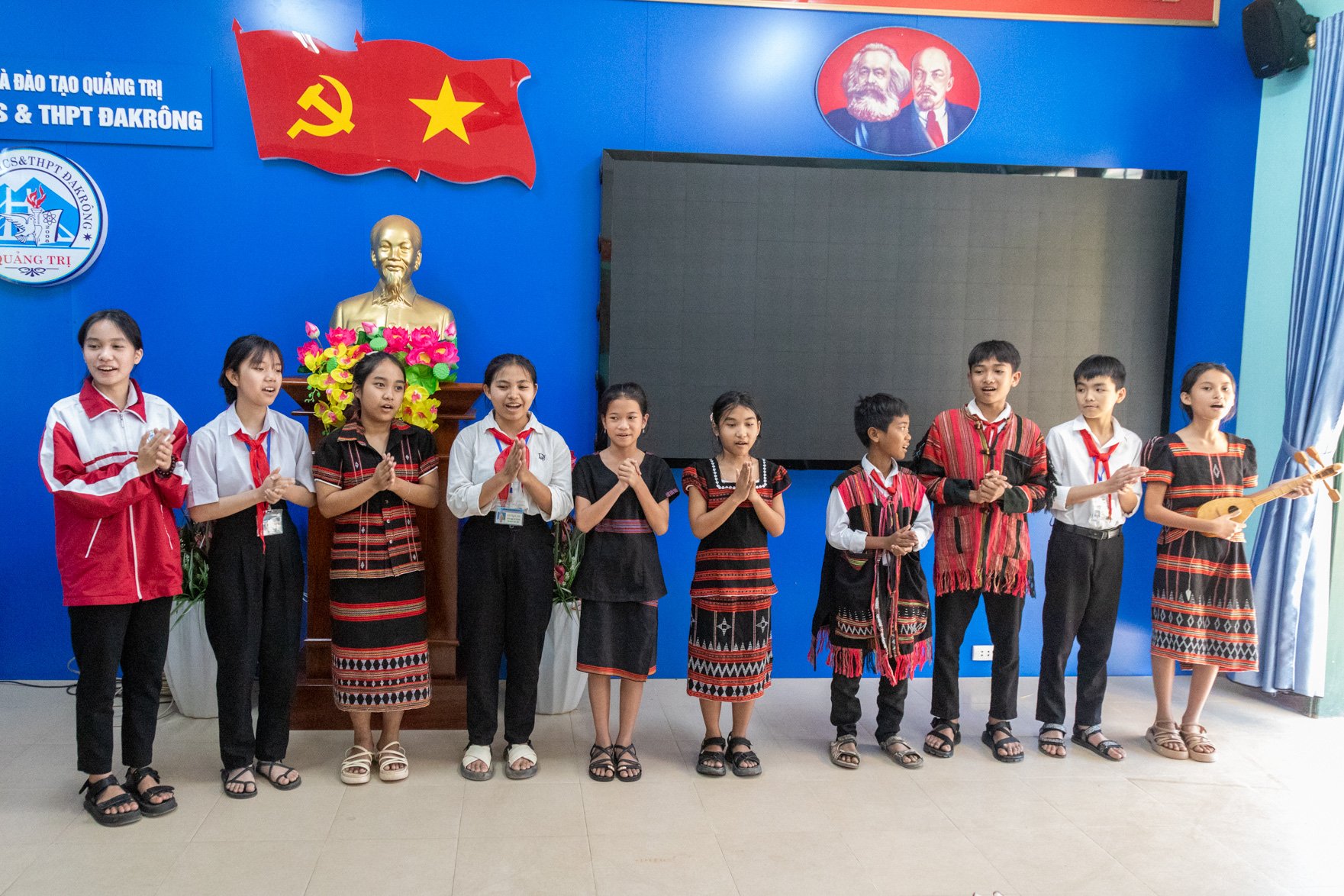
The Pa Kô Folk Song Club creates an environment for children to practice and further appreciate traditional folk songs - Photo: HOANG TAO
Artist Kray Sức commented: "Clubs in schools spread faster, and young people learn faster than older people. Children need to have a genuine love for folk songs to truly internalize and embody them."
Mr. Nguyen Khuong Chinh, the school's vice principal, said that at first, he found the Pa Ko folk songs strange, but later he appreciated the beautiful rhythm.
"The school is doing everything possible to help the students maintain and promote national traditions," Mr. Chinh said.
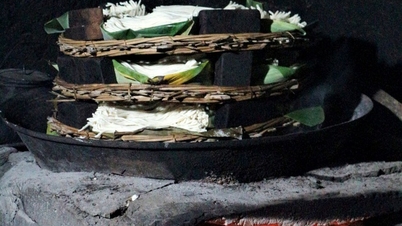
 Delicious and unique dishes of the Ta Oi, Pa Ko, and Co Tu people.
Source

![[Photo] General Secretary and President To Lam presides over a meeting on preparations for the review of one year of operation of the three-tiered government system.](https://vphoto.vietnam.vn/thumb/1200x675/vietnam/resource/IMAGE/2026/06/02/1780391821195_a1-bnd-4595-9717-jpg.webp)































































Comment (0)