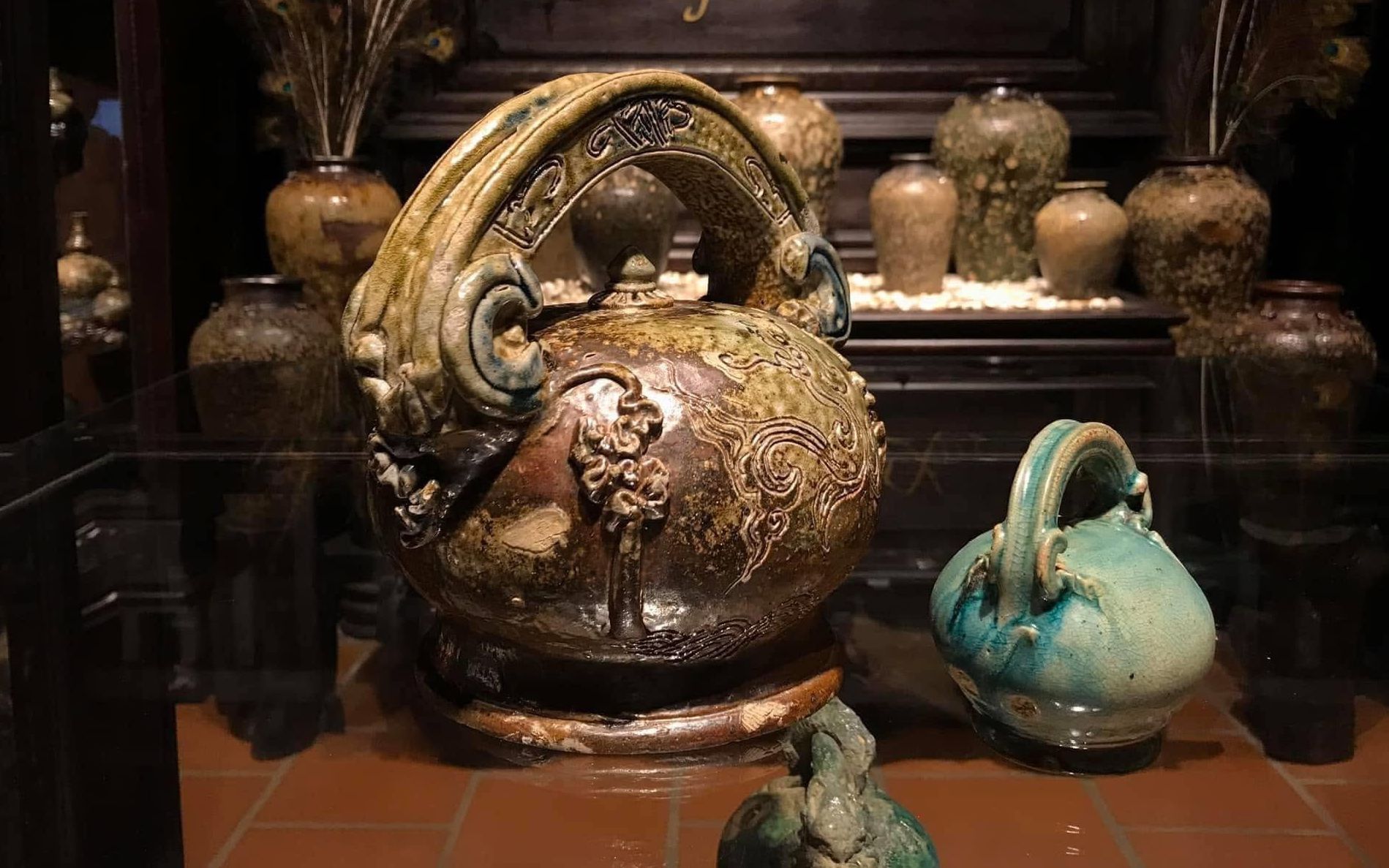
Quang Duc pottery - A unique masterpiece crafted from earth, fire, and blood clams.
Along the banks of the Cai River in Tuy An Bac (formerly Phu Yen), where the three branches of the Nhan My, Ngan Son, and Ha Yen rivers converge before flowing into Xuan Dai Bay, the story of Quang Duc pottery heritage continues to be told – memories of kilns that once blazed with fire.
A unique imprint from earth, fire, and blood clams.
More than three centuries ago, following in the footsteps of the Nguyen family potters from Go Sanh (formerly Binh Dinh province), a new style of pottery was born in this land, simple yet sophisticated, embodying the essence of a harmonious blend of Cham and Vietnamese cultures.
Unlike many other pottery styles, Quang Duc pottery is renowned for its rare firing technique and distinctive glaze colors. The main ingredient is An Dinh clay, mixed with fresh blood cockles from O Loan lagoon, a natural material that creates a miraculous "fire transformation" phenomenon in the kiln. For three days and three nights, continuously fired with Mang Lang wood, the high temperature causes the cockle shells to melt and blend into the glaze, creating a range of colors from emerald green, eel skin, crimson to fiery red. Each pottery piece is a unique masterpiece – a culmination of earth, fire, and the artist's hand.
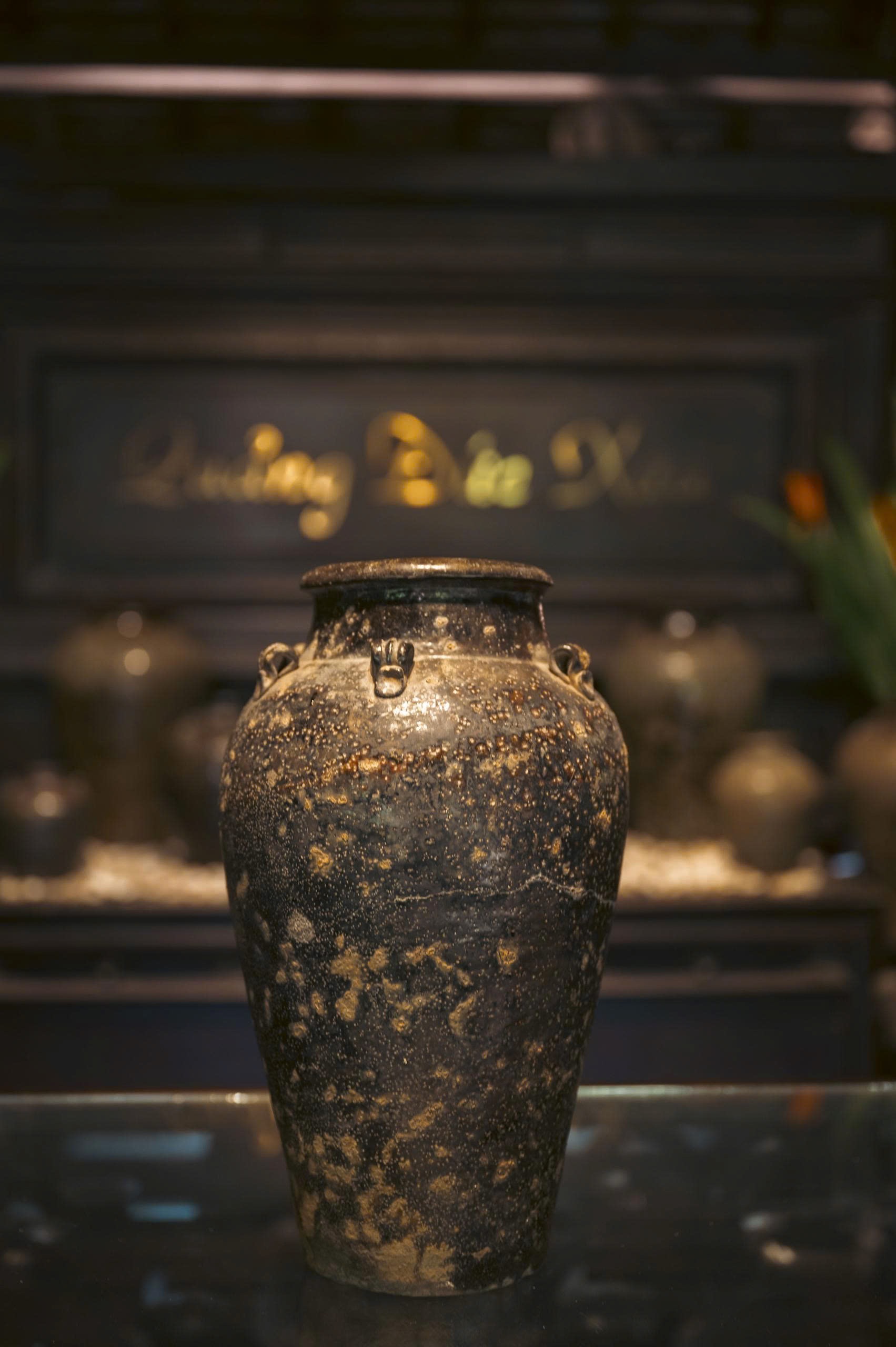
Each ceramic product is a unique piece – a culmination of earth, fire, and the artist's hand.
From the 17th to the early 20th century, Quang Duc pottery was transported by boat up the Cai River to the Central Highlands, down to the South, and even to France. The inscription "1934 - Village Quang Duc" on an ancient pot that is still preserved today is evidence of that prosperous period, when the entire village was busy with pottery burning year-round, and the riverbank was bustling with trading boats.
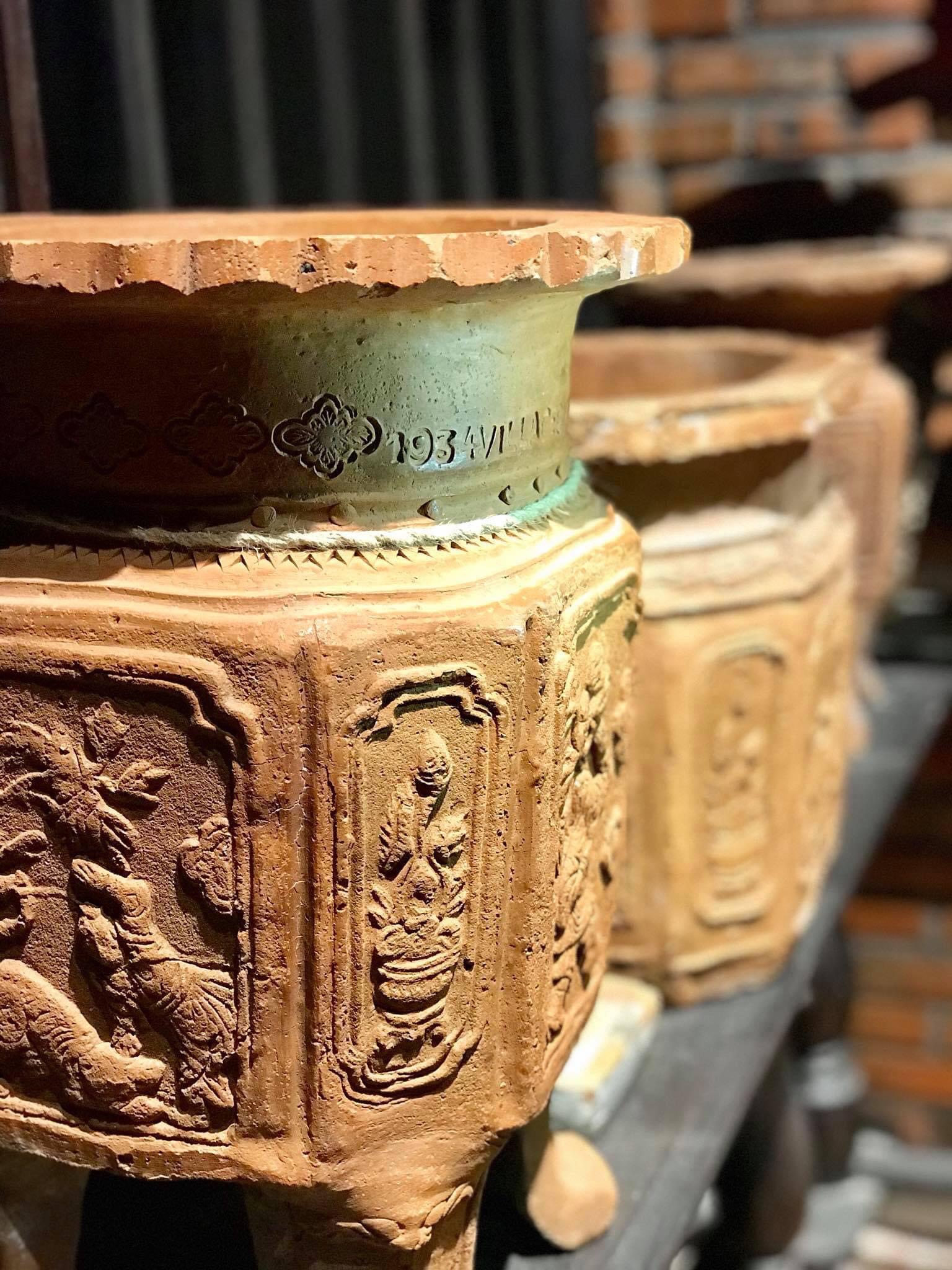
The inscription "1934 - Village Quang Duc" on an ancient basin, still preserved today, is a testament to a prosperous era when the entire village was bustling with activity year-round, and the riverbank was teeming with trading boats.
Memories of traditional craft villages
Returning to Quang Duc village today, the name "Pottery Kiln" remains intact on the small bridge over the Cai River, but the old craft has almost died out. Artisan Nguyen Van Ngan, the last remaining practitioner of the craft, still perseveres by the kiln, but the secret of making blood clam glaze has been lost. The clay is no longer as abundant as before, fresh blood clams are hard to find, and the firewood from Mang Lang – "the soul of the fire" – only exists in memory.
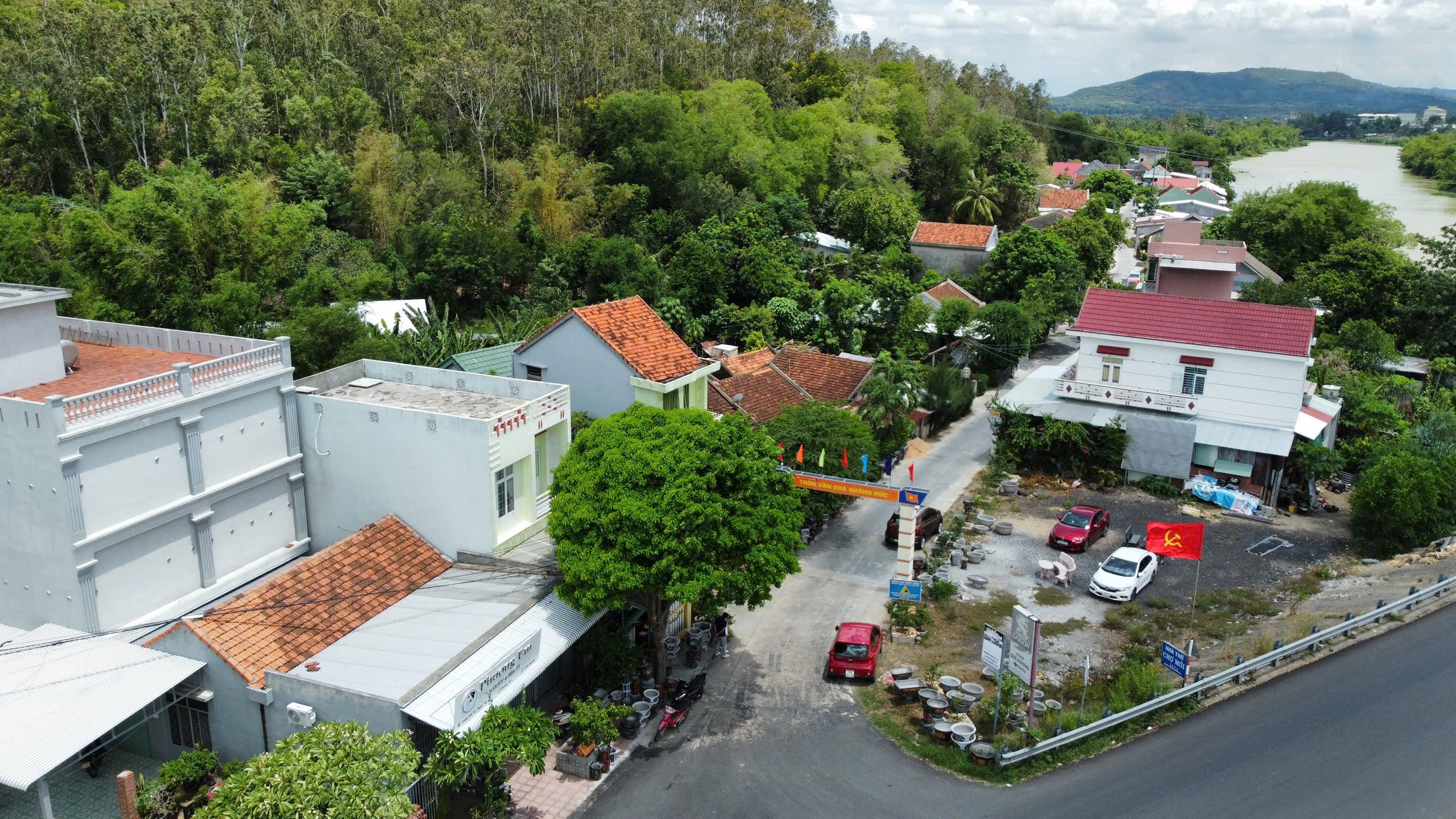
Returning to Quang Duc village today, the name "Pottery Kiln" remains intact, but the old craft has almost died out.
Nevertheless, the value of Quang Duc pottery lives on in the hearts of those who love the culture of this land. Amidst the countryside along the An Thach River, the Quang Duc Ancient Cultural Space has become a unique destination on the Dak Lak tourism route.

The ancient Quang Duc cultural space has become a unique destination on the Dak Lak tourism route.
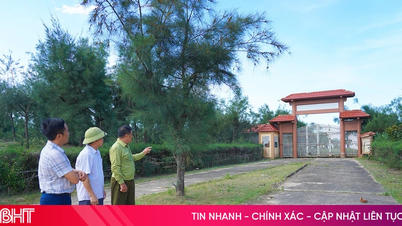
Stepping through the time-worn wooden gate, visitors feel as if they have entered a faithfully recreated ancient craft village. Three-compartment wooden houses with yin-yang tiled roofs, old brick courtyards, and hundreds of exquisitely displayed antique ceramic artifacts—from lime containers, jars, and wine jugs to rustic potted plants—all tell the story of pottery making, of the hands and breath of the people of Tuy An Bac.
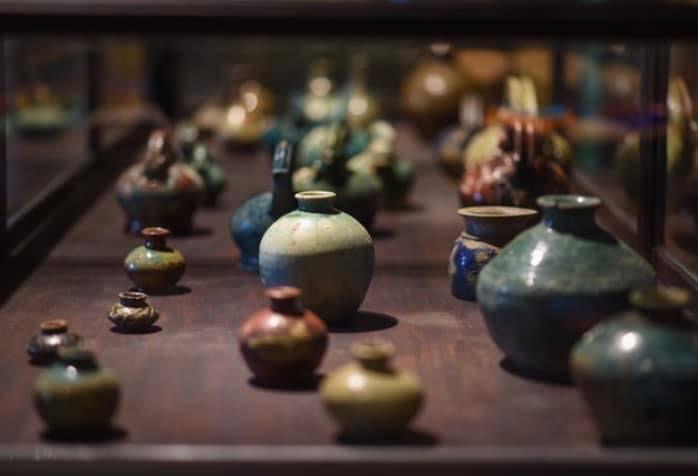
Ancient ceramic artifacts—from lime containers, jars, and wine flasks to rustic flower pots—all tell the story of pottery making, of the hands and breath of the people of Phu Yen in the past.
This space not only displays but also provides opportunities for visitors to experience the culture, enjoy tea, listen to bilingual explanations about the blood clam glaze technique and the history of the craft village, strongly spreading its influence to the international community, becoming a vibrant heritage bridge between the past and the present.
Rekindling the flame of heritage
Quang Duc pottery, with its unique story, distinctive glaze, and profound historical value, could very well become a "cultural highlight" in the "Journey to the Heritage Region of Dak Lak" itinerary, connecting with Ganh Da Dia, Mang Lang Church, O Loan Lagoon, Hon Yen Island, and more.
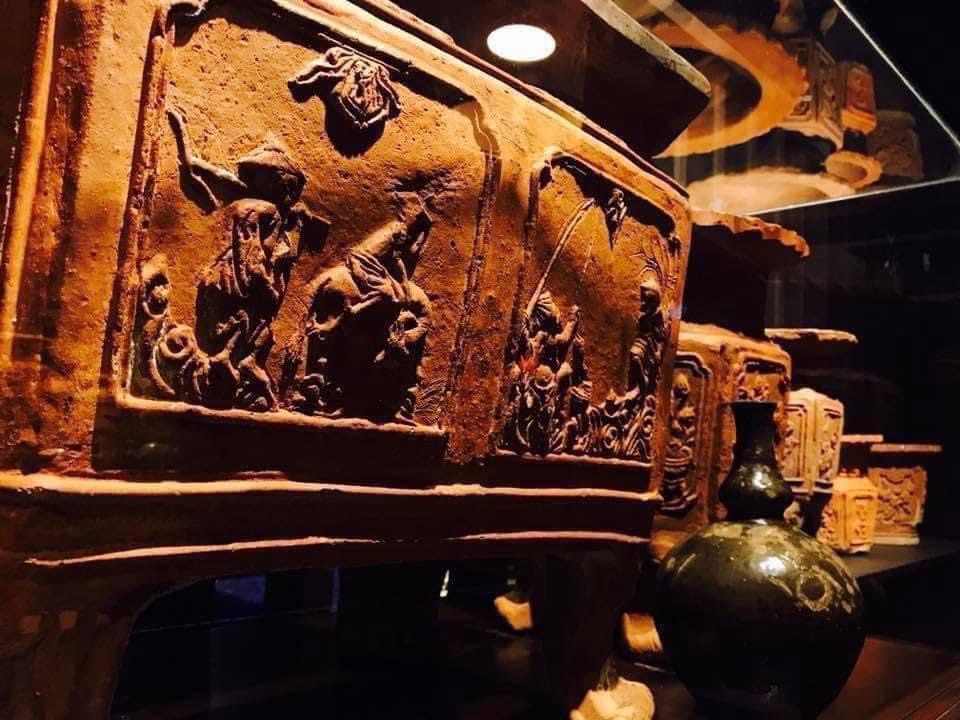
From the ancient space of Quang Duc, the story of the centuries-old craft village is being retold, understood, loved, and spread.
In the modern era, as people increasingly seek out traditional values, Quang Duc pottery stands as a witness to culture and memory. The iridescent glazes, the melted shell fragments, the rough earthenware colors… are testaments to the skillful hands and simple souls of the people living along the Cai River.
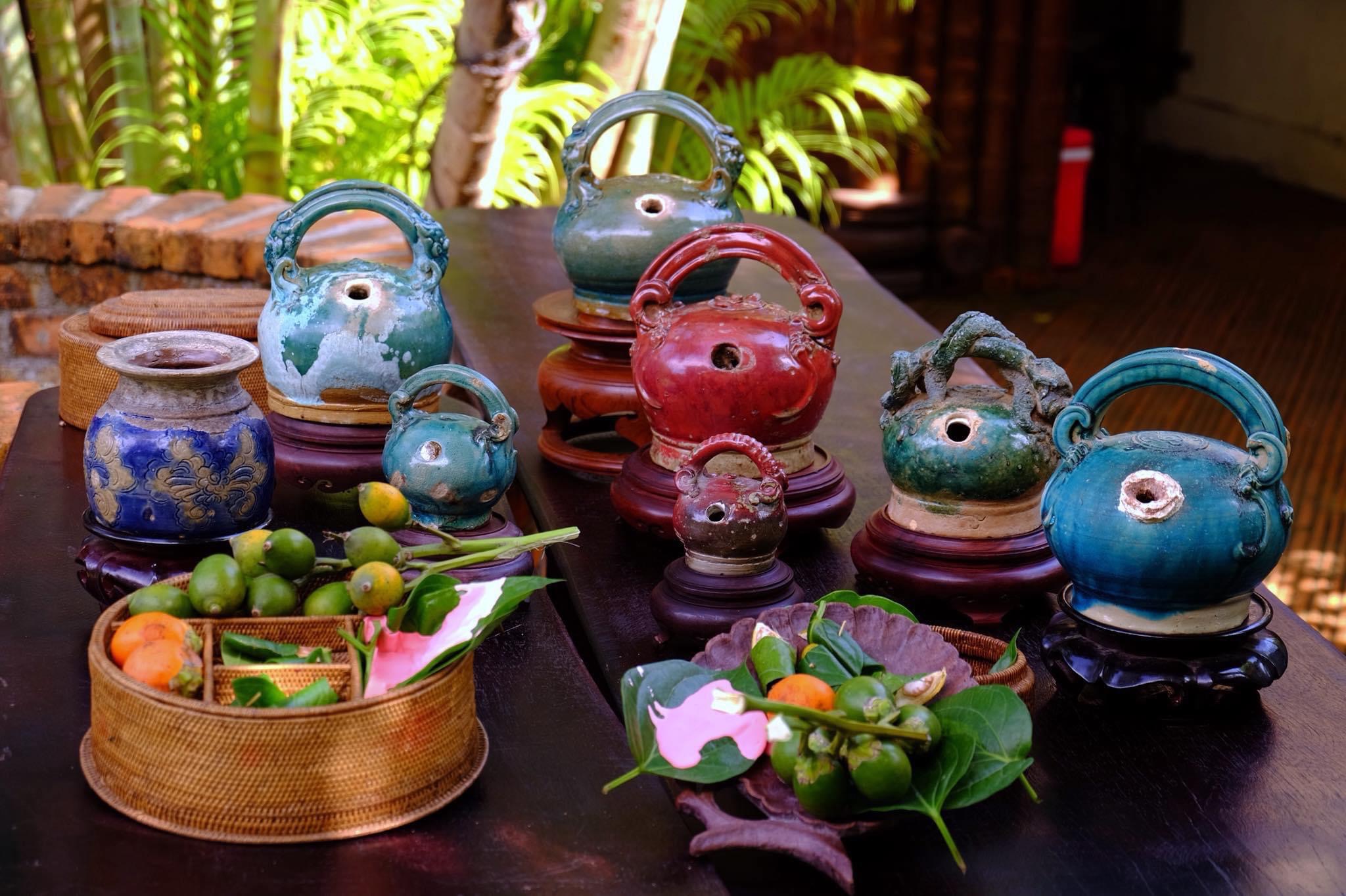
It's not just about preserving a lost craft, but about reviving cultural memories, evoking pride, and opening up avenues for tourism development linked to heritage.
From the ancient space of Quang Duc, the story of a centuries-old craft village is being retold, understood, loved, and spread. It's not just about preserving a lost craft, but about awakening cultural memories, igniting pride, and opening up avenues for tourism development linked to heritage.
Source: https://vtv.vn/gom-quang-duc-dau-an-doc-ban-tu-dat-lua-va-so-huyet-100251229231949243.htm



![[Photo] Solemn bathing ceremony and Buddha procession in Hue](https://vphoto.vietnam.vn/thumb/1200x675/vietnam/resource/IMAGE/2026/05/31/1780228263543_1-jpg.webp)

![[Photo] Admire the coral "masterpiece" amidst the million-year-old heritage of Dak Lak province.](https://vphoto.vietnam.vn/thumb/1200x675/vietnam/resource/IMAGE/2026/05/31/1780221235105_anh-man-hinh-2026-05-31-luc-16-53-27.png)
![[Image] Hanoi Police officially crowned champions of V-League 2025/2026](https://vphoto.vietnam.vn/thumb/1200x675/vietnam/resource/IMAGE/2026/05/31/1780244769054_ndo_br_039d561b692be875b13a-jpg.webp)
![[Photo] The General Secretary, President and his wife begin their state visit to the Philippines.](https://vphoto.vietnam.vn/thumb/1200x675/vietnam/resource/IMAGE/2026/05/31/1780230559452_anh-man-hinh-2026-05-31-luc-19-28-11.png)








![[Video] Sunset at Lap An Lagoon – Where the sun sets over the fishing nets](https://vphoto.vietnam.vn/thumb/340x192/vietnam/resource/IMAGE/2026/05/31/1780192137701_beach-landscape-sea-water-nature-grass-745871-pxhere-com.jpeg)




































![[Photo] Admire the coral "masterpiece" amidst the million-year-old heritage of Dak Lak province.](https://vphoto.vietnam.vn/thumb/402x226/vietnam/resource/IMAGE/2026/05/31/1780221235105_anh-man-hinh-2026-05-31-luc-16-53-27.png)































Comment (0)