

According to the Law on Tax Administration and its implementing regulations, when selling goods or providing services, sellers must issue electronic invoices to buyers. For retail gasoline and diesel sales, the time of issuing an electronic invoice to the customer is the time the sale of gasoline or diesel is completed for each transaction. Currently, there are a total of 70 retail gasoline and diesel stations with 245 pumps operating in 56 out of 129 commune-level administrative units throughout the province. Of these, 40 stations with 126 pumps have issued electronic invoices for each sale, while 30 stations with 119 pumps have not yet implemented electronic invoice issuance.
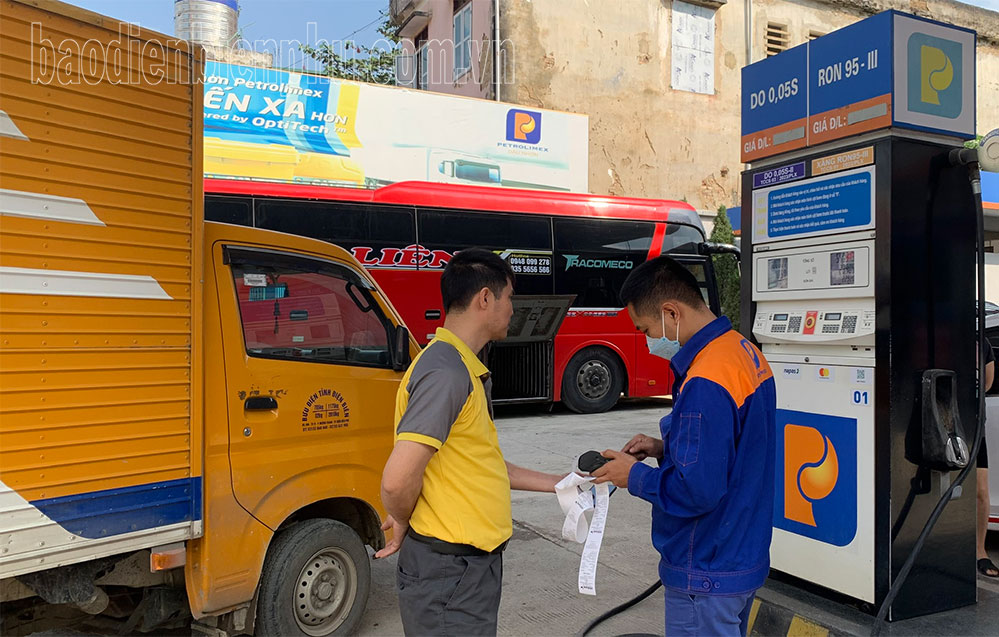
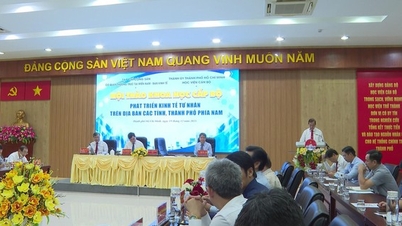
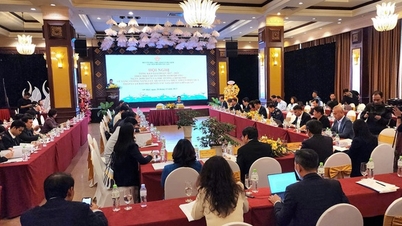
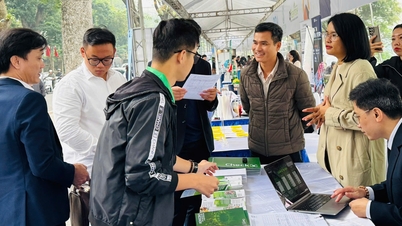
To concretize the directives of the Government, the Ministry of Finance , the General Department of Taxation, and the Provincial People's Committee regarding the implementation of electronic invoices for each sale in the retail gasoline and diesel fuel business, the Provincial Tax Department recently organized a conference to disseminate information and hold dialogues with representatives of stores and businesses on the management and use of electronic invoices for the retail gasoline and diesel fuel business.
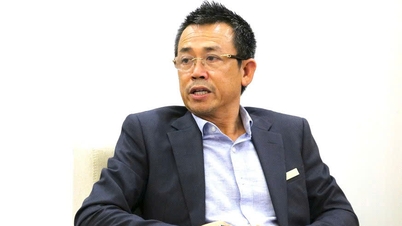
Mr. Duong Duy Bay, Deputy Director of the Provincial Tax Department, stated: The conference helped representatives of businesses and gasoline and oil retailers in the province better understand the regulations of the Tax Administration Law regarding the issuance of invoices for each sale, thus avoiding violations in invoice management and usage. At the conference, businesses received clarification and answers from tax authorities, gasoline and oil retailers already implementing electronic invoices for each sale, and providers of electronic invoice solutions regarding any difficulties encountered during implementation. This provided gasoline and oil businesses with the basic information needed for implementation.
According to regulations, invoices must be issued for each transaction, regardless of the value of each sale or service. However, 30 stores are currently using e-invoices but have not yet issued e-invoices for each sale because they are still using manual methods and have not yet implemented automation, thus failing to comply with the regulations for issuing invoices for each sale.
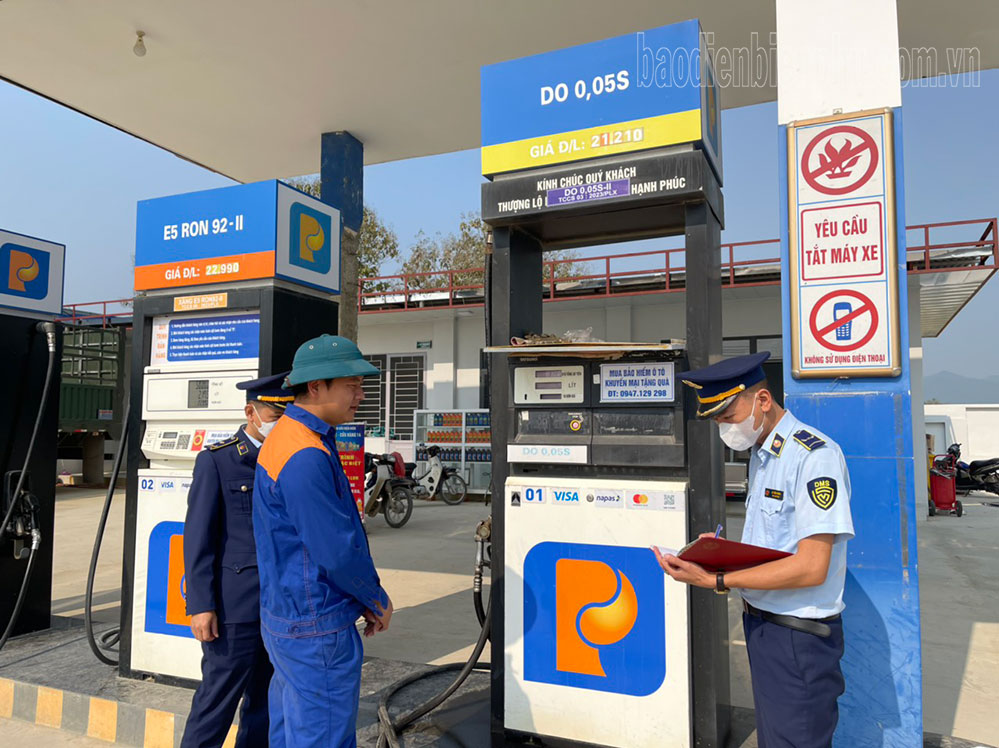
In the coming period, in addition to disseminating information and engaging in dialogue with gasoline and oil businesses, the tax authorities are continuing to closely coordinate with relevant agencies to conduct direct inspections and urge businesses and stores to apply electronic invoices for each sale. Simultaneously, they are coordinating with relevant departments and agencies to further strengthen public awareness campaigns; and collaborating with electronic invoice solution providers to raise awareness of the necessity of using electronic invoices and support businesses in the implementation process.
Source
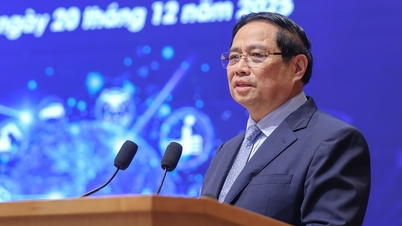
![[Photo] Prime Minister Pham Minh Chinh presides over a meeting on private sector economic development.](/_next/image?url=https%3A%2F%2Fvphoto.vietnam.vn%2Fthumb%2F1200x675%2Fvietnam%2Fresource%2FIMAGE%2F2025%2F12%2F20%2F1766237501876_thiet-ke-chua-co-ten-40-png.webp&w=3840&q=75)


























































































Comment (0)