

We import every kind of product.
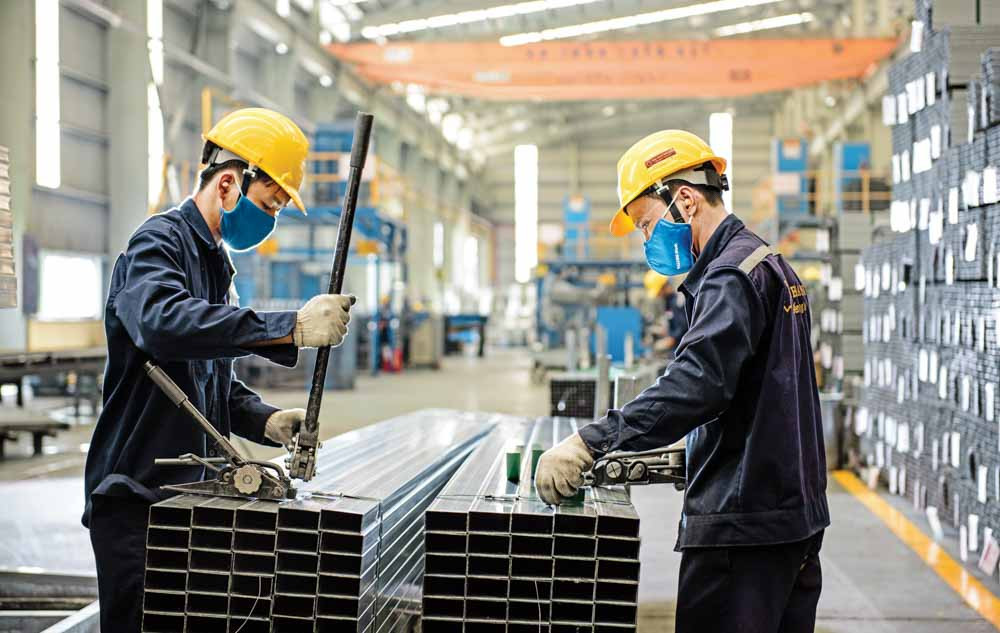
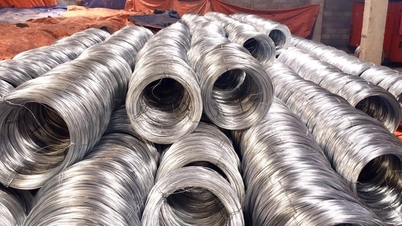
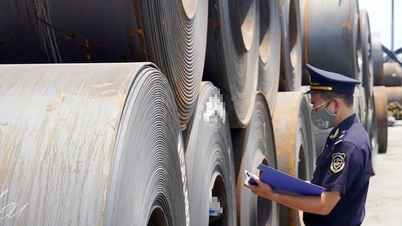
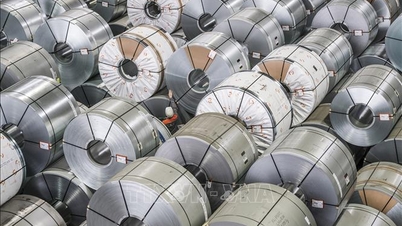
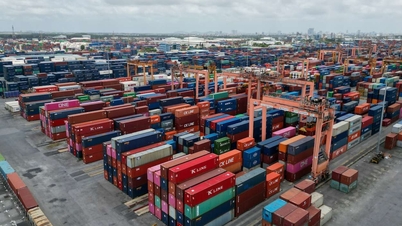
According to statistics from the Vietnam Steel Association (VSA), in the first five months of 2023, the amount of steel products imported into Vietnam from various countries reached over 5 million tons; of which steel from China accounted for 2.65 million tons, representing more than 52% of the total imported steel volume.
In particular, in March 2023, steel imports from China increased by 146% compared to the same period the previous year.
According to data from the General Department of Vietnam Customs, in 2022, Vietnam imported approximately 11.679 million tons of finished steel products, worth over 11.92 billion USD.
“Steel demand has not recovered because the Chinese housing market shows no signs of warming up, with the number of new homes continuously declining. Therefore, steel exports continue to be an important part of consuming the surplus production in China. It is expected that the country's steel exports will remain high in 2023. This will put pressure on the Vietnamese steel industry,” a representative of a steel company shared.
Meanwhile, almost all steel products imported into Vietnam have a 0% import tax (except for reinforcing steel). Furthermore, trade safeguard measures, such as safeguard measures on steel billets, have been lifted; other steel products such as galvanized steel sheets, colored steel sheets, steel pipes, prestressed steel, etc., are not subject to any trade safeguard measures.
One company estimates that the influx of imported steel could cost the Vietnamese steel industry approximately 40,000 jobs. Tens of billions of dollars are spent on steel imports each year, while domestic products remain unsold.
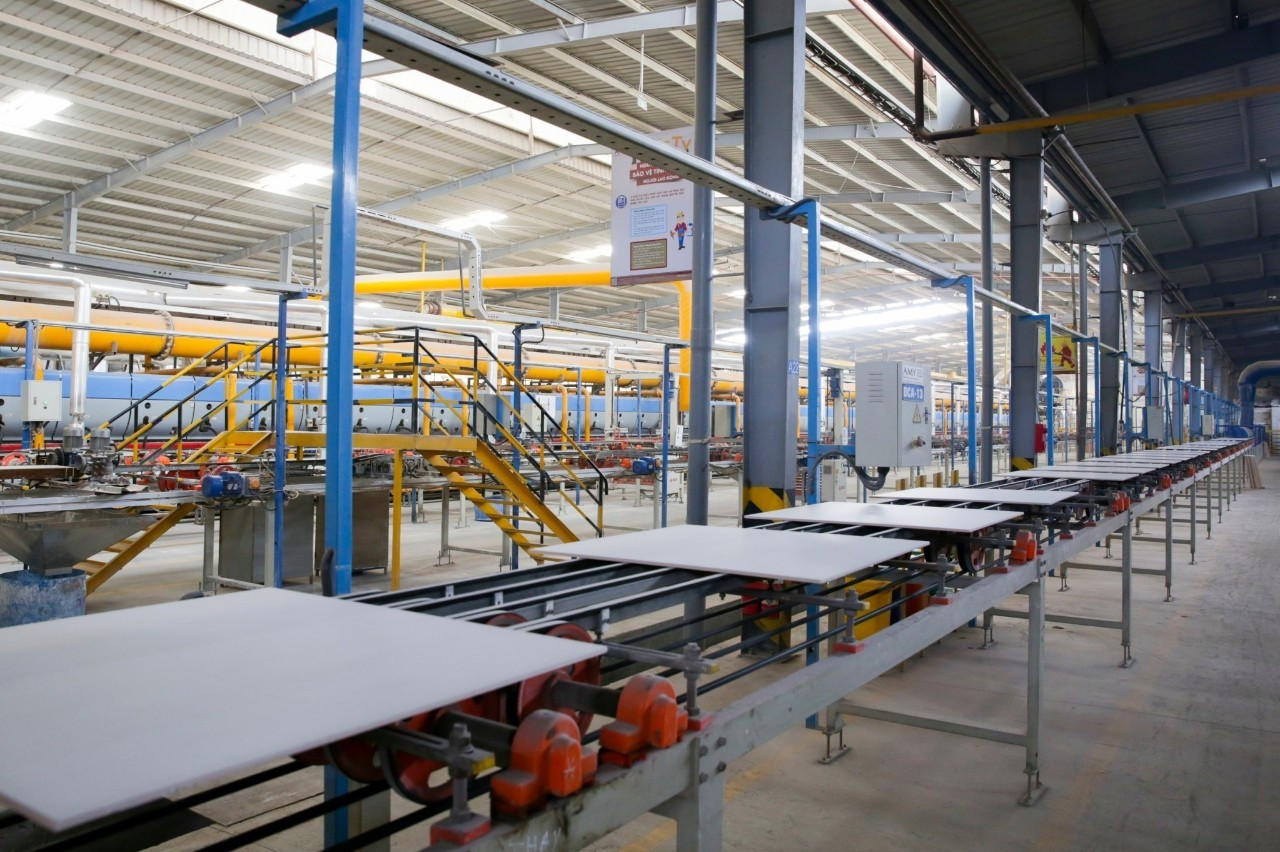
Steel is not the only commodity being imported into Vietnam in massive quantities, putting immense pressure on the domestic steel industry. Vietnam's ceramic tile manufacturing industry is also seriously threatened by the influx of low-quality, low-priced Indian products. The fear of the market falling into the hands of Indian importers is greater than ever, putting many domestic businesses in a difficult position.
Businesses unanimously agree that Vietnam's ceramic tile manufacturing industry will be seriously threatened and unable to develop if we do not urgently find solutions to counter and prevent tile imports from India.
Looking at annual import figures, it's clear that domestic goods are facing tremendous pressure from foreign products.
According to the Ministry of Industry and Trade 's 2022 import-export report, Vietnam spent tens of billions of USD importing goods from abroad, ranging from industrial products to agricultural products.
Lack of technical barriers to protect domestic goods.
In an interview about the pressure from Indian tiles, Mr. Tran Tuan Dai, Vice Chairman of the Board of Directors and Deputy General Director of AMY GRUPO Industrial Joint Stock Company, pointed out that one reason is that Vietnam's technical barriers, while existing, are very simple, only requiring the evaluation of product samples. As long as the sample meets the requirements, it can be imported.
Therefore, tile manufacturers are proposing the establishment of technical barriers according to international standards to prevent the import of substandard goods, protect the domestic market, and safeguard consumer rights.
Domestic cashew producers, facing concerns from imports, have repeatedly appealed for help.
According to the Vietnam Cashew Association, Vietnam used to export to India. However, to protect its domestic products, India imposed a 25% import tax on cashew kernels, so no more containers of cashews could be exported. Meanwhile, Vietnam has not yet implemented protection for its domestic production.
Given this situation, the association urgently proposed studying a solution to impose an import tax on cashew kernels at 25%, similar to what India has done with Vietnamese cashews, to prevent a bleak future for the domestic cashew industry.
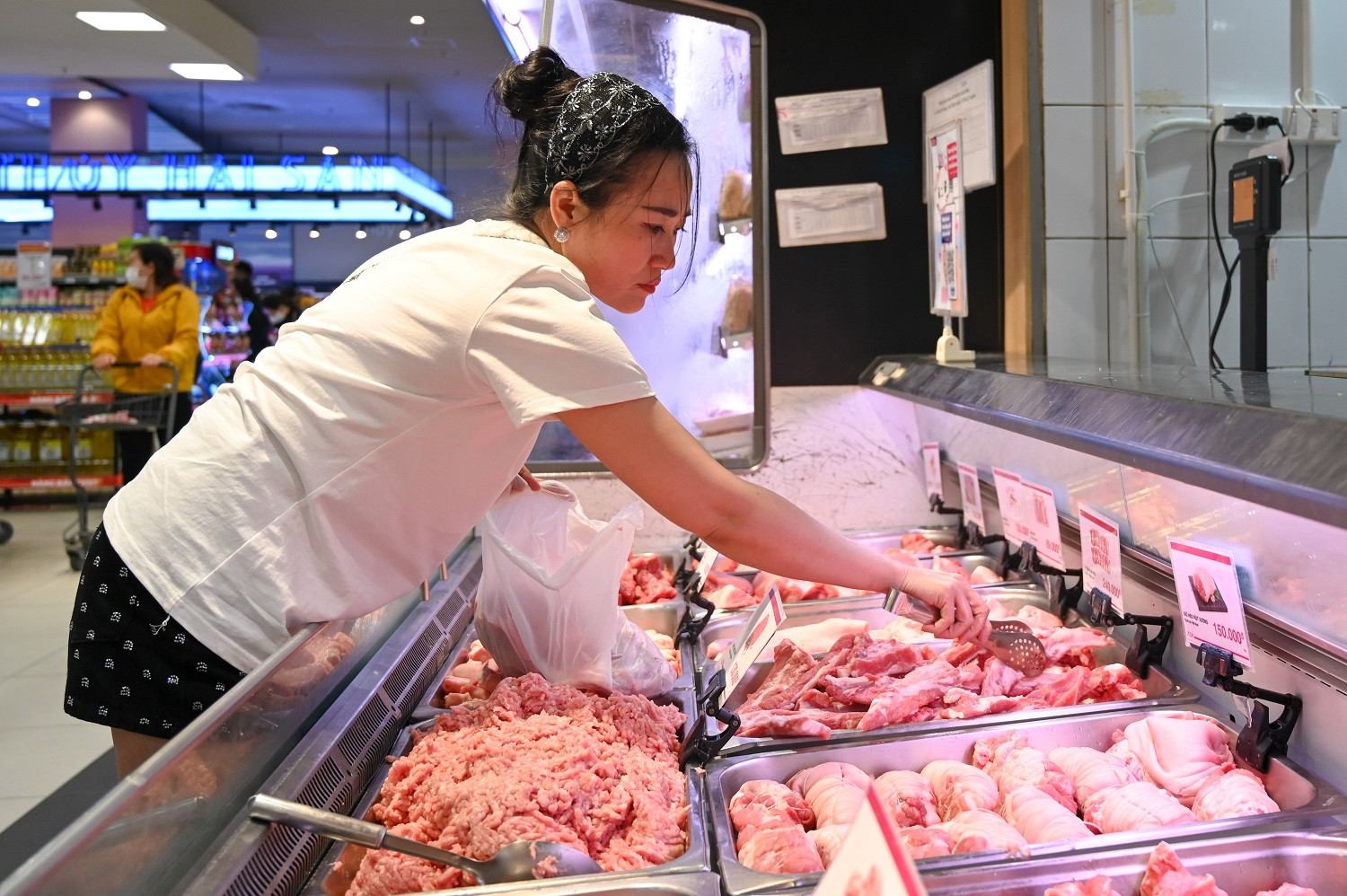
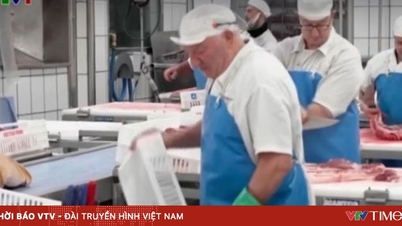
The Poultry Association also recommended that the Government promptly issue a document prohibiting the import of meat products from countries that use the growth stimulants Ractopamine and Cysteamine. At the same time, it recommended that ministries and agencies immediately implement non-tariff measures to protect production and consumer health, such as establishing reasonable technical barriers consistent with international practices.
A representative from a steel corporation stated that countries around the world are increasingly applying technical barriers and trade protection measures to safeguard their domestic industries.
Specifically, technical barriers are clearly applied in Thailand, Indonesia, Malaysia, South Korea, India, etc. Products exported to these countries require certification of compliance with the quality standards of the importing country. The goal of this certification is to prevent the import of substandard products and strengthen the control of imported steel.
Therefore, steel businesses are requesting the Government, the Ministry of Industry and Trade, and relevant ministries and agencies to consider developing procedures for inspecting imported steel into Vietnam. Imported steel should have a certificate of compliance with Vietnamese quality standards before being licensed for import. At the same time, they propose strengthening investigations and applying appropriate trade safeguard measures to steel products.
According to current Vietnamese regulations, steel is not classified as a Group 2 unsafe item, so importers only need to declare the applicable standards. However, other countries around the world (Thailand, Malaysia, South Korea, Australia, India, etc.) have technical barrier policies applied to steel and many other products they produce, similar to those applied to Group 2 items in Vietnam.
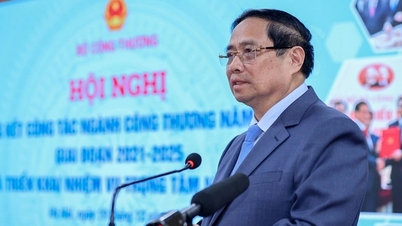
Minister of Industry and Trade Nguyen Hong Dien, speaking at the conference "Removing difficulties in production and business and boosting exports" in April, also said that major countries are tending to raise technical barriers such as clean energy transition, low-carbon production, global minimum tariffs...
This trend creates new rules of the game and an uneven playing field for countries facing many difficulties, such as Vietnam. Therefore, Vietnam also needs to study technical barriers to ensure that it does not violate commitments in free trade agreements while still effectively supporting domestic production.
"To achieve this, those directly involved—each association and each business—need to understand the policies of other countries and contribute their opinions to the Ministry of Industry and Trade, thereby enabling them to respond and propose policies to the Government," the Ministry leader noted.
Source
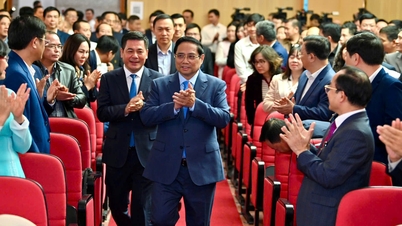
![[Photo] Prime Minister Pham Minh Chinh attends the Conference on the Implementation of Tasks for 2026 of the Industry and Trade Sector](/_next/image?url=https%3A%2F%2Fvphoto.vietnam.vn%2Fthumb%2F1200x675%2Fvietnam%2Fresource%2FIMAGE%2F2025%2F12%2F19%2F1766159500458_ndo_br_shared31-jpg.webp&w=3840&q=75)





































































Comment (0)