

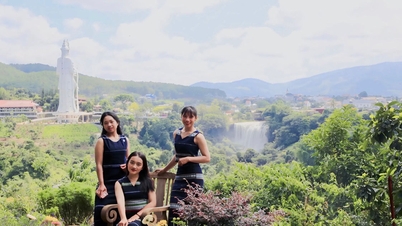
Places that transform history, memory, and local life into narrative identity—a concept the World Tourism Organization (UNWTO) calls storytelling identity—are the successful destinations of modern tourism. A place that is remembered for a long time, deeply and lastingly, not only has beautiful scenery, but also stories it possesses and knows how to tell to visitors.
Touch the soul of the land.
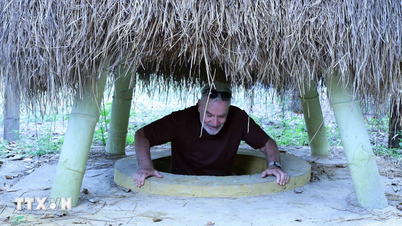
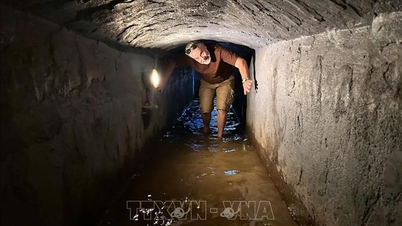
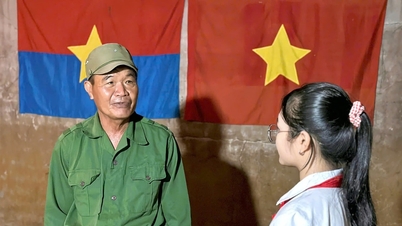
The extraordinary storyteller of the Ky Anh tunnels (Ban Thach ward) - Mr. Huynh Kim Ta - is considered by many to be a "storyteller" of the land along the Dam River. The Ky Anh tunnels have been recognized as a national historical site and are becoming a destination on the international tourism map, thanks in no small part to this man from the village.
For over 13 years, starting from his role as a security guard at the Ky Anh tunnel complex, Mr. Huynh Kim Ta has continuously improved his knowledge of culture and history to make the stories of his village more engaging for tourists. As a guide and manager of the historical site, he has become an indispensable figure when visiting the Ky Anh tunnels.
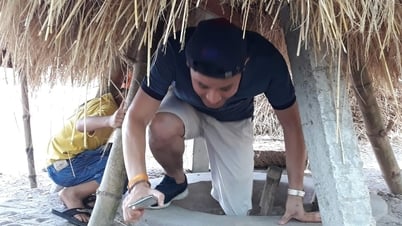
Instead of rambling on about events or numbers, he memorized every detail of the artifacts and every nook and cranny of the tunnels, using storytelling to convey the information to visitors.
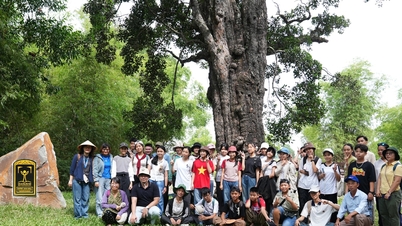
The man's demeanor, imbued with the experience of someone who has been through it firsthand, coupled with a deep love for his homeland, made every story he told deeply moving. Students in Quang Nam province, to varying degrees, knew of Old Man Ta at the Ky Anh tunnels through extracurricular activities in their local education programs.
In 2017, in addition to domestic tourists, the Ky Anh tunnels began opening to foreign visitors. Group tours have guides to translate, but individual visitors do not. Mr. Huynh Kim Ta then diligently studied English and applied technological tools to convey useful information to foreign tourists.
And the delighted expressions on the faces of foreign tourists as they hear stories not found in guidebooks or on any travel websites. But it is precisely these "unconventional" details that make listeners linger longer, look more closely, and leave with a very different feeling—the feeling of having touched the "soul" of a place.
Bring the story back.
Mr. Van Ba Son, Deputy Director of the Department of Culture, Sports and Tourism, said that many countries have built tourism strategies based on memory. For example, Japan develops ancient village tourism using family stories and local rituals. Italy and France consider each town a "miniature historical story," where local people are the main storytellers.
.jpg)
Meanwhile, New Zealand places the memory of the Maori people at the heart of its indigenous tourism, helping visitors understand the country through the worldview of the indigenous people. A value system shaping the experience is formed with the indigenous people, who are also the keepers of the land's memory, at its center.
The concept of living heritage tourism from the UNWTO emphasizes that heritage only truly comes alive when there are storytellers, remembrancers, and transmitters of that knowledge.
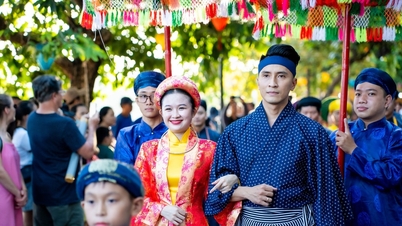
In the modern tourism perspective, they are the "living museums" of the land. Story-based tourism is born, in which each place is approached as a living text. Tourists are not just viewers, but become readers, even co-creators, as they participate, listen, and retell that story in their own way.
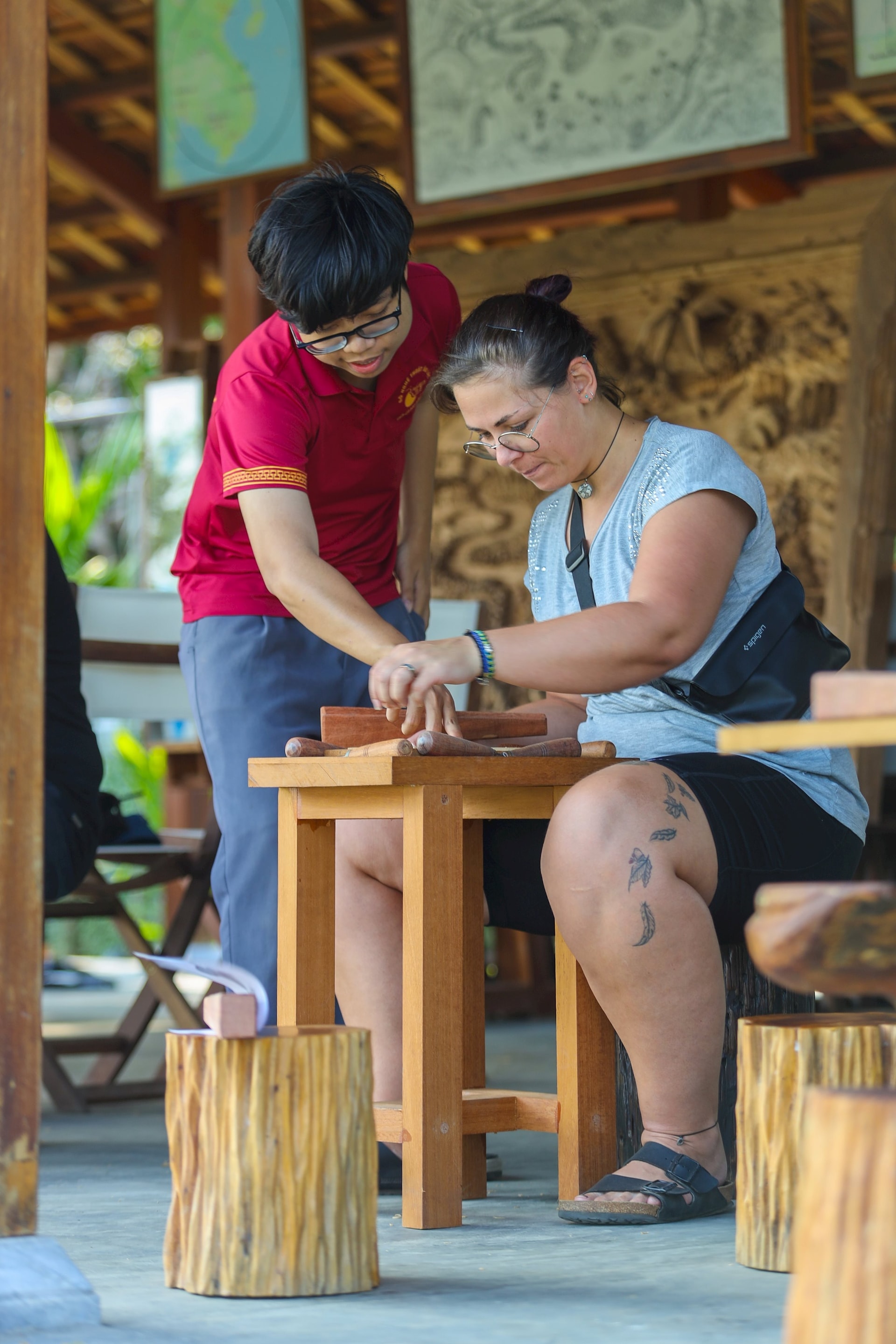
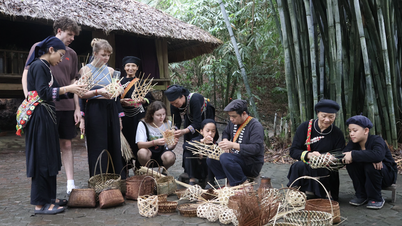
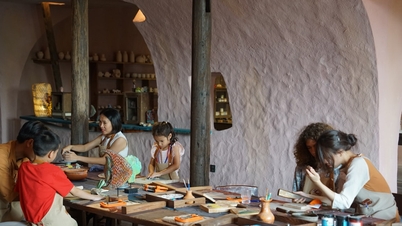
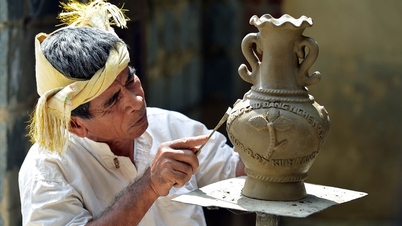
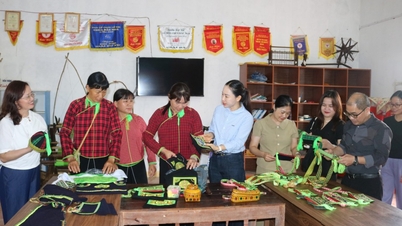
This is also how many craft villages in Da Nang are developing tourism based on their traditional crafts. People's Artisan Nguyen Van Tiep and his son (Dong Khuong handicraft village cluster - Dien Ban ward) both practice their craft and become exceptional tour guides. Mr. Tiep meticulously explains to tourists the invaluable cultural heritage of the land where the Vietnamese Quốc ngữ script originated, the location of the Thanh Chiem administrative center, and why it's known as the land of a hundred crafts, all while simultaneously carving and planing with his hands.
Like the father and son, People's Artisans Nguyen Van Tiep, the craftsmen in traditional craft villages, or those who are the guardians of the community's intangible cultural heritage, each story they tell contributes to shaping the image of the land in the minds of tourists.
In a tourism landscape increasingly focused on authentic experiences, these individuals are playing the role of "cultural tourism ambassadors." They make each trip a journey of collecting memories, filled with a rich array of emotions...
Source: https://baodanang.vn/hanh-trinh-gom-nhat-ky-uc-3322515.html

![[Photo] General Secretary and President To Lam works with the Party Committee of the Ministry of Health on the work of Vietnamese traditional medicine.](https://vphoto.vietnam.vn/thumb/1200x675/vietnam/resource/IMAGE/2026/05/20/1779294323718_a1-bnd-2978-3319-jpg.webp)


![[Image] "Journey of Hope" promotes the organ and tissue donation movement in Vietnam.](https://vphoto.vietnam.vn/thumb/1200x675/vietnam/resource/IMAGE/2026/05/20/1779294400833_1-8910-jpg.webp)







































































Comment (0)