The 1973 Paris Agreement – the pinnacle of the art of combining "fighting and negotiating"
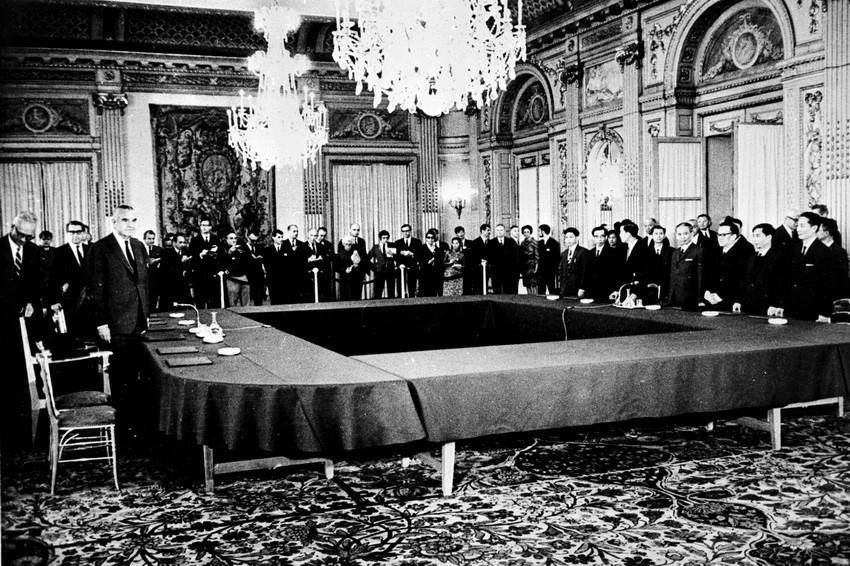
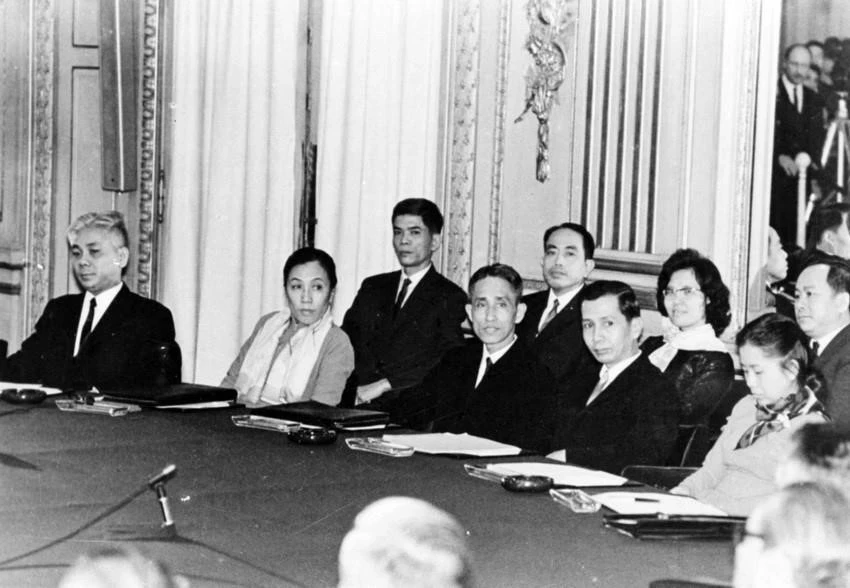
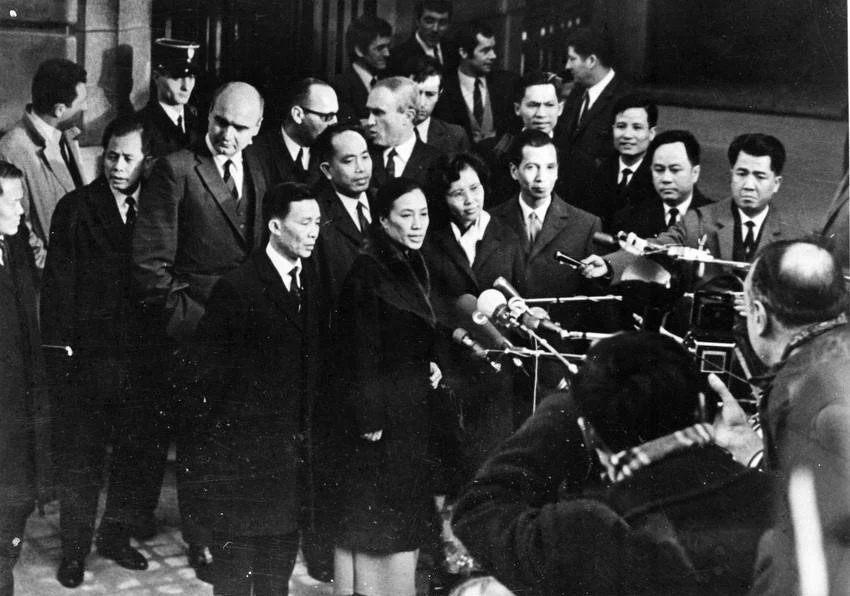
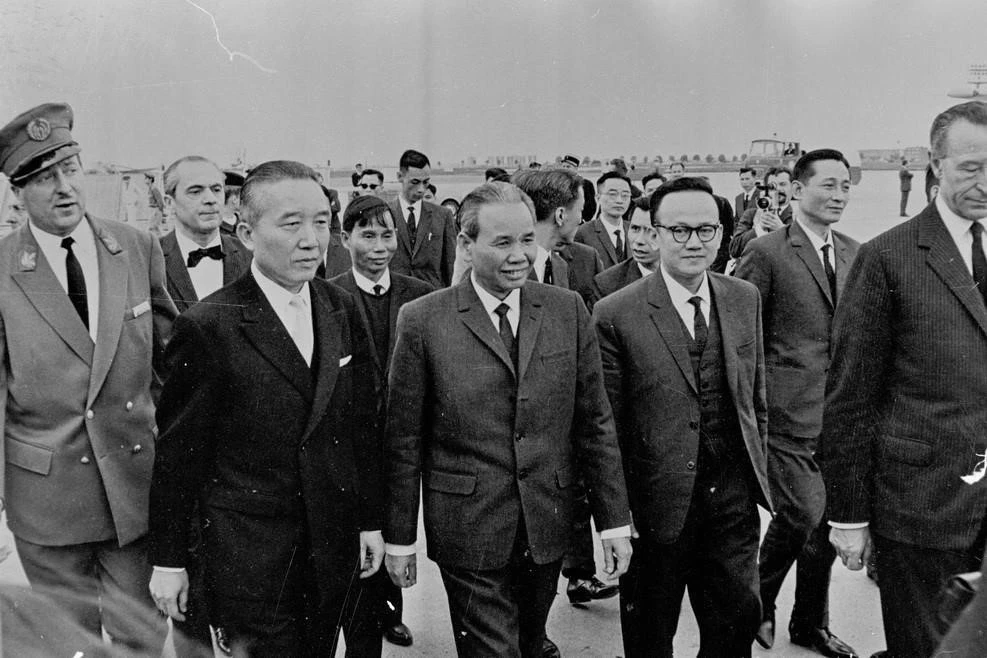
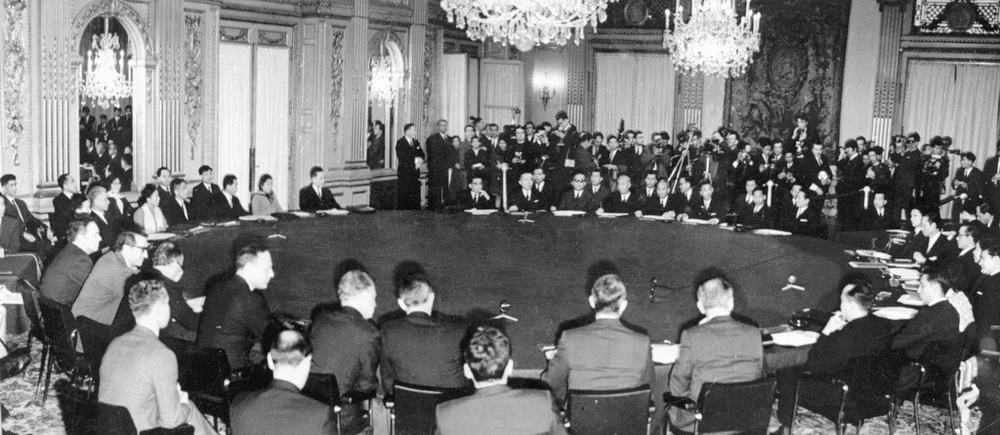
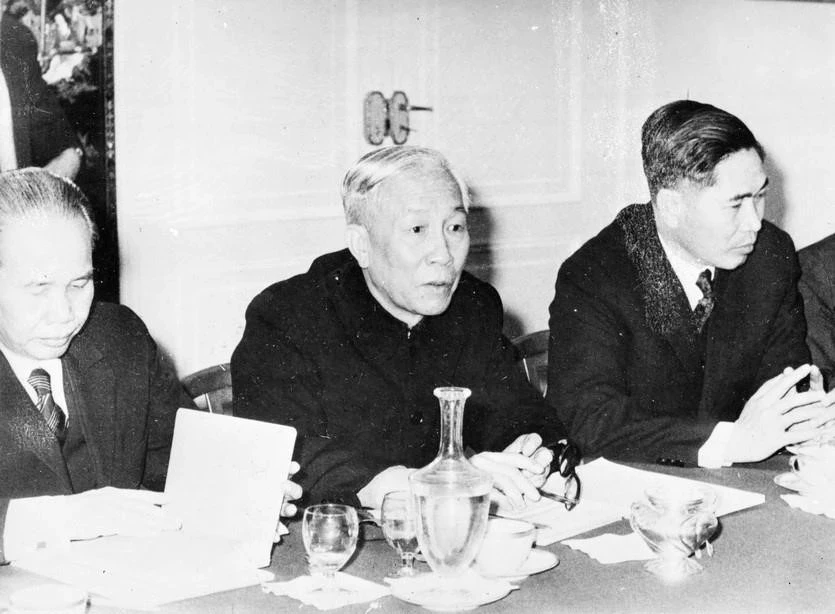
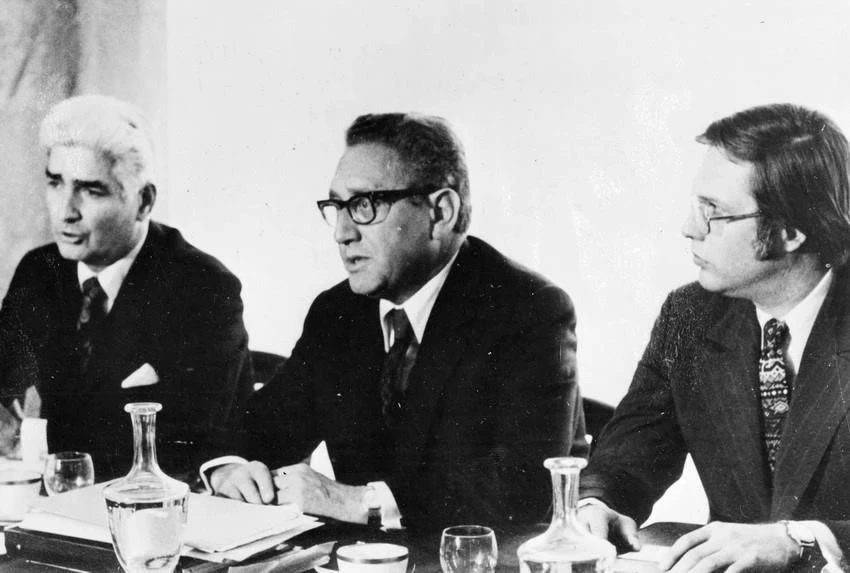
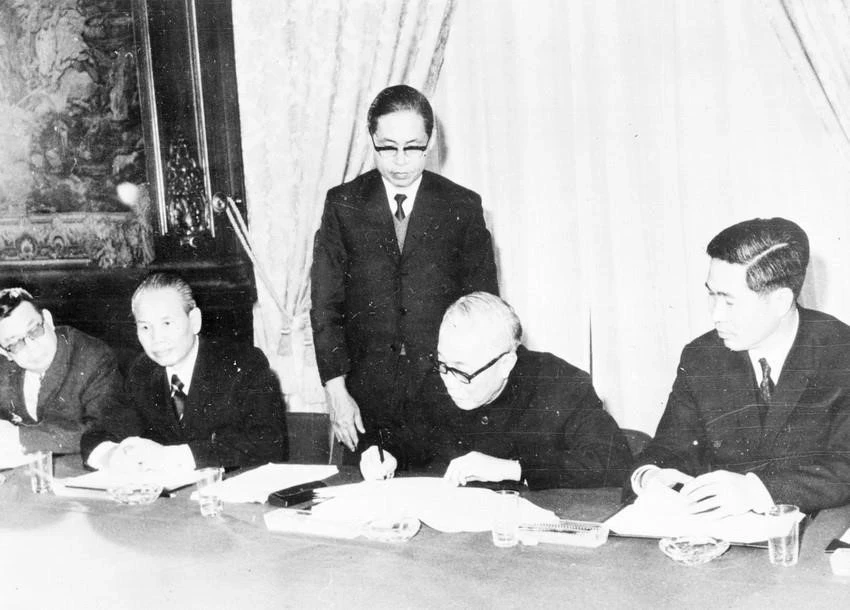
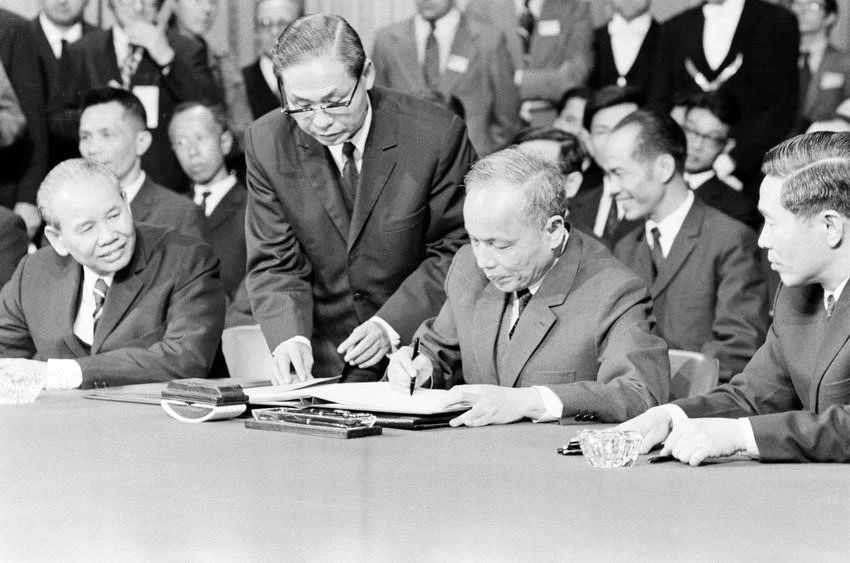
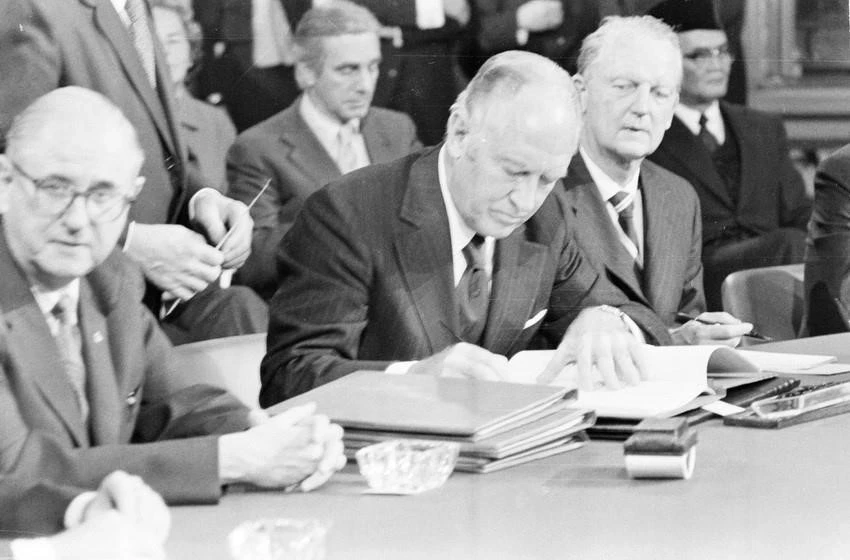
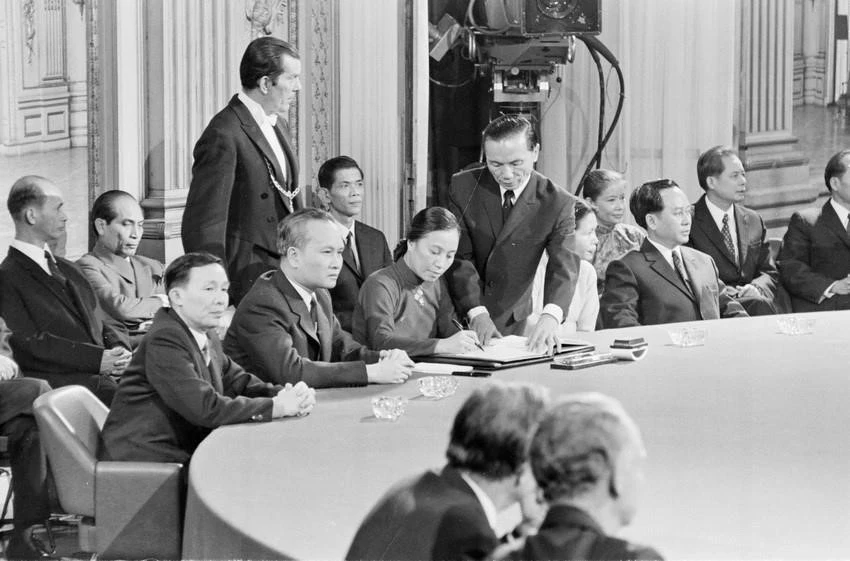
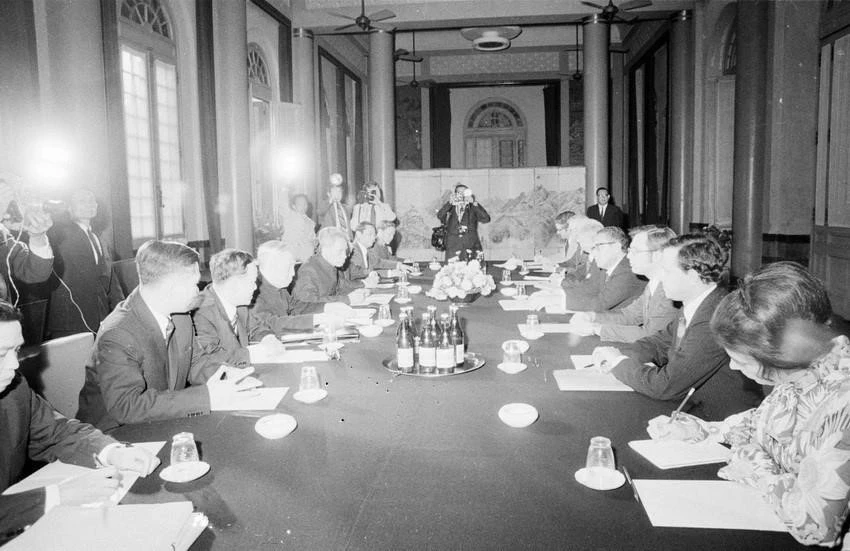
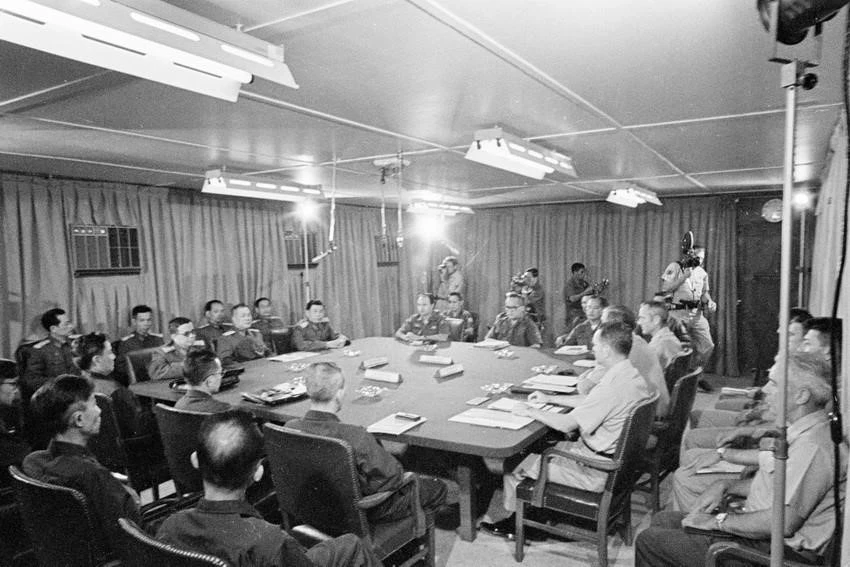
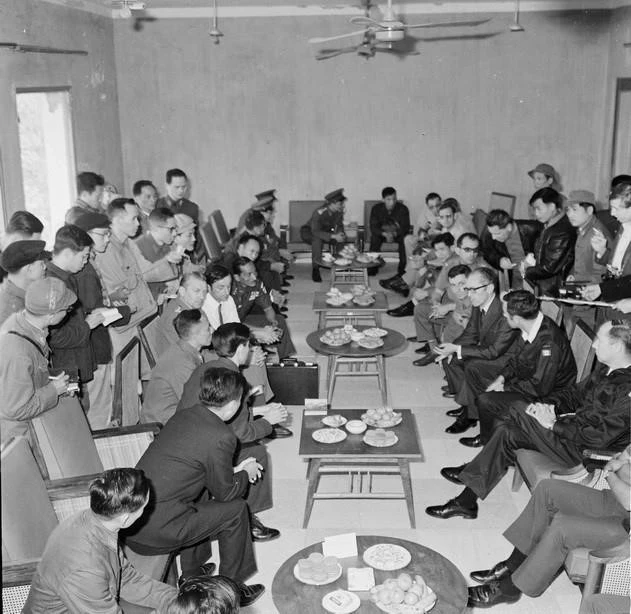
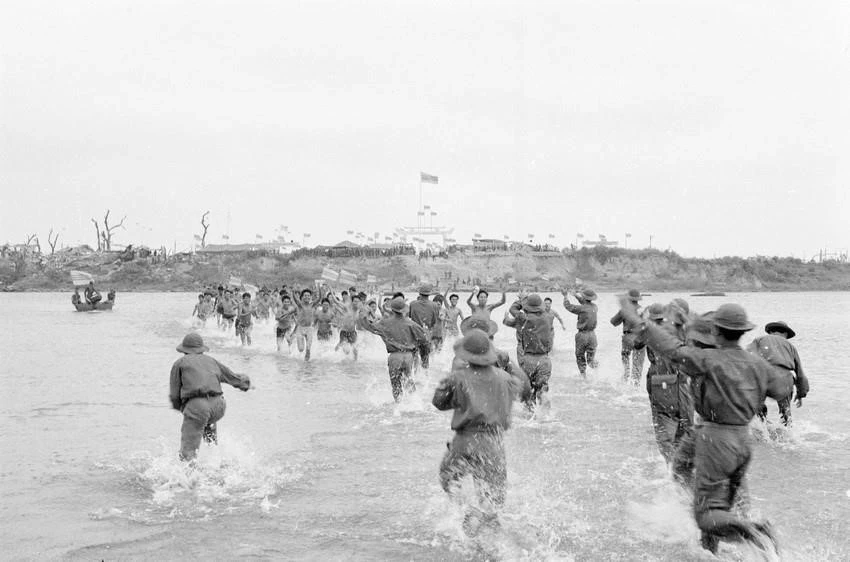
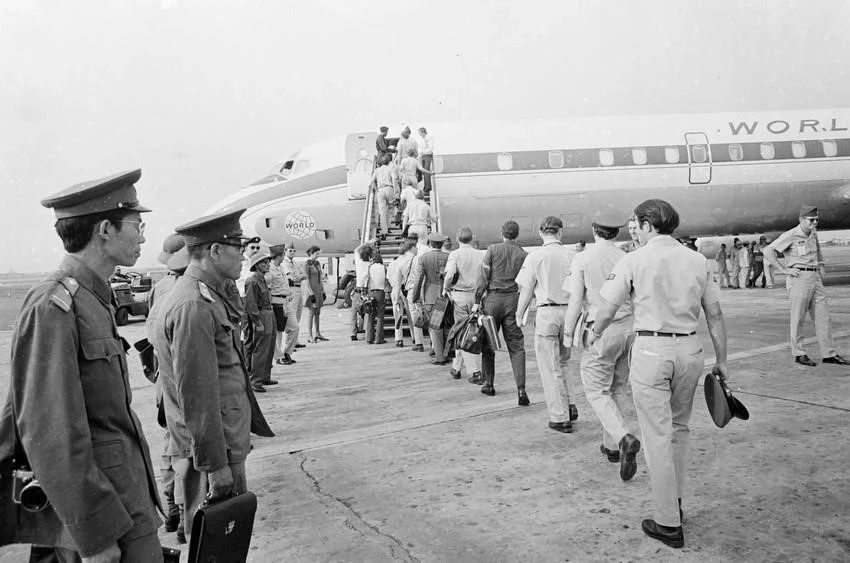
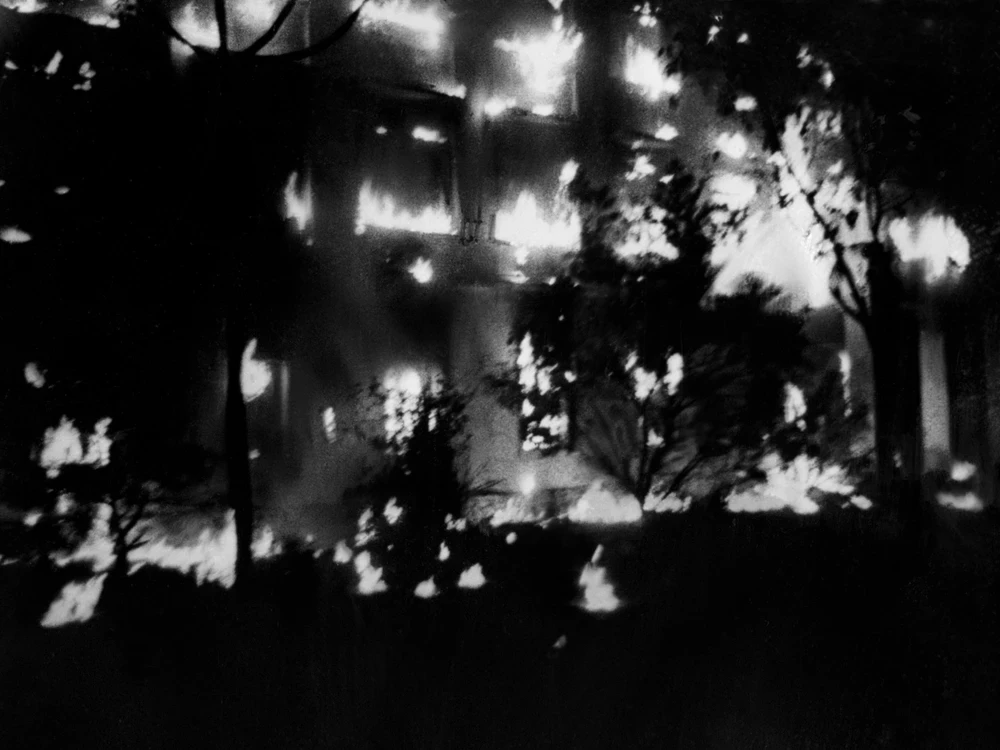
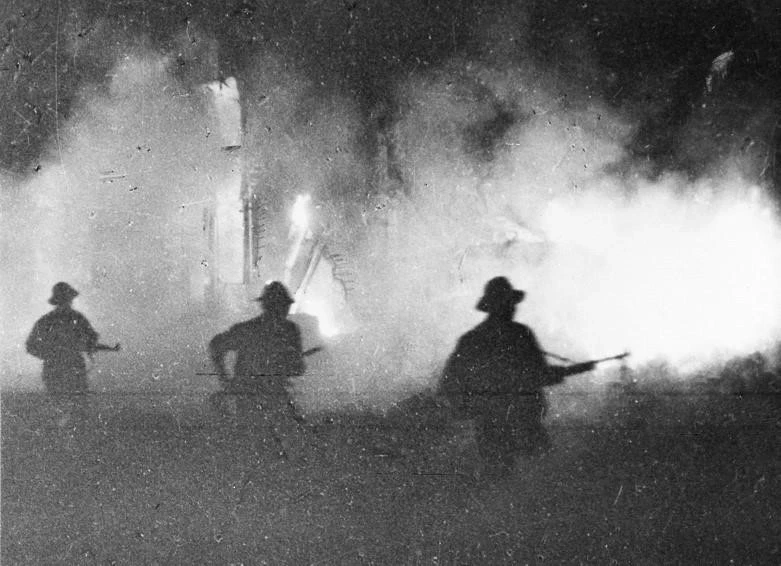
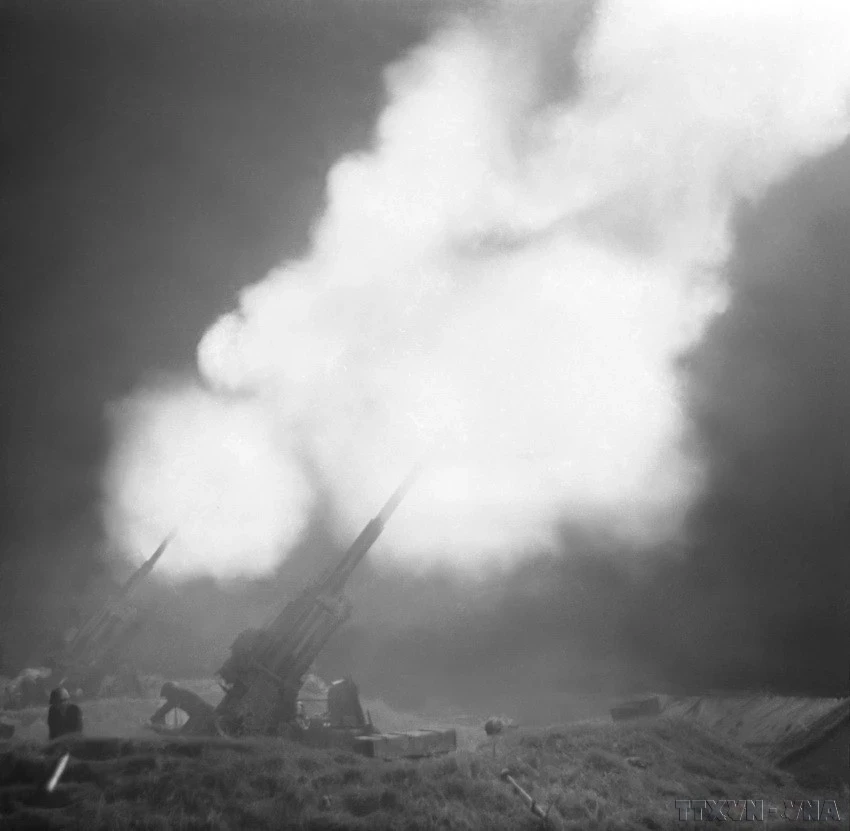
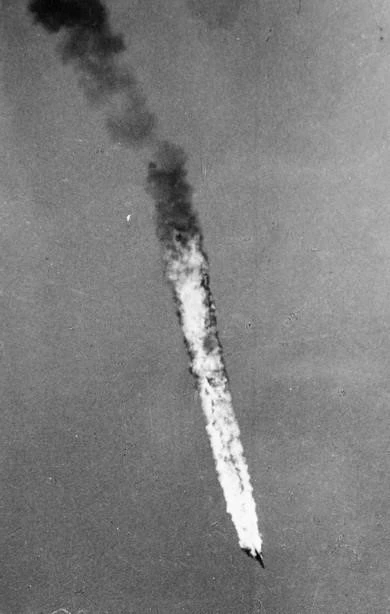
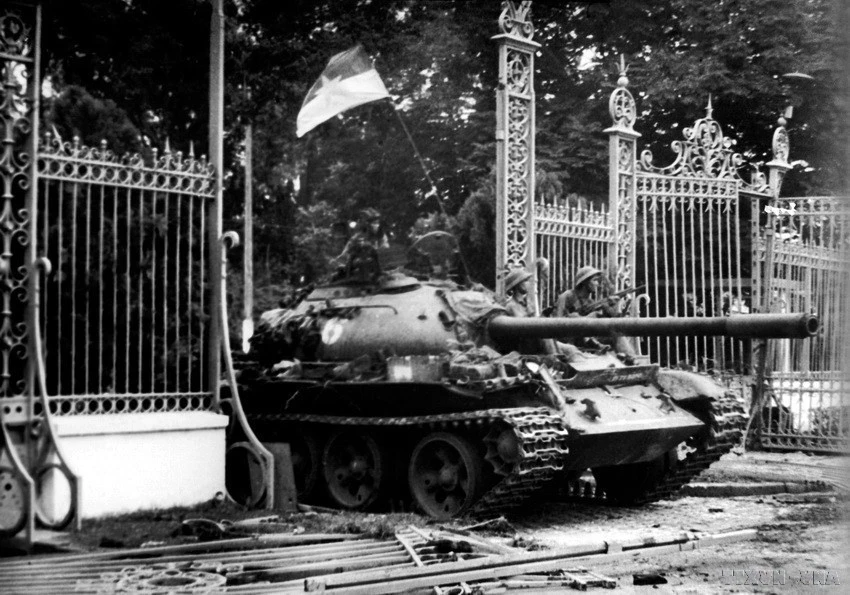
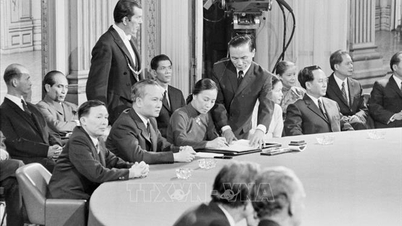
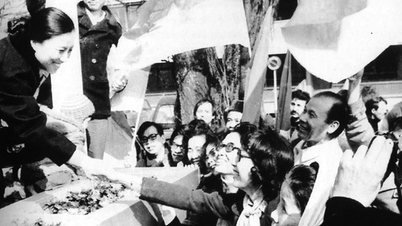
Opening ceremony of the official talks between representatives of the Government of the Democratic Republic of Vietnam and representatives of the US Government in Paris on May 13, 1968. The delegation of the National Liberation Front of South Vietnam, led by Mr. Tran Buu Kiem as Head of Delegation, with Ms. Nguyen Thi Binh and Mr. Tran Hoai Nam as Deputy Heads of Delegation, attended the Four-Party Conference between the United States, the Republic of Vietnam, and the Democratic Republic of Vietnam - National Liberation Front of South Vietnam, which opened in Paris on January 25, 1969. Ms. Nguyen Thi Binh, Head of the Provisional Revolutionary Government of South Vietnam delegation, answers questions from journalists after attending the first session on procedures of the Four Delegations Conference in Paris (France) on January 18, 1969. Minister Xuan Thuy, Head of the Delegation of the Government of the Democratic Republic of Vietnam to Paris (France), held official negotiations with the US Government on May 9, 1968. On January 25, 1969, the Four-Party Conference on Peace in Vietnam officially opened its first plenary session, comprising four delegations: the Democratic Republic of Vietnam, the National Liberation Front of South Vietnam, the United States, and the Republic of Vietnam. Advisor Le Duc Tho speaks with Dr. Henry Kissinger, US advisor to France, on January 13, 1973. Dr. Henry Kissinger, US advisor, speaking with Advisor Le Duc Tho in France, January 13, 1973. Advisor Le Duc Tho at the initialing ceremony of the Agreement on Ending the War and Restoring Peace in Vietnam in Paris (France), January 23, 1973. Deputy Prime Minister and Minister of Foreign Affairs of the Democratic Republic of Vietnam, Nguyen Duy Trinh, signed the Paris Agreement on ending the war and restoring peace in Vietnam on January 27, 1973, at the International Conference Center in Paris, France. U.S. Secretary of State William P. Rogers signed the Paris Agreement on ending the war and restoring peace in Vietnam on January 27, 1973, at the International Conference Center in Paris, France. Minister of Foreign Affairs of the Provisional Revolutionary Government of the Republic of South Vietnam, Nguyen Thi Binh, signed the Paris Agreement on Ending the War and Restoring Peace in Vietnam on January 27, 1973, at the International Conference Center in Paris, France. Prime Minister Pham Van Dong, advisor Le Duc Tho, and Deputy Prime Minister Nguyen Duy Trinh held talks with US government advisor Henry Kissinger to discuss the implementation of the Agreement (February 10, 1973). First meeting of the Four-Party Joint Military Commission on preparations for the implementation of the Paris Agreement (Saigon, February 2, 1973) Representatives of the Democratic Republic of Vietnam and representatives of the United States, along with the International Monitoring and Control Organization and the Four-Party Joint Military Commission, exchanged information on the procedures for the repatriation of 116 US military personnel captured during the war (February 12, 1973). Our soldiers escaped from American-backed prisons to return to the liberated zone during a prisoner exchange on the Thach Han River (Quang Tri province), March 9, 1973. In accordance with the Paris Agreement, American soldiers boarded planes to withdraw from South Vietnam under the supervision of the Democratic Republic of Vietnam Army and the Liberation Army at Tan Son Nhat Airport on March 19, 1973. The victory of signing the Paris Agreement was one of the consequences of the 1968 Tet Offensive. (In the photo: Key American positions in Saigon attacked by the Liberation Army during the Tet Offensive (1968)) Liberation Army attacks and destroys enemy in Saigon (1968) In an attempt to exert pressure at the negotiating table, Nixon sent B-52 bombers to attack Hanoi, Hai Phong, and several other locations in North Vietnam, but suffered heavy defeats. (Image caption: Anti-aircraft artillery positions of the Ba Dinh Bus Enterprise (Hanoi) firing at American planes on a December night in 1972) On December 30, 1972, the United States was forced to unilaterally declare a halt to bombing of North Vietnam north of the 20th parallel and proposed resuming negotiations in Paris. (Image caption: A US plane shot down by Hanoi's armed forces and civilians is burning in the skies over the capital (1972)) The Paris Agreement was a historic turning point, creating new momentum and strength for our nation's resistance struggle, leading to the Great Victory of Spring 1975. In the photo: At 11:30 AM on April 30, 1975, Liberation Army tanks crossed the iron gate, capturing the Saigon puppet regime's Presidential Palace, the last stronghold of the enemy, gloriously ending the nation's 30-year struggle against foreign invaders.TB (according to VNA)

 Việt Nam•27/01/2024












































































Comment (0)