

According to the assessment of the Tanh Linh District Agricultural Technical and Service Center, in the 2023 summer-autumn crop season, farmers whose fields were near the "crop trap" model experienced less damage to their rice crops from rats compared to previous seasons. This resulted in a reduction in the cost of pesticides used to control rats, while also minimizing health risks and protecting the environment.
Over the years, agricultural production in the province has shown an increasing trend of pest infestations on crops. In particular, the growing problem of rats damaging rice fields has created difficulties for farmers. In response to this situation, from 2021 to the present, the Provincial Department of Crop Production and Plant Protection has implemented several models of attracting and catching rats using the "crop trap" method in Duc Linh and Tanh Linh districts. Especially in the 2023 summer-autumn crop season, the Provincial Department of Crop Production and Plant Protection (TT & BVTV) continued to cooperate with the Tanh Linh District Agricultural Technical and Service Center and the Dong Kho Commune People's Committee to implement the "crop trap" model to manage rat damage on rice crops.
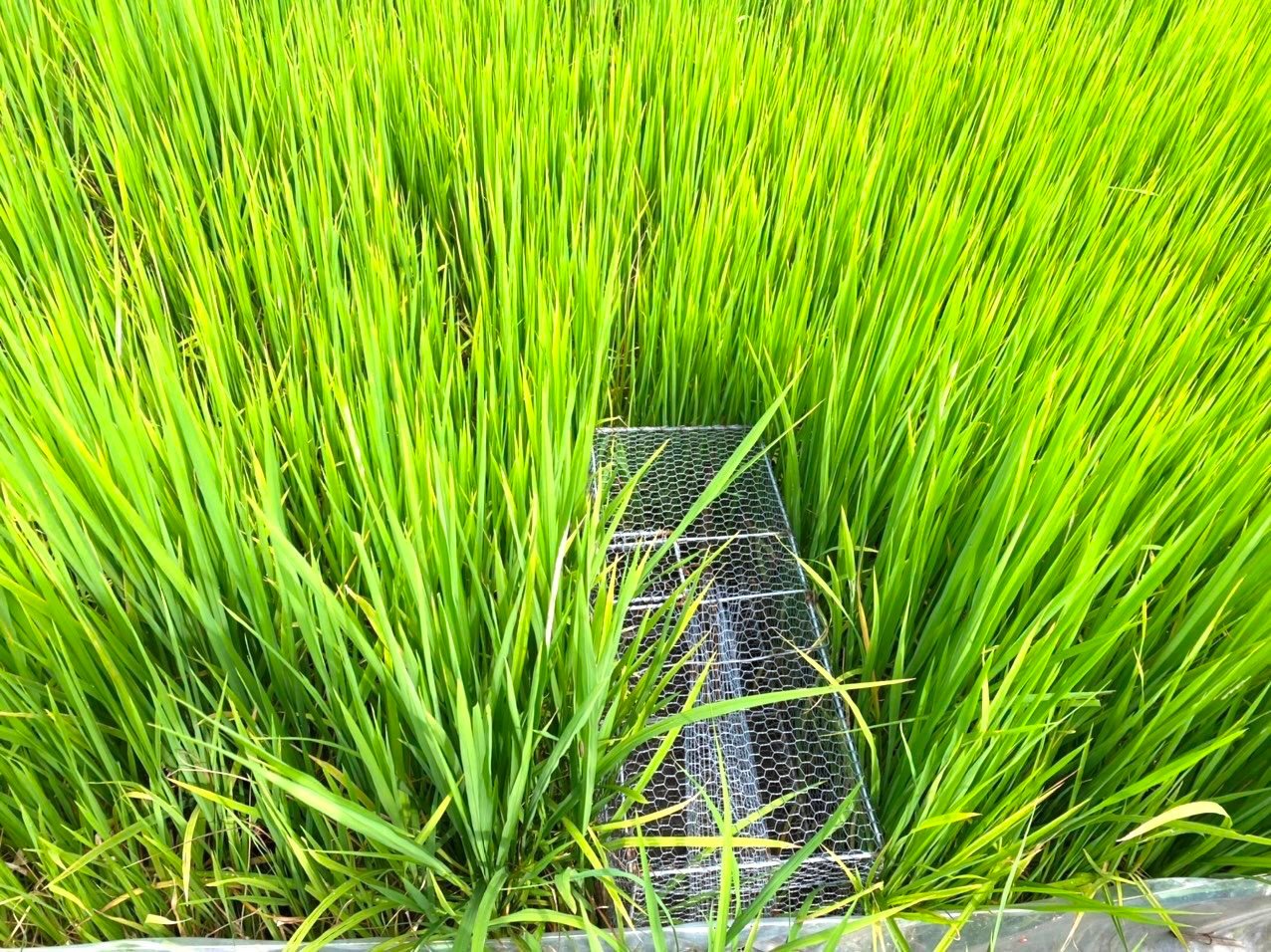
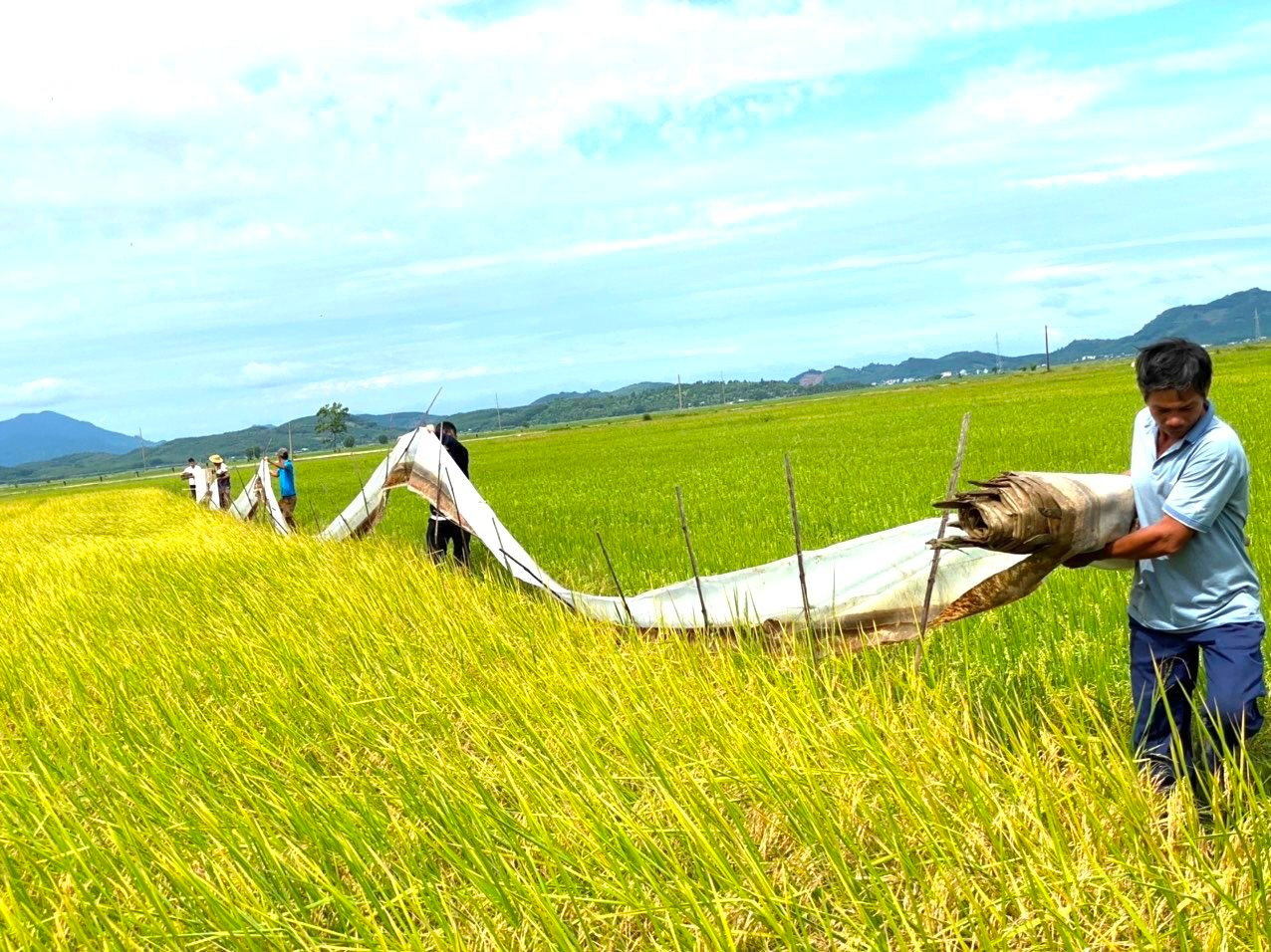
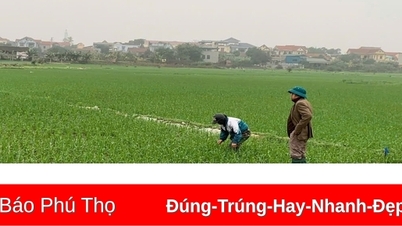
Accordingly, from March to July 2023, traps were set up in the rice fields of farmer Truong Thi Hoang, located in the large rice paddy of Dong Kho commune. The model was implemented using the ST25 fragrant rice variety, with 20 kg of seeds sown per 1,500 m² , planted 20 days earlier than other rice fields in the same area. The trap field was surrounded by a 50 cm high nylon fence to prevent rats from climbing and gnawing through the fence to get inside. Outside, a small ditch containing water, measuring 30 cm wide x 25 cm deep, was placed. Twelve traps were used in the model, with 2-4 traps placed on each embankment to collect rats. The traps were made from rectangular iron frames measuring 60 cm x 30 cm, surrounded by wire mesh.
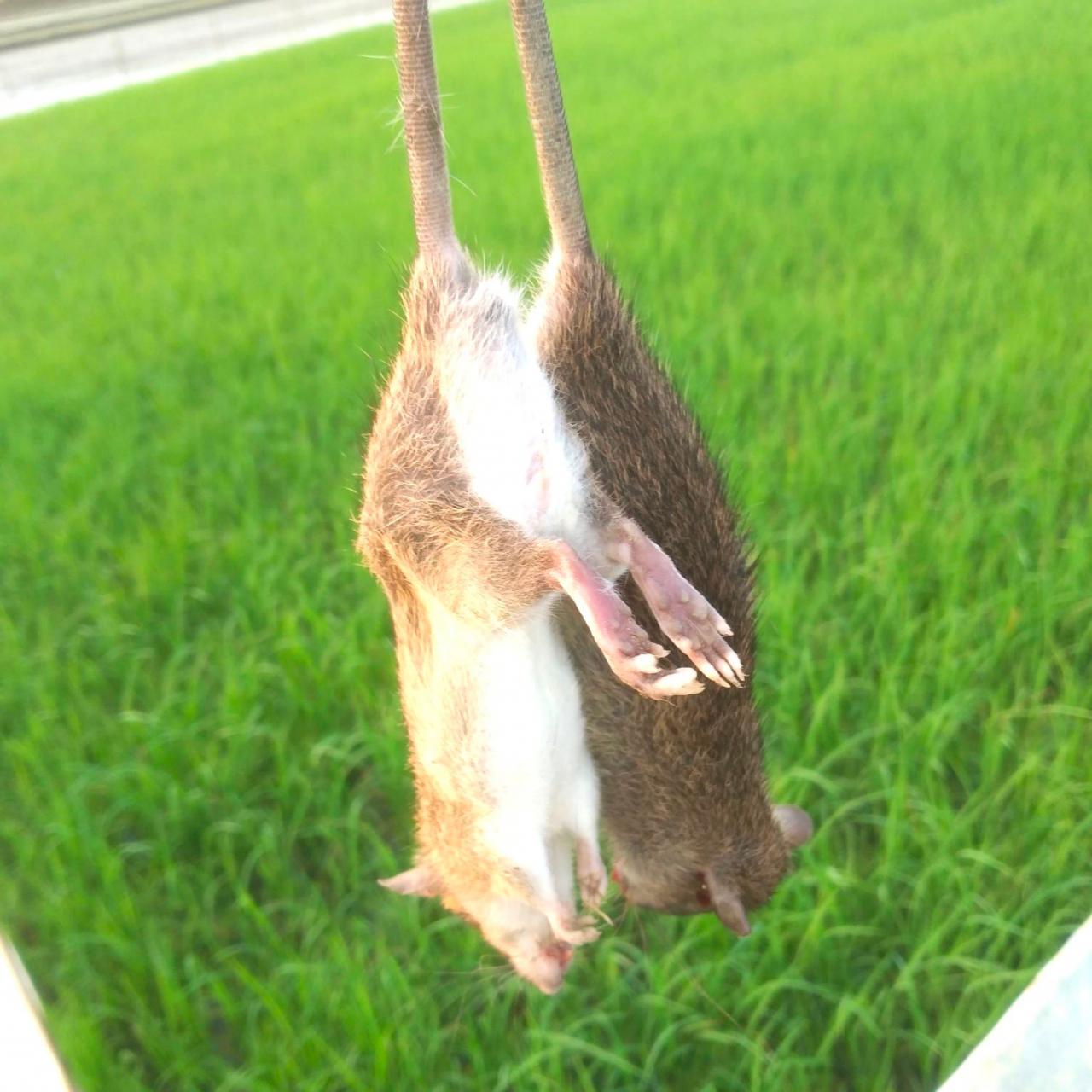
Participating households in the model receive 100% support for production costs and equipment according to the established process, such as ST25 rice seeds, fertilizers, rat-catching tools, etc., and a subsidy of 10 million VND per crop for farmers with land to participate in the model (funding from the Provincial Department of Plant Protection and Quarantine). Furthermore, through training, farmers learn basic techniques for trapping and luring rats using "crop traps," such as preparing trap cages, preparing furrows for sowing, creating water channels, etc. Over the course of the model, nearly 100 adult rats have been captured.
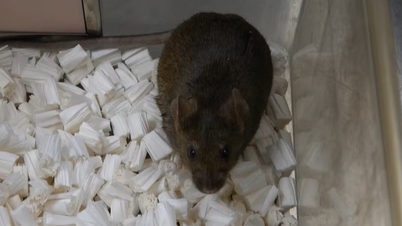
According to Mr. Nguyen Kim Thanh, Director of the Agricultural Technical and Service Center of Tanh Linh District, monitoring the model has shown a decrease in the number of rats caught in traps this season compared to previous models during the same summer-autumn season. However, this year, a large number of "sewer rats" are larger than common rats, weighing from 0.5 to 1 kg. This species is a pest that damages rice crops on a large scale; they dig very large burrows and cause significant damage to the local irrigation system and canals.
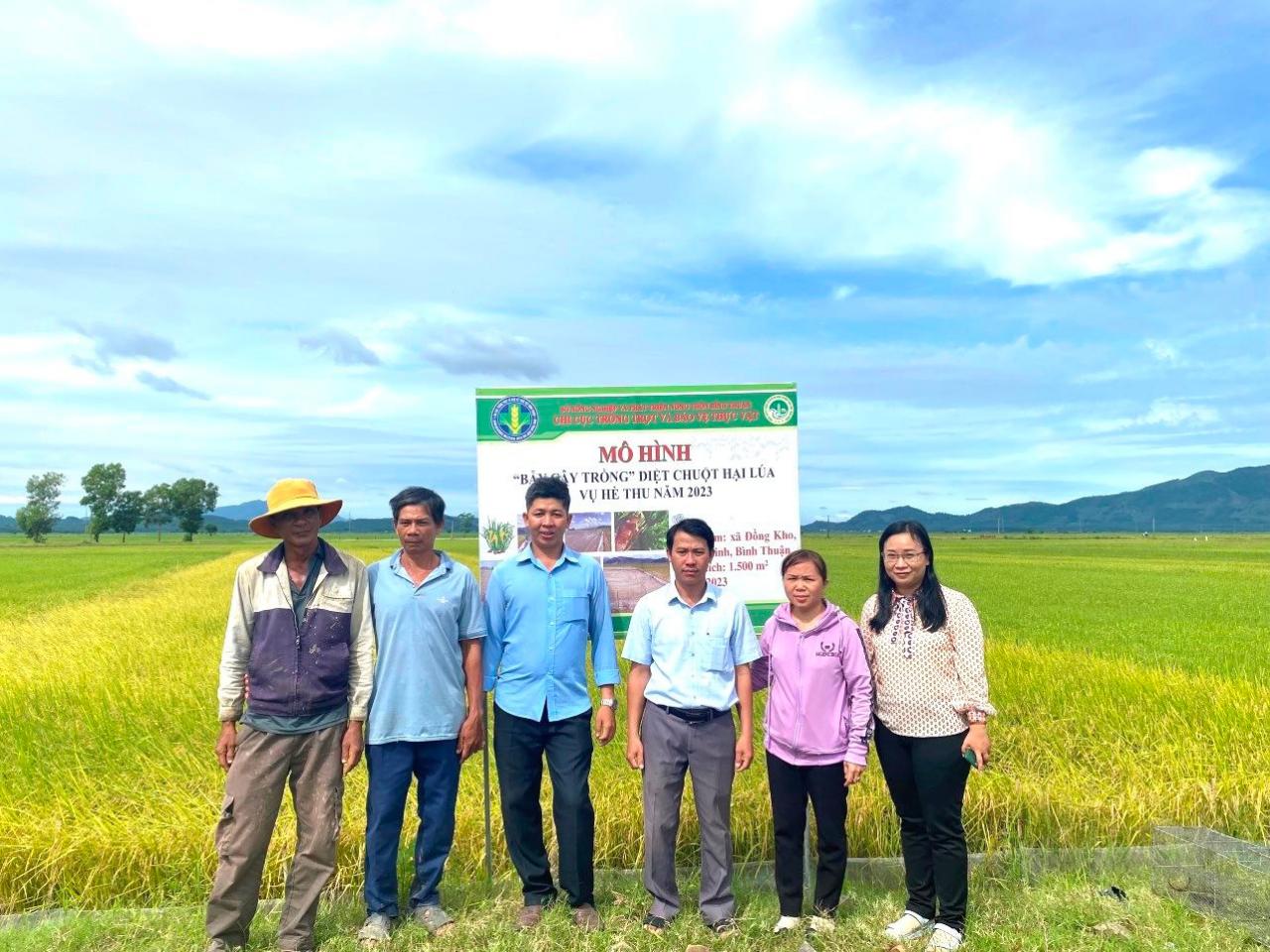
According to Mr. Thanh, for the "crop trapping" model to be highly effective, it requires the cooperation of local authorities and farmers in the same farming area. In cultivation, applying diverse measures to control pests, especially rats, is essential for achieving the best results. Furthermore, it must be done regularly, continuously, and implemented in multiple locations to help reduce crop pests, increase productivity and product quality, and improve income for households on the same cultivated area. The District Agricultural Technical and Service Center will continue to transfer this technology to local farmers to replicate the "crop trapping" model in other fields. This will help enhance community engagement, contribute to increased economic efficiency, protect the environment, and promote sustainable agricultural production.
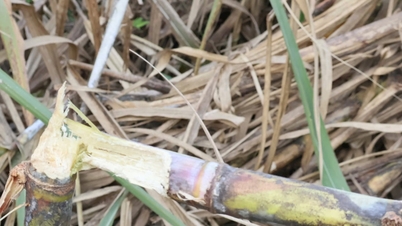
According to the Provincial Department of Plant Protection and Quarantine, this year's summer-autumn rice crop in the province covers over 39,300 hectares, mainly in the ripening and harvesting stages. Since the beginning of the year, more than 310 hectares of rice fields in the province have been damaged by rats. The rat-luring and trapping models using "plant traps" have successfully caught hundreds of adult rats. Based on the cumulative reproductive behavior of a pair of parent rats, the model has contributed to reducing the number of offspring by 1,500 to 3,000 rats (including offspring and grandchildren).
Source
![[Photo] Prime Minister Pham Minh Chinh receives the Chinese Ambassador to Vietnam](https://vphoto.vietnam.vn/thumb/1200x675/vietnam/resource/IMAGE/2026/04/05/1775397481797_ndo_br_dsc-5512-jpg.webp)

























































Comment (0)