

 SKĐS - Every autumn, Hanoi is filled with the intoxicating scent of milk flower blossoms. Every street and alley is overflowing with the pristine white flowers, evoking feelings of wistfulness and longing in everyone. Mentioning milk flowers immediately brings to mind Hanoi's autumn, with its tiny, ivory-white clusters of blossoms swaying in the breeze. The fragrance is subtle at first, but upon closer inspection, it becomes intensely captivating, leaving anyone with a sense of nostalgia, as in the lyrics of a song by composer Phu Quang: "Only the intoxicating scent of milk flowers remains, in this small room…".
When the autumn breeze arrives, the fragrant blossoms of the milkwood tree fill the streets of the capital with their beauty. The small, white milkwood flowers cluster together, reaching towards the gentle autumn sunlight. As a breeze passes by, they float through the air before softly touching the ground.
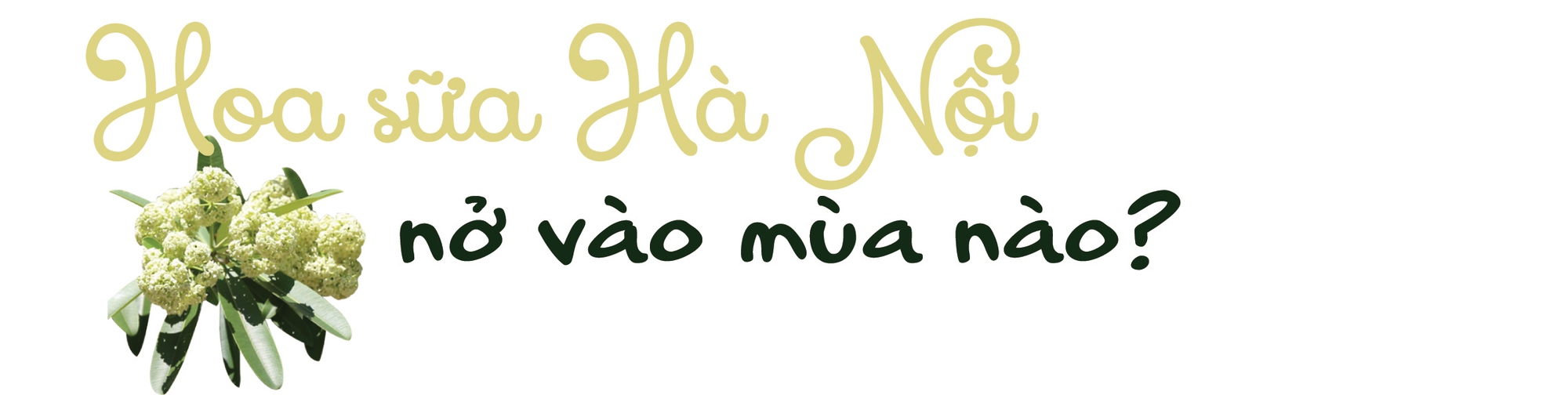
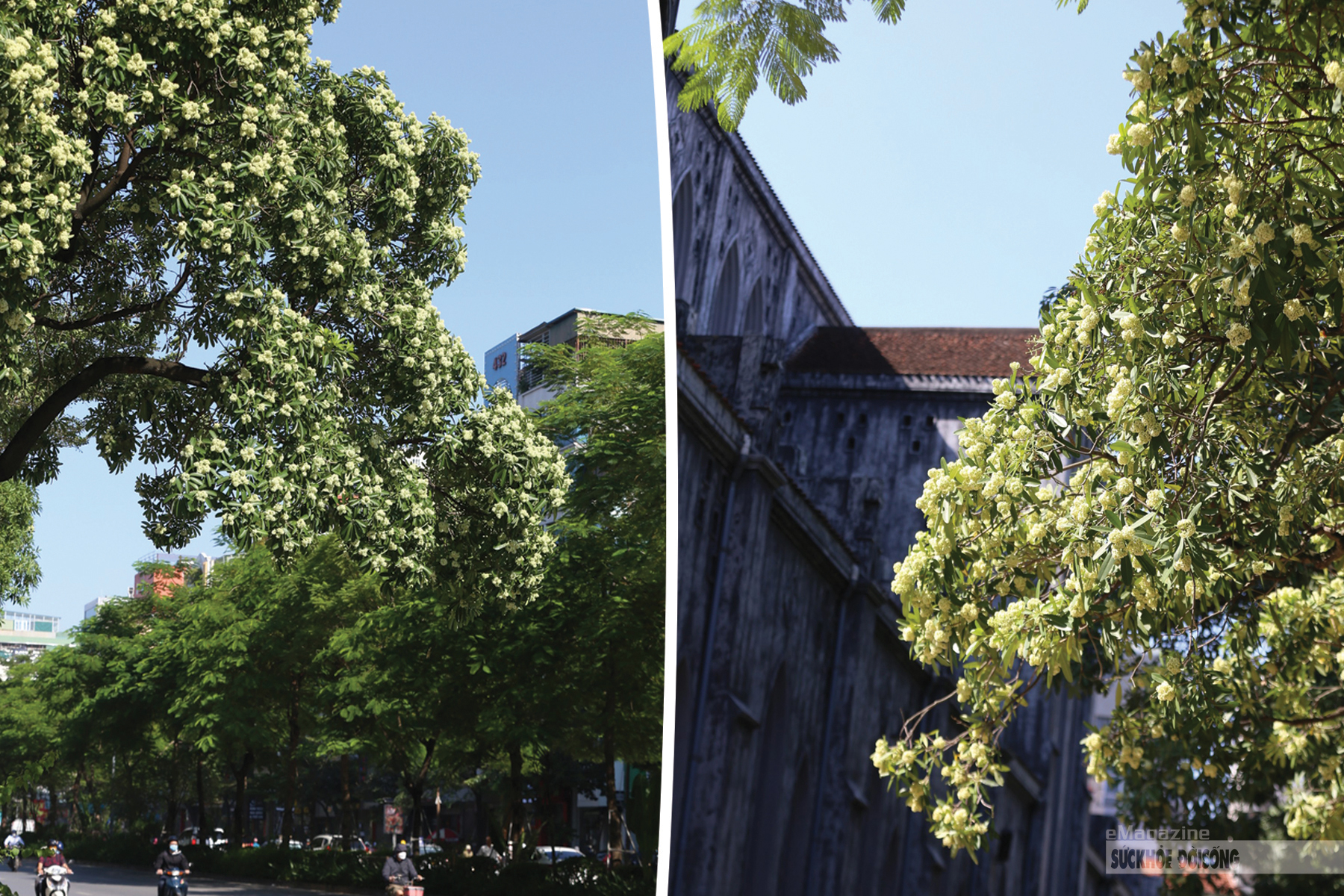
The milk flower is considered a symbol of autumn in Hanoi. Around mid-September to early October, these flowers begin to bloom, filling the air and streets of Hanoi with their refreshing fragrance. Not everyone likes this flower, but the scent of the milk flower always evokes fond memories of Hanoi.
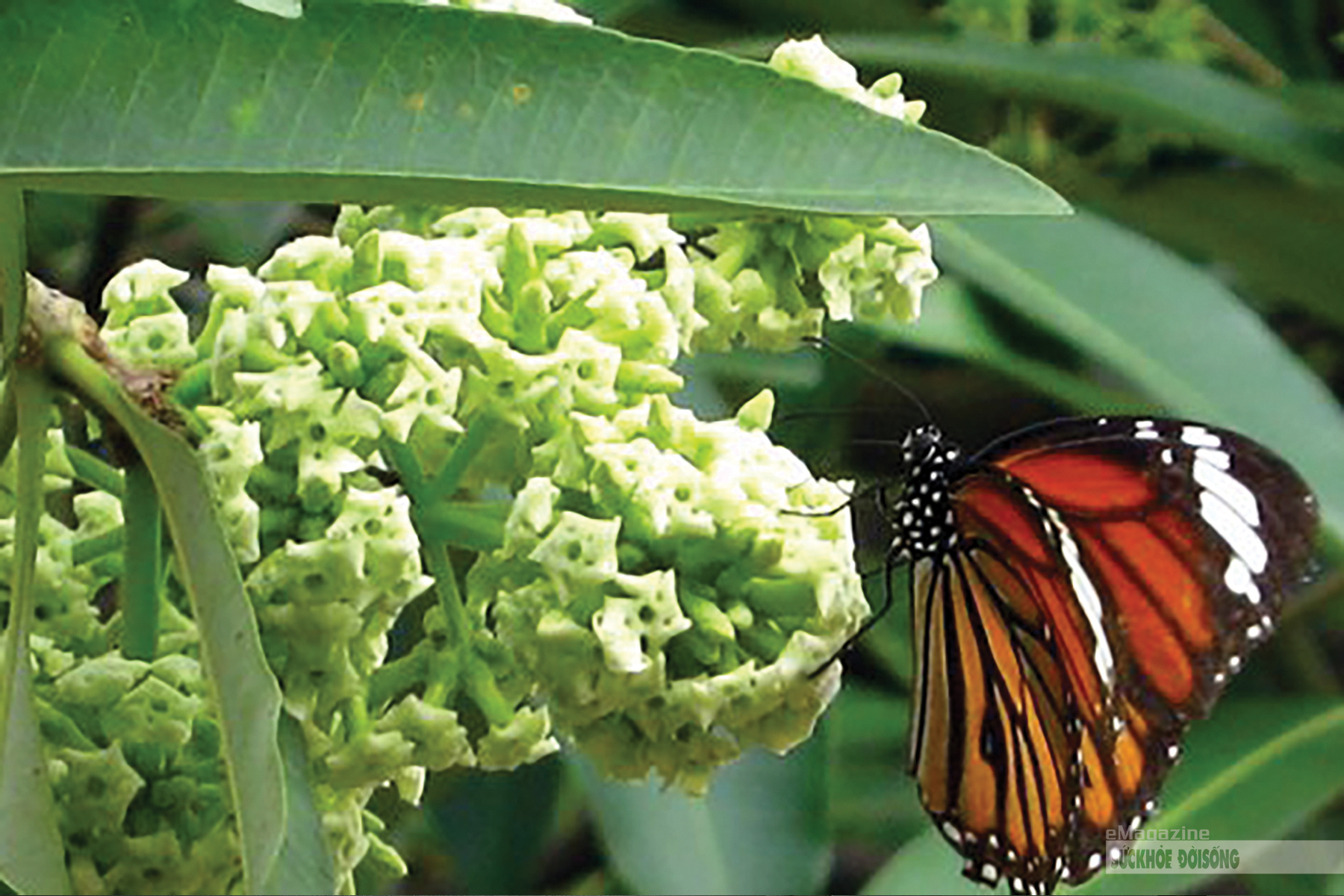
When the gentle autumn sun and the first cool breeze arrive, carrying the scent of Hanoi's milk flower, all one wants is to sit quietly in a corner, savoring a hot cup of coffee. During Hanoi's milk flower season, simply holding hands with your loved one while strolling through the streets seems to make all worries disappear.
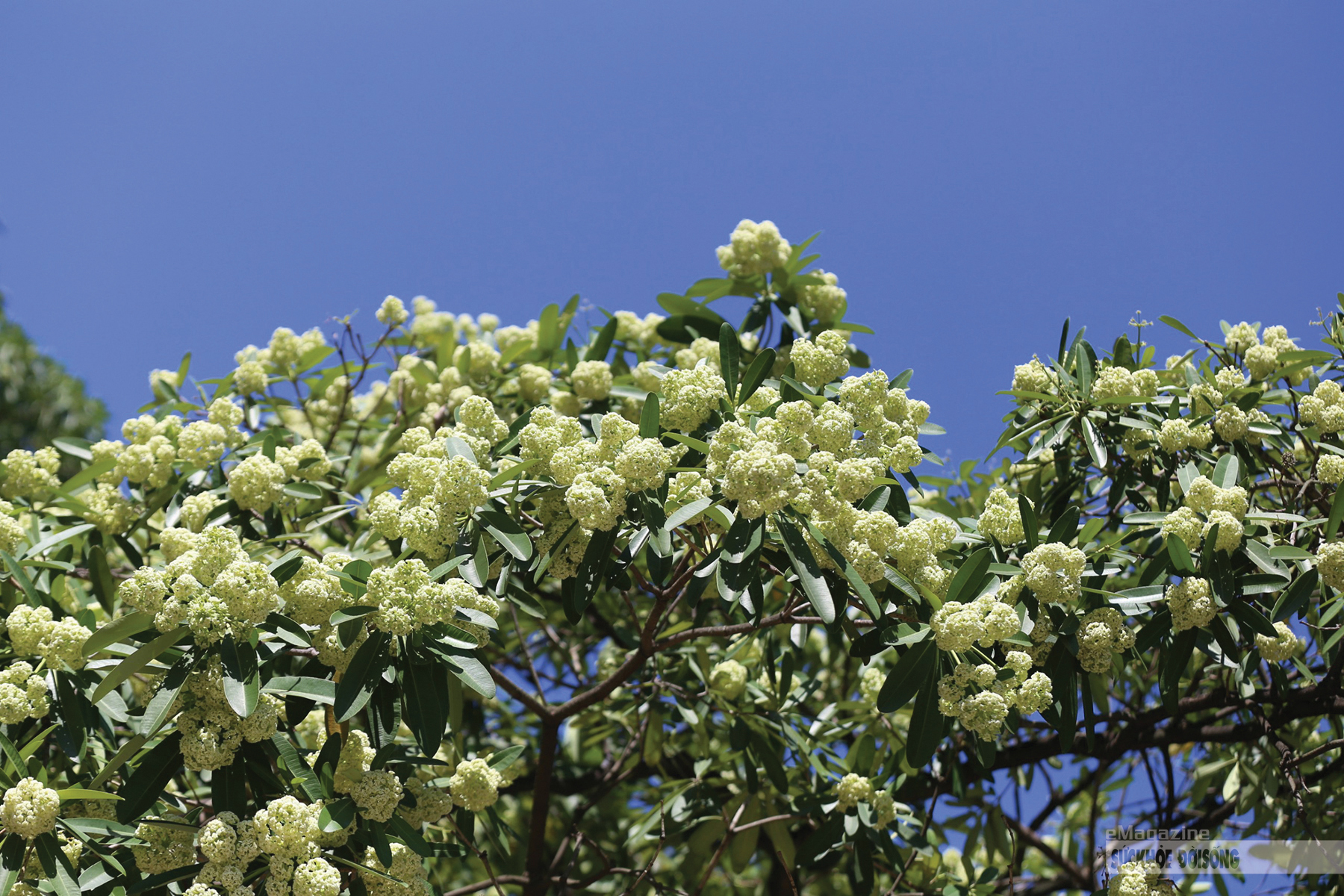
However, for those who find the scent of Hanoi's milk flower too strong and don't like it, it will be difficult to appreciate this fragrance. In reality, whether milk flowers are fragrant or not depends on individual perception and preference. If the scent of milk flowers is too strong, working or engaging in activities under its fragrance can be very tiring.
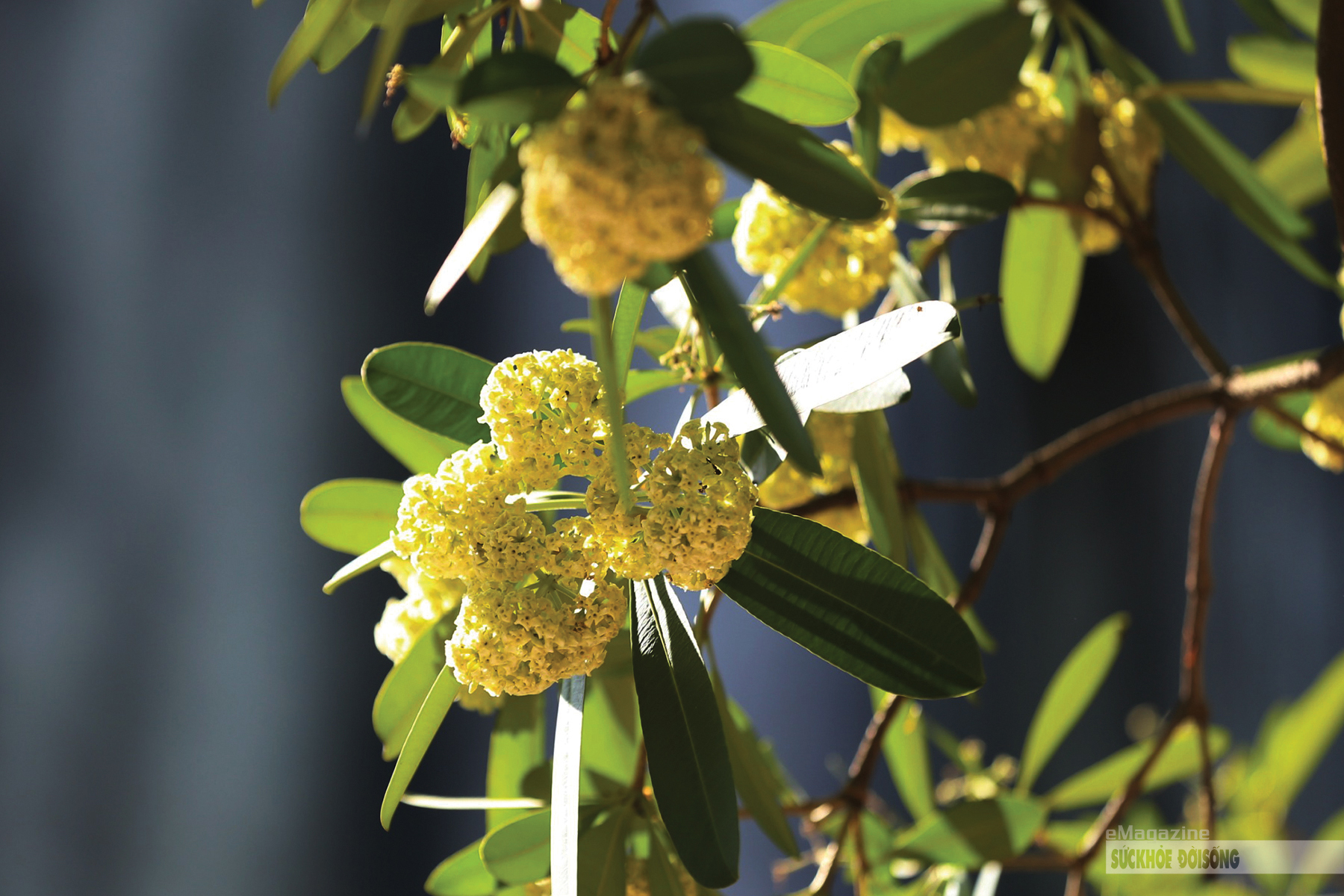
The milkwood tree is widely cultivated in tropical regions, especially in India, Thailand, Taiwan, and Australia. In many places, the tree can grow up to 40 meters tall and have a huge diameter. Similar to Vietnam, milkwood trees around the world typically bloom from early October to early December.

If you were to ask what one of the defining characteristics of autumn in Hanoi is, many people would immediately mention the milk flower. This small, white flower with its strong fragrance only blooms when the monsoon winds arrive, bringing with them a cool, crisp atmosphere.
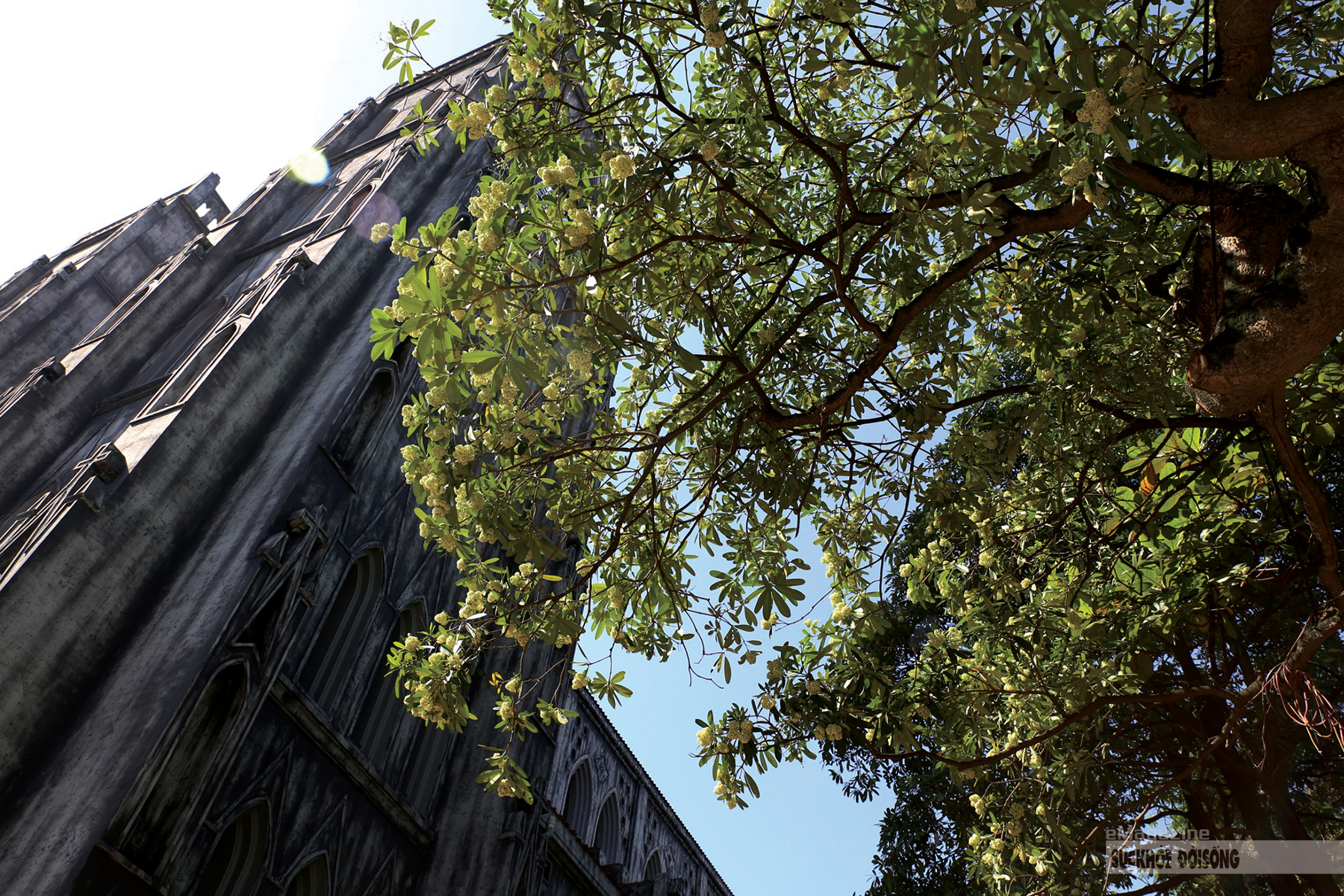
The milkwood tree, though not particularly striking in appearance, has a very distinctive fragrance. Just a couple of old milkwood trees along a street are enough to fill it with a sweet scent, easily noticeable to anyone passing by.
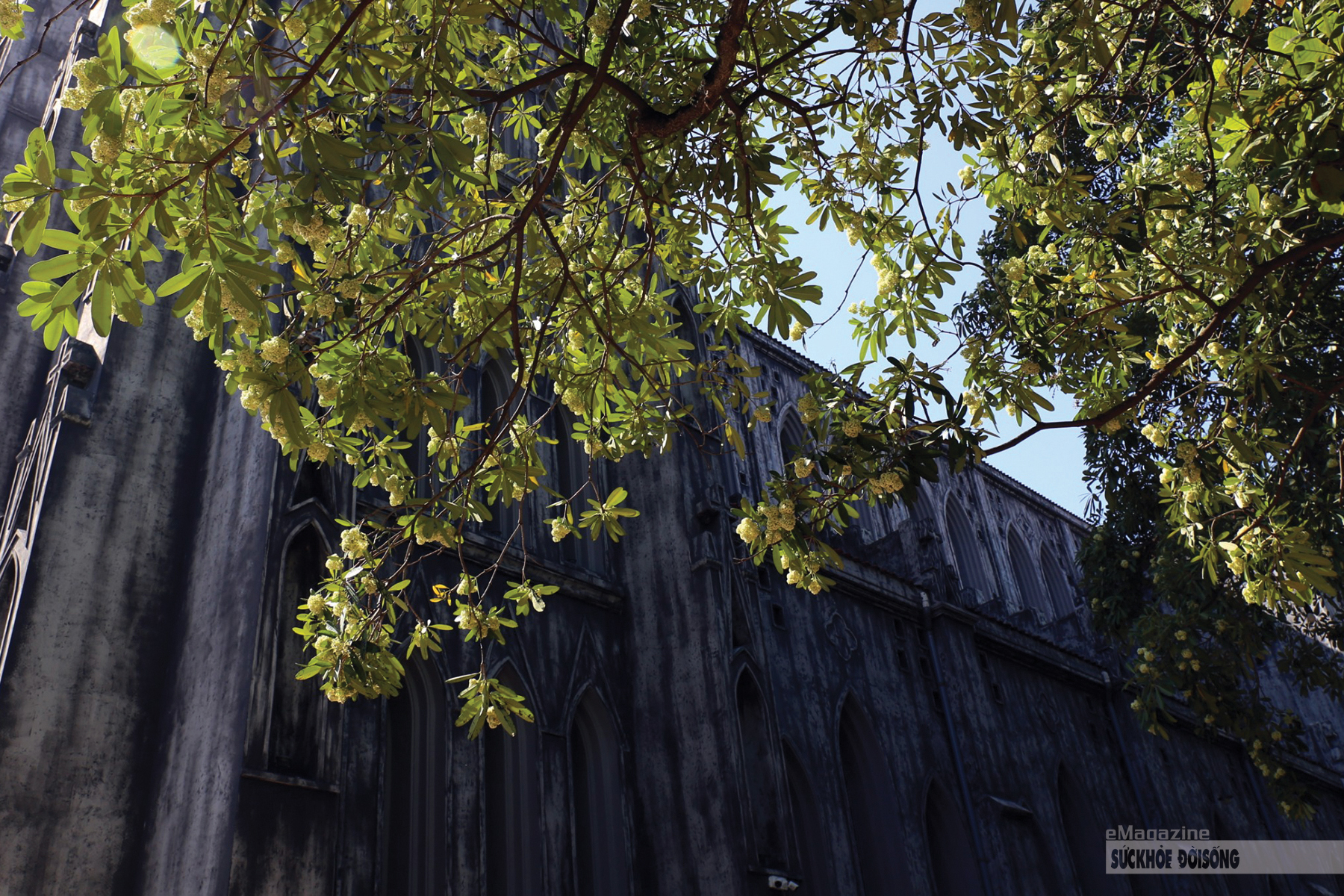
Towards the end of the season, the milk flower blooms more abundantly, emitting a stronger fragrance than at the beginning of the season. This special flower also has a unique characteristic: its scent becomes even more intoxicating as night falls.
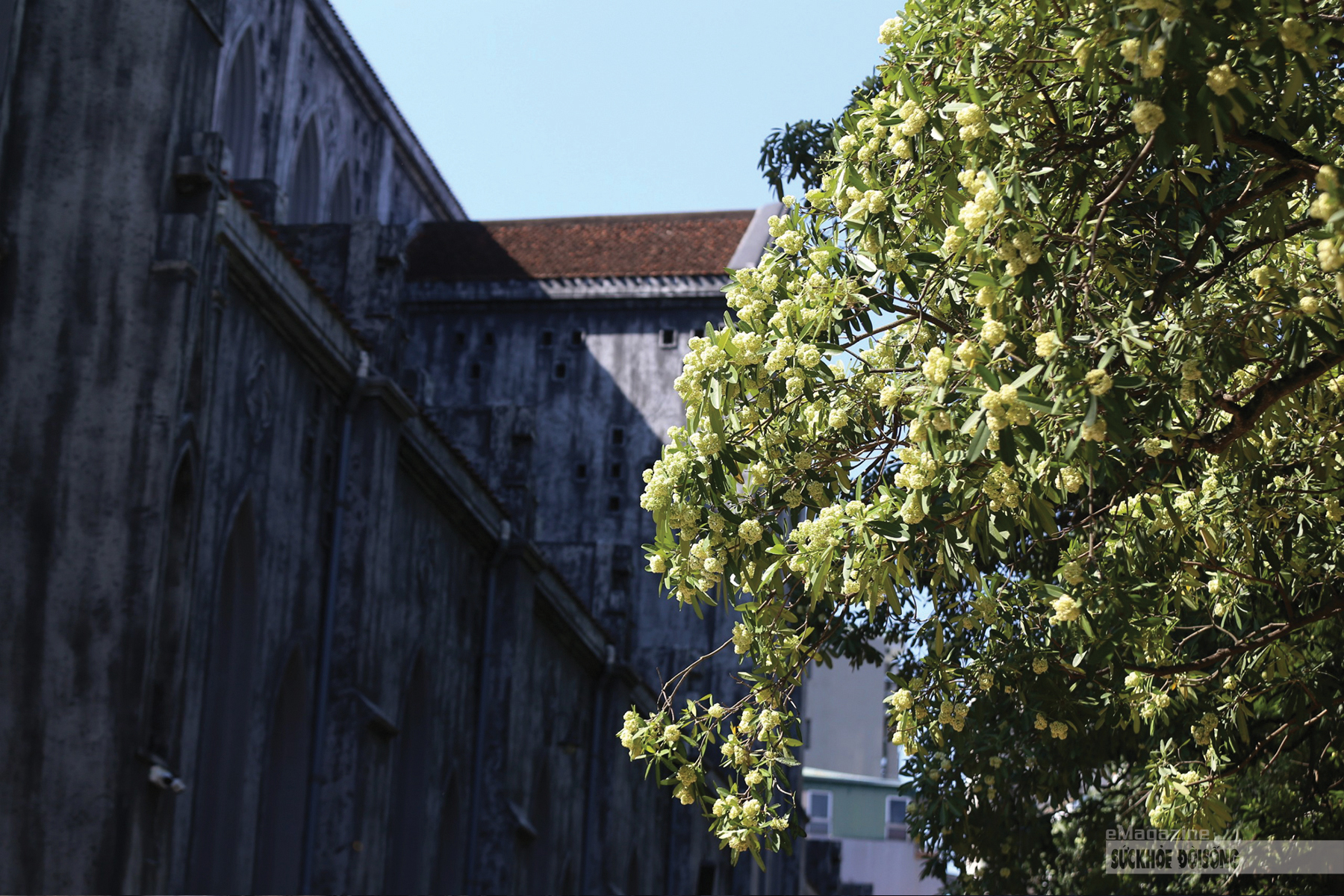
However, not everyone likes the scent of milk flower because its fragrance is so strong in the late season that it has caused many people to lose sleep and appetite.
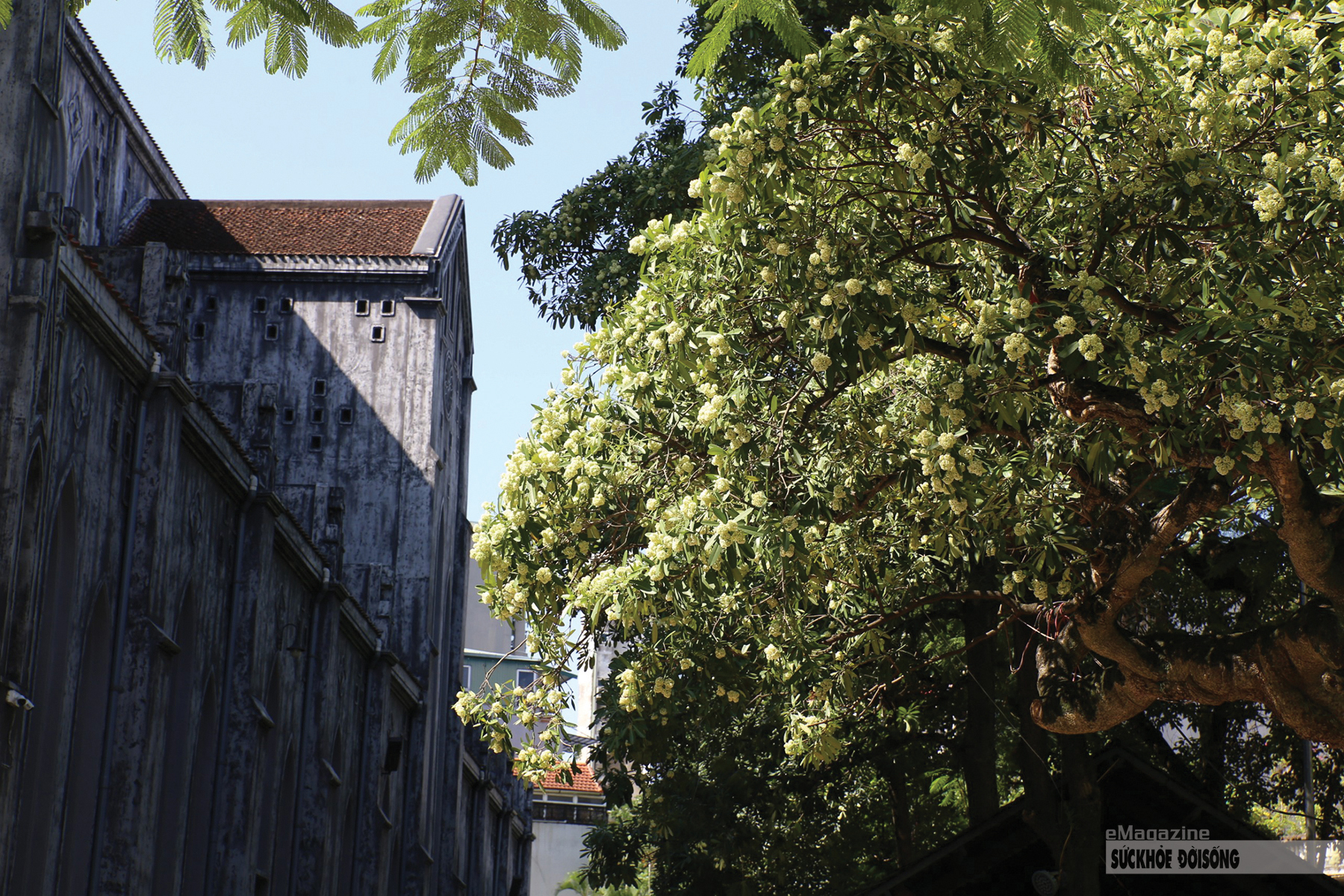
The milk flower is only beautiful and fragrant when its scent wafts gently through the night, enough to leave a lasting impression.
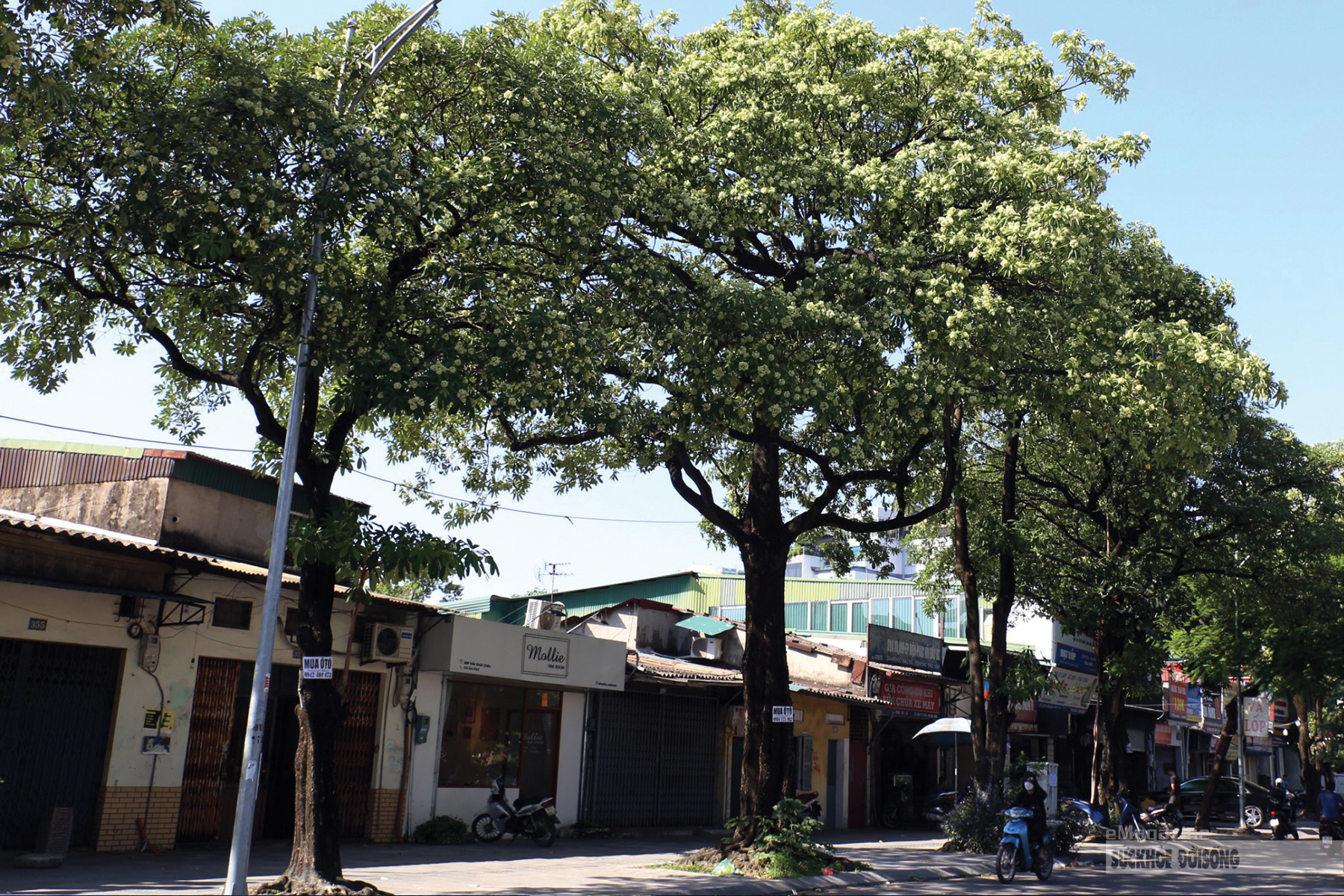
For those who have been to Hanoi during the season when the milk flower blooms, being away will evoke many memories of strolling along Hanoi's streets in early autumn.
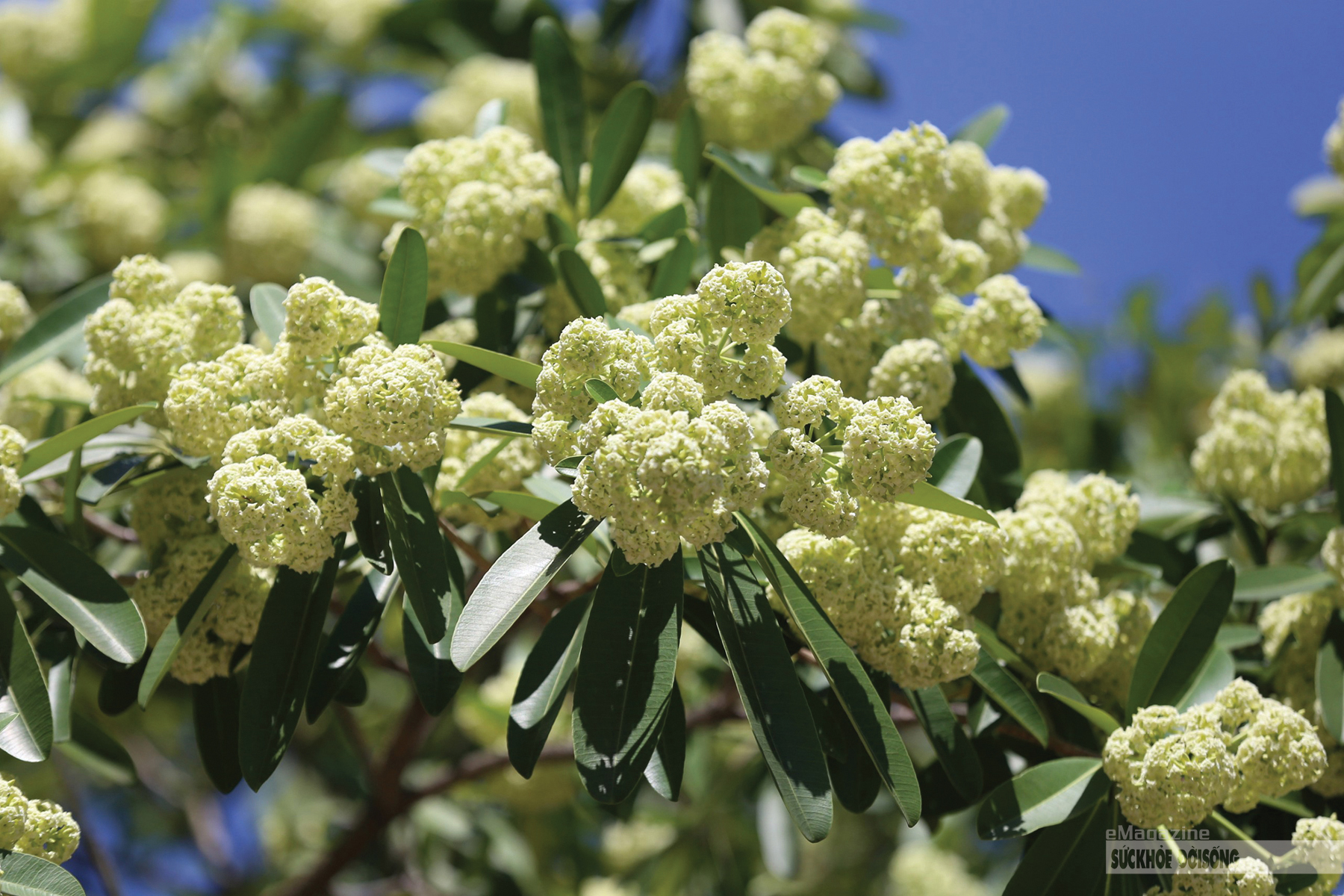
The scent of milkweed flowers leaves a particularly unforgettable impression.
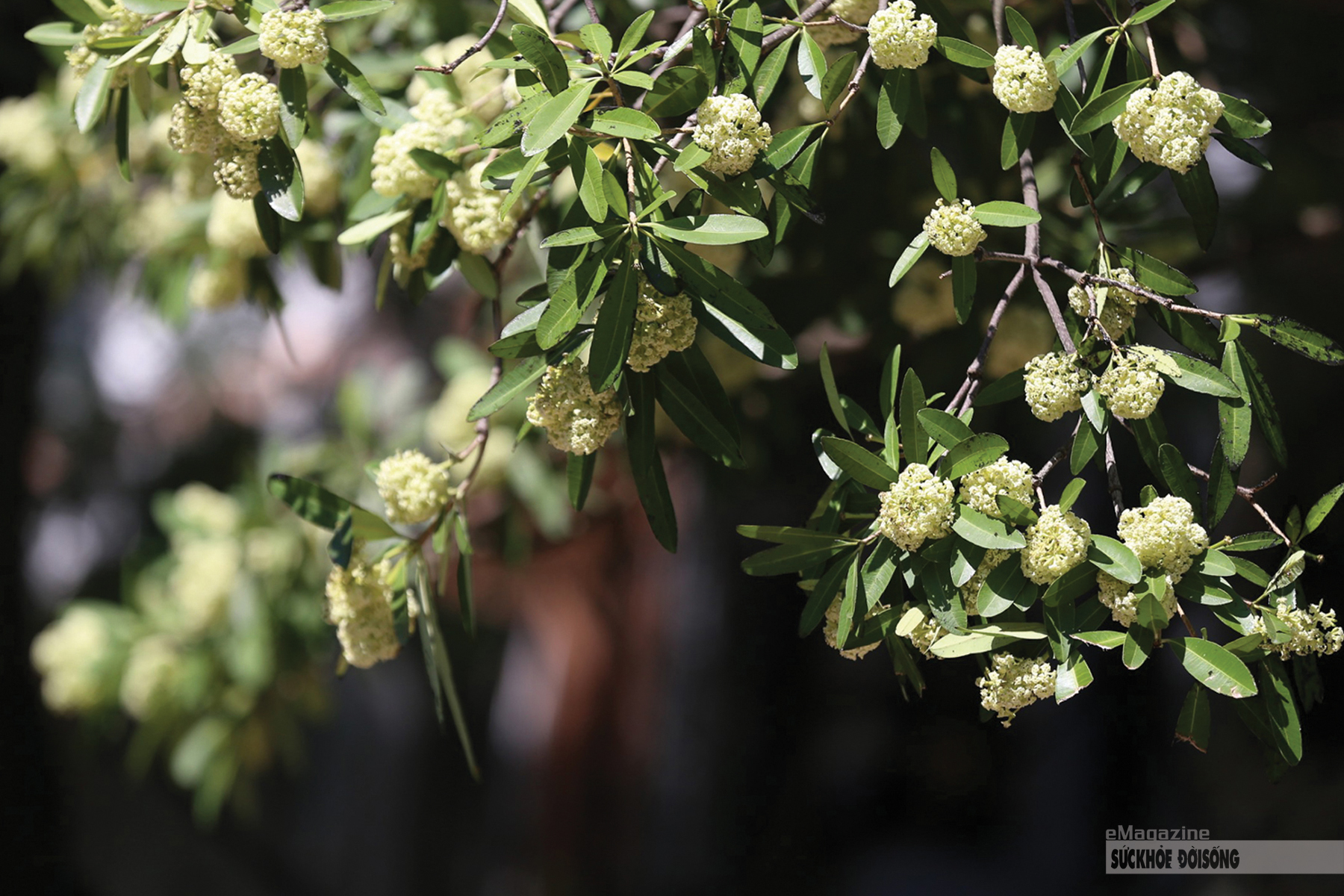
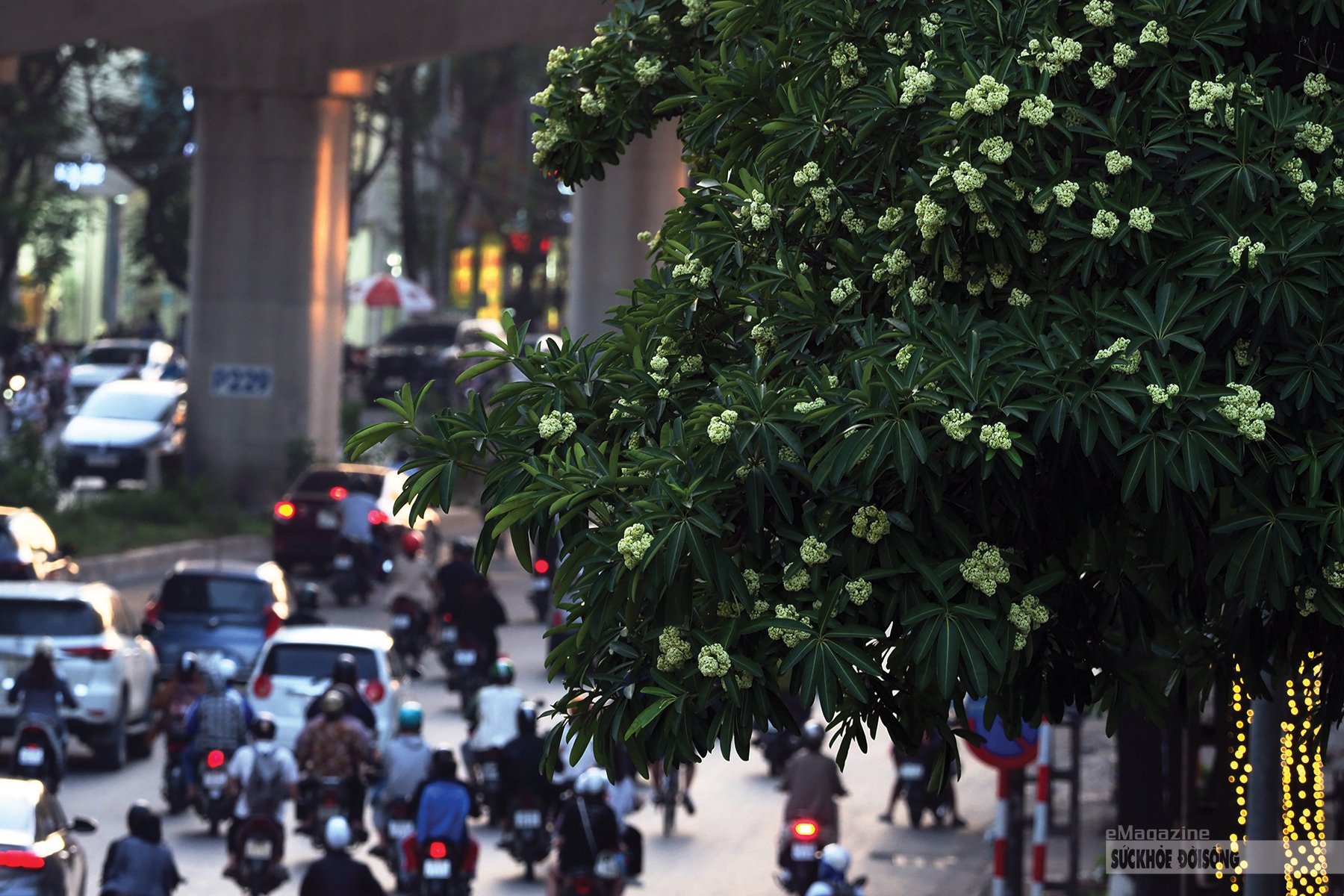
The romantic scenery has made people love and remember Hanoi's autumn even more.

The milk flower is deeply connected to the soul of Hanoians; it is present in their lives. A touch of gentleness, a touch of wistfulness, a touch of romance…
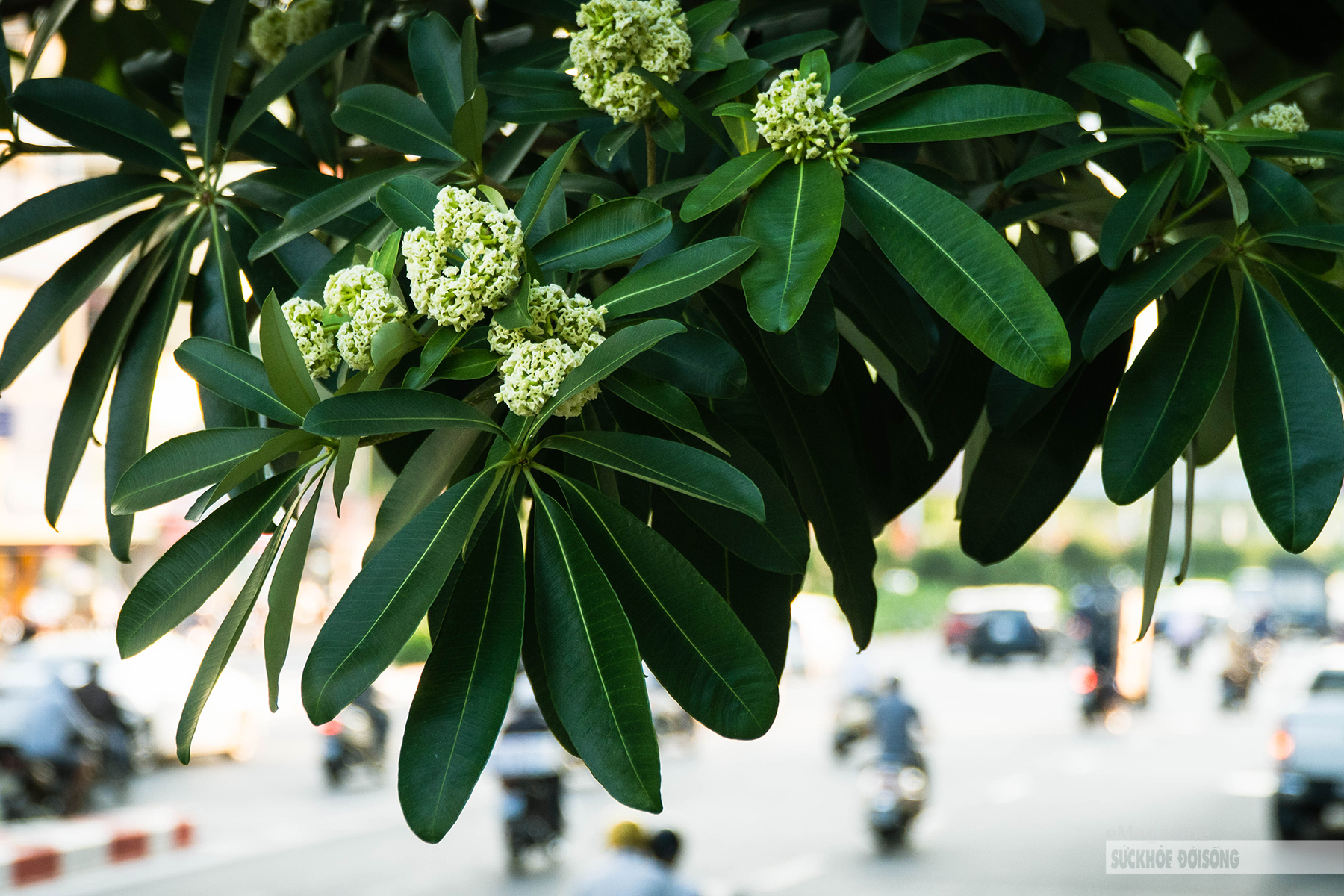
Currently, seedlings of the milkwood tree are available on the market, or you can grow them from seeds. Generally, milkwood trees don't require much care. Just pay close attention to the tree's care from when it's young until it's strong enough, then plant it in a well-ventilated, sunny spot, and it will grow very quickly.
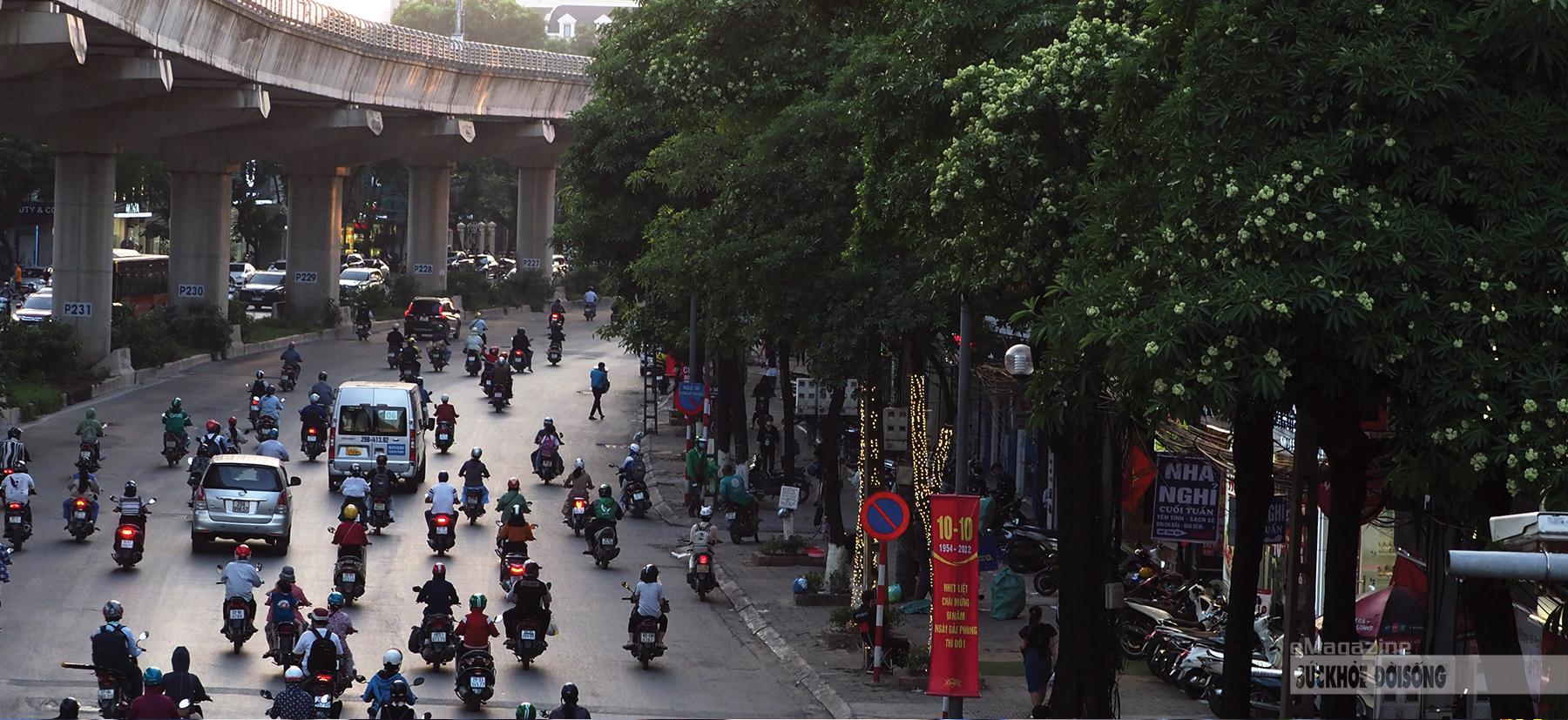
When the plant is young, it's important to ensure it receives enough water and sunlight so that its roots can grow deep into the soil and absorb nutrients.

Furthermore, the milkweed flower is also an invaluable medicinal herb used to treat many diseases in Traditional Chinese Medicine. The bark of the milkweed plant can be used to make medicinal wine, boiled in water, ground into powder, or extracted into liquid extract to treat many folk ailments such as diarrhea, toothache, ulcers, or to treat internal heat, poor appetite, emaciation, etc.
Tuan Anh - suckhoedoisong.vn
Source: https://suckhoedoisong.vn/hoa-sua-khoe-sac-nong-nan-mua-thu-ha-noi-169221012204703018.htm






















































































Comment (0)