

More than 90 autumns have passed, but the echoes of the Nghe Tinh Soviet Movement (1930-1931) still resonate in the pages of history and the memoirs of those who were the "souls" of those earth-shattering struggles. Under the leadership of the Party, many "red seeds" sprouted and developed in Huong Son and Duc Tho, helping the struggle movement in the localities along the peaceful La and Pho rivers grow stronger.
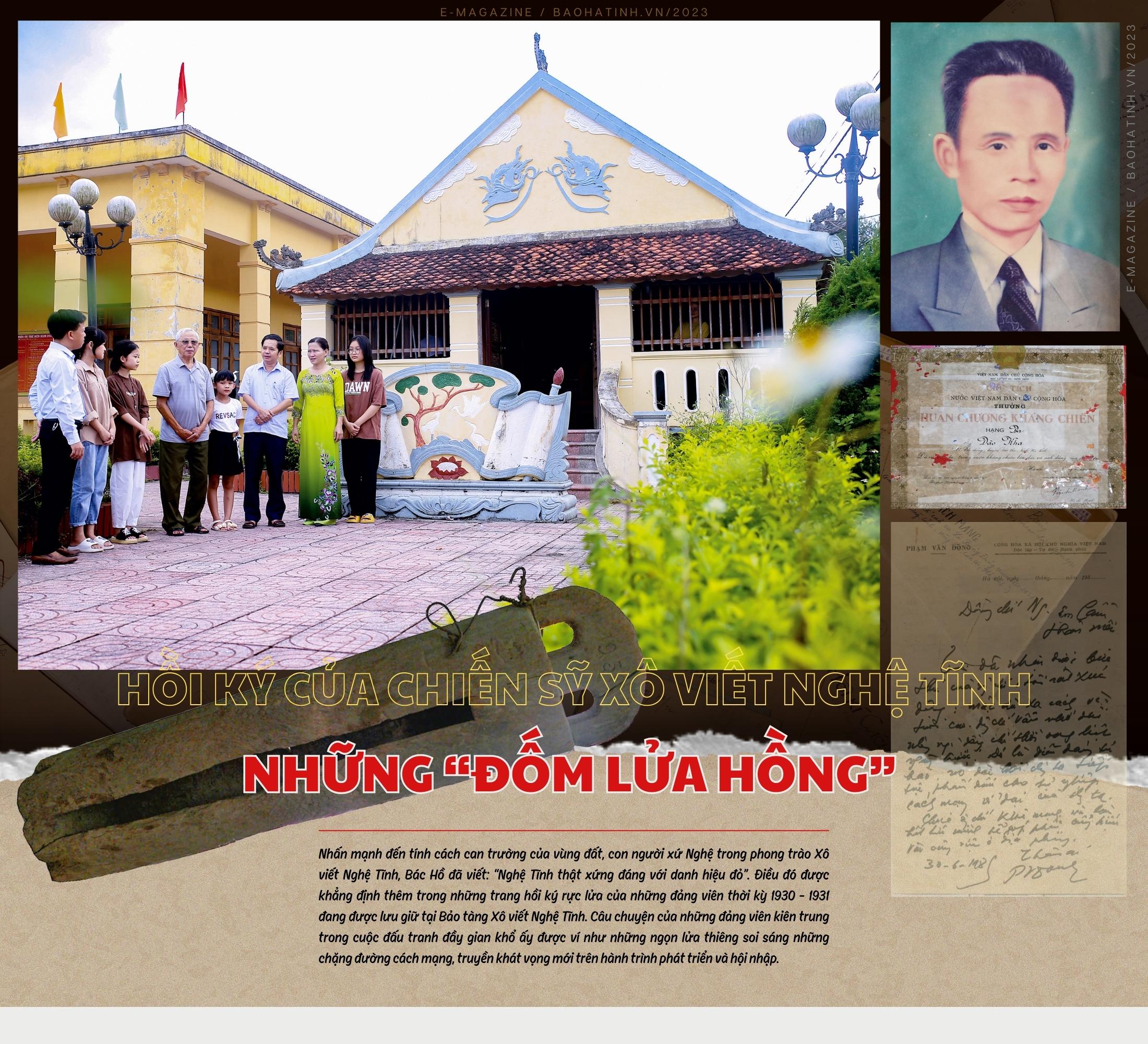
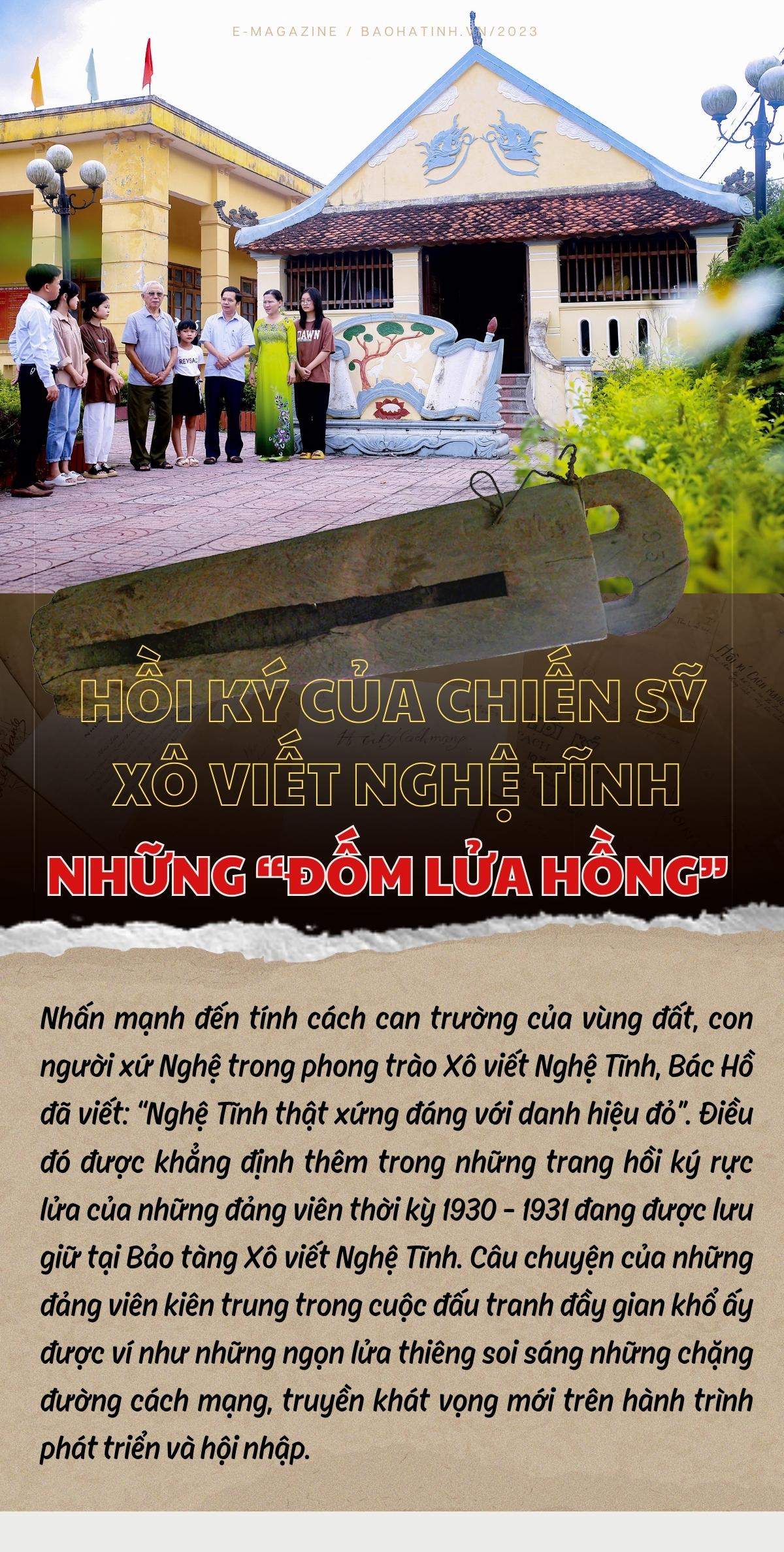
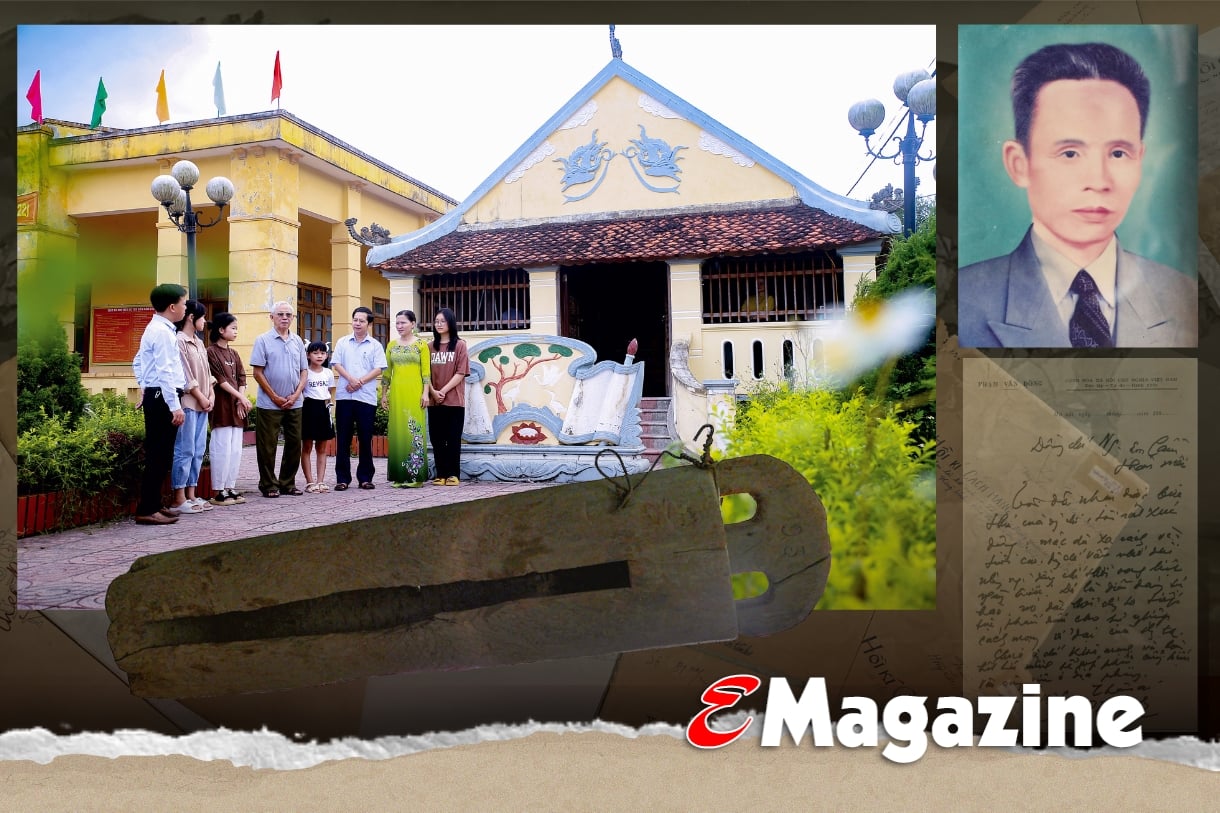

More than 90 autumns have passed, but the echoes of the Nghe Tinh Soviet Movement (1930-1931) still resonate in the pages of history and the memoirs of those who were the "souls" of those earth-shattering struggles. Under the leadership of the Party, many "red seeds" sprouted and developed in Huong Son and Duc Tho, helping the struggle movement in the localities along the peaceful La and Pho rivers grow stronger.


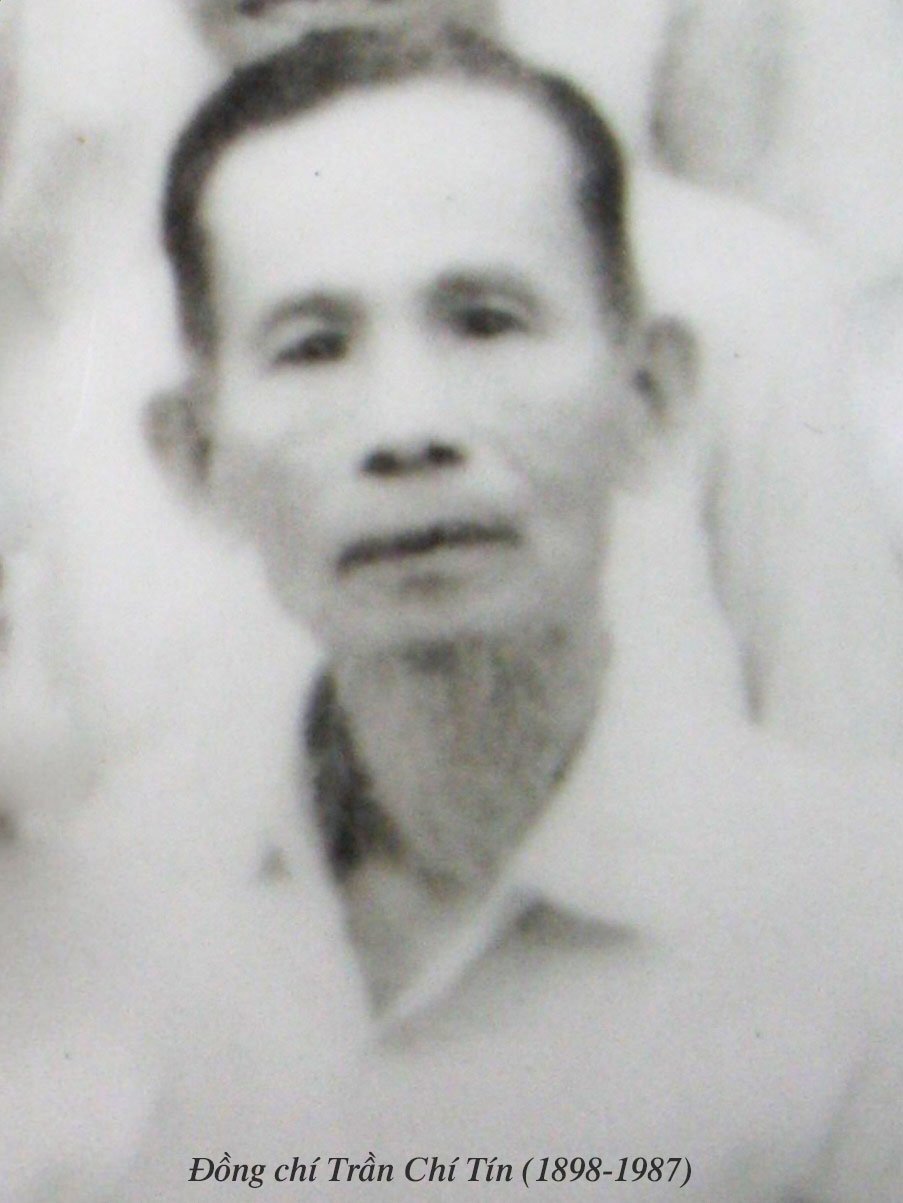
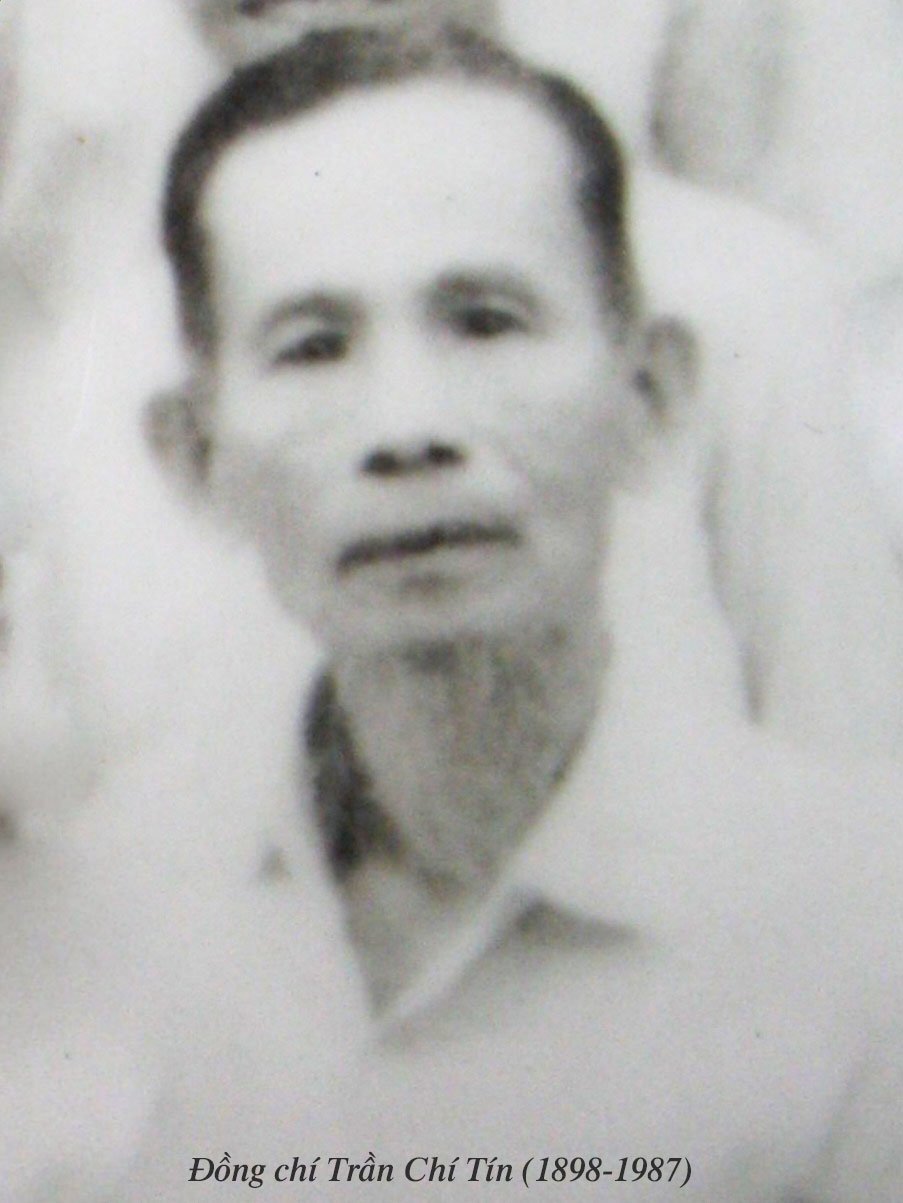
“That day, in Tu My village, a drumbeat signaled the start of the movement, and immediately, in neighboring communes and throughout the entire district, drums and gongs were being beaten all night long. At dawn, comrades, members of the Red Peasant Association, and a large number of people gathered at the assembly point for a rally and ceremony.” We encountered the sound of the Tu My village gong (Son Chau commune, Huong Son district) in a special way through the revolutionary memoirs of Comrade Tran Chi Tin (1898-1987) – Secretary of the Provisional Huong Son District Party Committee (1930), Secretary of the Huong Son District Party Committee (1945) at the Nghe Tinh Soviet Museum. And during these revolutionary autumn days, following those memoirs, we returned to the revolutionary homeland of Son Chau to learn more about the people who created the resounding sound of that gong in the Nghe Tinh Soviet movement.
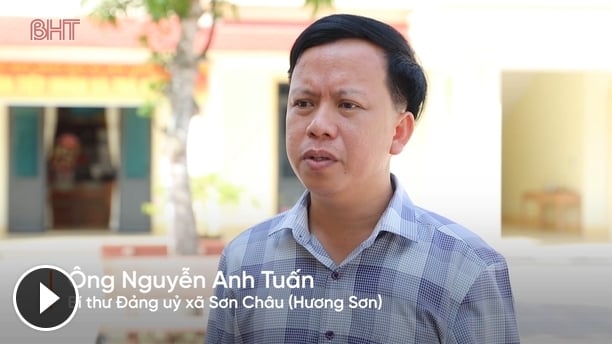
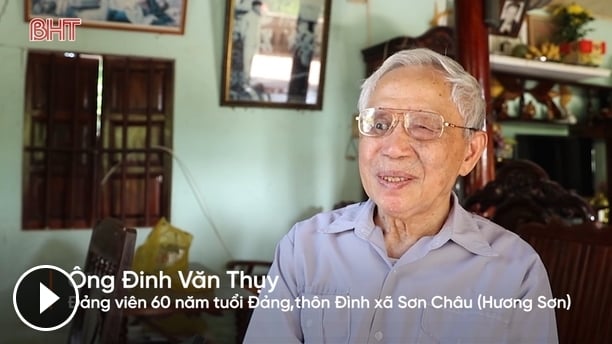
Amidst the fervent spirit of the New Rural Development movement, Son Chau today still resonates with the echoes of the gongs from the years 1930-1931. Continuing the revolutionary traditions of their ancestors, each citizen is striving to contribute to building a better life in this new revolutionary era. And in each of their stories, the heroic revolutionary predecessors who made a name for themselves in Son Chau in particular, and Huong Son district in general, are mentioned with profound honor, pride, and gratitude. Mr. Dinh Van Thuy (born in 1938), who is celebrating his 60th anniversary as a Party member, shared: “Our village was once the cradle of the revolution, where the character of outstanding individuals – the core of the struggle – was forged. The sound of the village temple's gong rallied and urged our people to rise up and seize power. And in this new stage of development, the revolutionary gong has become an indispensable part of our spiritual life, encouraging and empowering the Party Committee and the people of Son Chau to continue to unite and strive to achieve new accomplishments.”
.

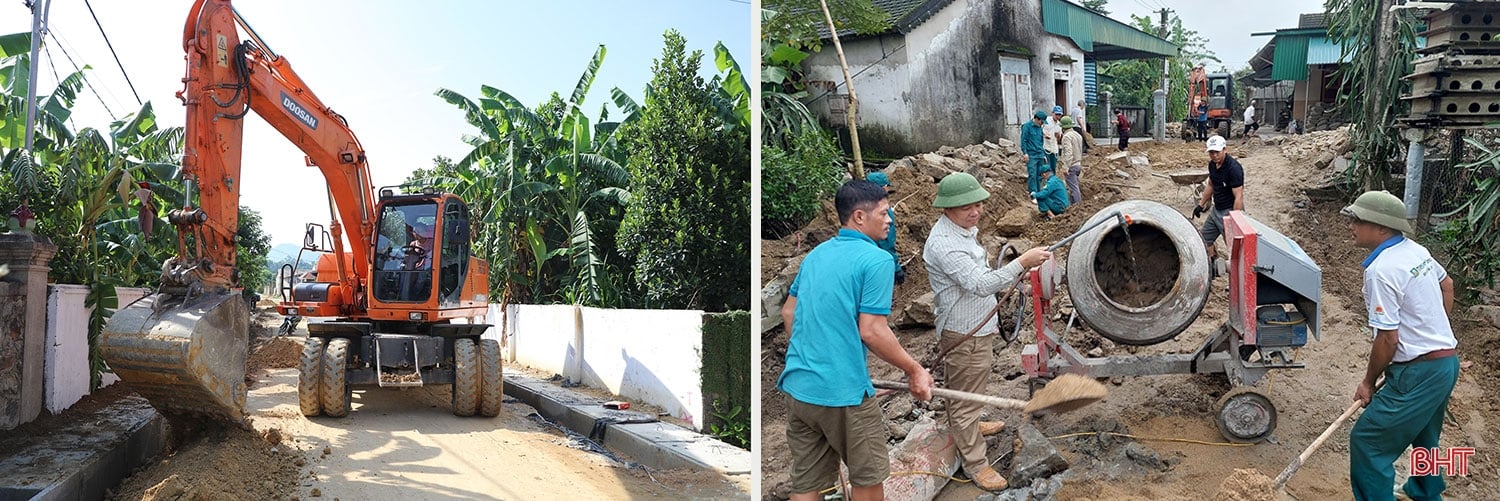
The people of Son Chau commune (Huong Son district) are focusing on building advanced new rural areas.
In his story, the outstanding revolutionary cadre of the village, mentioned by Mr. Thuy with respect and admiration, is Mr. Tran Chi Tin - the first Secretary of the District Party Committee of Huong Son district and the author of the moving memoirs preserved at the Nghe Tinh Soviet Museum. The simple, carefully written words on brown paper vividly and truthfully recreate the revolutionary life of this patriotic young man, as well as the context of life and the atmosphere of struggle in Son Chau village during the years 1930-1931.
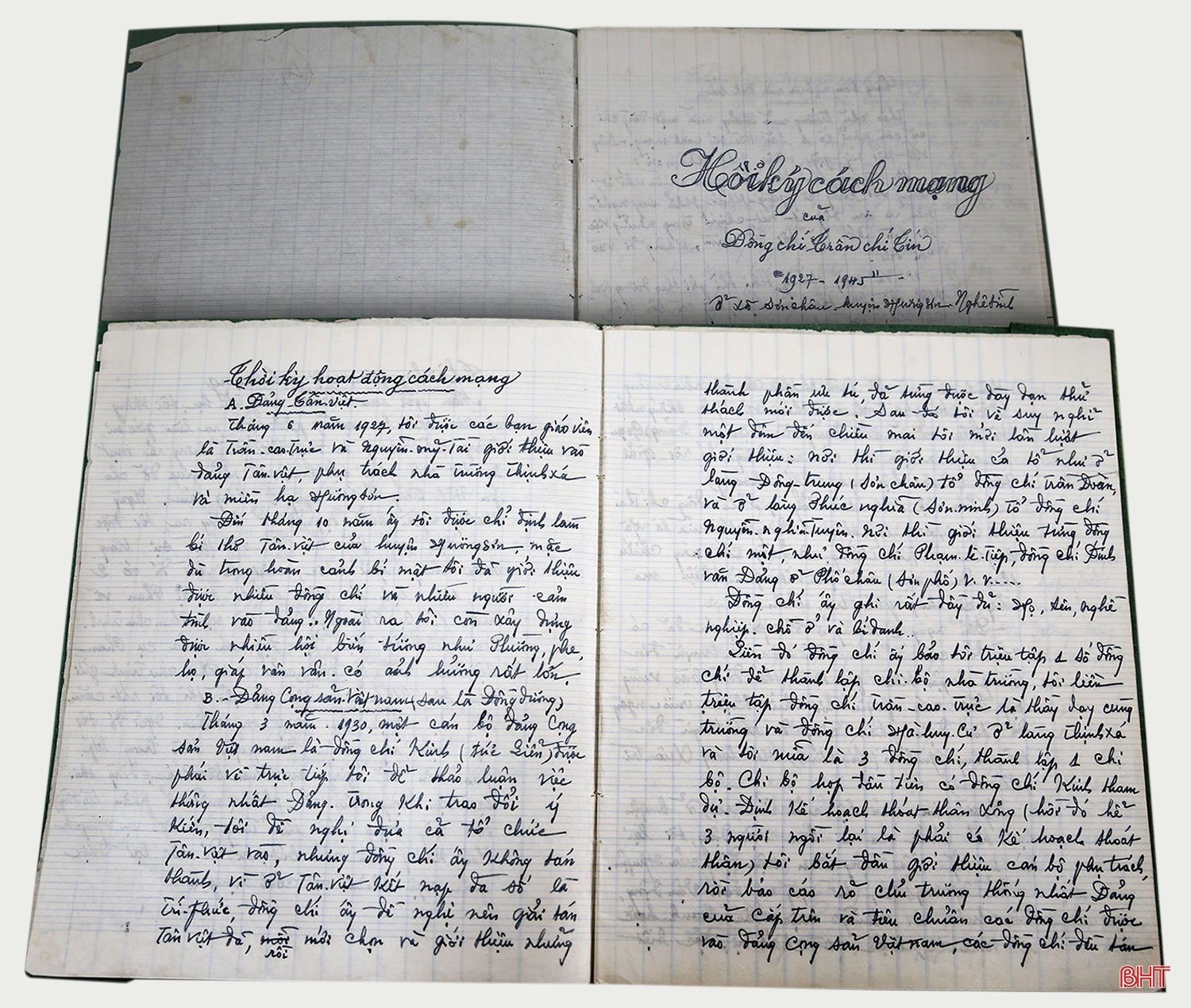
Memoirs of the revolution by Comrade Tran Chi Tin.
Comrade Tran Chi Tin was born into a poor peasant family in Tu My village (now Dinh hamlet, Son Chau commune). During his time as a teacher in his hometown in the early 1920s, Mr. Tin read documents by Phan Boi Chau and the Ten Commandments of Phan Chau Trinh to King Khai Dinh; he was also tasked with raising money among the teachers to help Phan Boi Chau rebuild the "Tieng Dan" newspaper, edited by Huynh Thuc Khang... These activities instilled in the young teacher a patriotic spirit and revolutionary zeal. In June 1927, Mr. Tran Chi Tin joined the Tan Viet Party in Huong Son; in March 1930, he became one of the three people who organized the establishment of the Communist Party branch at Son Chau Primary School – the first Party branch in Huong Son district.

When the Soviet movement was suppressed, the struggles in Huong Son temporarily subsided. In October 1930, teacher Tran Chi Tin managed to contact several comrades such as Dinh Nho Khoach in Goi My village (Son Ha commune, now Tan My Ha commune); Le Kinh Pho in Xuan Tri village (Son An commune, now An Hoa Thinh commune); Tong Tran Dieu in Binh Hoa (Son Hoa commune, now An Hoa Thinh commune)... to establish a provisional District Party Committee, rebuild the revolutionary base and movement, and go into clandestine operation. In September 1933, Comrade Tran Chi Tin was arrested and imprisoned at Pho Chau outpost. "...Despite being subjected to extreme torture, I did not utter a single word to the enemy, determined to protect the Party" (excerpt from Comrade Tran Chi Tin's memoirs). In September 1939, Comrade Tran Chi Tin was released and returned to his hometown. In late 1939, teacher Tran Chi Tin re-established contact with the Party and enthusiastically rebuilt the struggle movement, leading the people in a general uprising to seize power in Huong Son on August 19, 1945. In September 1945, Comrade Tran Chi Tin was elected Secretary of the District Party Committee; he later transferred to the army and served as political commissar of a regiment until his retirement and death in 1987 in his hometown of Son Chau.
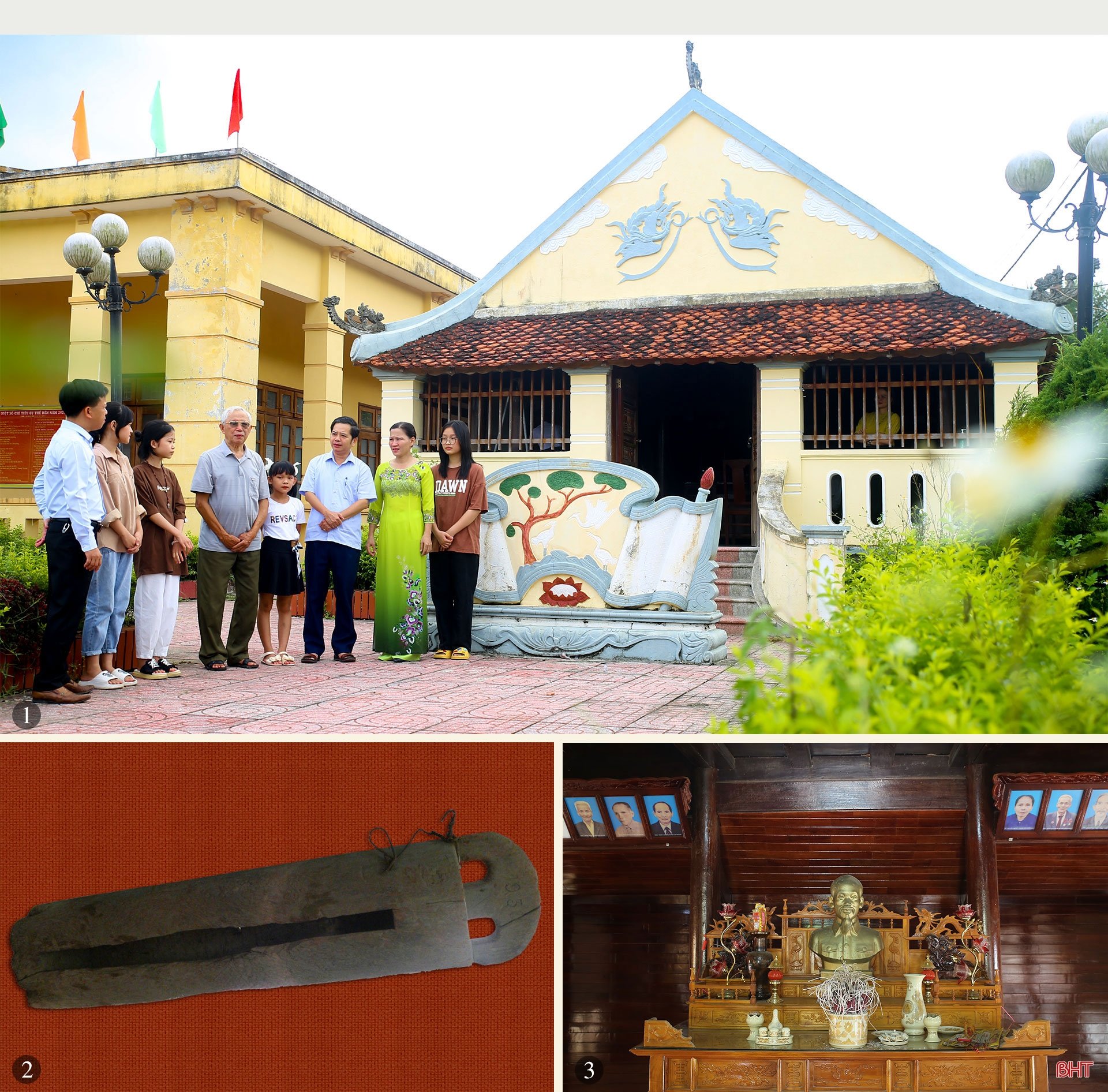
Tu My communal house has become a significant site for educating future generations about revolutionary traditions (photo 1). The wooden gong at Tu My communal house is still preserved today (photo 2). The altar dedicated to President Ho Chi Minh at Tu My communal house (photo 3).
.
Mr. Tran Chi Tin's vibrant revolutionary life, marked by numerous contributions and shining qualities, serves as an exemplary model, profoundly influencing the thoughts and actions of his descendants, family, and the people of his homeland. Many relatives have followed in his footsteps, contributing their efforts and intellect to the revolution and the nation. Among them, three of his siblings are veteran revolutionaries; notably, Mr. Tran Binh (Mr. Tin's younger brother) held many important positions, including: Deputy Secretary and Chairman of the People's Committee of Huong Son District in 1945; Member of the Standing Committee of the Ha Tinh Provincial Party Committee; the first Principal of the Tran Phu Political School; Judge of the Supreme People's Court; and Member of the National Assembly in the first term. Mr. Tin's son, Mr. Tran The Loc (born in 1925), also participated in revolutionary activities from a very early age. In 1944, Mr. Loc acted as a liaison for several newly released party members in the district. In early 1945, he was elected leader of the Viet Minh in Tu My village. He was admitted to the Party on the occasion of the 15th anniversary of the Nghe Tinh Soviet Uprising (September 12, 1945). To date, in the Tran Chi Tin family lineage, there are 31 PhD holders, 262 people with university and postgraduate degrees; many are holding important positions in various fields.
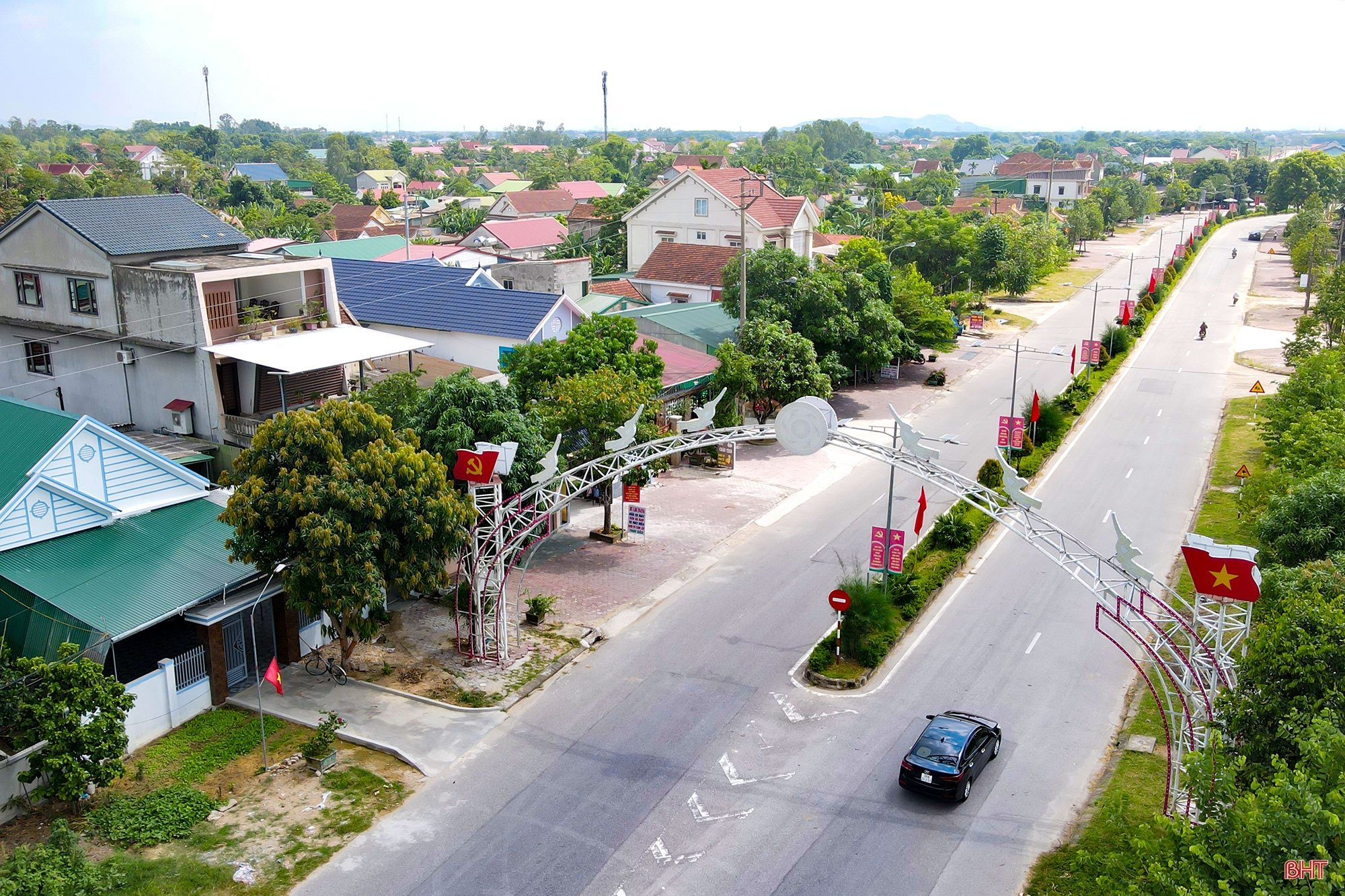
A view of the center of Tung Anh commune (Duc Tho district).
Also in Huong Son district, we revisited the memories of a staunch communist figure in the Nghe Tinh Soviet movement in Kim Hoa commune (formerly Son Mai commune). “From there, I was admitted into the Party with the belief and understanding of how to make a revolution that would benefit the people, including myself” (excerpt from the memoirs of Comrade Kieu Lieu).
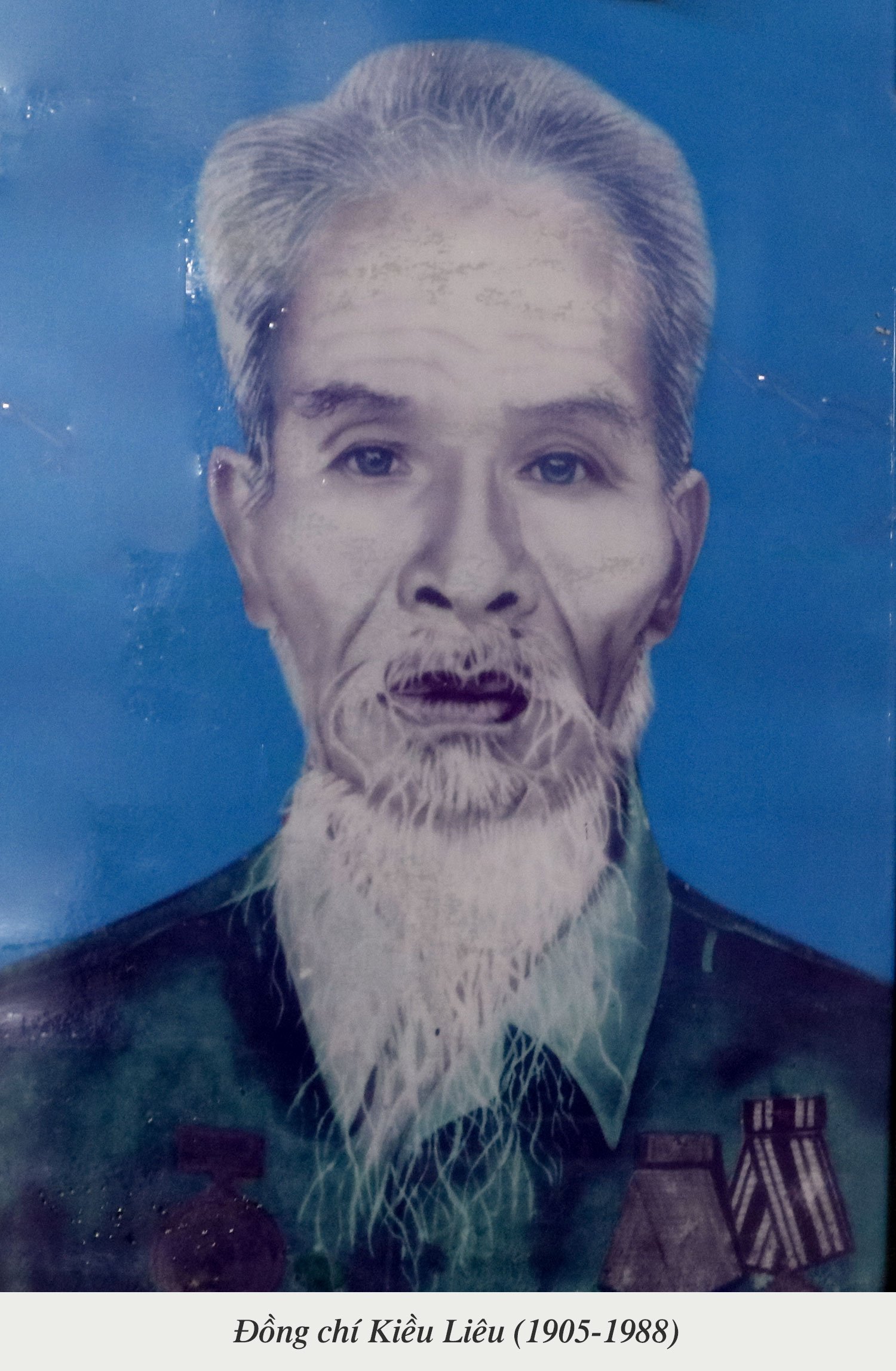
Comrade Kieu Lieu (1905-1988), originally from Dong Thai village, Tung Anh commune (Duc Tho district), was orphaned at a young age and forced to work as a servant for wealthy families. In 1928, he wandered to Pho Chau (Huong Son) to work as a laborer. This land, rich in revolutionary traditions and the strong struggle of its people, sowed the seeds of revolutionary ambition in the young man's heart. In March 1930, at the founding conference of the Dan Thuy Party Branch (formed by combining the names of two communes, Dan Trai and Thuy Mai), the patriotic young man Kieu Lieu had the honor of joining the Party. This was a major turning point, marking the beginning of his vibrant life of activism. He meticulously recorded this in his memoirs. To spread the struggle movement throughout the countryside, he and his comrades in the branch undertook the task of building the movement in the mountainous border region between the three districts of Huong Khe, Duc Tho, and Huong Son. From April 1930, the Party cell focused on propaganda, distributing leaflets, and organizing small demonstrations to prepare for the large-scale demonstration in Chau Street on August 1, 1930.

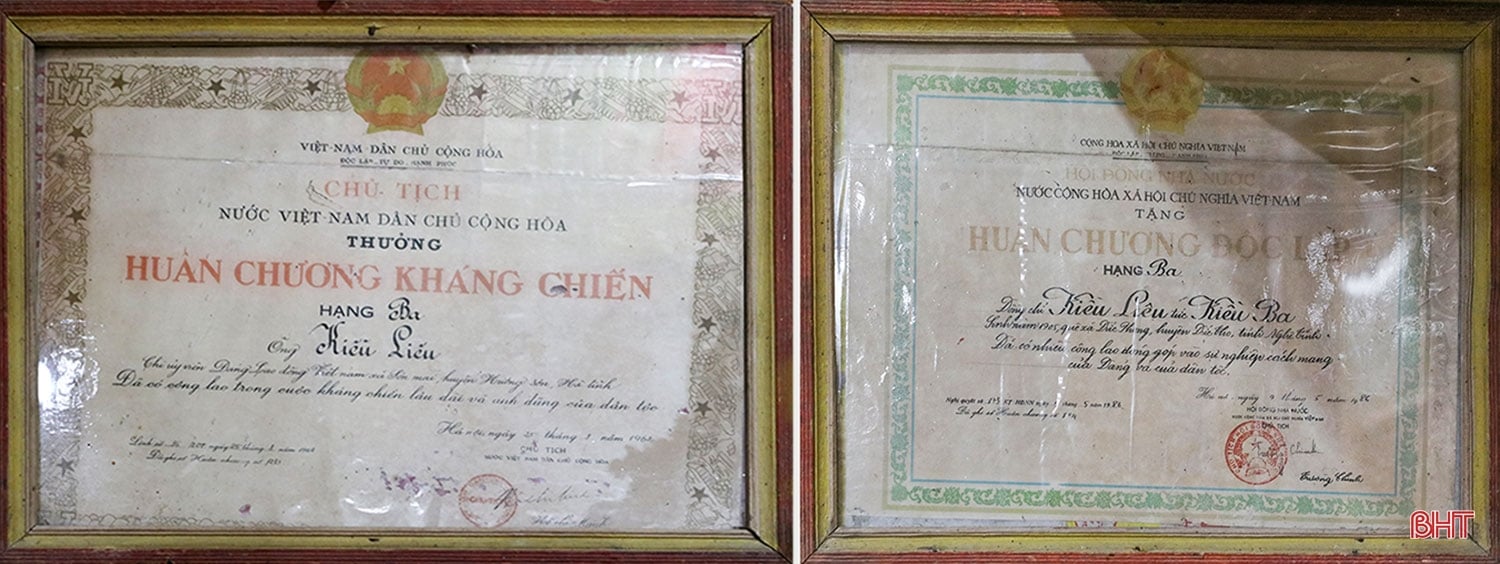
These are the prestigious titles bestowed by the Party and the State to honor the contributions of Mr. Kieu Lieu.
Despite enduring two periods of imprisonment (the first during the August 1st protest in Huong Son, where he was detained for over three years; the second from 1939 to 1945), and suffering brutal beatings, abuse, and torture, he remained steadfast in his commitment to the Party's teachings and, moreover, followed the example of his comrades who had unwaveringly endured... (excerpt from the memoirs of Comrade Kieu Lieu). In March 1945, he and many other political prisoners successfully broke out of prison and continued their activities. On September 2nd, 1954, after Kim Hoa commune was divided into three communes: Son Phuc, Son Mai, and Son Thuy, Comrade Kieu Lieu was elected Chairman of the Son Mai Commune Administrative Committee. However, after only three months of activity, he had to retire due to declining health. He passed away in 1988.
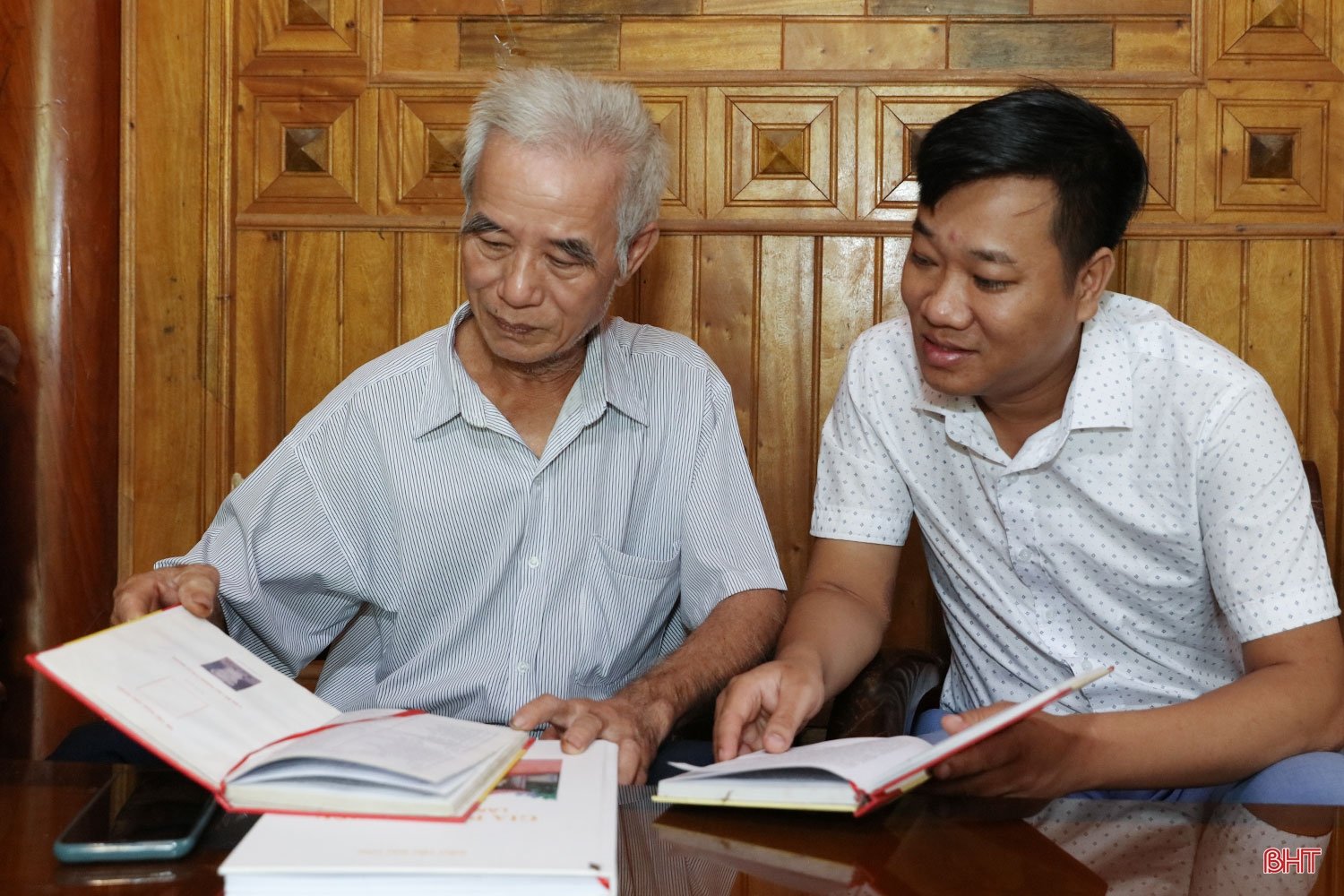
Kieu Minh Tan and his son, Kieu Lieu, are proud to turn the pages of history that recount their father's revolutionary activities.
“Throughout my life, from the time I joined the Party until my old age, I have dedicated all my abilities and strength to the cause. Throughout the arduous revolutionary struggle, I have steadfastly followed the Party, never wavering in my resolve, cultivating a firm stance and unwavering ideology until the day of complete victory, when the cause belongs to the entire Party and the entire people.” As we turned the pages of his memoirs, filled with beautiful memories of his beloved father, Mr. Kieu Minh Tan (born in 1950) – the son of Mr. Kieu Lieu – could not hide his tears of emotion and pride: “My father lived and dedicated his entire life to the revolution…”

As the homeland of patriotic figures such as the scholar Phan Đình Phùng and the late General Secretary Trần Phú, the revolutionary movement in Đức Thọ district began very early. After the Party was founded on February 3, 1930, under its leadership, a large number of people in Đức Thọ quickly responded to the Soviet movement. On August 1, 1930, along with Can Lộc, Nghi Xuân, Hương Khê, Kỳ Anh, etc., many demonstrations against imperialism and the puppet government took place in various localities of Đức Thọ. On September 10, 1930, the people of Thái Yên commune and Đức Thủy commune (now merged into Lâm Trung Thủy commune) organized a large-scale demonstration against the oppression of colonialism and feudalism. The drums of the Thái Yên demonstration ignited the fighting spirit, spreading throughout the district and beyond, marking the beginning of the Soviet movement in Đức Thọ.
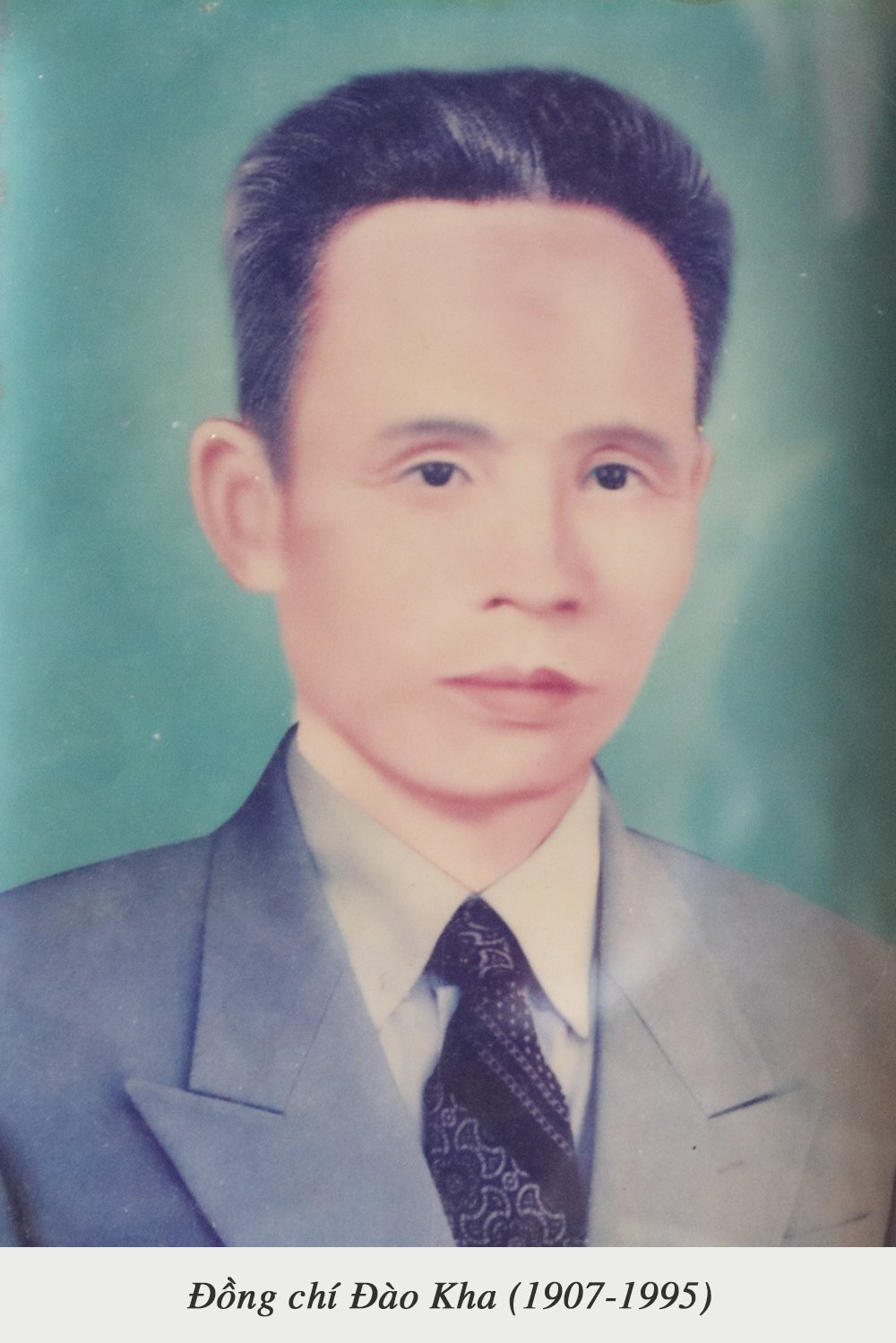
Although it occurred later than in some other localities, the distinctive feature of the Soviet movement in Duc Tho was its strength and decisiveness; many Soviet villages were established, and tightly organized government apparatuses were created, thoroughly implementing the rights of the people. This is recounted in the memoirs of the first communist fighters in this land, such as comrades: Dao Kha (1907-1995), former Chairman of the People's Committee of Yen Vuong commune (now An Dung commune); Nguyen Em Cam (1899-1985), former Platoon Leader of the Red Self-Defense Team in 1930 in Thai Yen commune; Dau Khac Ham (born 1909 - ?), a party member in 1930 in Duc Hoa commune (now Hoa Lac commune).
In their memoirs, the Soviet fighters not only depicted the overall picture of the earth-shattering struggle of the people of Duc Tho but also showed the revolutionary ideals, absolute loyalty to the Party, and noble spirit of sacrifice of the first generation of communists. Among them, the "fiery" memoirs of Comrade Dao Kha - former Chairman of the People's Committee of Yen Vuong commune - made a strong impression, because before becoming a loyal Party member, he came from a landlord family.

“One day, while playing chess, Mr. Pham Thua, Mr. Hieu, and Mr. Nguyen To talked about the revolutionary movement spreading everywhere, including Nghe An and Ha Tinh. I asked: What is the purpose of communism? They clearly explained to me that it was to overthrow imperialism and the Southern government, to fight oppression and exploitation, to reclaim rights for the poor, and to achieve equality for the people. I was very pleased when Comrade Hieu asked if I would follow the revolution if it came here. I answered without hesitation: I would like to follow.” (Excerpt from the memoirs of Comrade Dao Kha).
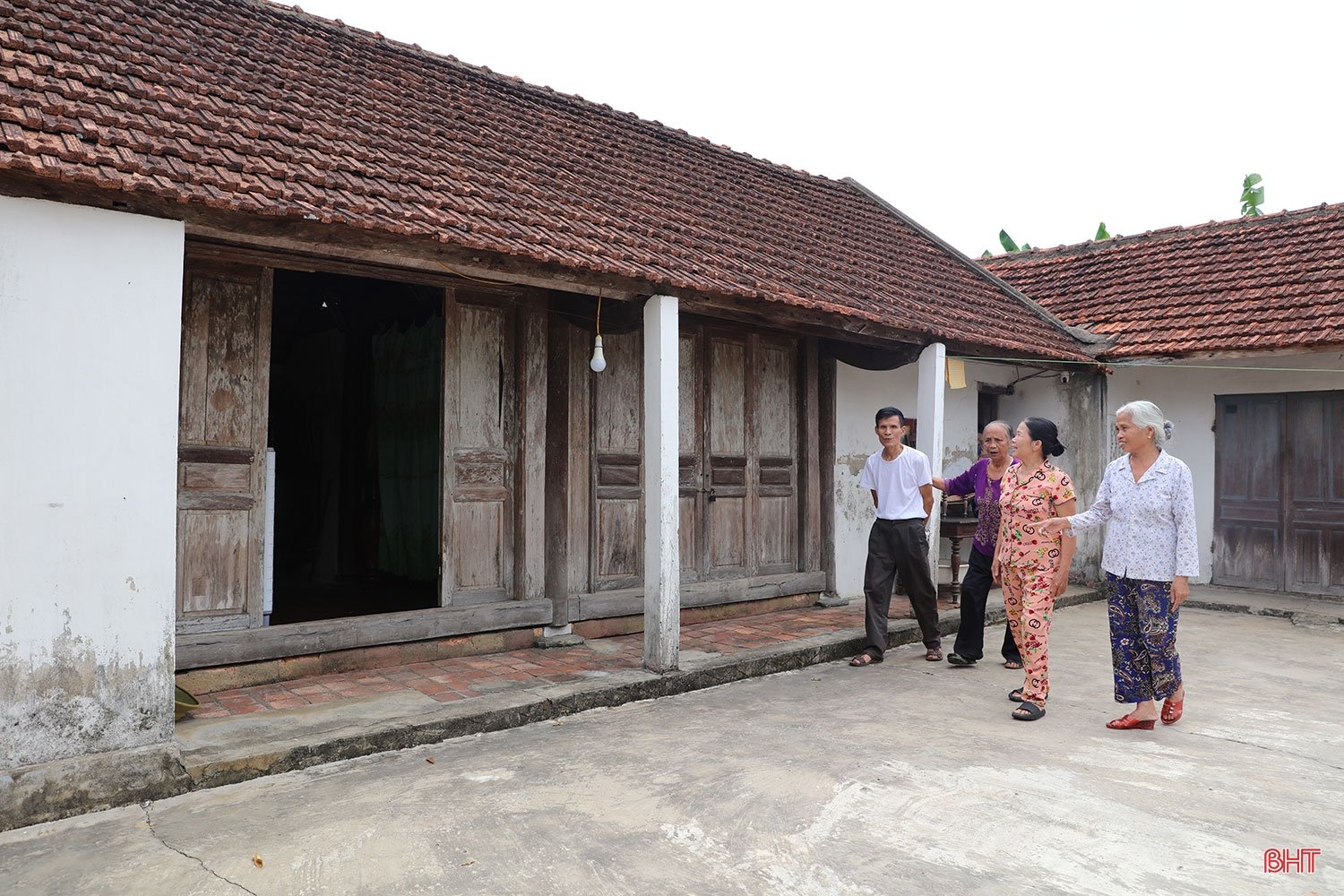
The old house where Mr. Dao Kha lived with his children and grandchildren during his final years.
From a "young master" of a landlord family, after becoming enlightened by the revolution, Comrade Dao Kha wholeheartedly followed the Party, actively participating and excellently fulfilling the tasks assigned by the organization, such as secretly distributing leaflets and mobilizing the people to participate in rallies and demonstrations on August 1, 1930... In September 1930, Comrade Dao Kha was honored to be admitted into the Party. From then on, he and the Party branch led the mass movement in Yen Vuong commune, fighting and achieving many victories, establishing a Soviet government. At this time, he was elected as the Secretary of the Yen Vuong Commune Farmers' Association.
In July 1931, the French colonialists intensified their repression. Mr. Dao Kha and his younger brother Dao Ba (whom he had enlightened), along with many comrades, were arrested and imprisoned in various prisons in the province, and later exiled to a prison in Da Lat (Lam Dong). Despite enduring various tortures and attempts at surrender with promises of wealth from the enemy, Mr. Dao Kha remained steadfast in his principles and unwavering in his loyalty to his ideals.
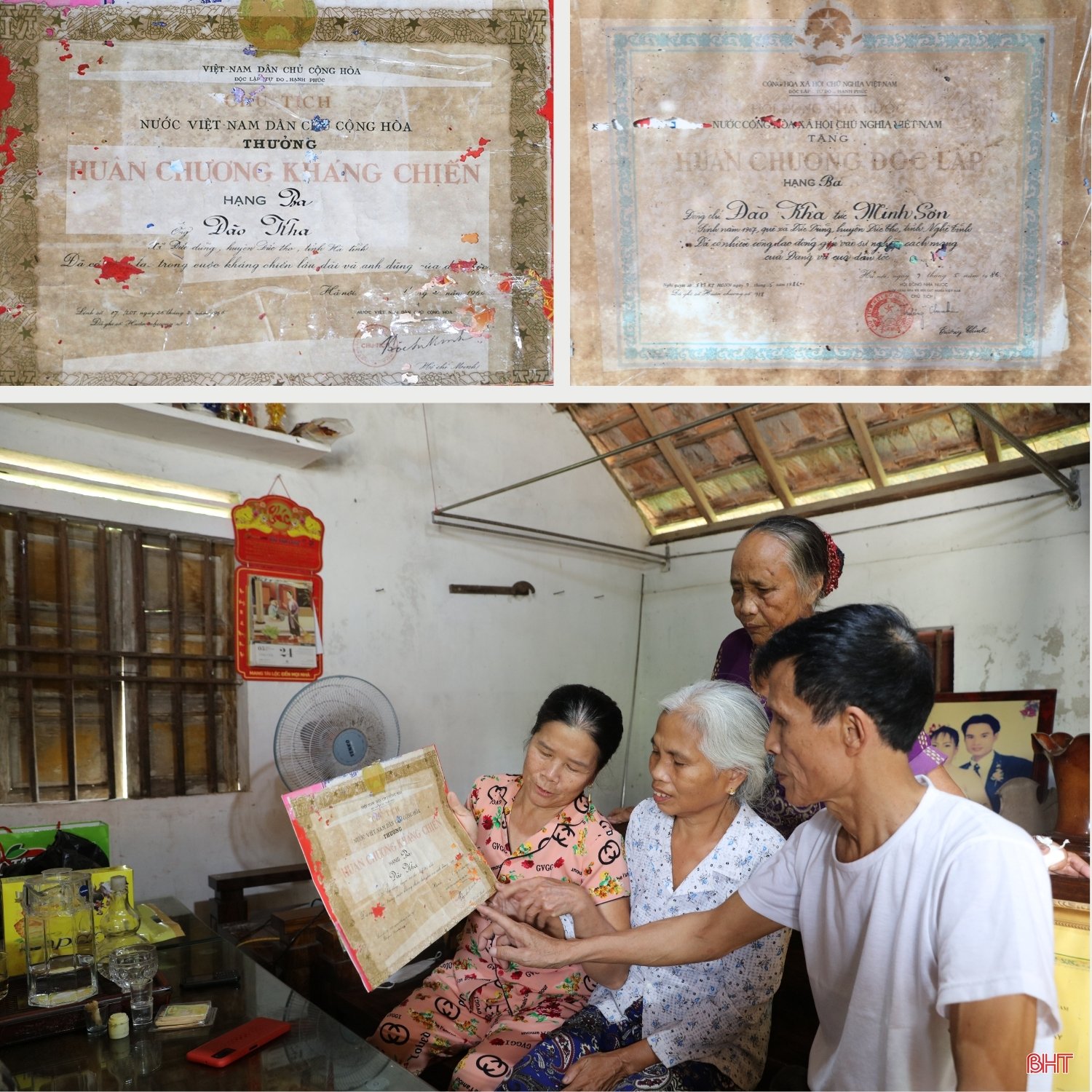
Family and relatives stand beside the prestigious titles bestowed upon Comrade Dao Kha by the Party and the State.
While in prison, Mr. Dao Kha continued his relentless struggle alongside comrades such as Ho Tung Mau and Phan Dang Luu. In 1940, he completed his sentence but before he could return home, the enemy exiled him to Li Hy prison (Thua Thien Hue). On March 9, 1945, during the Japanese-French conflict, he and 50 comrades broke out of prison. Upon returning to his hometown, Mr. Dao Kha reconnected with the organization and participated in the establishment of the Viet Minh Committee of the commune, mobilizing the masses to prepare for the uprising. On August 19, 1945, along with other localities, Mr. Dao Kha and other revolutionaries led the people of Yen Vuong to rise up and march to the Duc Tho district headquarters to seize power. In 1945, he was elected as the provisional Chairman of Yen Vuong commune and dedicated himself to this cause until his death.
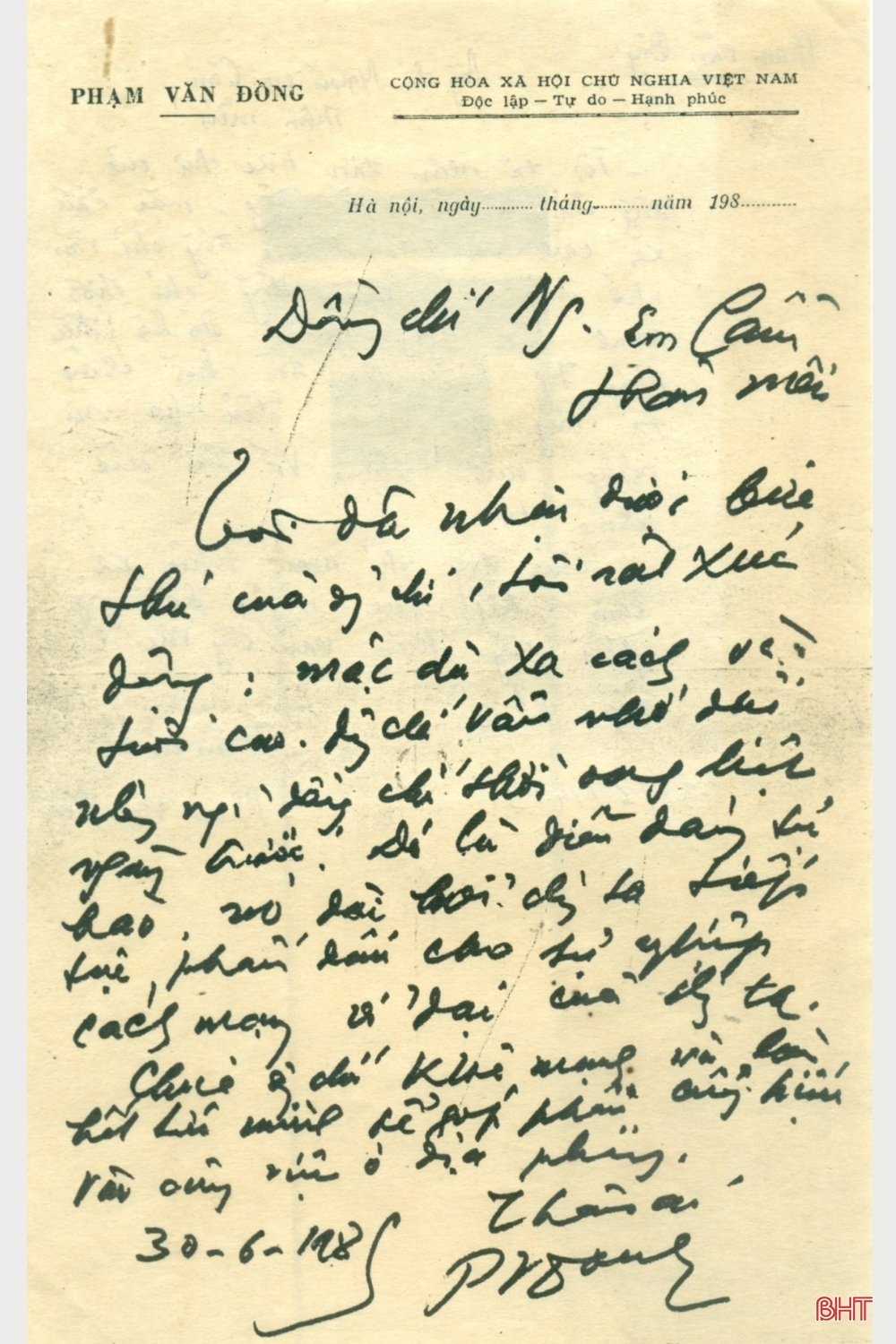
Memoirs about the arduous yet heroic struggles of revolutionaries in Duc Tho also recorded a rather special story from the former platoon leader of the Red Self-Defense Team in 1930 in Thai Yen commune: During his imprisonment in Buon Ma Thuot prison, Comrade Nguyen Em Cam met his fellow prisoner, Comrade Pham Van Dong (later the Prime Minister). One day after lunch, while the prisoners were chatting, Comrade Nguyen Em Cam said to Comrade Pham Van Dong: "We have shared both joy and sorrow here. When the revolution succeeds, if we are still alive, let's visit each other and inquire about each other's health." Comrade Pham Van Dong smiled and nodded in agreement. In 1985, before his death from a serious illness, Mr. Cam wrote a letter to Comrade Pham Van Dong, which the Prime Minister replied to. The letter is still preserved at the Nghe Tinh Soviet Museum: “Dear Comrade Nguyen Em Cam! I have received your letter, and I am deeply moved. Although we are far apart and you are old, you still remember your comrades from the glorious past, which is something to be proud of. It demands that we continue to strive for our great revolutionary cause. I wish you good health and that you do your best to contribute to the work in the locality” (excerpt from Prime Minister Pham Van Dong's letter to Mr. Nguyen Em Cam, June 1985).
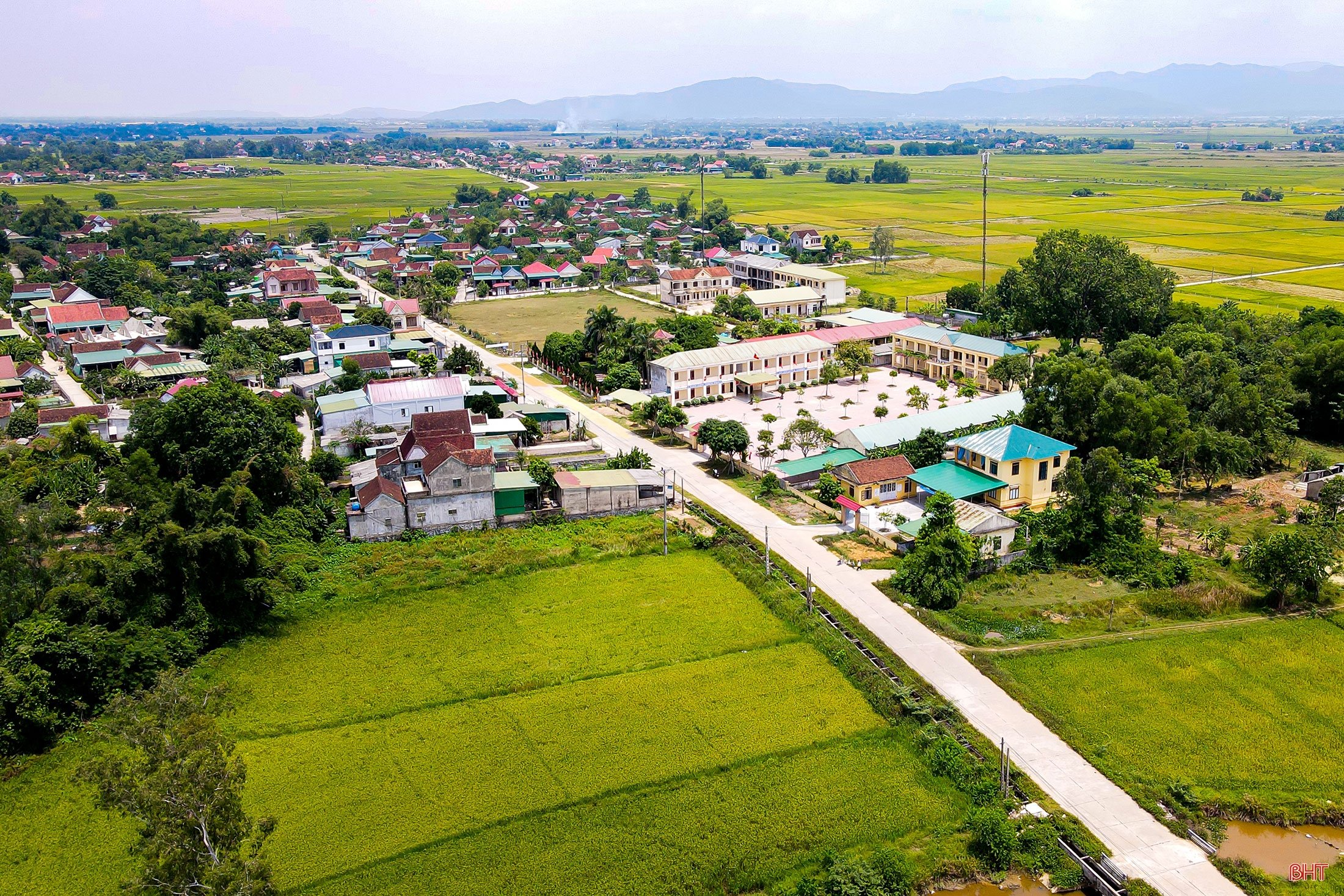
The current appearance of An Dung commune (Duc Tho district) as a new rural area.

.
Mr. Dao Doanh Thinh (born in 1952), son of Mr. Dao Kha, said: “My father always advised us to live our lives dedicated to the Party and our homeland, without self-interest. His teachings are still being remembered and practiced by his descendants today.” And today, the younger generation in Duc Tho, a land known for its scholarly traditions and love of learning, is fulfilling their ancestors' wishes, continuously cultivating virtue and talent, maintaining unwavering determination to overcome all difficulties, and striving for new heights in history, contributing to building their homeland into a leading example in the province's New Rural Development movement.
.
ARTICLE AND PHOTOS: CT-XH REPORTER TEAM
DESIGN - ENGINEERING: HUY TUNG - KHOI NGUYEN
(TO BE CONTINUED)
Lesson 1: The resounding echoes of Soviet drums in the heroic homeland
Lesson 2: The Shining Ideal of "Even if we only have one hour left, we will make a revolution"
0:10:09:2023:09:13
Source

![[Photo] Prime Minister Pham Minh Chinh presides over a meeting on private sector economic development.](/_next/image?url=https%3A%2F%2Fvphoto.vietnam.vn%2Fthumb%2F1200x675%2Fvietnam%2Fresource%2FIMAGE%2F2025%2F12%2F20%2F1766237501876_thiet-ke-chua-co-ten-40-png.webp&w=3840&q=75)























































Comment (0)