

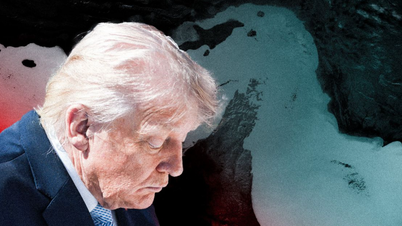
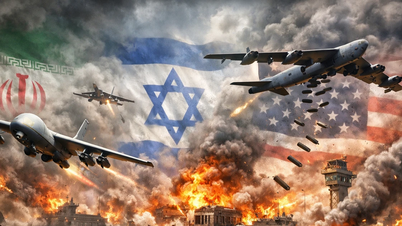
Earlier, in his latest message posted on the social media platform Truth Social on the evening of April 20 (US time), US President Donald Trump called on Iran to sign a better agreement than the Joint Comprehensive Plan of Action (JCPOA), while affirming that he would not lift the blockade of Tehran's seaports until a peace agreement is reached. President Donald Trump also criticized the JCPOA – the agreement signed under President Barack Obama – as ineffective, and asserted that a new agreement, if reached, would guarantee security not only for Israel and the Middle East, but also for the US, Europe, and other regions.
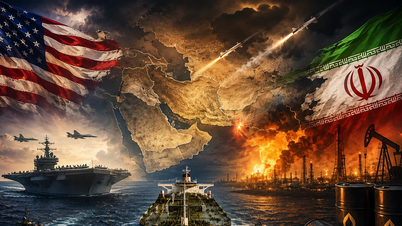
These statements were made by President Donald Trump as the US delegation prepared for the next round of negotiations with Iran in Pakistan. However, Iran has sent a message of no compromise. Parliament Speaker Mohammad Bagher Ghalibaf warned that Tehran has "new cards" if the fighting continues, and emphasized that the country will not accept negotiations under threat.
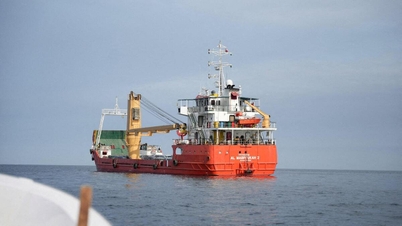
Meanwhile, Foreign Minister Seyed Abbas Araghchi criticized US actions – including the seizure of Iran's M/V Touska in the Gulf of Oman and tough statements from Washington – as major obstacles to the peace process. According to observers, the current situation shows that the gap in positions between the US and Iran remains very large.
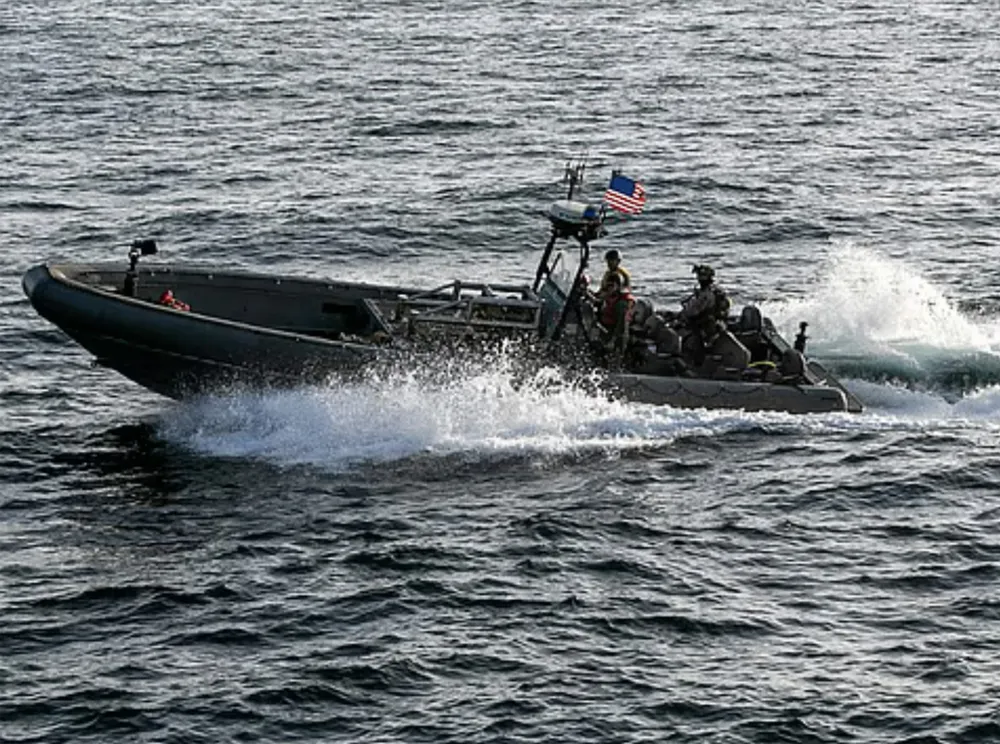
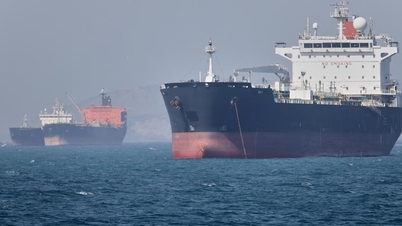
Amidst the volatile security environment near the Strait of Hormuz, with both Washington and Tehran imposing separate restrictions, the International Maritime Organization (IMO) has issued a warning to ships in the region. The IMO statement on April 20th emphasized: “The situation remains volatile. Ships should exercise maximum caution and should not take risks without security guarantees.”
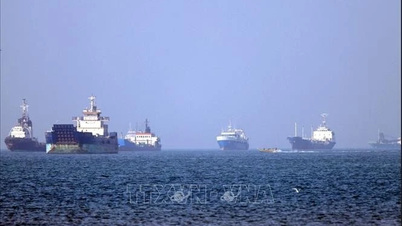
According to the IMO, as of April 19, there had been 24 attacks on ships in the relevant waters, resulting in at least 10 sailors killed. The tit-for-tat blockade between the US and Iran has nearly paralyzed traffic through this strategically important shipping lane. Tracking data shows that very few ships have been able to pass through the Strait of Hormuz in recent days, while more than 750 ships (including about 350 oil and gas tankers) remain stranded in the Persian Gulf.
In addition to facing military threats, commercial ships are constantly being blocked, forced to turn around, or have their routes altered. Some incidents have also involved ships being attacked with unidentified objects or being warned as "targets" if they approach sensitive areas.
Source: https://www.sggp.org.vn/imo-canh-bao-rui-ro-cao-tai-eo-bien-hormuz-post849169.html

![[Image] Hanoi's urban life under the challenge of a "scorching hot" environment](https://vphoto.vietnam.vn/thumb/1200x675/vietnam/resource/IMAGE/2026/05/25/1779706979265_nang-nong-t5-2026-minh-duy-7-4636-jpg.webp)


![[Image] Close-up view of the interchange connecting the two expressways and Long Thanh Airport.](https://vphoto.vietnam.vn/thumb/1200x675/vietnam/resource/IMAGE/2026/05/25/1779703378210_ndo_br_z7863716673926-224453a31600126cce10622af6290afd-4549-jpg.webp)



































































Comment (0)