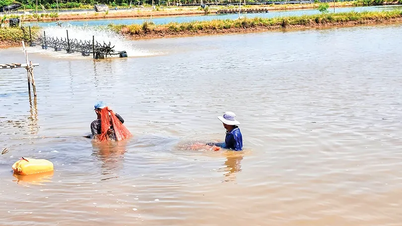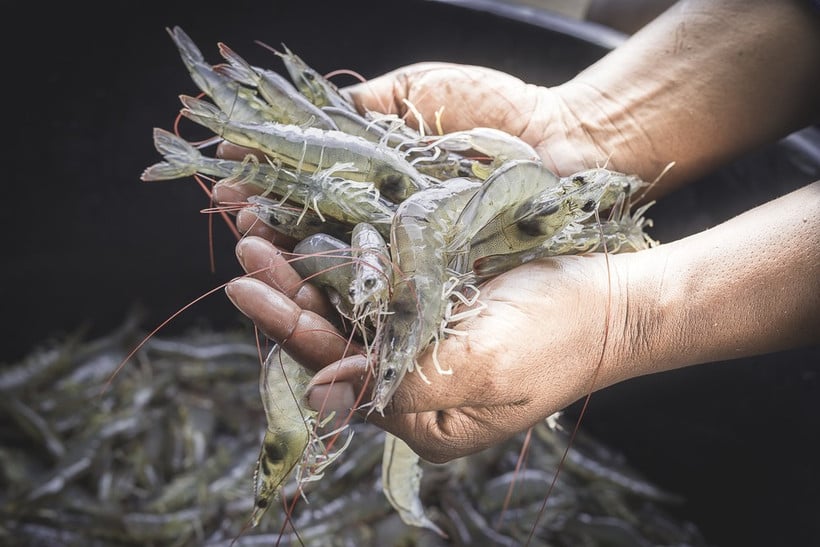
According to The Guardian, shrimp samples from the area contained radiation levels exceeding safe limits, raising concerns about food safety, the environment, and the livelihoods of local residents. The US Food and Drug Administration (FDA) issued a recall in August after detecting the radioactive isotope Cesium-137 in shrimp exported by PT Bahari Makmur Sejati (BMS).
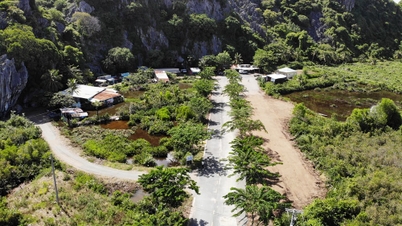
Just weeks later, the Indonesian government discovered traces of radiation at at least 22 facilities in the Cikande industrial complex, located about 60km west of the capital Jakarta.
Task force spokesperson Bara Hasibuan said authorities are stepping up surveillance of the area. Health authorities have also conducted medical checks on workers and residents living near the industrial zone and found nine people who tested positive for Cesium-137.
Indonesia does not operate nuclear power plants and is not involved in any nuclear weapons programs. They suspect that the cesium-137 entered the country from abroad.



The spokesperson also told reporters that the source of pollution most likely originated from the import of scrap metal. He affirmed that the government would immediately implement measures to restrict these imports. At the same time, vehicles traveling through the area are being inspected for potential contamination risks.
The contaminated areas will be immediately decontamified by the Indonesian Atomic Energy Agency. The authorities have also designated the PT Peter Metal Technology metal recycling plant as a quarantine area to store the contaminated materials.
Environment Minister Hanif Faisol Nurofiq said that residents living in heavily contaminated areas would be relocated until decontamination work is complete. He wrote on social media: “The safety of the people and the environment is our top priority. The decontamination process will be continuously monitored until the area is confirmed to be completely safe.”
Cesium-137 is a dangerous radioactive isotope that often enters the environment due to nuclear tests or accidents such as Fukushima or Chernobyl. Small amounts of this substance can persist in soil, food, and air.
The levels of calcium detected in a batch of frozen shrimp from Indonesia were significantly lower than the FDA's intervention threshold; however, the agency stated that long-term exposure to even low doses of calcium can increase the risk of cancer.
Indonesia is the world's fifth-largest shrimp exporter, accounting for approximately 6% of total global exports. About two-thirds of its shrimp exports go to the US market.



If this situation continues, millions of coastal households dependent on this industry will risk losing their jobs. In addition, the decline in shrimp exports will also lead to a decline in related industries.
Source: https://baotintuc.vn/kinh-te/indonesia-phat-hien-tom-xuat-khau-nhiem-phong-xa-20251010105852242.htm





![[Photo] Prime Minister Le Minh Hung presides over the thematic session on promoting science and technology development and innovation.](https://vphoto.vietnam.vn/thumb/1200x675/vietnam/resource/IMAGE/2026/06/23/1782207872934_ndo_br_dsc-1724-jpg.webp)