


According to a report from TechInsights , TSMC's N2 semiconductor chip manufacturing process has achieved a transistor density of 313 million per square millimeter, higher than Intel's 18A (238 million) and Samsung's SF3 (231 million). However, density is not the only factor determining the efficiency of a process, as chip design also depends on how different types of transistor cells are combined.
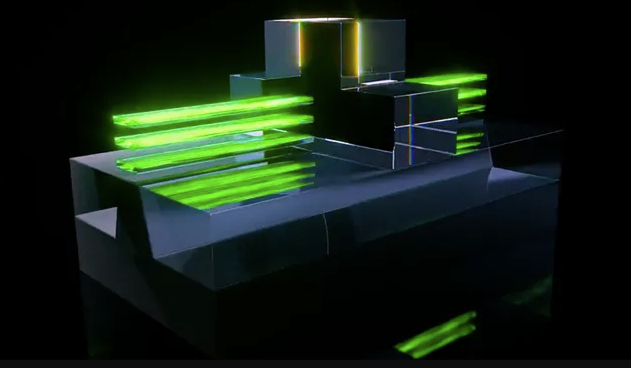
With a higher transistor density, TSMC N2 enables the production of more compact microprocessors, optimizing silicon space and expanding the ability to integrate components into the microprocessor.
In terms of performance, the Intel 18A may offer significant improvements over previous generations, but current assessments are based on estimates rather than actual data. A key differentiator of the Intel 18A is PowerVia technology, a back-end power supply system that boosts speed and energy efficiency. While TSMC plans to implement similar technology in the future, the first N2 version did not include this feature. Notably, not all Intel 18A chips utilize PowerVia, depending on the design requirements of each product.
In terms of power consumption, analysts predict that TSMC N2 will be more efficient than Intel 18A and Samsung SF3. TSMC has maintained an advantage in energy efficiency across multiple generations of processes, and this is likely to continue with N2.
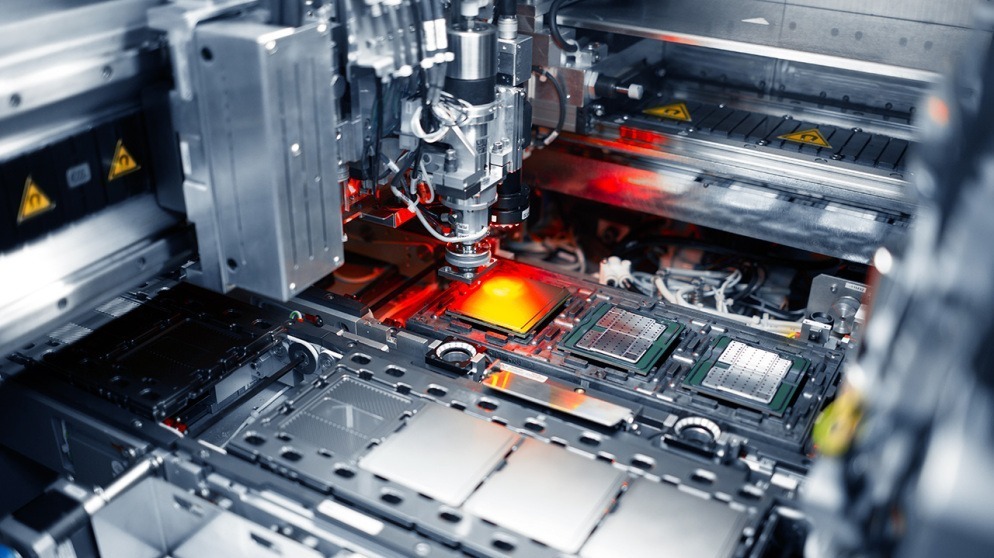
The Intel 18A process aims for higher processing speeds by improving the power architecture rather than increasing the number of transistors.
Differences in launch timelines are also a significant factor. Intel expects to begin mass production of the 18A in mid-2025 to support the next generation of Core Ultra processors, with commercial products potentially appearing by the end of the year. Meanwhile, TSMC's N2 process will enter large-scale production in late 2025, meaning products using N2 may not reach the market until mid-2026.
Overall, TSMC N2 has an advantage in transistor density, while Intel 18A may offer slightly better performance thanks to PowerVia technology. In addition, Intel has a time-to-launch advantage, allowing it to bring commercial products to consumers sooner than its competitor.
Source: https://thanhnien.vn/intel-va-tsmc-canh-tranh-giua-toc-do-va-mat-do-ban-dan-185250215213912759.htm

![[Photo] General Secretary To Lam presides over a meeting with the Editorial Teams to summarize 100 years of the Party's leadership of the Vietnamese revolution and 40 years of implementing the National Construction Program.](https://vphoto.vietnam.vn/thumb/1200x675/vietnam/resource/IMAGE/2026/03/04/1772601288977_a1-bnd-8134-7576-jpg.webp)

















































































Comment (0)