

Recently, Apple's head of services, Eddy Cue, stated during a court hearing between Google and the US Department of Justice that AI technology is developing so rapidly that iPhones could become obsolete within the next decade, according to Bloomberg .
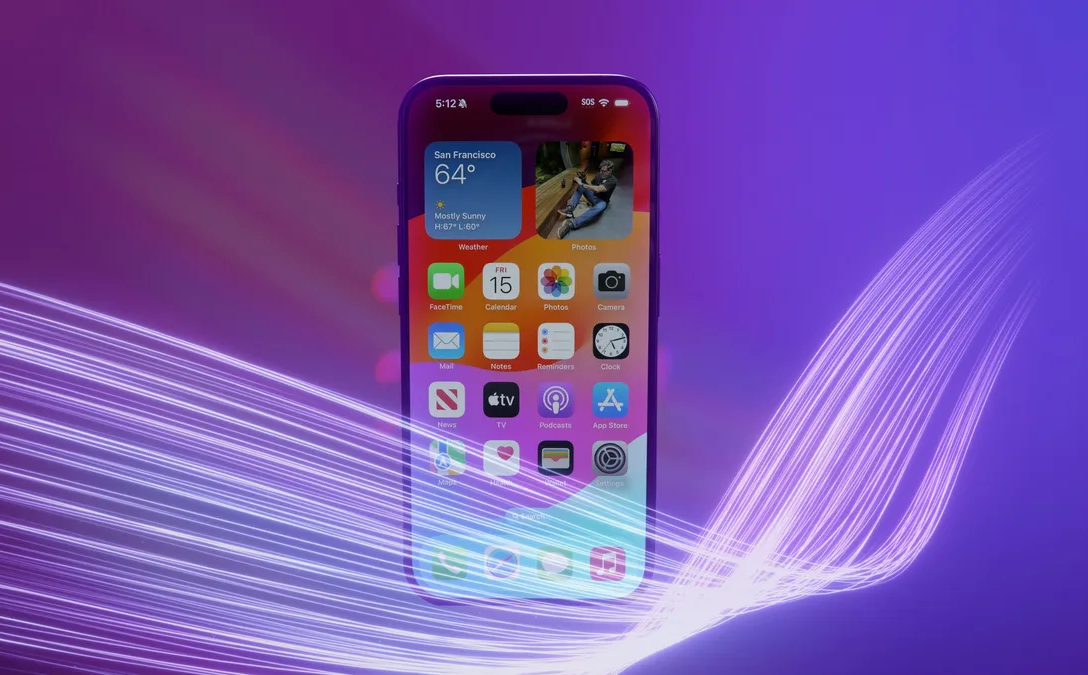
“You might not need an iPhone in 10 years, it sounds crazy but it’s true,” Cue said. He was referring to the potential for AI to evolve in the coming years, and how wearable devices with intuitive AI functionality could replace traditional smartphones.
For example, AR glasses or AI-integrated wearables could replace core iPhone functions (such as making calls, sending messages, and accessing the internet) using voice or gesture-based control, powered by AI tools like Whisper (voice recognition) or Gemini (multimodal processing).
If AI-powered AR wearables or glasses become widespread, they could replace iPhones for everyday tasks. AR glasses, such as Gemini or Grok 3, could display information directly to the user's eyes, controlled by AI, eliminating the need for an iPhone screen.
Apple also discontinued the iPod when the iPhone was launched, showing they are willing to replace older products if necessary.
However, given the rapid development of AI and Apple's adaptability, this process may slow down.
Currently, the iPhone remains Apple's primary source of revenue, and to date, the company has yet to find its next "ace product" that could replace the iPhone as its main "cash cow."
Apple canceled its car project, and its first virtual reality headset didn't sell well either. Now, the tech giant is shifting its focus to robotics, while continuing to develop smart wearable devices that could lead to the creation of augmented reality (AR) glasses, a possible alternative to the iPhone.
However, this is just speculation from Mr. Cue, as Apple still has many new improvements for the iPhone line expected to launch in the next few years.
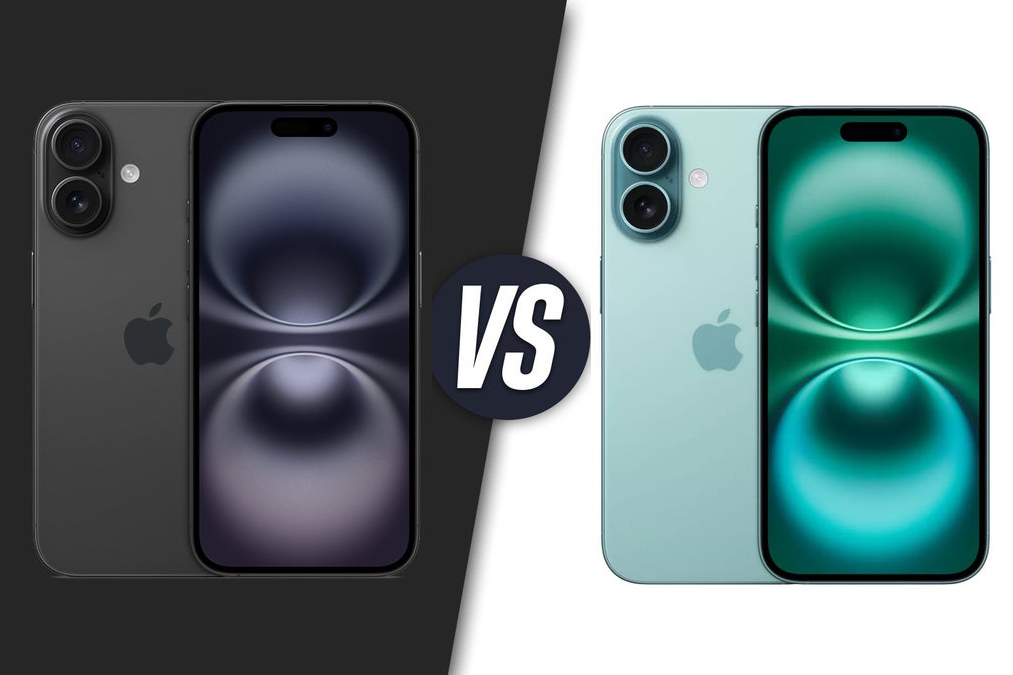
Apple could introduce its first foldable iPhone as early as next year, and by 2027, the company is planning to release a "full-screen" iPhone model – without any cutouts for cameras or Face ID.
To date, AI-based wearables have yet to successfully replace smartphones. The Humane AI Pin failed, and the Rabbit R1 was heavily criticized for its weak performance upon its release last year. Several other companies are also developing AI-powered, screenless wearables, but none have truly made a significant impact.
Mr. Cue appeared in court to testify about the agreement between Apple and Google regarding the search engine, part of which could be banned as one of the antitrust remedies Google is facing to reduce its dominance in the search market.
Apple's head of services said that AI-powered search solutions are poised to replace traditional search engines, and Apple is considering integrating AI search engines from companies like OpenAI, Anthropic, and Perplexity into the Safari browser in the future as options for users to choose from.
Apple could lose at least $20 billion annually if Google is no longer allowed to pay to be the default search engine on Safari.
AI is changing the way we interact with technology, and if Apple doesn't keep up (for example, lagging behind Google in developing AR glasses), the iPhone could become obsolete. However, 10 years is a long time, and Apple has plenty of time to adapt.
(According to PhoneArena, Bloomberg)

Source: https://vietnamnet.vn/iphone-sap-bi-xoa-so-boi-ai-2399282.html

![[Photo] Tran Cam Tu, Standing Member of the Secretariat of the Central Committee, presides over the first meeting of the Central Steering Committee on the Development of Vietnamese Culture.](https://vphoto.vietnam.vn/thumb/1200x675/vietnam/resource/IMAGE/2026/03/19/1773895004549_ndo-br-bnd-1195-2-jpg.webp)


















![[Photo] The General Secretary and the Prime Minister attend the groundbreaking ceremony for multiple-level boarding schools in border areas.](https://vphoto.vietnam.vn/thumb/1200x675/vietnam/resource/IMAGE/2026/03/19/1773888999705_vna-potal-tong-bi-thu-va-thu-tuong-du-le-khoi-cong-dong-tho-dong-loat-cac-truong-noi-tru-lien-cap-bien-gioi-8649904-3885-jpg.webp)







































































Comment (0)