

On the occasion of the 30th anniversary of Ha Long Bay becoming a World Natural Heritage (1994-2024), Nhan Dan Newspaper reporters interviewed Mr. Jonathan Baker, Chief Representative of UNESCO in Vietnam. He gave his assessment of the achievements in heritage conservation as well as made recommendations for Vietnam in building a sustainable heritage conservation strategy.

Mr. Jonathan Baker, UNESCO Representative in Vietnam

Reporter: After 30 years of being recognized as a World Natural Heritage (1994-2024), Ha Long Bay has been effectively managed, protected and exploited, becoming an invaluable resource of Vietnam in general and Quang Ninh province in particular. How do you evaluate Quang Ninh's efforts in preserving Ha Long Bay?
Mr. Jonathan Baker: Over the past 30 years, Quang Ninh Province has demonstrated a remarkable commitment to the conservation of the Outstanding Universal Values (OUV) of Ha Long Bay. Through comprehensive management strategies and the integration of heritage conservation into development policies, the province has elevated Ha Long Bay to become a globally recognized symbol of Vietnam’s natural and cultural identity.
Collaborations with UNESCO and international experts have been pivotal in applying integrated management approaches in line with global conservation standards. These efforts have not only protected the site but also positioned it as a platform for sustainable economic growth, with tourism playing a key role.
Cooperation between provincial authorities and local communities, as well as adherence to UNESCO guidelines, also set the standard for other regions.
Reporter: What is the role and importance of Ha Long Bay in the current world natural heritage system?
Mr. Jonathan Baker : Ha Long Bay is an iconic site in the World Natural Heritage Network, demonstrating the interaction between geological processes and unique biodiversity.
The heritage site is a symbol of outstanding natural beauty and geological significance, with thousands of limestone mountains and islets shaped over millions of years. It is also home to a diverse ecosystem, including unique marine species, contributing to the conservation of global biodiversity.

This relic site not only has natural value but is also closely associated with the cultural heritage of the local community, demonstrating the harmonious relationship between humans and nature.
It has inspired conservation models around the world, especially in Southeast Asia.
The designation as a World Heritage Site highlights the important role of international cooperation in preserving natural wonders, promoting cross-border conservation initiatives and raising awareness of heritage conservation globally.
Reporter: Quang Ninh has developed a new master plan for long-term management and conservation of Ha Long Bay, which is adjusted every year to avoid destroying mountains and filling the sea. In particular, Quang Ninh province has ensured social security goals while still preserving the cultural values of fishing villages to serve professional community tours, with the participation of the community in heritage conservation. How does UNESCO evaluate the conservation of Ha Long Bay heritage in Vietnam? Compared to the protection of world natural heritages in other countries, what bright spots do you see in Vietnam?
Mr. Jonathan Baker: UNESCO considers Vietnam’s dedication to Ha Long Bay an exemplary example of protecting world natural heritage. The integration of annual adjustments into the master plan reflects your dynamic approach, prioritizing conservation while promoting sustainable development.
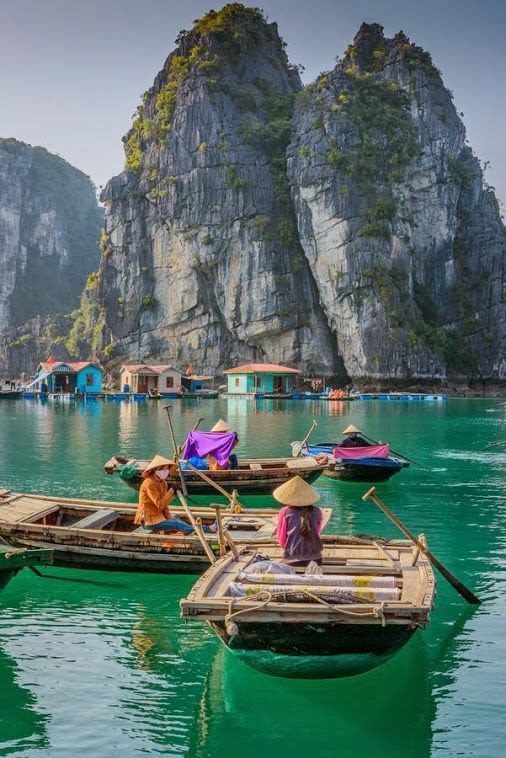
Local communities are at the heart of Vietnam’s conservation efforts. By integrating cultural heritage into tourism activities, the Ha Long Bay Management Board not only preserves traditional practices but also fosters a sense of shared responsibility for protecting the area. Social welfare measures and the preservation of fishing villages highlight Vietnam’s focus on balancing cultural values with community well-being.

UNESCO considers Vietnam's dedication to Ha Long Bay an exemplary example in the protection of world natural heritage.
The promotion of ecotourism has become a driver of economic growth, stimulating sustainable development while ensuring the protection of biodiversity and ecosystem health. These efforts emphasize the harmonious relationship between conservation and socio-economic progress.
Compared to other countries, Vietnam stands out for its innovative stakeholder engagement and prioritizing conservation to ensure long-term sustainability.
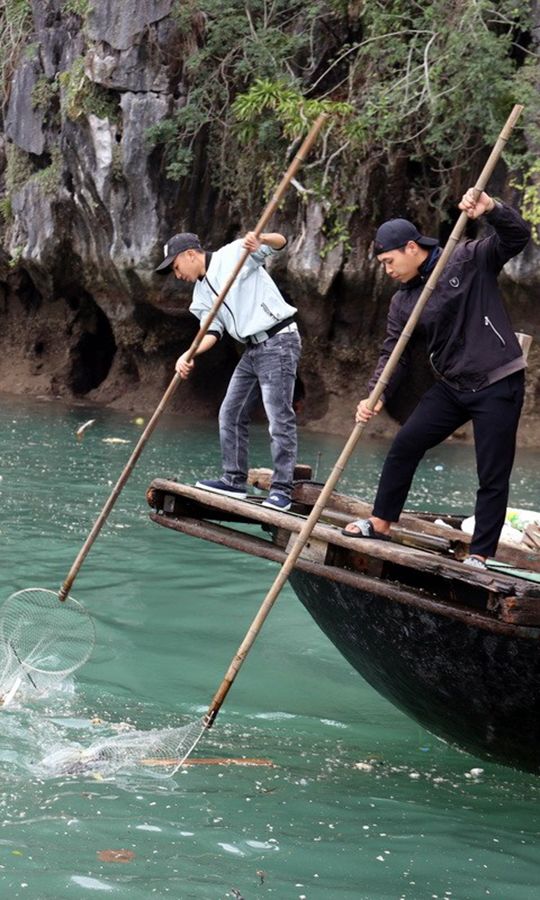

Limiting mass tourism and focusing on sustainable tourism activities must be a top priority for Ha Long Bay and other world heritage sites.

Reporter: To exploit and promote the value of heritage, Vietnam in general and Quang Ninh province in particular have many tourism promotion programs, developing many new tourism products to attract domestic and foreign tourists. In your opinion, has the way of preserving and promoting the heritage of Ha Long Bay followed the criteria of UNESCO?
Mr. Jonathan Baker: Vietnam and Quang Ninh province have made significant progress in unifying the conservation and promotion of heritage based on UNESCO criteria.
Their willingness to address the challenges posed by rapid urbanization and tourism development demonstrates their commitment to maintaining the authenticity and integrity of the heritage site.
UNESCO's criteria emphasize the need for integrated management and stakeholder engagement to ensure a sustainable approach is reflected throughout the tourism value chain in order to protect the cultural and natural values of the heritage site.
Local communities play an active role in tourism activities, promoting cultural heritage and gaining economic benefits.
However, continuous monitoring and adjustments are necessary to ensure that tourism activities do not harm the outstanding universal value of Ha Long Bay.
Reporter: To effectively manage Ha Long Bay, besides human resources, the role of the local people is crucial. How do you assess the role of the community, primarily the indigenous people, in preserving and promoting the heritage value?
Jonathan Baker: The community, especially the indigenous people, plays a crucial role in the conservation of Ha Long Bay. Their deep knowledge of the ecosystem, traditions, and local sustainable practices is invaluable for effective heritage management.
Community-based tourism initiatives that actively involve local people in guiding and showcasing cultural activities have protected traditional livelihoods and enriched the visitor experience, fostering deeper connections between tourists and the heritage site.
Reporter: In your opinion, should restricting mass tourism and focusing more on environmentally friendly tourism activities be a direction for Ha Long Bay in particular and world natural heritage sites in general to ensure harmonious and sustainable exploitation of the heritage?
Jonathan Baker : Restricting mass tourism and focusing on sustainable tourism activities should be the top priority for Ha Long Bay and other World Heritage sites.
By prioritizing quality over quantity, Vietnam can protect the bay's natural landscape and biodiversity while creating unique and enriching experiences for tourists.
You need to strengthen the management of Ha Long Bay with additional resources to improve monitoring and conservation.
Tourists have a responsibility to protect and preserve heritage sites, which can be achieved through targeted communication and education about responsible tourism.
The application of sustainable approaches and clear solutions has made Ha Long Bay a model for other localities nationwide.
Policies such as restricting access to sensitive areas, certifying ecotourism for operators, and encouraging low-impact tourism will ensure the long-term sustainability of the region.




Reporter: The major challenges for cultural and heritage conservation are the increase in tourists, environmental degradation, and the protection of natural landscapes. In the near future, Quang Ninh will promote many projects to help tourists have more ways to explore the amazing nature of Ha Long Bay. In the face of these challenges, what do you think we need to do to improve conservation work?
Mr. Jonathan Baker: To enhance sustainable tourism in Ha Long Bay, the following measures could be considered: Develop stricter visitor management policies, including limiting the capacity of tourists and boats.
Promote eco-friendly tourism activities, eliminate single-use plastics and promote green energy in transportation.
You need to strengthen the legal framework for businesses operating in the bay to ensure compliance with conservation goals.
Develop culturally and creatively based tourism experiences that reflect the values of the heritage site, promoting a deeper connection between visitors and the heritage site.
In addition, you need to continue investing in heritage education campaigns to raise awareness among tourists and local stakeholders about the importance of protecting the site's outstanding universal values.
Ensure effective governance structures for overall management of the area, ensuring effective coordination among stakeholders.
Strengthen international cooperation to share best practices and support sustainable projects.
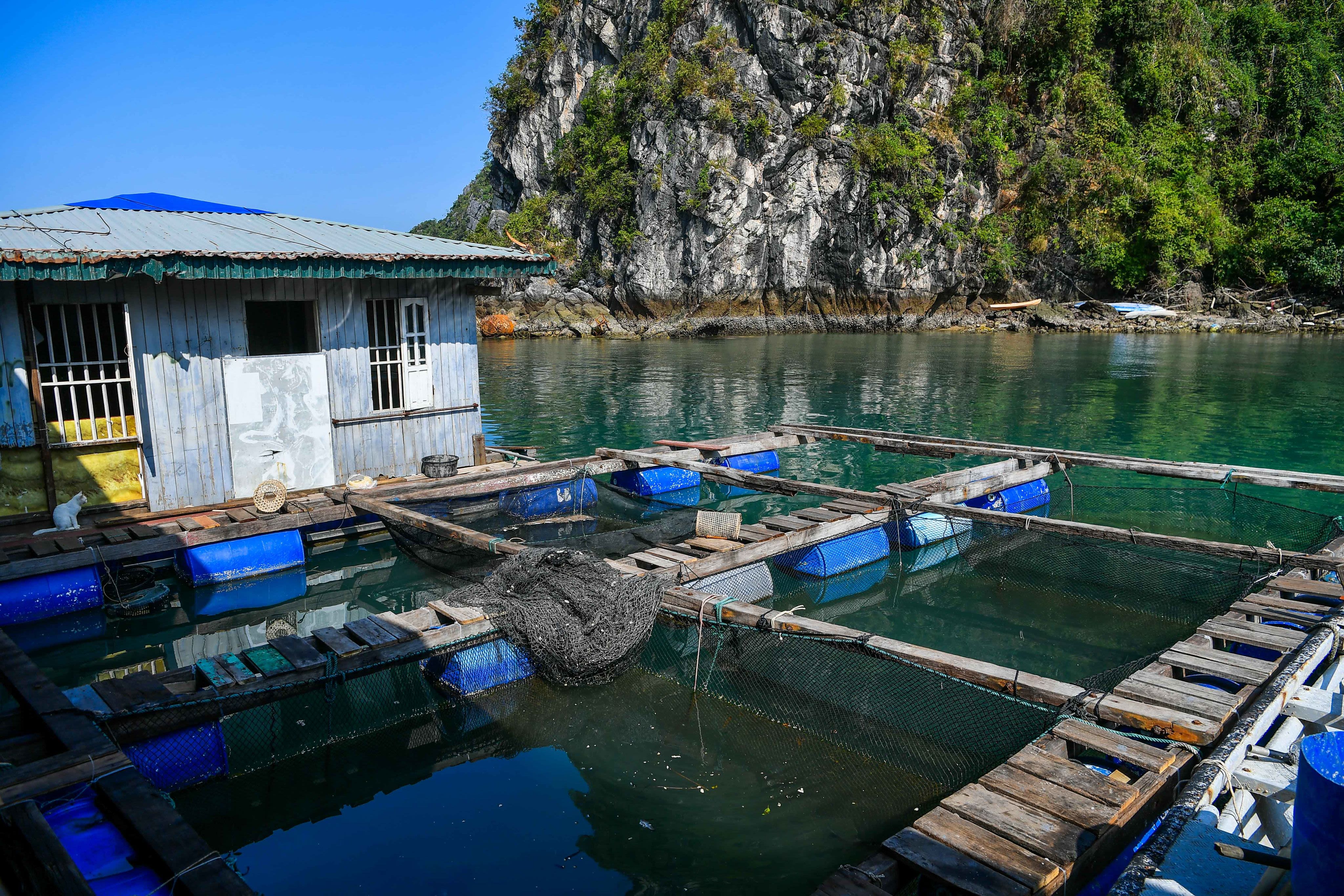
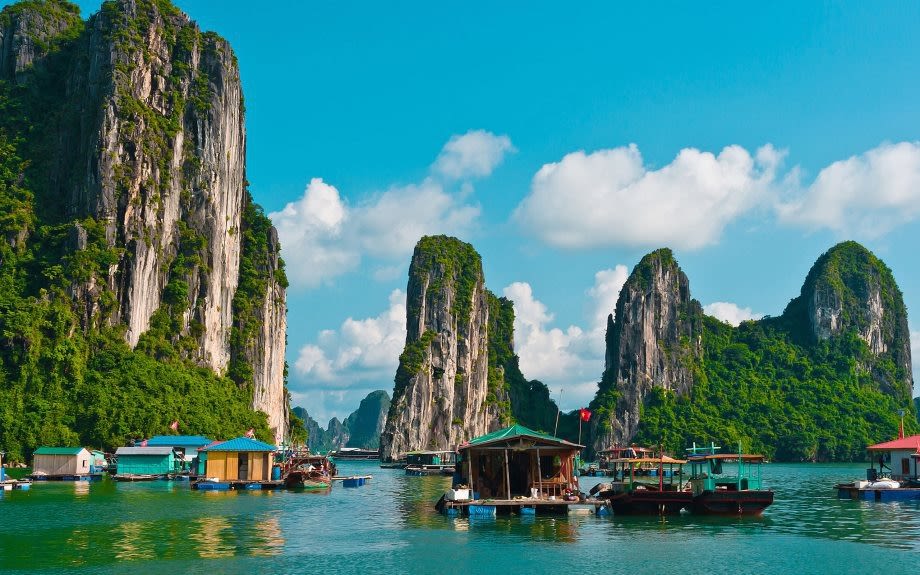
Fish rafts in Cua Van fishing village.
Reporter: Could you please give some suggestions and recommendations to effectively preserve and promote the value of the Ha Long Bay-Cat Ba archipelago heritage system?
Mr. Jonathan Baker : UNESCO recommends that you establish a unified management framework for Ha Long Bay and Cat Ba Archipelago to ensure that conservation efforts are coordinated.
In terms of scientific research, it is necessary to invest in biodiversity research to orient conservation strategies and promote the ecological values of the area on a regular basis.
At the same time, promote sustainable tourism through detailed management plans that integrate conservation and development, ensuring a balance between economic benefits and environmental conservation.
You need to develop strong visitor management strategies and develop tourism products and services that offer rich visitor experiences based on the values of the heritage site.
Empower local communities with training in ecotourism, traditional crafts and hospitality to enhance cultural preservation and economic participation.
You need to have policies that encourage green tourism development through environmentally friendly infrastructure and strict environmental regulations for operators.
Expand community training programs to increase local participation in conservation and sustainable tourism efforts.
Regarding awareness campaigns, you need to develop educational initiatives to highlight the ecological and cultural importance of the bay, targeting both local and international audiences.
In addition, you need to leverage collaboration with global conservation organizations to gain funding and technical expertise; regularly update management strategies based on scientific findings and stakeholder input to address emerging challenges and ensure long-term conservation.
Source: https://nhandan.vn/special/Unesco-di-san-Vinh-HL/index.html
![[Photo] The captivating scenery of the fragrant maple forest in Quang Tri](/_next/image?url=https%3A%2F%2Fvphoto.vietnam.vn%2Fthumb%2F1200x675%2Fvietnam%2Fresource%2FIMAGE%2F2025%2F12%2F10%2F1765353233198_lan09046-jpg.webp&w=3840&q=75)


![[Photo] Explore the US Navy's USS Robert Smalls warship](/_next/image?url=https%3A%2F%2Fvphoto.vietnam.vn%2Fthumb%2F1200x675%2Fvietnam%2Fresource%2FIMAGE%2F2025%2F12%2F10%2F1765341533272_11212121-8303-jpg.webp&w=3840&q=75)







![[Video] The craft of making Dong Ho folk paintings has been inscribed by UNESCO on the List of Crafts in Need of Urgent Safeguarding.](https://vphoto.vietnam.vn/thumb/402x226/vietnam/resource/IMAGE/2025/12/10/1765350246533_tranh-dong-ho-734-jpg.webp)







































































Comment (0)