

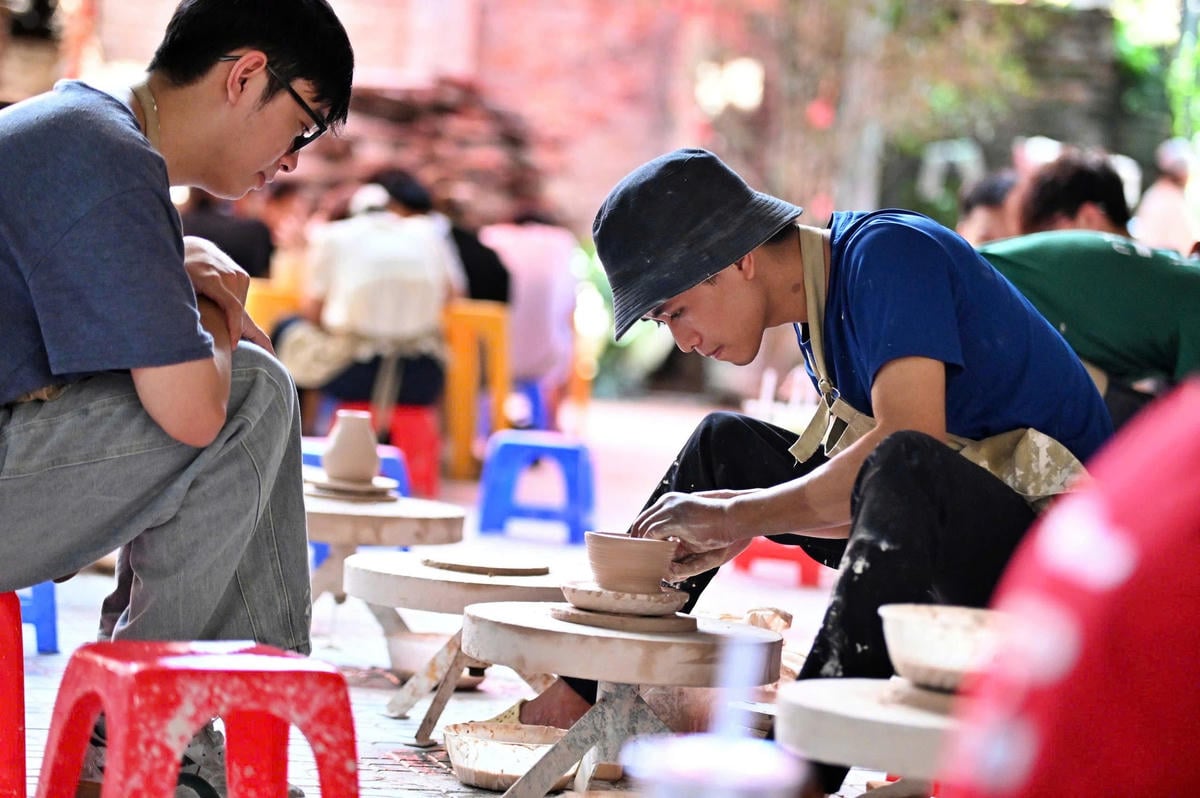
Located right on the banks of the Red River, Bat Trang pottery village (Hanoi) is ideally situated for combining production with experiential tourism , enriching the offerings of river tourism. Photo: Pham Sy.
The flow of culture through the ages.
River tourism is becoming one of the priority development directions of the world tourism industry. Not only expanding the product portfolio, this type also creates investment attraction for the infrastructure system including tourist ports, wharves and riverside service spaces. The rational exploitation of waterways also contributes to reducing pressure on road traffic and overloaded destinations, especially in large cities.
In the Red River Delta, the Red, Day, and Duong rivers have long gone beyond their role as main transportation routes. They have become the source of life and culture for Vietnamese communities. It is along the banks of these rivers that residents established villages early, established traditional crafts, and formed a bustling waterway trade network. The concept of “first near the market, second near the river” not only reflects the choice of residence but also shows the livelihood mindset, lifestyle, and cultural identity of an entire region.
Along the banks of the Red River and its tributaries is a rich system of relics. Along with that, many traditional festivals associated with river life are still maintained every year, becoming a highlight to attract tourists. Notably, the Red River Delta has long been considered the "capital of craft villages" of the country with a dense density of traditional craft villages. Hanoi stands out with Bat Trang pottery, Van Phuc silk, Hang Trong paintings, Xuan La figurines, Yen Thai do paper; Bac Ninh has Dong Ho paintings, Phu Lang pottery; Ninh Binh is famous for its mat weaving and Y Yen bronze trumpets; Ninh Van fine art stone, Van Lam embroidery... Each craft village has its own cultural and technical values, creating a unique tourism resource.
With these advantages, the development of river tourism routes combined with the exploration of craft villages opens up great advantages for the region. Inter-regional waterway journeys not only increase the length of stay and boost tourists' spending, but also contribute to enhancing the experience, helping tourism to be more closely connected with local cultural life.
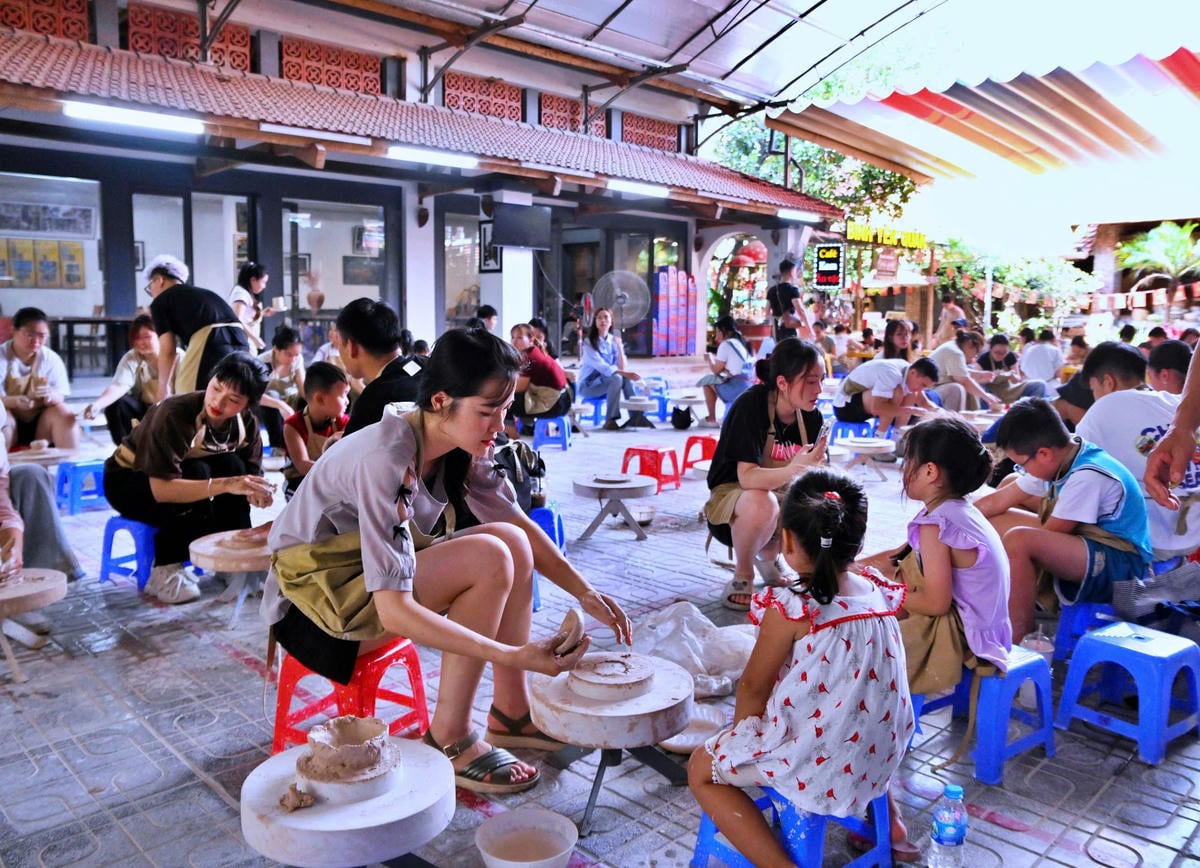
Tourists experience making traditional pottery at Bat Trang pottery village (Hanoi). Photo: P. Sy.
Dr. Nguyen Thi Phuong - Vietnam Institute of Culture, Arts, Sports and Tourism assessed that with its historical, cultural, artistic, landscape, ecological values, etc., traditional craft villages in the Red River Delta are one of the valuable resources for developing cultural tourism and river tourism products. Taking advantage of these advantages, more and more craft villages in the Red River Delta have restructured their production activities, shifting from manual production to production combined with experiential tourism, creating a rich variety of river tourism products.
According to MSc. Hoang Thu Huyen - Vietnam National Tourism Administration, the Red River Delta has all the favorable conditions to develop river tourism associated with visiting and experiencing traditional craft villages. If this potential is properly exploited, it will create unique tourism products for the region and bring economic benefits to the local community, contributing to preserving and spreading the cultural values of traditional craft villages in the context of integration and development. The problem is how to turn potential into development driving force through appropriate policies and solutions.
Awaken the rivers
Despite its great advantages, tourism in craft villages in the Red River Delta has not yet fully exploited its potential. Except for some bright spots such as Bat Trang, most craft villages have not yet built a clear tourism brand and have not really attracted visitors. Tourist reception activities are still fragmented, mainly by tour or spontaneous, lacking synchronous investment.
According to many experts, the experience for tourists is also quite monotonous, often just stopping at visiting factories and buying products. Deeper cultural values such as the history of craft villages, festivals, cuisine or community life have not been exploited appropriately, making it difficult to retain tourists. In many places, the government and people still consider tourism as a side activity, attached to production, and have not recognized this as an economic sector that needs a long-term development strategy.
From a local perspective, Mr. Nguyen Van Dap - Deputy Director of the Department of Culture, Sports and Tourism of Bac Ninh province said that in reality, the exploitation of craft village values to develop tourism products on the river is still modest, not commensurate with the potential. Tourism activities in craft villages are still spontaneous and fragmented... Most craft villages still focus on producing traditional goods, not paying attention to the factors of experience, creativity, and education - the core elements of modern tourism.
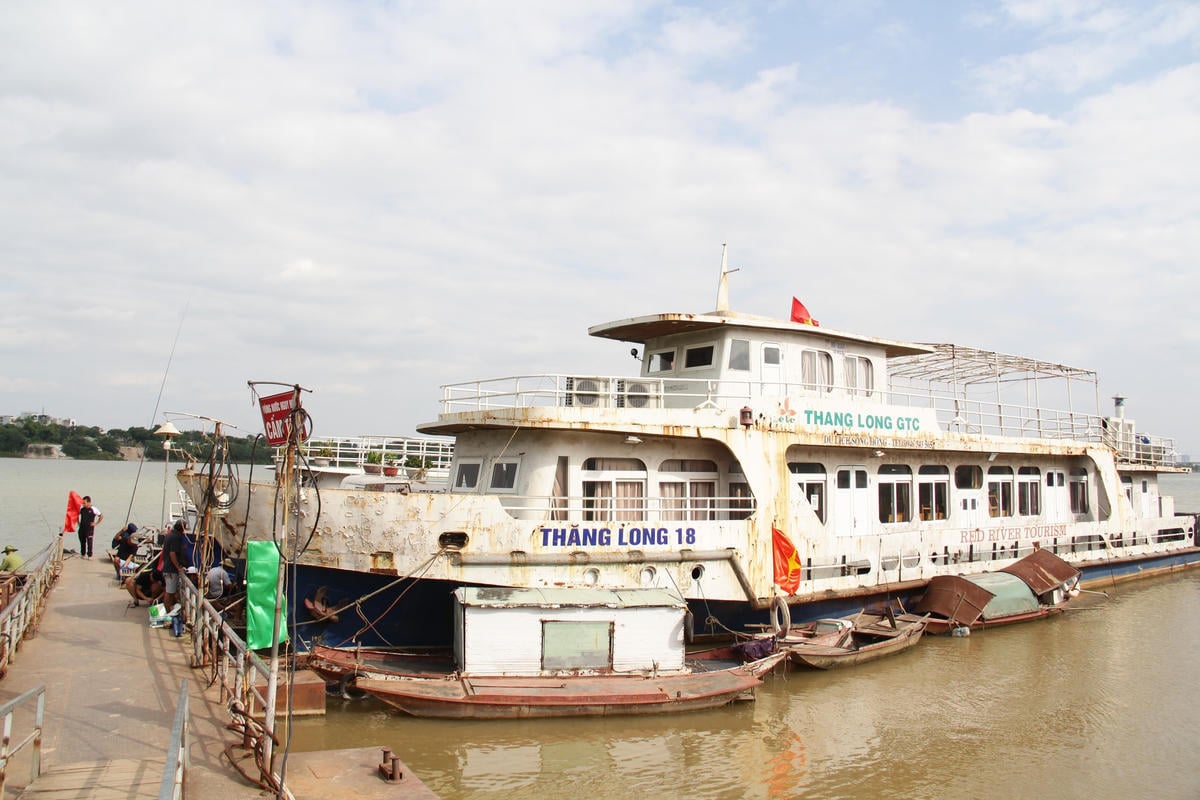
Despite its great potential for developing the tourism industry, the Red River tourism sector has not yet truly flourished. Photo: P. Sy.
To effectively exploit and find the right direction, turning traditional craft villages along the Red River into attractive and sustainable tourist destinations, according to Dr. Vu Anh Tu - Vietnam Institute of Culture, Arts, Sports and Tourism, there needs to be a synchronous coordination between the State's macro policies, the investment of enterprises and the initiative of the community. By focusing on diversifying tourism products, building brands, applying technology, and developing responsible tourism, we can create a unique, attractive and sustainable Red River tourism brand. This not only brings economic benefits but also contributes to preserving Vietnamese cultural identity, so that ancient craft villages will forever be the soul of the Red River and the pride of the nation.
Sharing the same view, MSc. Hoang Thu Huyen said that to promote the value of craft villages in developing river tourism in the Red River Delta, a comprehensive strategy is needed from planning, infrastructure to products and human resources. Localities must integrate tourism goals into craft village planning and invest in completing wharves and facilities serving the Red River routes. At the same time, diversifying products, increasing real-life experiences for tourists and promoting regional linkages and public-private partnerships will help make river journeys more attractive and sustainable. In the development process, cultural preservation and environmental protection must be given top priority to maintain traditional values. Finally, there needs to be a joint promotion campaign to build the Red River - craft village tourism brand, creating a clear mark on the market.

Assoc. Prof. Dr. Pham Lan Oanh.
Source: https://bvhttdl.gov.vn/danh-thuc-gia-tri-lang-nghe-tren-nhung-dong-song-20251210140125275.htm






















![[Video] The craft of making Dong Ho folk paintings has been inscribed by UNESCO on the List of Crafts in Need of Urgent Safeguarding.](https://vphoto.vietnam.vn/thumb/402x226/vietnam/resource/IMAGE/2025/12/10/1765350246533_tranh-dong-ho-734-jpg.webp)





























































Comment (0)