 |
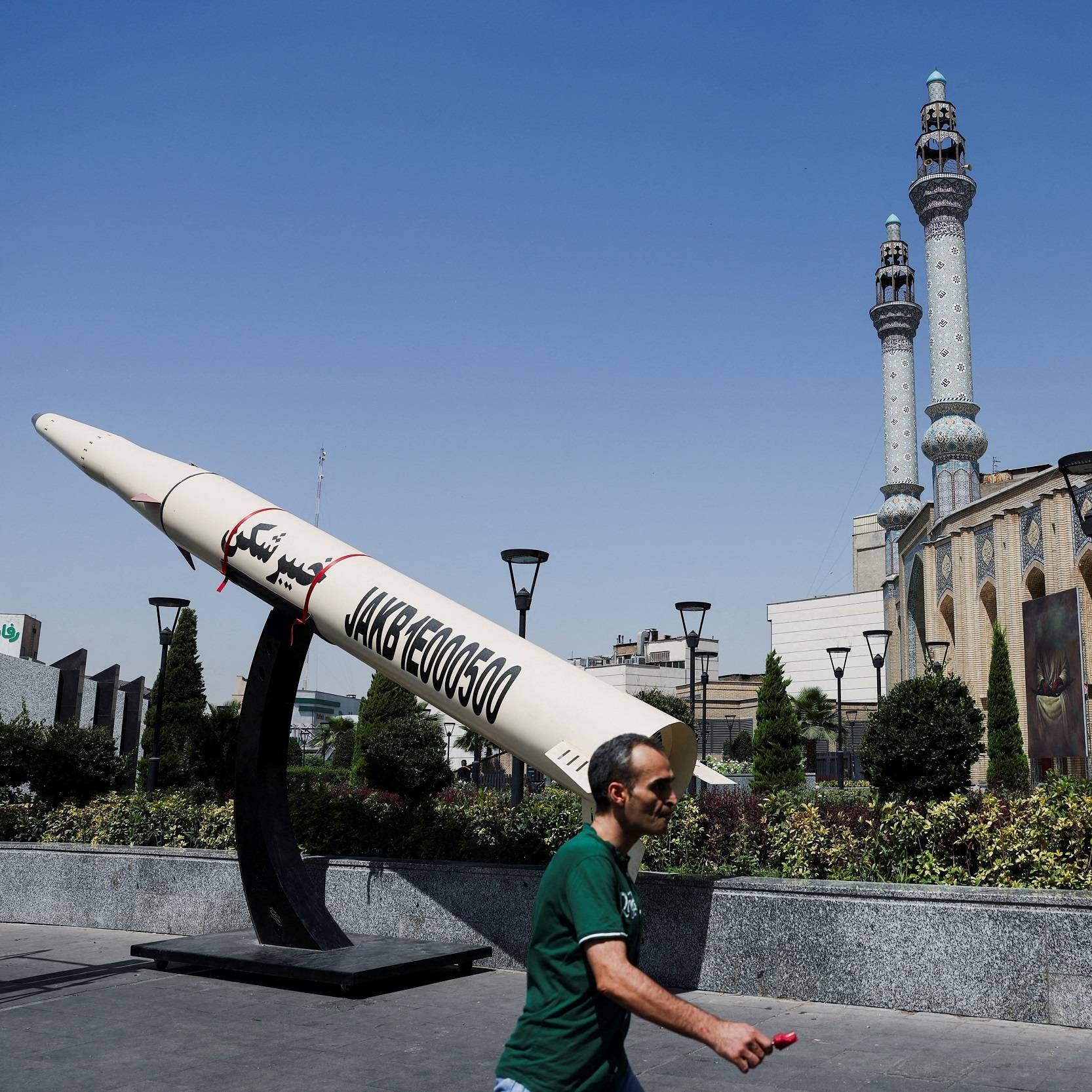
Following the escalation of tensions between the US and Iran, which began with the crash of a US Apache attack helicopter on June 9th, Iran warned that if diplomacy failed, it was ready to resume hostilities and expand the conflict beyond the Persian Gulf, threatening shipping lanes from the Indian Ocean to the Red Sea and the Mediterranean.
Change the level of restraint
CNN noted that Iran's shift in objectives began to emerge when it launched a warning attack on Israel on the night of June 7th. This move aimed to break the deadlock in negotiations. Since then, a series of tense developments have followed.
"We have reversed the ceasefire equation, which existed only on paper and was constantly violated on the ground. Until genuine goodwill emerges to build trust, Iran's response will remain the same," Mohammad Bagher Ghalibaf, Iran's chief negotiator, declared on June 8.
Aaron David Miller, an American negotiator who has participated in Middle East peace talks, commented: "Iran has put both Israel and the United States in a difficult position. Iran has shown that it is now willing to take risks because it believes it is gaining the upper hand."
According to Danny Citrinowicz, former head of the Iran division of Israel's military intelligence, Tehran is seeking to establish a "new equation" in the conflict. "Recent developments suggest that Iran's current leadership believes that what cannot be achieved through diplomacy can be achieved through force," Citrinowicz said.
Change your leadership style.
According to Foreign Affairs , by the time the US and Israel attacked Iran in late February 2026, Iran was severely weakened. However, the current reality in Iran is very different.
Iran has maintained its military and industrial capabilities. The initial goal of the US and Israel to deliver a devastating blow to Iran has failed to be achieved. Instead of being crushed, Iran has been reshaped by the war in ways no one could have predicted.
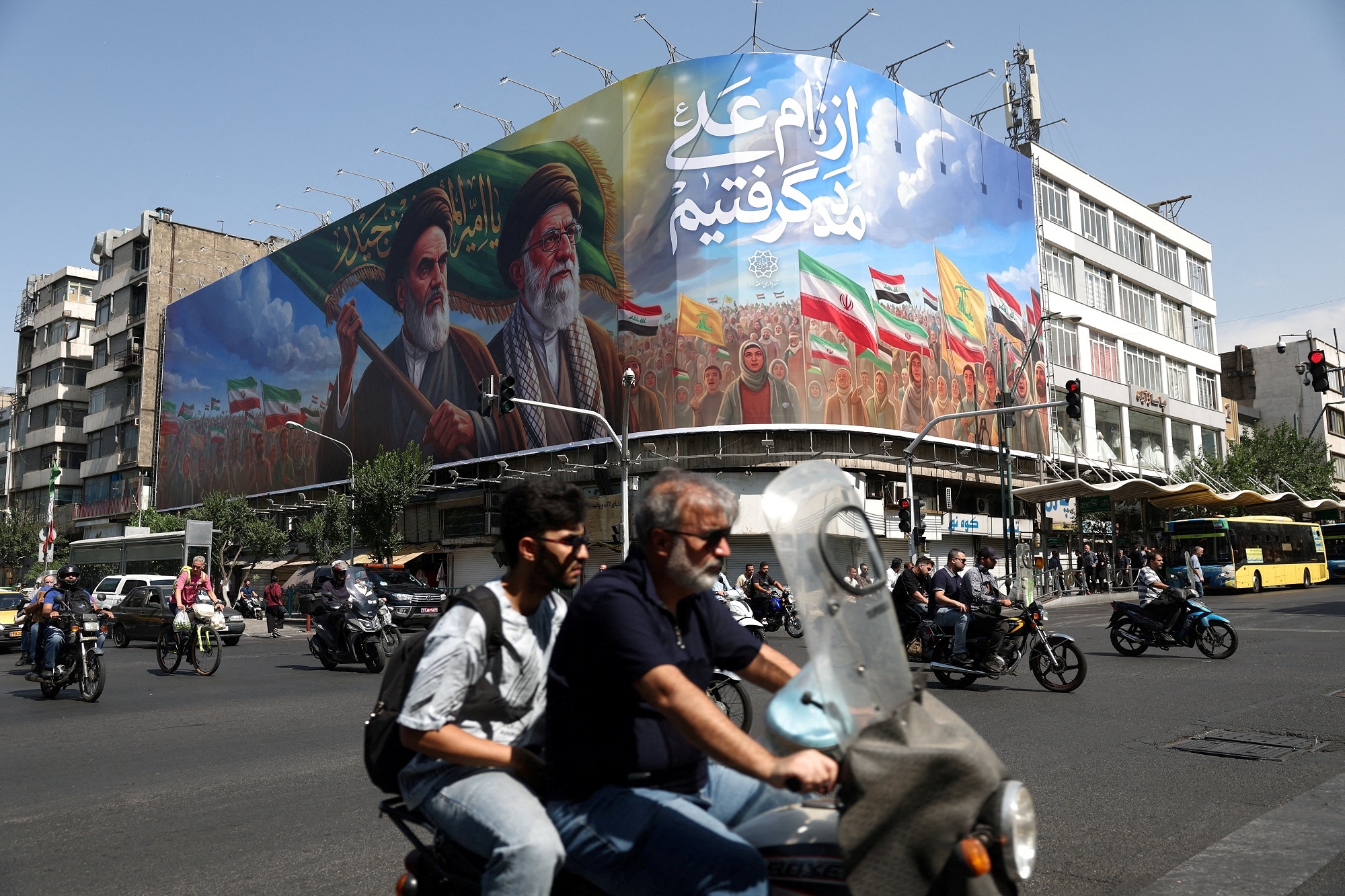 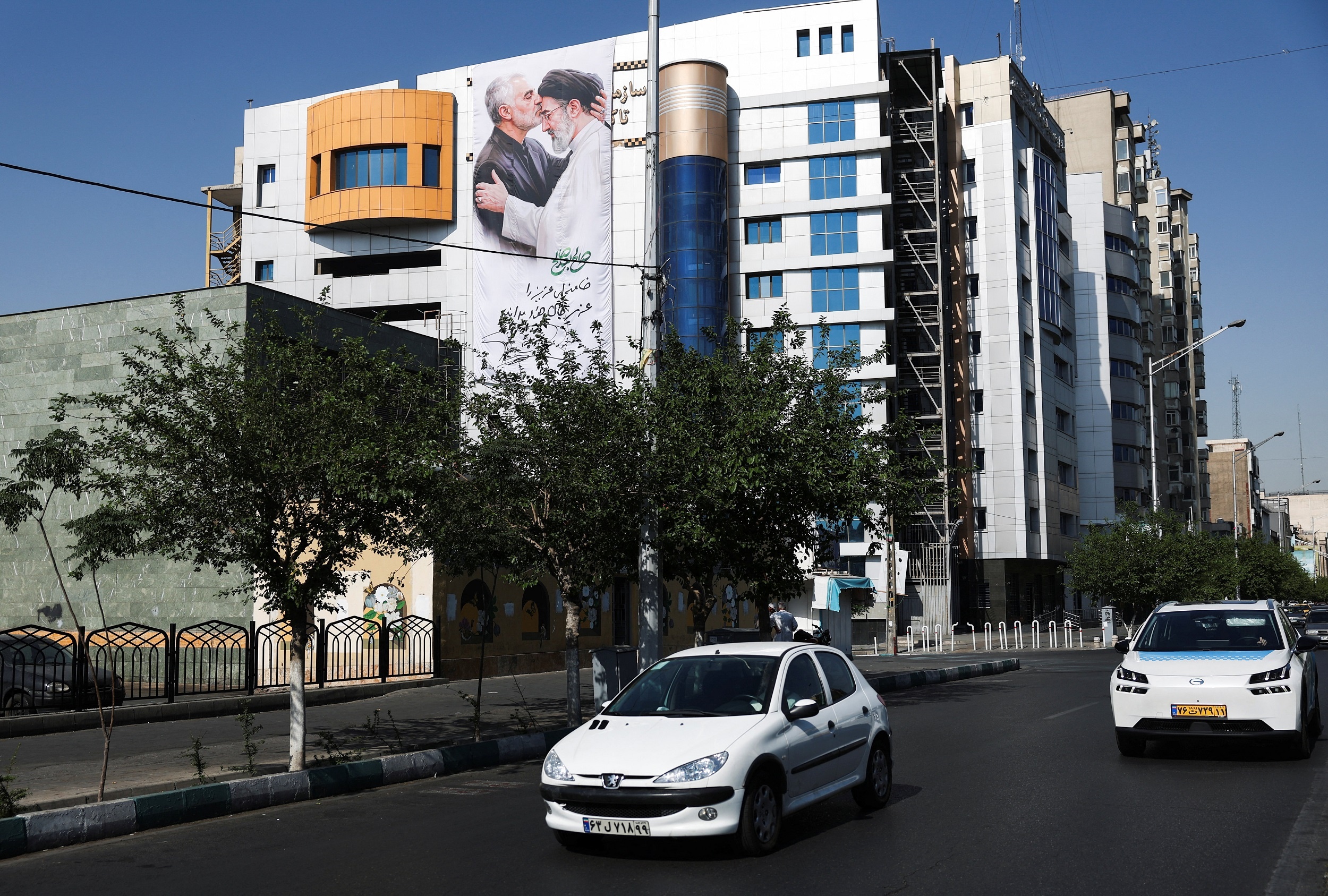 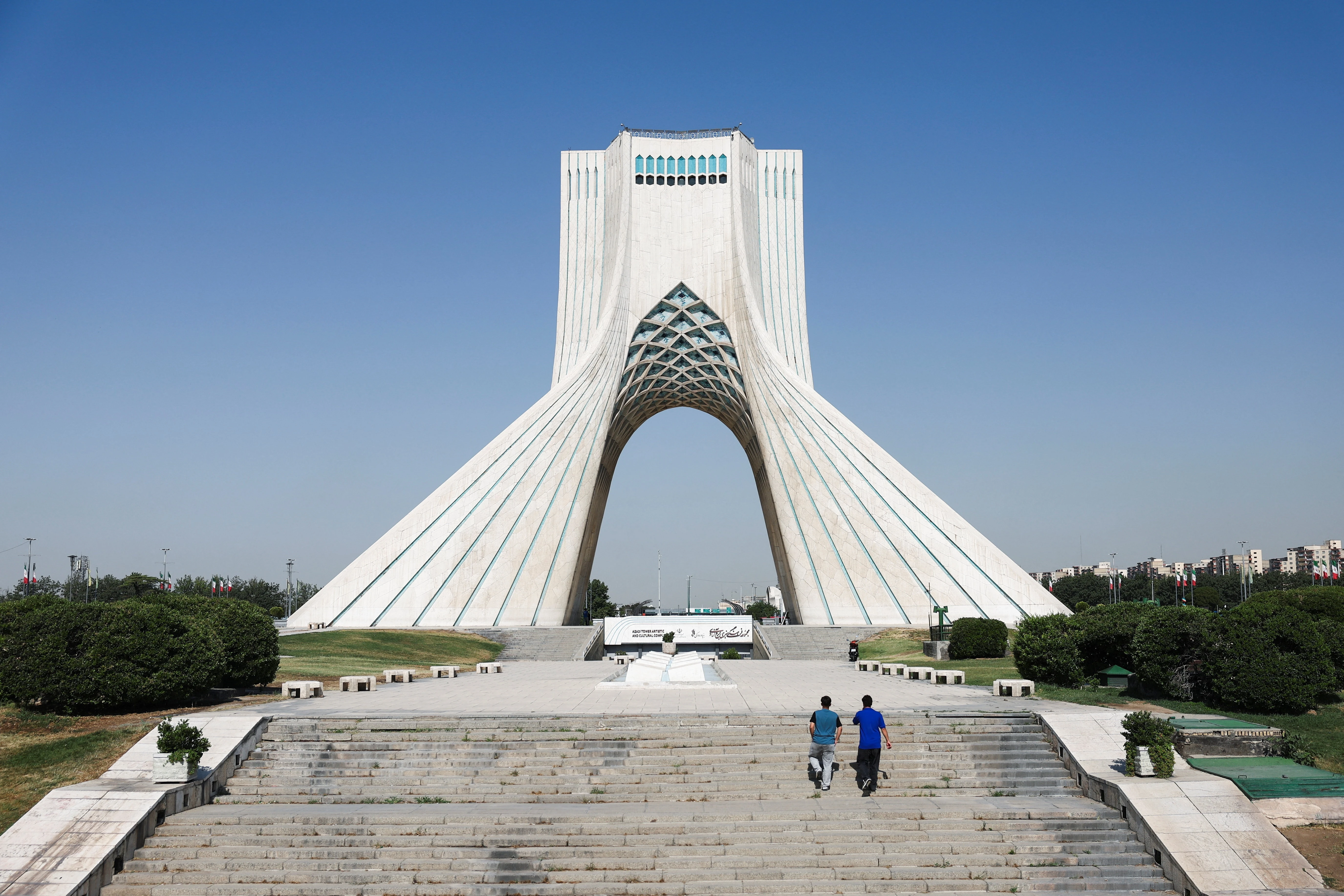 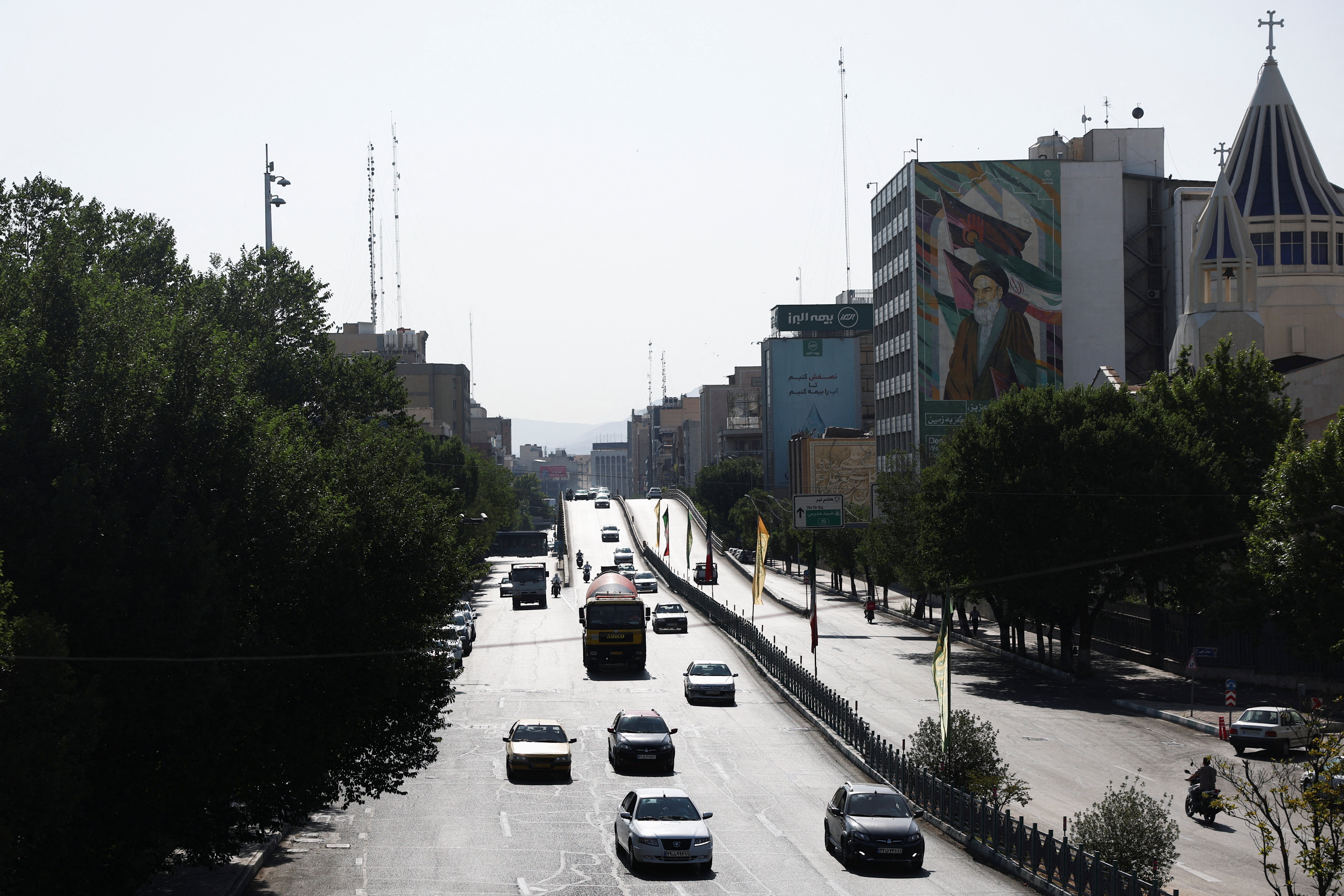 |
Iran has just witnessed the biggest power transition in decades. Photo: Reuters . |
To survive and create new strategic advantages, Tehran is forced to adapt and innovate, from the way it conducts warfare and governs the state to how it manages society. All of this must happen at an unprecedented pace.
The war has created a new Iran, a nation capable of reshaping the Middle East and influencing the global geopolitical landscape for years to come.
The US and Israel once hoped to achieve a swift victory by assassinating high-ranking Iranian leaders. However, this assassination strategy paved the way for a new generation of leaders to come to power.
Many Western observers believe that the new leadership in Iran holds an equally hardline stance as its predecessor, while simultaneously developing a technocratic, organized culture that prioritizes national defense.


The current Iranian leadership acts pragmatically, assessing Iran's capabilities more cautiously. They may maintain strategic patience, but are also prepared to act decisively when necessary.
Immediately after the war ended in June 2025, the IRGC began preparing for the possibility of a new war breaking out. Iranian research institutes, strategic centers, and government agencies continuously held discussions about war and the changes that needed to be implemented immediately.
In just eight months before the outbreak of a new war, Iran implemented more reforms than in the previous decade combined. During this process, a generation of technocratic leaders played an increasingly dominant role.
Prior to this, for over four decades, Iran had been researching asymmetric warfare. In practical deployment, Iran used UAVs, speedboats, and naval mines, thereby demonstrating its ability to exert pressure in the Strait of Hormuz.
Simultaneously, Iran expanded its military presence in the Persian Gulf, inflicting damage on US military bases. Iran's attacks also caused crises for neighboring Gulf states. The crisis of trust between Gulf nations and Washington is expected to persist.
More than three months after the US and Israel launched a war against Iran, the Iranian government remains intact. Iran has withstood intense airstrikes, maintained control of the Strait of Hormuz, and continues to face a US naval blockade.
Iran's asymmetric warfare strategy has demonstrated formidable capabilities that Washington has long underestimated. Tehran views the current stalemate as a manifestation of a new balance of power.
The US naval blockade puts pressure on the Iranian economy, but at the same time highlights the strategic importance of Tehran's control of the Strait of Hormuz.
The shift in the US focus from air warfare to a naval blockade means Washington acknowledges that Iran has altered the nature of the battlefield.
An Iranian political analyst told Foreign Affairs : "The lifting of sanctions is no longer so important to us, because we know it won't happen, or if it does, it won't last. Now, managing the Strait of Hormuz is the key."
Change negotiation tactics
The IRGC is no longer relying solely on diplomacy. US officials have previously viewed Iran's slow pace in negotiations as a sign of internal disunity.
According to Foreign Affairs , Tehran's negotiating style reflects a newfound confidence, along with lessons Iran has learned from previous rounds of talks. Iranian leaders believe that at the negotiating table, the US is trying to achieve things that could not be achieved on the battlefield.
Narges Bajoghli and Vali Nasr, two professors specializing in the Middle East at Johns Hopkins University, both argue that Iran is employing a "bazaar-style" negotiating tactic.
This style is characterized by patience, repeatedly making demands, and negotiating over a long period of time, aiming to tire the other party out or reveal their limits, leading to concessions.
While the US president prioritizes quick, transactional deals and political maneuvering, Iran pursues a strategy of protracted agreements, maintaining ambiguity to seek concessions step by step.
The current confrontation is not only a military conflict with many intractable issues, but also a competition between two negotiating approaches: one side wants quick results, the other believes that time is its ally.
Change people's perceptions.
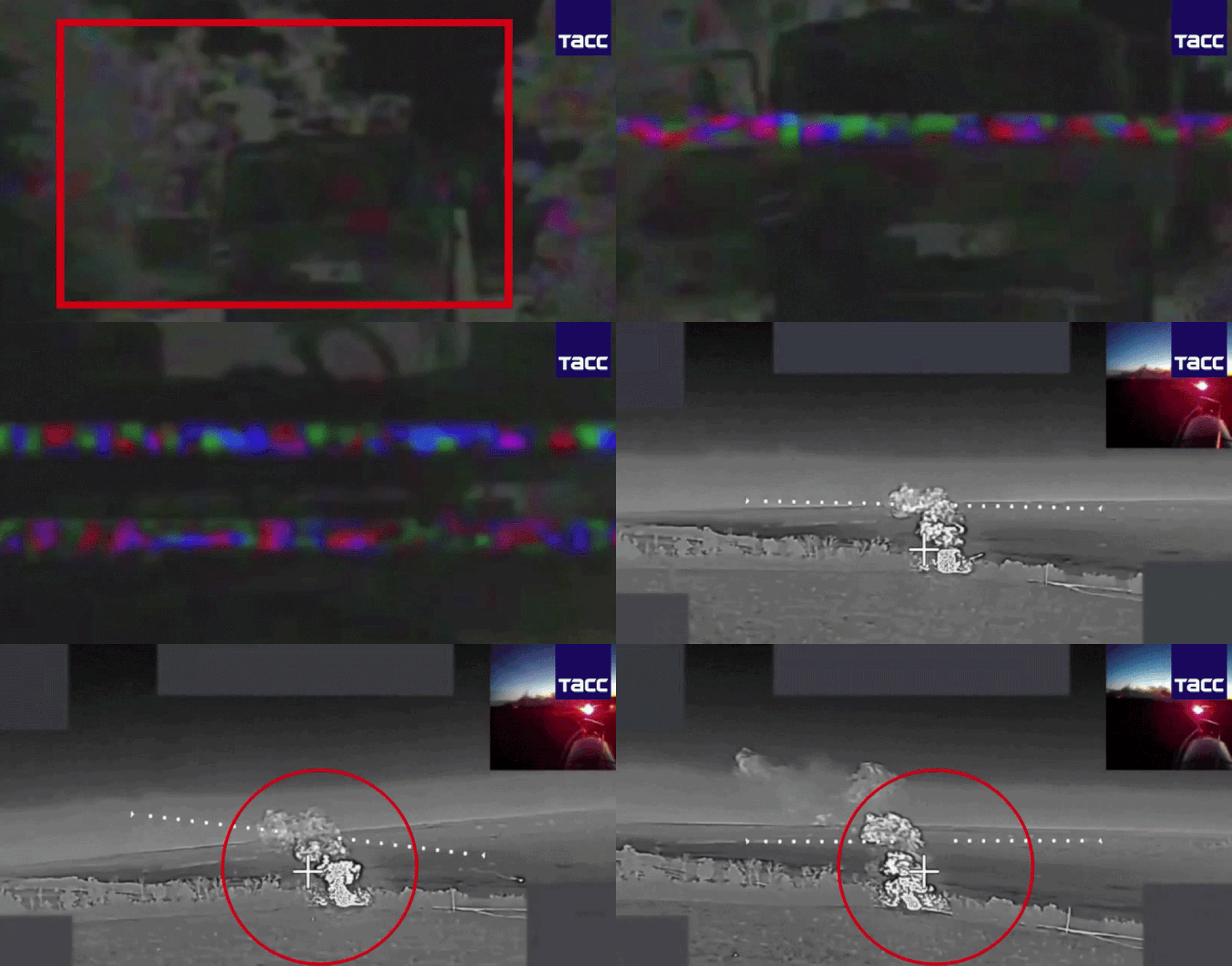
The large-scale protests that erupted in Iran in January 2026 reflected the Iranian people's weariness with economic pressure. However, the war waged by the US and Israel in Iran has changed the Iranian people's perceptions.
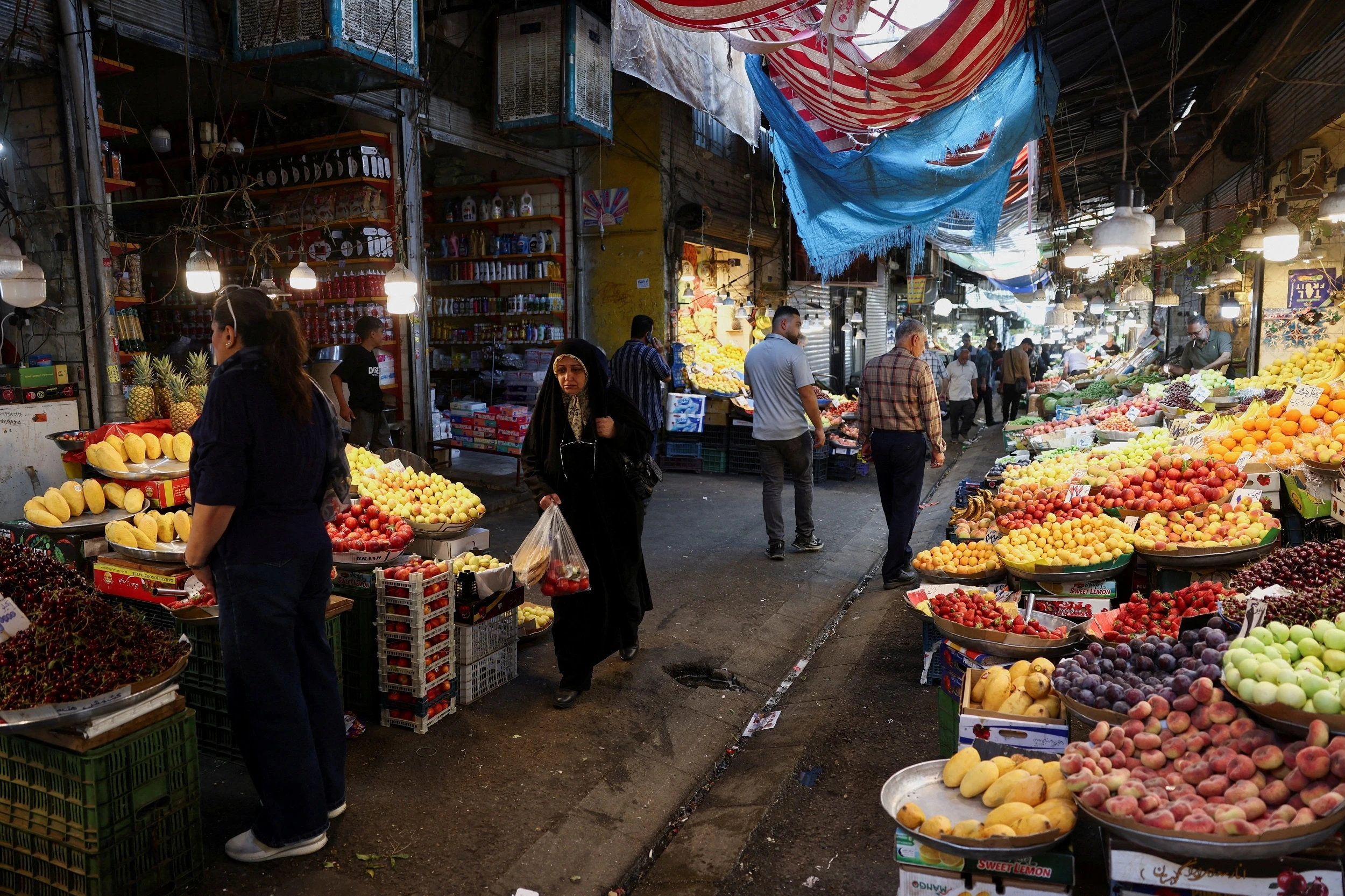 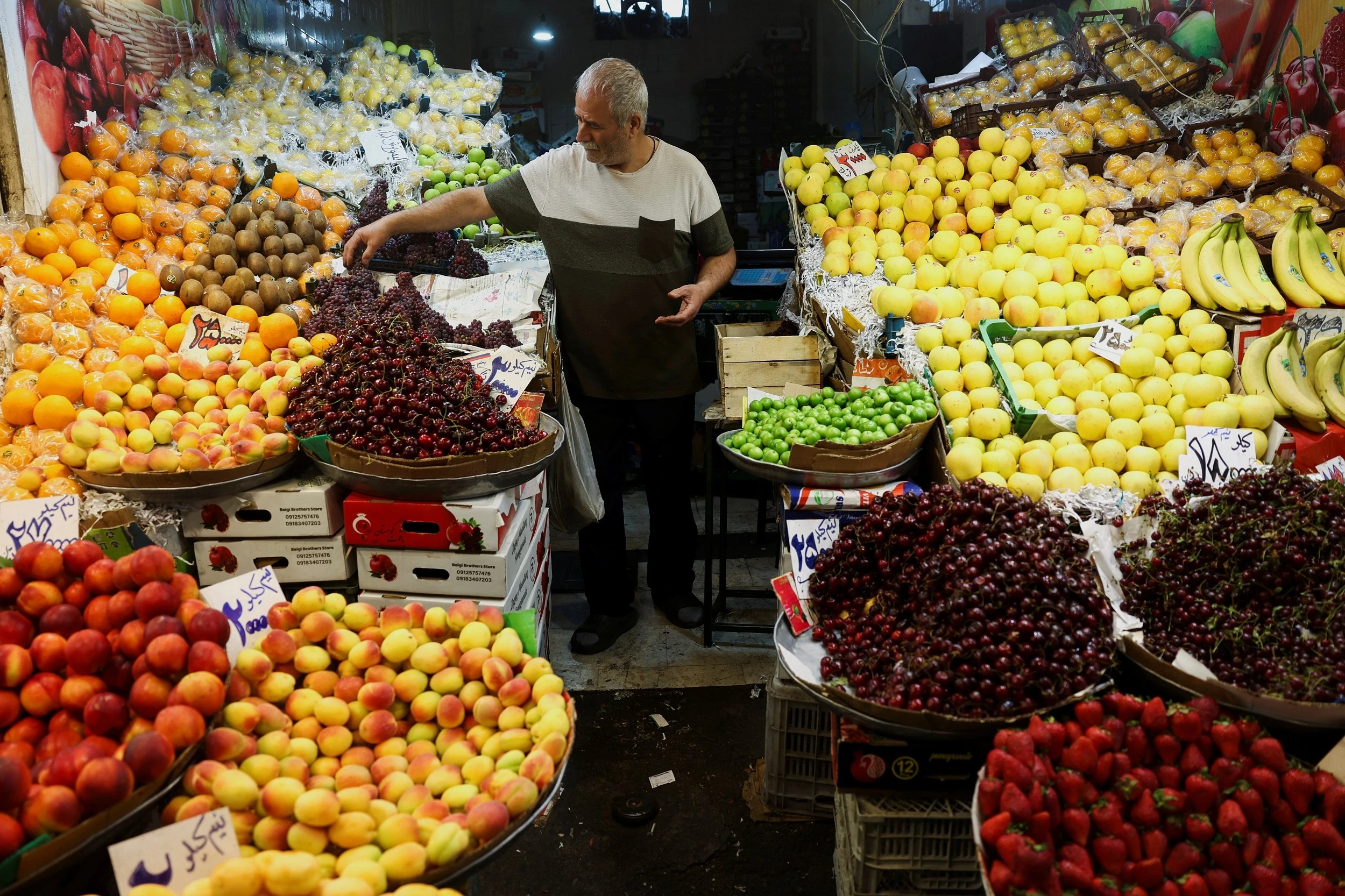 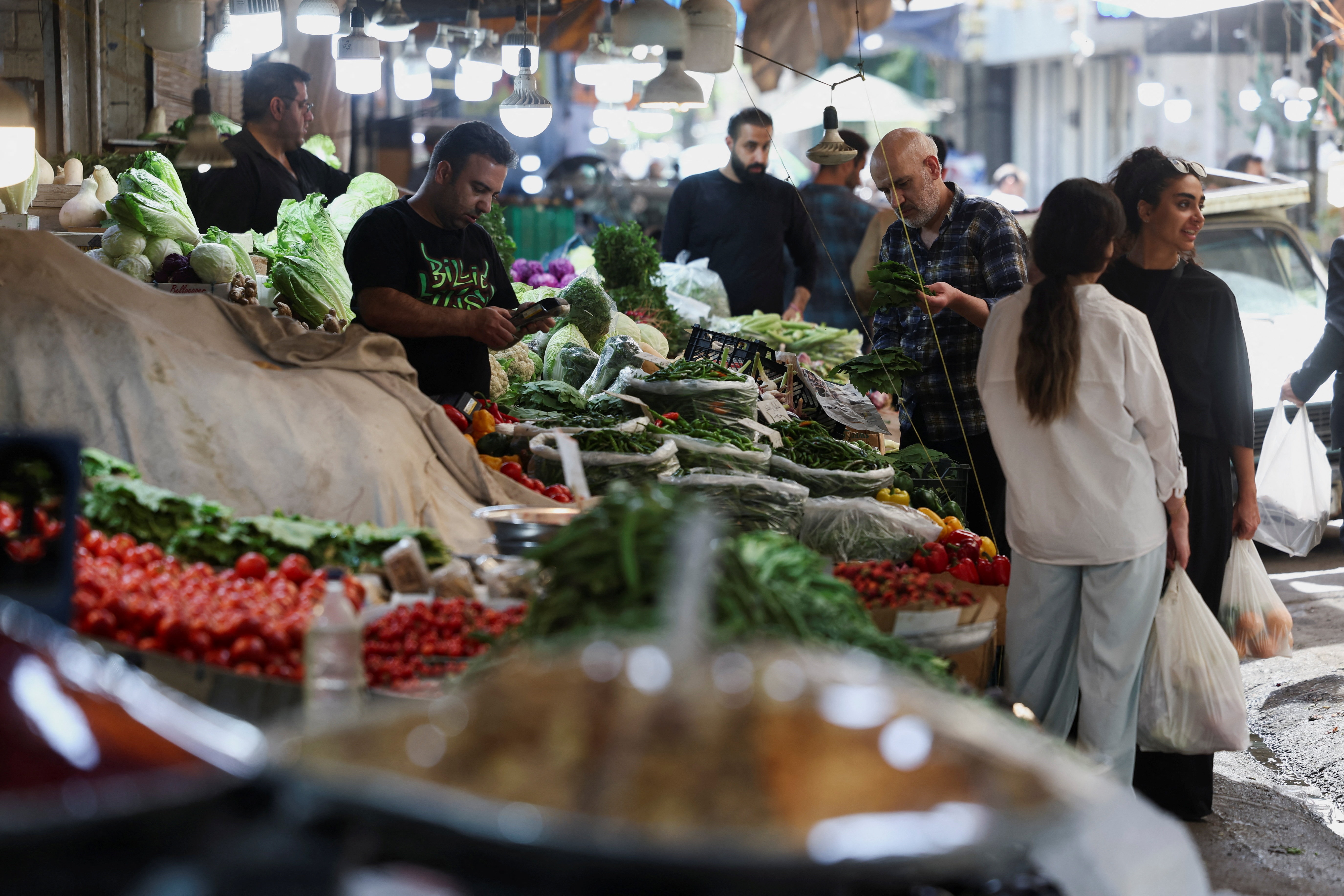 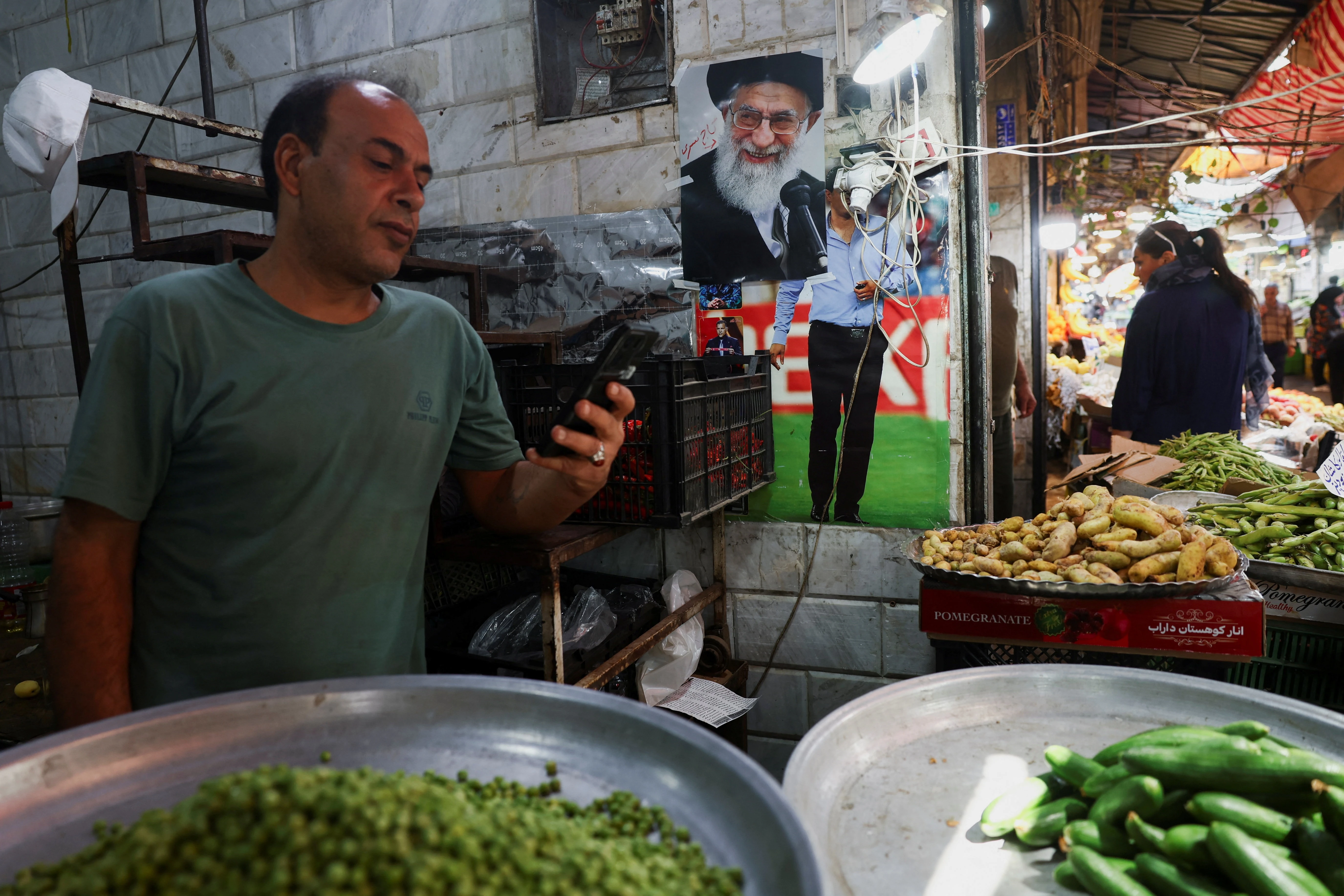 |
The current sentiment among Iranians is very different from what it was in January. Photo: Reuters . |
The damage caused by the war was immense. Industrial infrastructure, factories, schools, hospitals, historical sites, and even residential areas were destroyed.
Amidst the relentless bombing by the US and Israel, military pressure triggered a nationalist response. Iranians united in their struggle.
People participated in daily marches, forming human barricades to protect power plants and crucial bridges threatened with attack. The internal problems that existed in Iran in January gradually faded away amidst the bombing and devastation of war.
Ultimately, the war became a harsh test that forged a new version of Iran, marking the biggest generational leadership transition in the country in decades.
Source: https://znews.vn/iran-thay-doi-ngoan-muc-post1659009.html

![[Image] Ho Chi Minh City: Ma Lang area, Chicken-Rice Market about to change its appearance](https://vphoto.vietnam.vn/thumb/1200x675/vietnam/resource/IMAGE/2026/06/25/1782377698627_ndo_br_m1-jpg.webp)
![[Image] Schools organize meetings and introduce teaching models to students admitted to grade 10.](https://vphoto.vietnam.vn/thumb/1200x675/vietnam/resource/IMAGE/2026/06/25/1782368077271_ndo_br_z7970052192242-1ec8daeb77a6eed1a4e9f58c564ddd3e-jpg.webp)
![[Photo] General Secretary and President To Lam receives Palestinian Ambassador Saadi Salama](https://vphoto.vietnam.vn/thumb/1200x675/vietnam/resource/IMAGE/2026/06/25/1782365384740_a1-bnd-9423-8322-jpg.webp)