

The Kawasaki Ninja e-1 is developed based on the chassis of the Ninja 400 model, retaining the steel frame and swingarm. The overall design of the bike retains the strong, sporty lines characteristic of the Ninja series. The most notable change is the replacement of the traditional combustion engine with an electric powertrain.
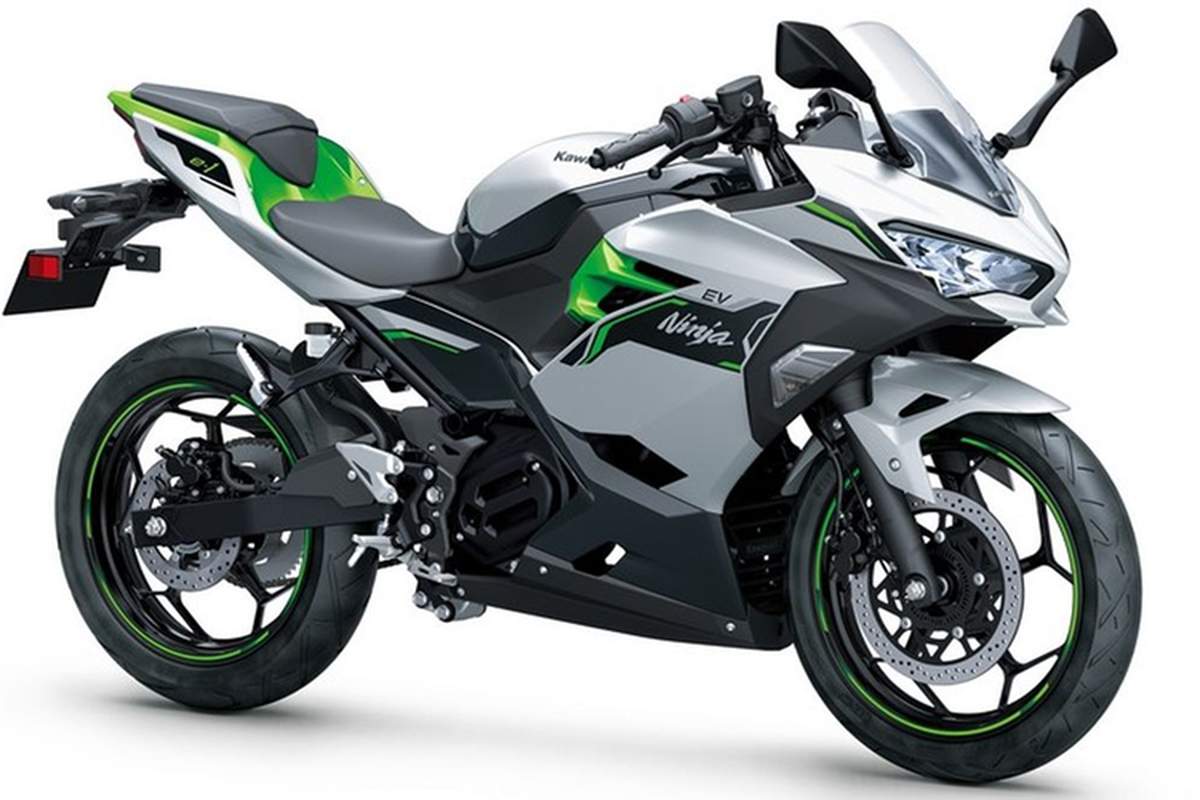
The Ninja e-1 uses a 5 kW electric motor, with a peak power of up to 9 kW (12.1 hp) and a torque of 40.5 Nm. Power is supplied by two removable lithium-ion battery packs, each weighing 11.5 kg, connected in parallel. Users can charge the batteries in two ways: by removing the batteries for charging or by charging directly via the socket under the seat.
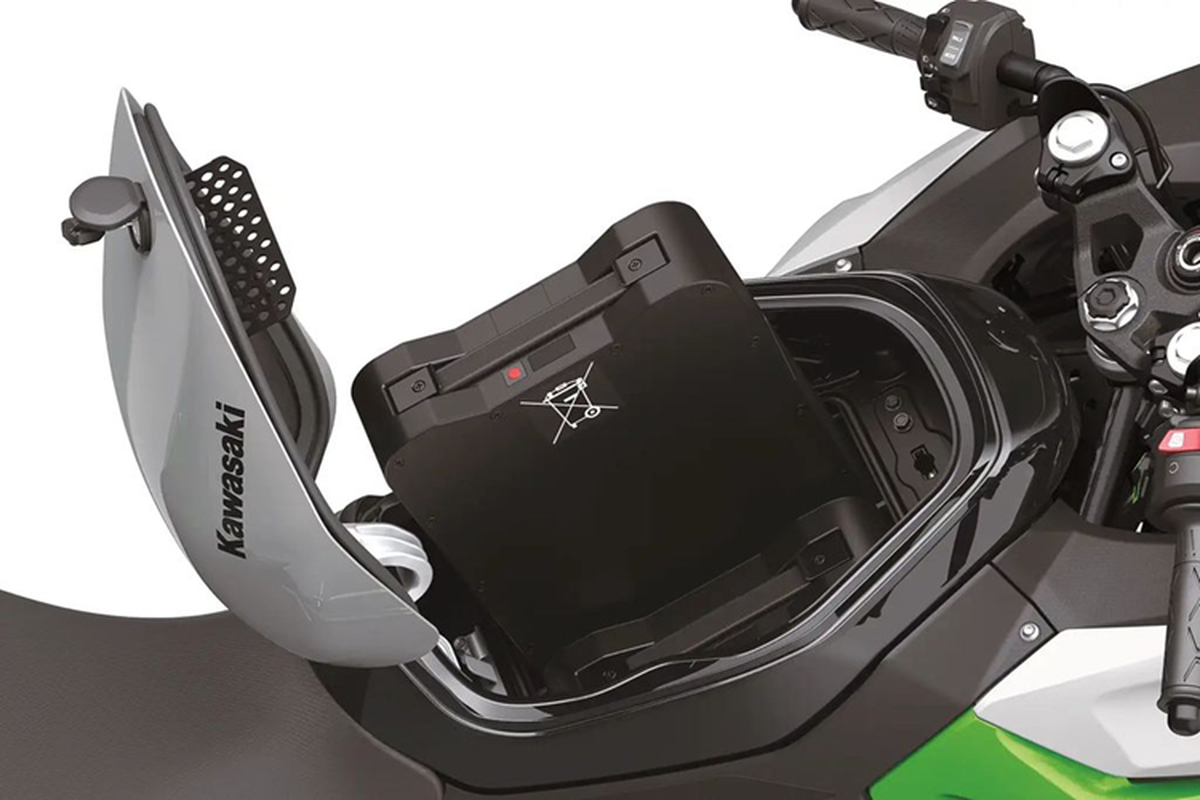
Each battery pack takes approximately 3.7 hours to fully charge, with charging from 20% to 85% taking only 1.6 hours. The vehicle is also equipped with a regenerative braking system to recharge the battery during braking.
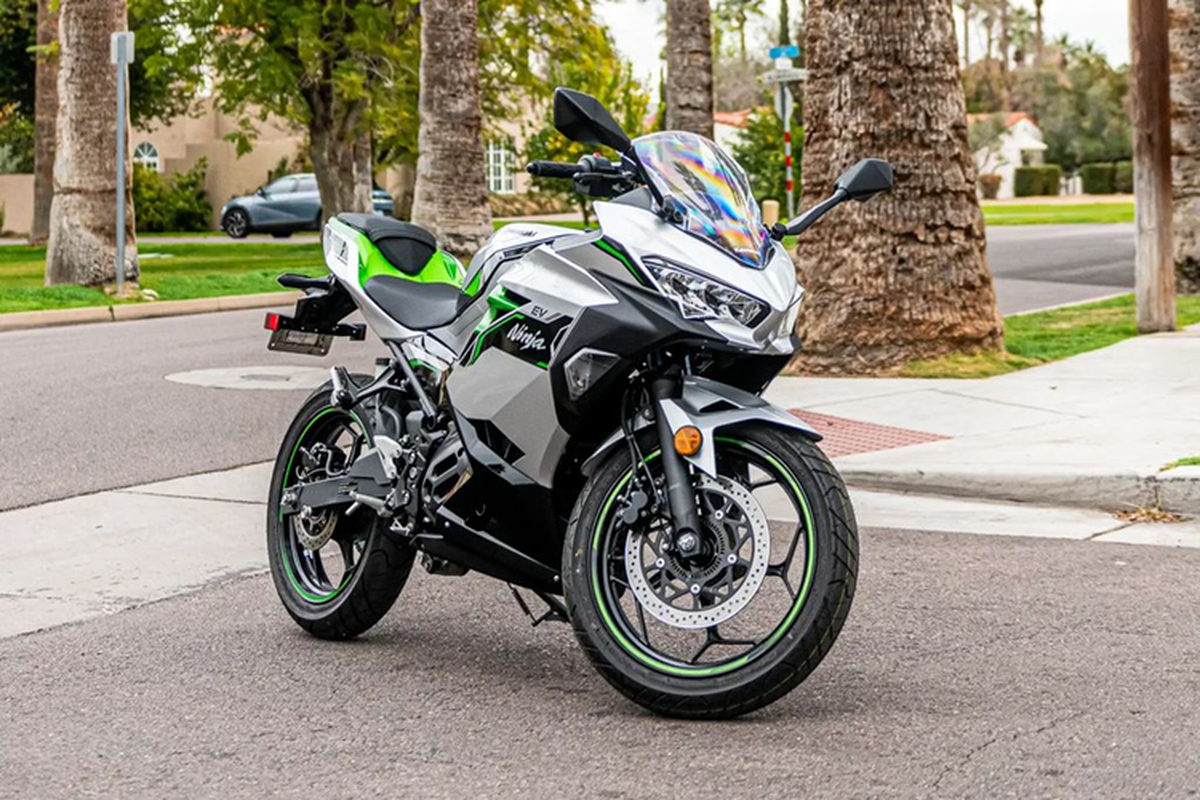
The Kawasaki Ninja e-1 can achieve a maximum range of 66 km in Road mode without using the E-Boost feature. The bike has two riding modes, Eco and Road, along with a boost button that temporarily increases power and top speed. Although the average speed is recorded at 56 km/h, this figure may vary depending on actual operating conditions.

One technological highlight on the Kawasaki Ninja e-1 is its 4.3-inch TFT screen with integrated Bluetooth, allowing users to easily connect their phones to adjust settings and monitor vehicle performance. This enables riders to track the vehicle's status more conveniently and intuitively.
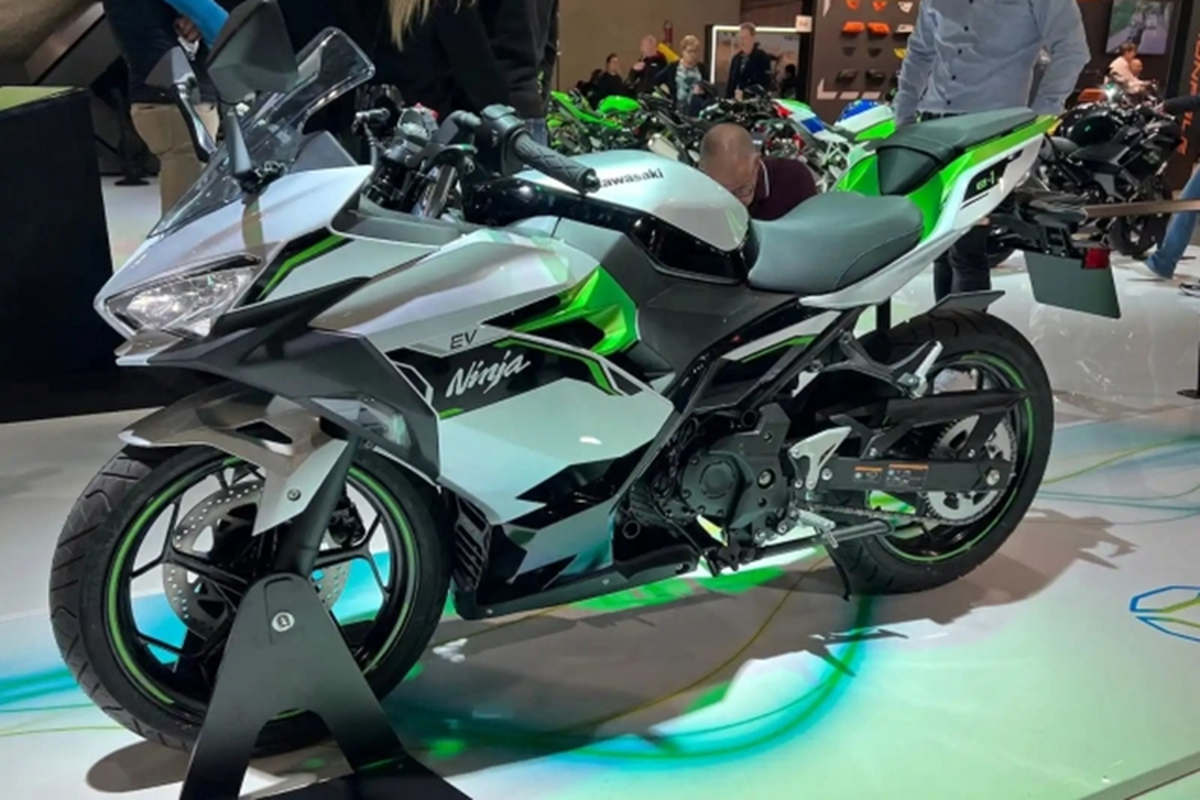
In terms of safety features, the Ninja e-1 is equipped with single disc brakes on both wheels and a two-channel ABS braking system, enhancing safety during operation. The 17-inch cast wheels also contribute significantly to the bike's stability and durability.
Source: https://www.congluan.vn/kawasaki-ninja-e-1-ra-mat-co-gi-dac-biet-post299499.html
































































































Comment (0)