

The journey of discovery remains unfinished.
The former Quang Nam province has a vast area and diverse topography stretching from the upstream to the sea, thus it is blessed with abundant ecological tourism resources and many unique characteristics. Although it has a developed tourism industry, the former Quang Nam relied heavily on its strengths in cultural tourism.
Some large ecological areas associated with unique tourism resources have only been exploited to a limited extent or have almost not been fully exploited. Only the Bay Mau coconut forest area (Hoi An Dong ward) has made a mark in ecotourism activities, welcoming nearly 1 million visitors each year.
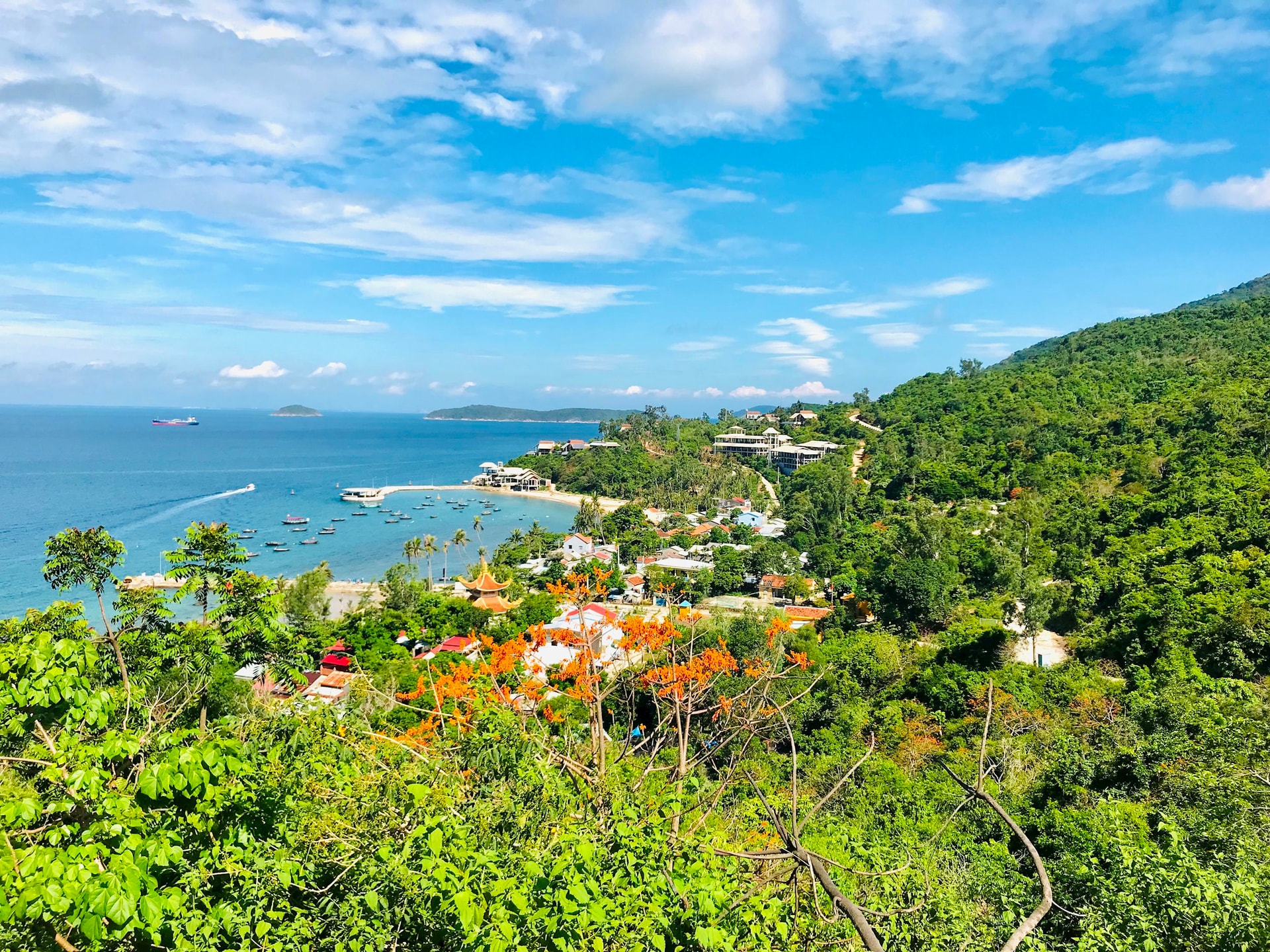
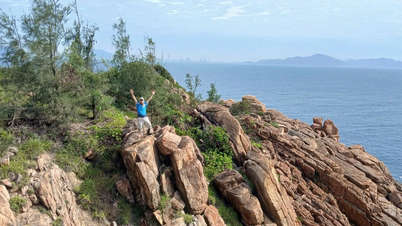
Destinations such as Cu Lao Cham, Phu Ninh Lake, Song Thanh National Park, Bai Say - Song Dam, etc., have been planned for ecotourism development by the authorities of the former Quang Nam province in recent years with high expectations, but all have remained unfulfilled. Among these, Cu Lao Cham is the destination that receives the most stable number of visitors, but the ecotourism experience and impact for tourists is quite weak.
At Phu Ninh Lake, after nearly 20 years of calls for tourism promotion, only one enterprise has invested in and opened a tourist area, but its operations are quite sluggish. As for Song Thanh National Park or Bai Say - Song Dam, all plans for promoting ecotourism development at these destinations remain mostly on paper.
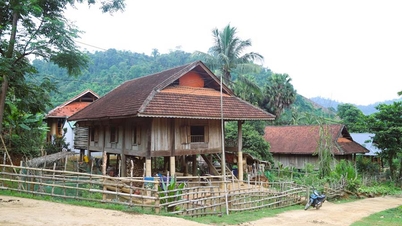
Scattered throughout Quang Nam province, there are still quite a few ecotourism destinations and community-based ecotourism villages (except for those in Hoi An) that are operating at a limited capacity. The lack of basic infrastructure, especially transportation infrastructure, is a major obstacle, resulting in most of these destinations, particularly in mountainous areas, attracting few tourists and making it very difficult to attract investment.
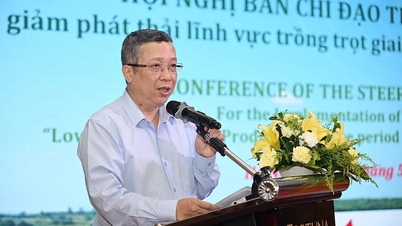
According to Dr. Nguyen Xuan Hai (Vietnam Academy of Agriculture ), the tourism industry in Quang Nam (formerly) lacked facilities to support specialized ecotourism activities such as nature research centers, infrastructure for education and awareness-raising on conservation, and trekking and camping service points. Furthermore, the homestay system in ecological areas was limited in both quality and quantity, failing to meet the needs of international tourists and those interested in sustainable tourism.
Emphasis should be placed on development combined with conservation.
Generally speaking, the ecotourism resources of the former Da Nang city are not very abundant, but the tourism industry has exploited this type of tourism quite well in areas such as Son Tra Peninsula, Ba Na Hills Tourist Area, and some tourist areas along National Highway 14G…
According to Associate Professor Pham Trung Luong, Vice President of the Vietnam Tourism Training Association, the merger of Quang Nam and Da Nang is a great opportunity to expand the tourism space of the new city.
This will make the culture and tourism of Quang Nam more complete and rich in identity, contributing to making the new Da Nang a national tourism center of regional and international stature. The new Da Nang needs to reorganize and redefine its functional zones with core value axes. Among these, the natural heritage axis includes the Son Tra Nature Reserve - Cu Lao Cham Marine Reserve - the Pơ Mu heritage forest - and the elephant and saola conservation areas.
According to many tourism businesses, if approached and exploited systematically, ecotourism is a field that brings high added value and offers products suitable for the high-end market.
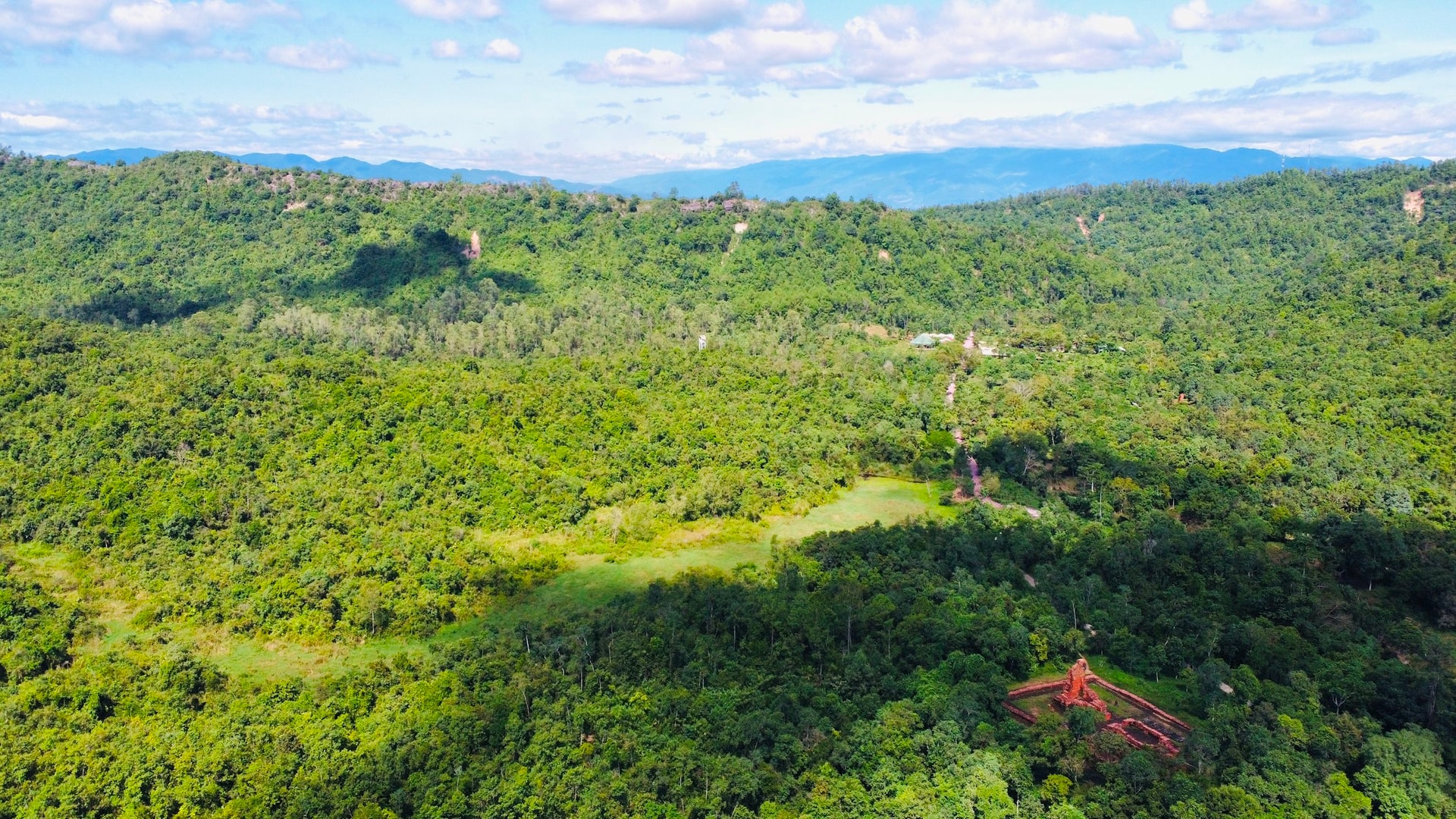
Mr. Bui Van Tuan, Director of HiVooc Co., Ltd., said: “Some biodiversity conservation-related tourism tours linking Da Nang and Quang Nam are very promising, such as Son Tra - My Son; Son Tra - Tam My Tay… These tours have unique characteristics and attract international tourists who are willing to spend a lot to explore endemic animal and plant species.”
Meanwhile, according to Mr. Le Ngoc Thao, an official of the Cu Lao Cham Marine Reserve Management Board, ecotourism is the most suitable type of tourism to meet the goal of developing livelihoods associated with conservation, especially in the case of Cu Lao Cham.
The model of cooperation involving four stakeholders—the state, scientists, businesses, and local people—in developing ecotourism in its true nature is a direction that should be applied in tourism development in Cu Lao Cham. This will mitigate shortcomings in resource conservation management, develop ecotourism in conjunction with biodiversity conservation, and promote the value of indigenous knowledge.
In addition, it is also necessary to quantify the economic value and determine the carrying capacity of ecosystems as a basis for developing ecotourism within the biosphere reserve for the sustainable development of the destination.
Dr. Nguyen Xuan Hai recommends that successful conservation areas around the world are often closely linked to the participation of local communities, not only in tourism development but also in conservation efforts.
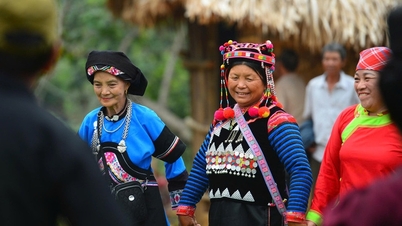
Therefore, the local tourism industry needs to encourage indigenous people to participate in ecotourism activities, both to enhance awareness of nature conservation and to create sustainable income. In addition, a strategy should be developed to link tourism with neighboring regions and destinations nationwide, creating an inter-regional ecotourism value chain to enhance attractiveness and provide diverse experiences for tourists.
Source: https://baodanang.vn/kho-bau-du-lich-sinh-thai-cho-khai-mo-3265151.html










































































Comment (0)