

The guidelines state that the implementation should not alter or overload the general education curriculum. The content and activities of AI education must be designed to suit the age group, needs, and technological accessibility of students at each grade level. Through these implementation guidelines, educational institutions should proactively choose or combine various implementation methods (integration into subjects, thematic workshops, project-based learning, clubs, etc.), ensuring suitability to practical conditions; conducting pilot programs while evaluating and learning from experience, avoiding haste and formality. Simultaneously, they should effectively utilize existing facilities, equipment, and resources; avoid scattered, wasteful, and inefficient investments; and develop appropriate solutions to ensure that all students, especially those in economically and socially disadvantaged areas, have access to AI education.
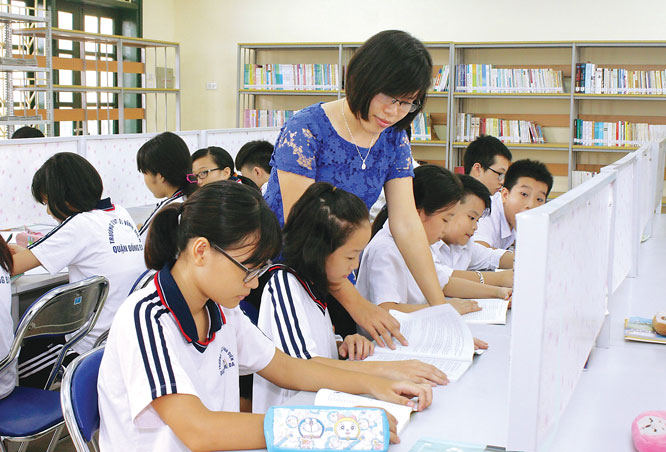
Based on the AI Education Pilot Content Framework, practical conditions regarding the teaching staff, facilities, and student needs and abilities, educational institutions proactively choose one or a combination of three organizational forms: integrating AI into subjects and educational activities within the General Education Program; implementing it through selected learning topics or independent themes; and organizing enhanced teaching, clubs, and extracurricular activities. Among these, integration into subjects and educational activities within the General Education Program is considered the priority form to ensure universality, avoid overloading the curriculum, and guarantee honesty and scientific standards in the process of exploiting and using AI.
For Computer Science, in addition to the content already included in the curriculum, some AI education topics and themes will be integrated and enhanced to ensure suitability and effectiveness in implementation. For other subjects and educational activities under the General Education Program, the Ministry of Education and Training will guide the use of AI as a supporting tool to innovate teaching methods and forms, and improve the effectiveness and quality of education.
The Ministry of Education and Training requests that provincial Departments of Education and Training strengthen communication efforts and raise awareness among administrators, teachers, parents, and students about the role and significance of implementing AI education content in shaping and developing students' qualities and competencies according to the General Education Program. Simultaneously, they should direct educational institutions to organize conferences, workshops, and training sessions to prepare for implementation; provide teacher training based on the Ministry's guidelines; and encourage effective training methods such as professional development activities within school clusters and thematic workshops. Furthermore, they should advise the Provincial People's Committee to submit to the Provincial People's Council for promulgation mechanisms and policies regarding resources, funding, and necessary facilities and equipment to ensure the implementation of AI education content for general education students in educational institutions within their jurisdiction.
The Ministry of Education and Training also requires teacher training institutions to proactively research, update, and integrate AI education content into teacher training programs; and to coordinate with provincial Departments of Education and Training to organize training courses for teachers in localities according to needs and actual timelines, based on the general training materials of the Ministry of Education and Training.
Source: https://cand.com.vn/giao-duc/khong-gay-qua-tai-chuong-trinh-uu-tien-long-ghep-noi-dung-giao-duc-ai-trong-cac-mon-hoc-i791581/


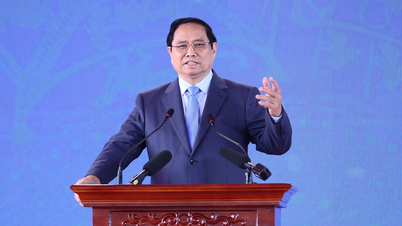
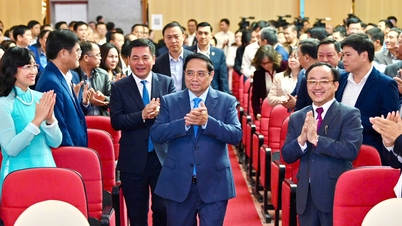
![[Photo] Prime Minister Pham Minh Chinh attends the Conference on the Implementation of Tasks for 2026 of the Industry and Trade Sector](/_next/image?url=https%3A%2F%2Fvphoto.vietnam.vn%2Fthumb%2F1200x675%2Fvietnam%2Fresource%2FIMAGE%2F2025%2F12%2F19%2F1766159500458_ndo_br_shared31-jpg.webp&w=3840&q=75)























































































Comment (0)