


Russian President Vladimir Putin shakes hands with former German Chancellor Gerhard Schröder during a previous meeting.
Photo: Reuters
The proposal would certainly not be accepted by the EU because Schröder has always been seen as someone with close personal ties to and a strong supporter of Putin in Russia's relations with the EU and NATO. Therefore, the EU would not allow "a man from the other side" to be part of its negotiating delegation. Furthermore, the EU views Putin's proposal as a direct interference in internal affairs.
Although impractical, Putin's move still brings considerable value to Moscow. First, it demonstrates Russia's position relative to the EU and the US. For the EU, Putin's message is that the EU is currently not considered a negotiating partner on the Ukraine conflict and cannot play the role of a diplomatic mediator in this issue. Furthermore, such a proposal exacerbates internal disagreements within the EU and NATO regarding the war in Ukraine, Ukraine itself, and Putin. Within the EU and NATO, there are members who disagree with the policy of confronting Russia at all costs, preferring to maintain relations and direct negotiations with Russia, believing that only this can quickly end the war in Ukraine and reduce dependence on the US for security guarantees, both now and in the post-war period.
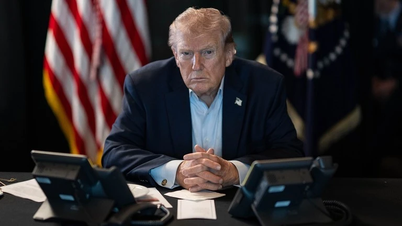
For President Trump, Putin's implication could only be that the U.S. was also losing its practical capacity and its chance of playing a decisive role in ending the war. This would also be detrimental to Trump's upcoming visit to China.
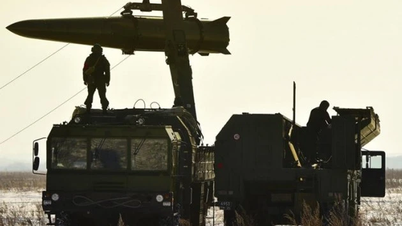
Putin said Russia will deploy the Sarmat missile, ' the world's most powerful,' this year.
Source: https://thanhnien.vn/khong-kha-thi-van-kha-dung-185260512210212163.htm
![[Photo] General Secretary and President To Lam presides over a working session with the Central Policy and Strategy Committee on the development of the materials industry.](https://vphoto.vietnam.vn/thumb/1200x675/vietnam/resource/IMAGE/2026/05/21/1779359935432_a3-bnd-3129-1412-jpg.webp)
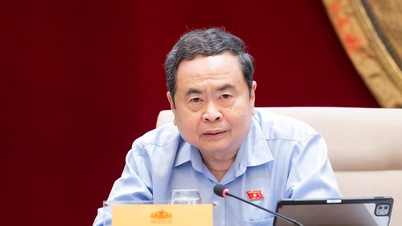
![[Photo] National Assembly Chairman Tran Thanh Man working with the Standing Committee of the Law and Justice Committee](https://vphoto.vietnam.vn/thumb/1200x675/vietnam/resource/IMAGE/2026/05/21/1779378929214_ndo_br_1-4610-jpg.webp)













































Comment (0)