

 |
Israeli Prime Minister Benjamin Netanyahu and US President Donald Trump. Photo: Reuters . |
A U.S. official revealed to CNN that President Donald Trump and Israeli Prime Minister Benjamin Netanyahu had a tense phone call on May 19, reflecting the two leaders' differing views on the future of the war with Iran.
This wasn't the first conversation between the two leaders. In a phone call on May 17, Trump spoke about the possibility of resuming the offensive against Iran earlier this week. The operation was even given a new name, Operation Sledgehammer.
However, about 24 hours later, Trump announced he would temporarily halt the plan at the request of his Gulf allies. Since then, the Gulf region has been in close contact with the White House and Pakistan to build a framework to advance diplomatic negotiations.
However, the new process has disappointed the Israeli prime minister. Netanyahu has long advocated a tough approach to Iran, arguing that delays only benefit Iran.
On May 19, Netanyahu expressed his disappointment, asserting that the decision to delay the attack was a mistake and that the US should proceed with its plan. During the hour-long conversation, he urged a resumption of military action. A source indicated that the US and Israel have differing perspectives; Trump wants to wait for an agreement, while Netanyahu expects something different.
Israel is in a very precarious situation.
Analysts believe that for Netanyahu, the April 8 ceasefire agreement inflicted significant political damage and stirred up public opinion that had become accustomed to viewing Iran as an existential threat.
Opposition leader Yair Lapid and former Prime Minister Naftali Bennett used the ceasefire agreement as a political tool to attack Netanyahu. Lapid described the agreement as one of the “greatest political disasters in our history.” This view appears to reflect the sentiment of a large part of the Israeli public.
A poll conducted by the Israel Democracy Institute in early May showed that a majority of Israelis believe ending the hostilities too soon is contrary to security interests, while a similar percentage believe the conflict is likely to resume.
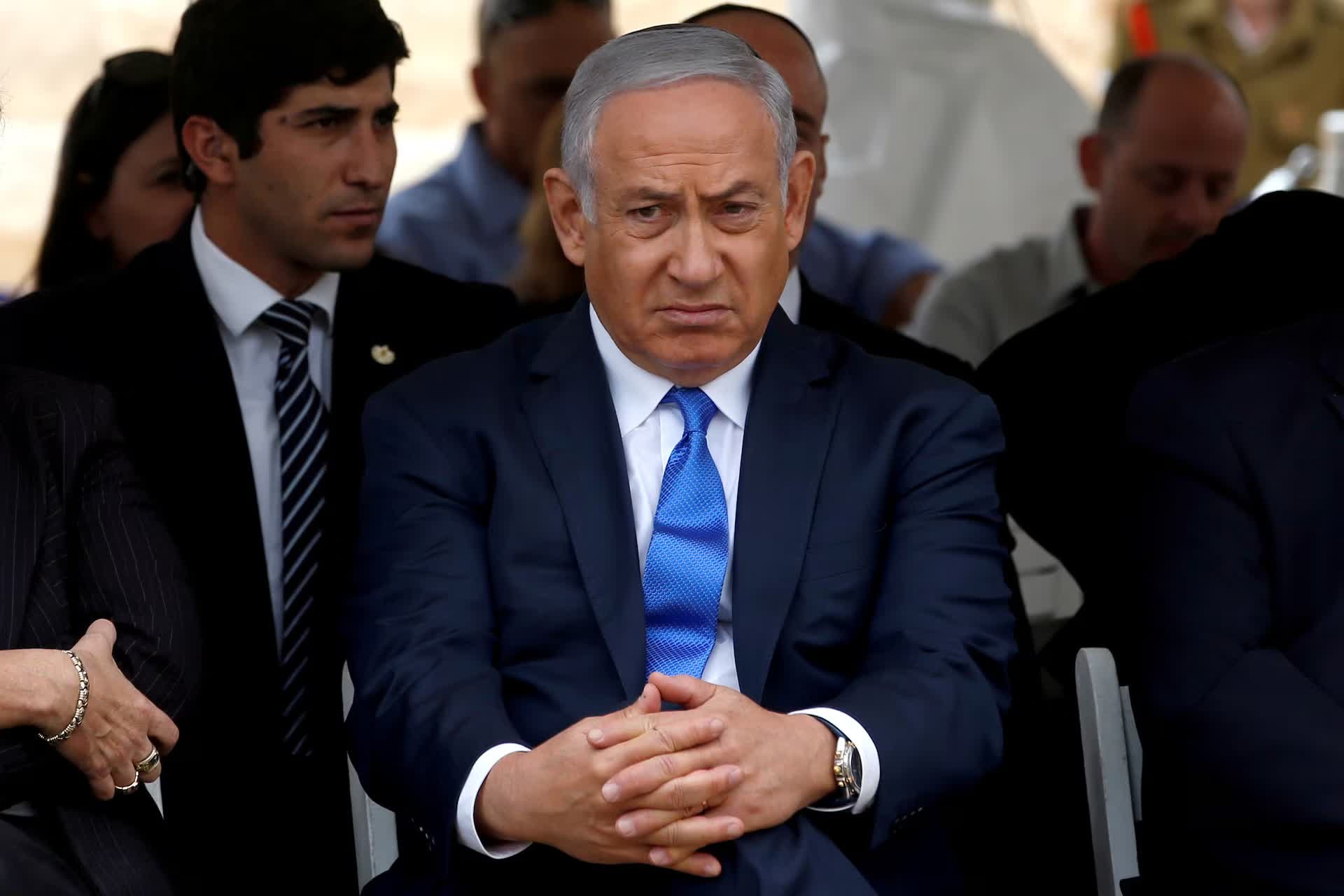 |
Sources reveal that the Israeli prime minister is frustrated by the US decision to temporarily halt the resumption of military operations. Photo: Reuters . |
Haggai Ram of Ben-Gurion University told the public and politicians, who are accustomed to viewing Iran as their number one enemy, that it is unclear what kind of solution they want to use to deal with Tehran.
"Both politicians and the public have been indoctrinated with the idea that Iran is an implacable enemy," shares the author of Iranophobia , a book documenting Israel's obsession with Iran.
Mr. Ram said that most Israelis viewed war as inevitable, as evidenced by their quick descent into bunkers when Iranian missiles struck. Those he spoke with at the time seemed unafraid of the experience.
"According to them, sacrificing daily life to prevent Iran from completing its nuclear program is perfectly normal," Ram said. Therefore, the only question on Israelis' minds is how Netanyahu can get Iran to surrender.
 |
Iran and the US are exchanging messages through Pakistan as an intermediary. Photo: Reuters . |
Politically, Alon Pinkas, former Israeli ambassador to the US, speculates there are three reasons why Netanyahu is not yet ready to end the war.
“First, he needs a major strategic victory, something he hasn’t achieved in the Gaza Strip or Lebanon. Second, the war isn’t over. From civilians to politicians, everyone agrees that Israel hasn’t gained anything from the recent war. Third, looking at opinion polls, he needs to win against Iran for the elections later this year,” Pinkas said.
Weeks after the April 8 ceasefire agreement, Israeli Defense Minister Katz boasted that once the US gave the green light, Israel would be ready to bomb Iran, sending it "back to the Stone Age." This underscores Israel's eagerness to restart the conflict.
However, regardless of how much support the Israeli public and political establishment have for the war, Netanyahu still has limits.
"This war will end when the U.S. declares a halt," said Daniel Levy, a former Israeli government adviser.
America places a star of hope.
According to sources, Netanyahu's frustration with the American approach is not entirely new. US officials have previously acknowledged that Washington and Tel Aviv have different objectives in this conflict.
Despite pressure from Israel, Trump continues to push for a diplomatic solution. He declared that the situation with Iran is "right on the brink" but that it's worth a few more days for dialogue.
An Iranian Foreign Ministry spokesman said Tehran and Washington continue to exchange messages through Pakistan. “Based on Iran’s initial 14-point document, the two sides have exchanged views numerous times. We have received the US position and are reviewing it,” said Esmaeil Baqaei.
Pakistan has played a central role in seeking a diplomatic solution to the conflict. However, it remains unclear whether the two sides have narrowed any significant differences. Iran still maintains core demands, particularly regarding its nuclear program and the number of frozen assets, which remain unresolved.
Meanwhile, Trump has repeatedly asserted that military action remains a viable option. "If we don't find the right answer, things will move very quickly. We're ready," he said.
Source: https://znews.vn/my-va-israel-bat-dong-post1653164.html






































































































Comment (0)