

At the age of 27, Mua A Manh, from Na Hang Tua Chu village, owns more than 4 hectares of fruit trees, including Taiwanese pears and VH6 pears. Each year, this model brings in hundreds of millions of dong in income, a considerable sum for a young man in a mountainous region where production conditions are still difficult and lacking.
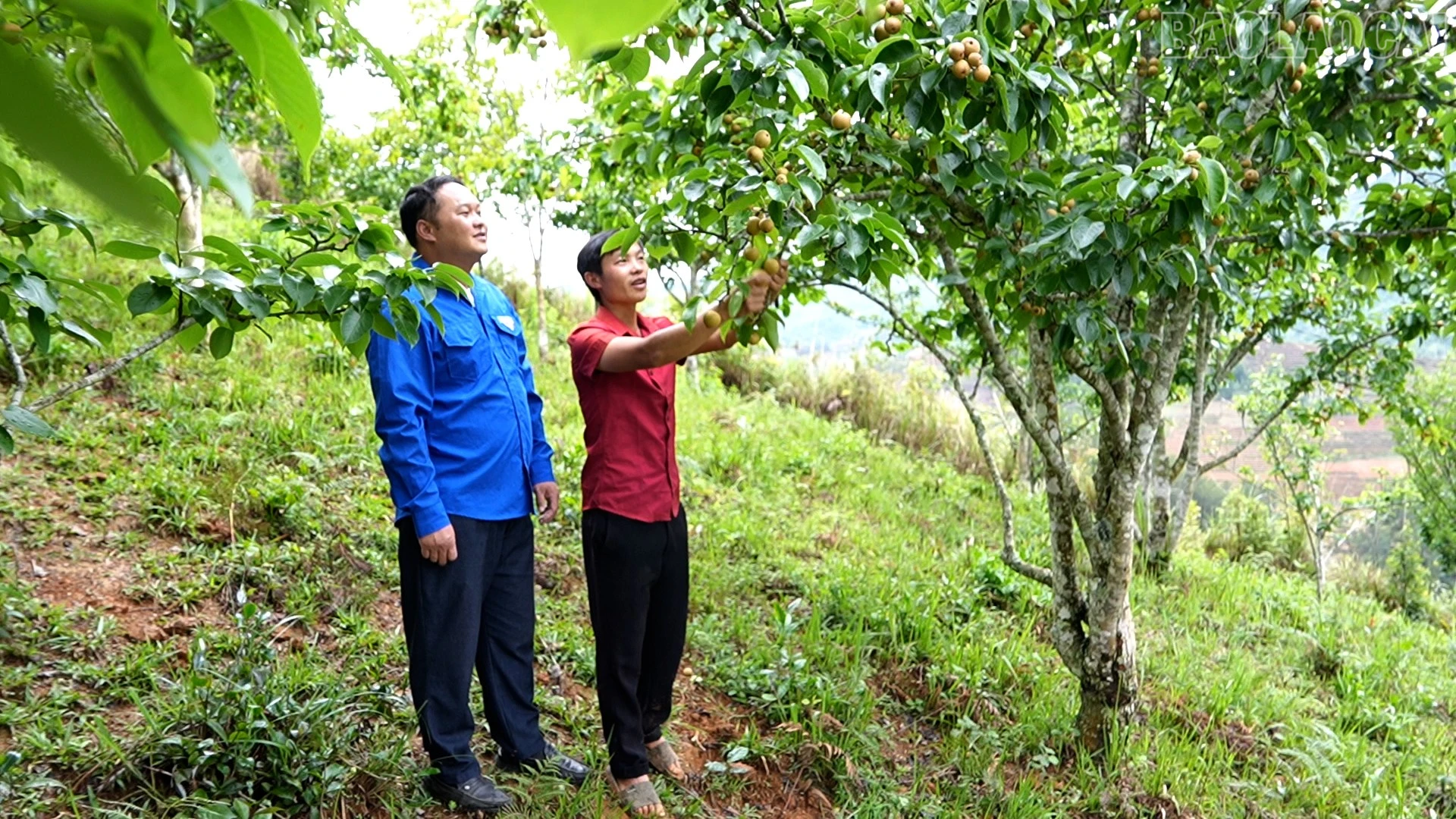
Born into a farming family, Mạnh's childhood was spent surrounded by cornfields, rice paddies, and hard labor in the high mountains.
After getting married, the couple's greatest asset was just 0.6 hectares of Taiwanese pear trees given to them by their parents as initial capital. At that time, pear trees were still a new crop in the area. Although they were bearing fruit and selling at a good price, many households were hesitant to expand their planting area due to concerns about market risks and the long harvesting time.
Recalling the early days of his entrepreneurial journey, Mr. Mua A Manh shared: “The 0.6 hectares of pear trees that my parents gave me were actually leftover land from a previous provincial project. At that time, no one in the village dared to invest much because they were afraid of failure. When they saw me clearing land from corn fields to switch to growing pears, many people said I would starve, because pear trees take several years to bear fruit, while corn provides food every year. But I thought, if I continued doing things the old way, I would remain poor forever, so I decided to give it a try.”
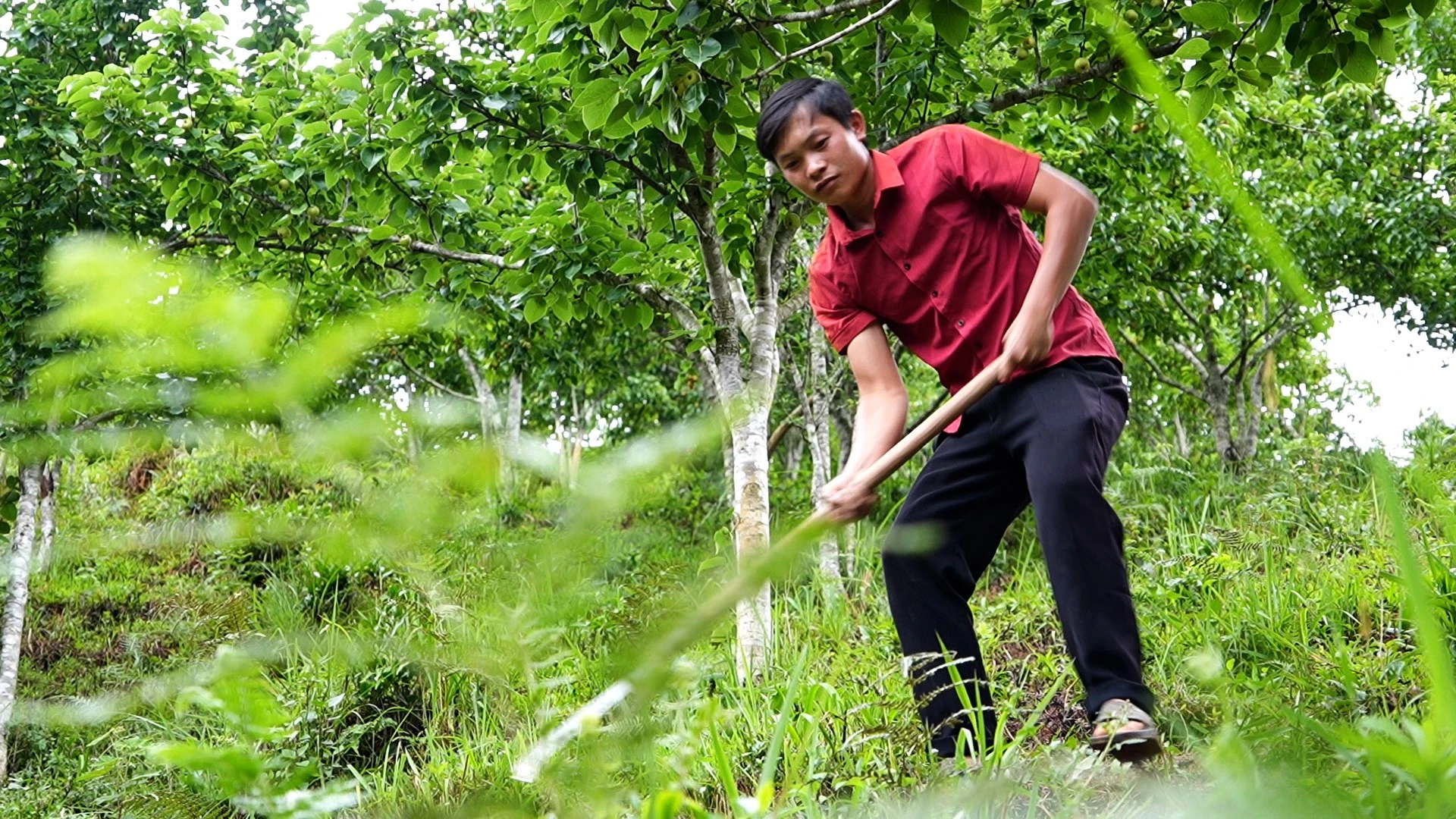
The decision to choose pear trees was a turning point that changed the production mindset of a young Hmong man in a remote, mountainous region. The first few years of the transition were incredibly difficult. Lacking technical knowledge, capital, and experience in fruit tree care, Mạnh learned as he went. He reinvested all the money earned from his initial pear orchard into buying seedlings and expanding the planting area in any available space around his house.
When the area reached nearly 2 hectares, the technical challenges began to become the biggest obstacle.
"At first, I also experienced many failures. Some plants were affected by pests and diseases, some died because the soil wasn't suitable or the care wasn't done correctly, but I didn't give up," Mạnh recounted.
To gain knowledge, the young man proactively learned from various sources. In addition to attending training courses organized by the local authorities, he also researched techniques on the internet, sought direct guidance from agricultural extension officers, and spent a lot of time observing the growth process of the plants.
From soil preparation and organic fertilization to pruning, shaping, and pest control techniques, he memorized, experimented with, and refined his experience through each growing season.
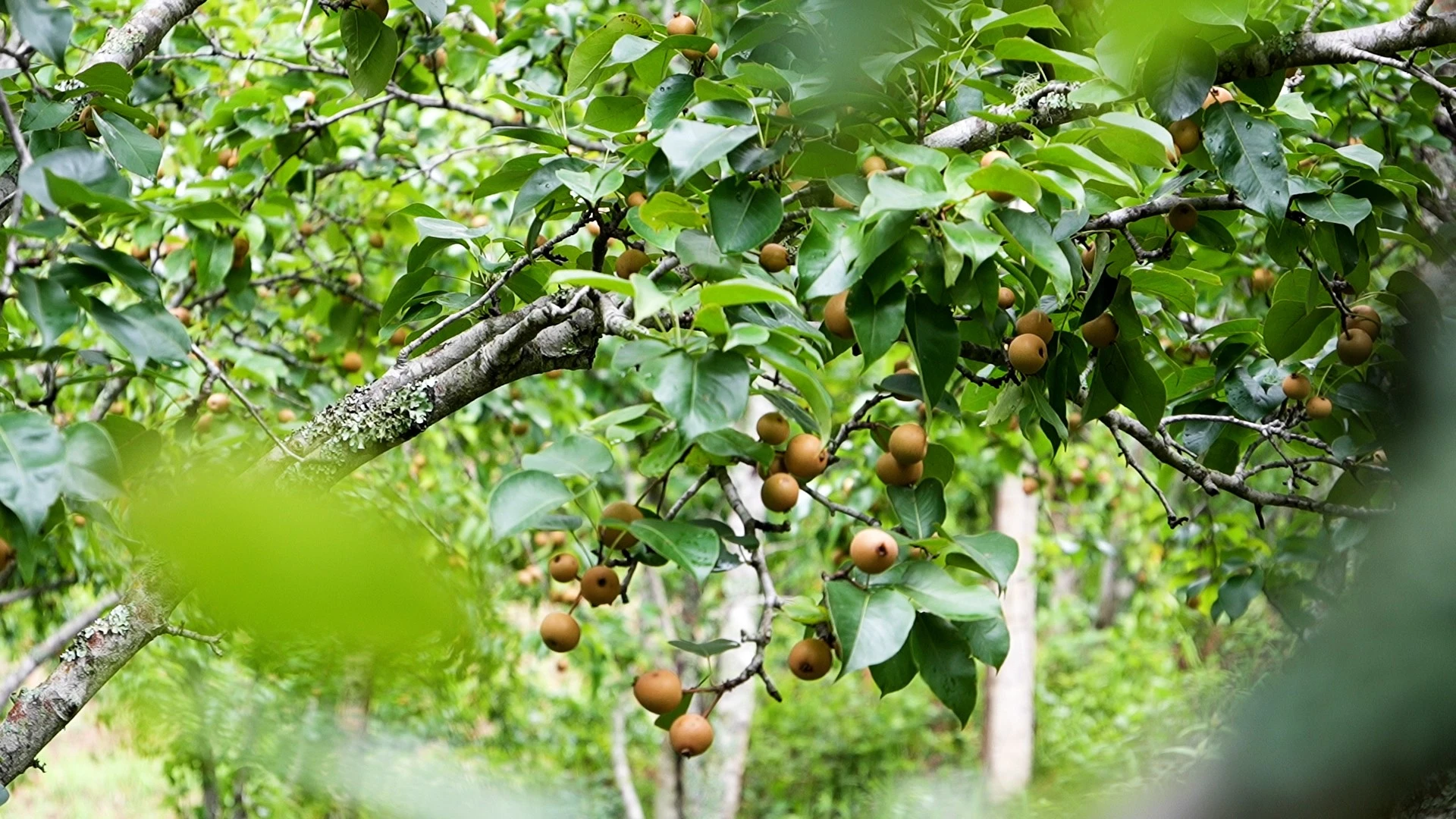
According to Mr. Manh, pear trees are quite "fussy," requiring meticulous care. The soil must be loose, nutrient-rich, and well-drained. The trees need to be planted at the correct density and regularly pruned to ensure flowering and fruiting. In particular, the harsh weather conditions in the highlands also make cultivation quite difficult. Heavy frosts can burn young leaves, while the dry season's lack of water can easily weaken the trees if not cared for promptly.
"Thanks to the dedicated guidance from agricultural extension officers, I gradually mastered the techniques. The most important thing is to be persistent, diligent in learning, and closely monitor the plants every day," said Mr. Mạnh.
After about 5 years, the pear orchard began to yield a stable harvest. From an initial 0.6 hectares, Mr. Mua A Manh has now expanded to over 4 hectares of fruit trees with two main varieties: Taiwanese pears and VH6 pears. In 2025, his family harvested nearly 8 tons of fruit, generating revenue of over 100 million VND. The upcoming harvest is expected to yield over 10 tons, bringing in over 200 million VND.
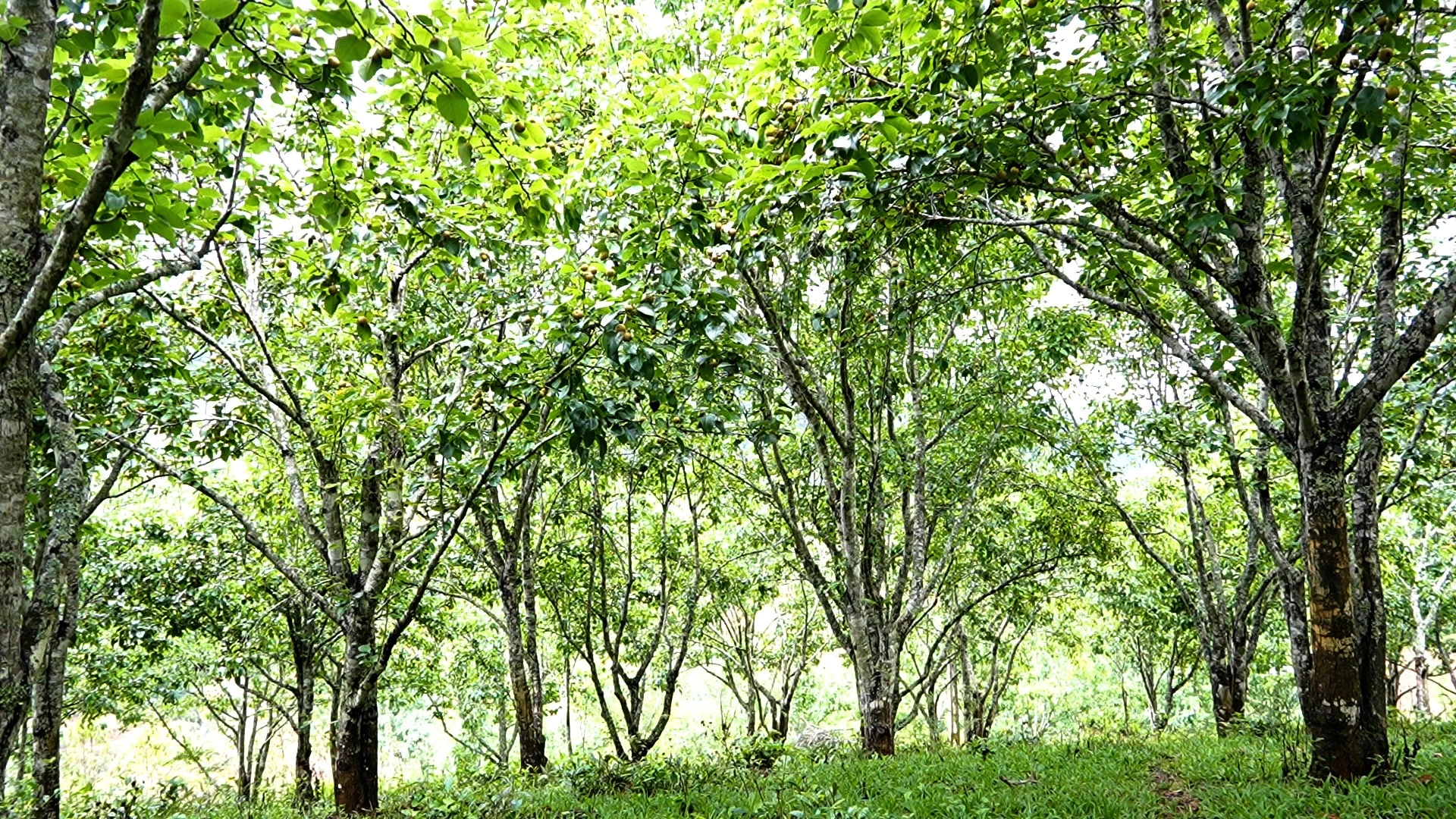
Currently, Mạnh's family's pears are popular with traders and consumers alike thanks to their large size, crisp texture, and the characteristic sweet taste of the highland climate. With prices ranging from 20,000 to 40,000 VND per kilogram, demand often exceeds supply. However, the young man's biggest concern remains finding a long-term market for his product.
"I hope the authorities will support market connections so that farmers have more stable outlets for their products, and thus feel secure in expanding production," Mr. Mạnh expressed.
Besides being a successful businessman , Mr. Mua A Manh has also become an inspiring role model for many local youth union members.
Ms. Thào Thị Cá, a young woman from Púng Luông commune, commented: “Mr. Mạnh is a young man who dares to think and dares to act. His bold decision to bring pear trees to plant has motivated many young people in the commune to learn from him and change their approach to economic development.”
Sharing the same assessment, Mr. Hang A Lu, Secretary of the Youth Union of Pung Luong commune, said that Mr. Mua A Manh's pear cultivation model is opening up an effective economic development direction for local youth.
"This model needs to be replicated to contribute to promoting economic development among union members and young people. We hope that in the future, more households will learn from it and expand their pear cultivation area," said Mr. Lu.
From once barren hills, lush pear orchards now cover many mountain slopes in Púng Luông. These plump pears not only provide income for the local people but also contribute to creating a distinctive agricultural brand for the area.
Currently, the entire commune has developed nearly 100 hectares of pear orchards with the support of the State and agricultural development programs. Pear trees are gradually becoming a new key crop, contributing to the diversification of agricultural products and improving the lives of people in the highlands.
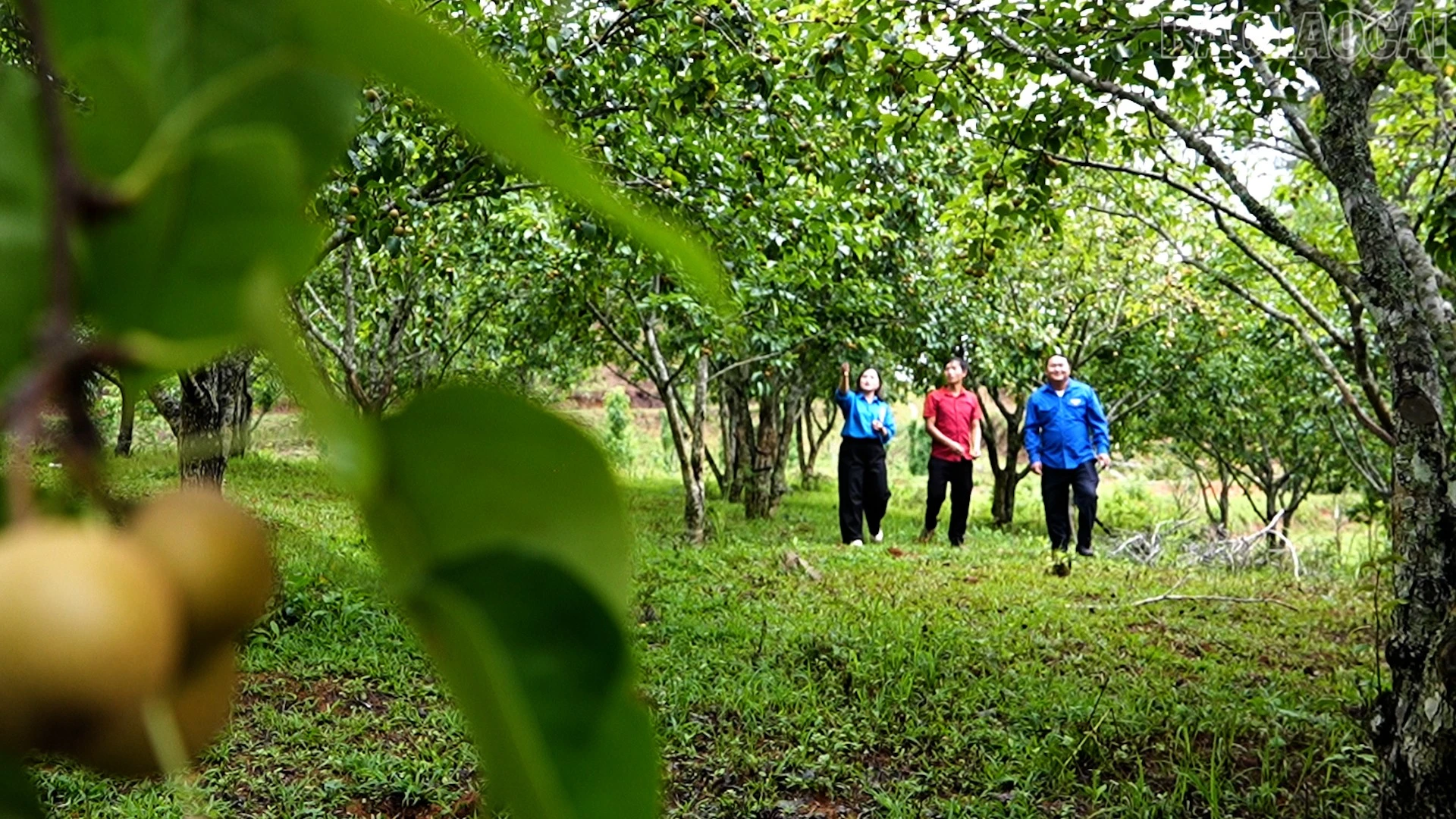
The story of Mua A Manh is not simply a journey to wealth from fruit farming, but also a testament to the spirit of daring to think, daring to change, and not being afraid of failure among young people in the mountainous region.
Amidst the Púng Luông mountains today, the sweet pear trees continue to grow, nurtured by the perseverance and resilience of the young Hmong man who was once considered "reckless." And from these pear trees, hope for a more prosperous future is being sown in this highland region still facing many hardships.
Source: https://baolaocai.vn/kien-tri-tao-thanh-cong-post899539.html



![[Photo] General Secretary and President To Lam receives Amazon's Senior Vice President David Zapolsky](https://vphoto.vietnam.vn/thumb/1200x675/vietnam/resource/IMAGE/2026/05/22/1779466547770_a1-bnd-3513-6601-jpg.webp)

























































Comment (0)