

According to an analysis by VNDIRECT Securities Company, the economic picture in the first month of the year showed many positive signs, reflecting the stability of the manufacturing sector and investment flows, although external pressures still exist.
Production recovered and exports surged thanks to fundamental factors and external demand.
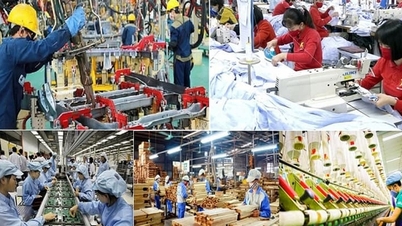
Industrial production remained relatively stable compared to the previous month. The Industrial Production Index (IIP) for January 2026 is estimated to have decreased slightly by 0.2% compared to December 2025, but increased sharply by 21.5% compared to the same period last year. This high growth is mainly due to a low base, as the Lunar New Year in 2025 fell in January, while in 2026 it will be later.
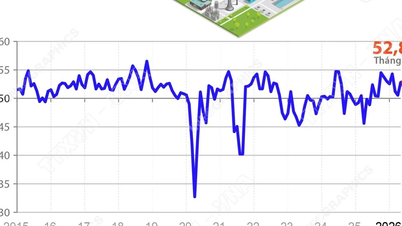
From a business survey perspective, the S&P Global Manufacturing Purchasing Managers' Index (PMI) reached 52.5 points, a slight decrease from the previous month's 53 points, but remaining above 50 points for the seventh consecutive month. This indicates continued improvement in business conditions. Production, new orders, and employment all increased, while business confidence for the next 12 months continued to improve, reaching its highest level since March 2024.
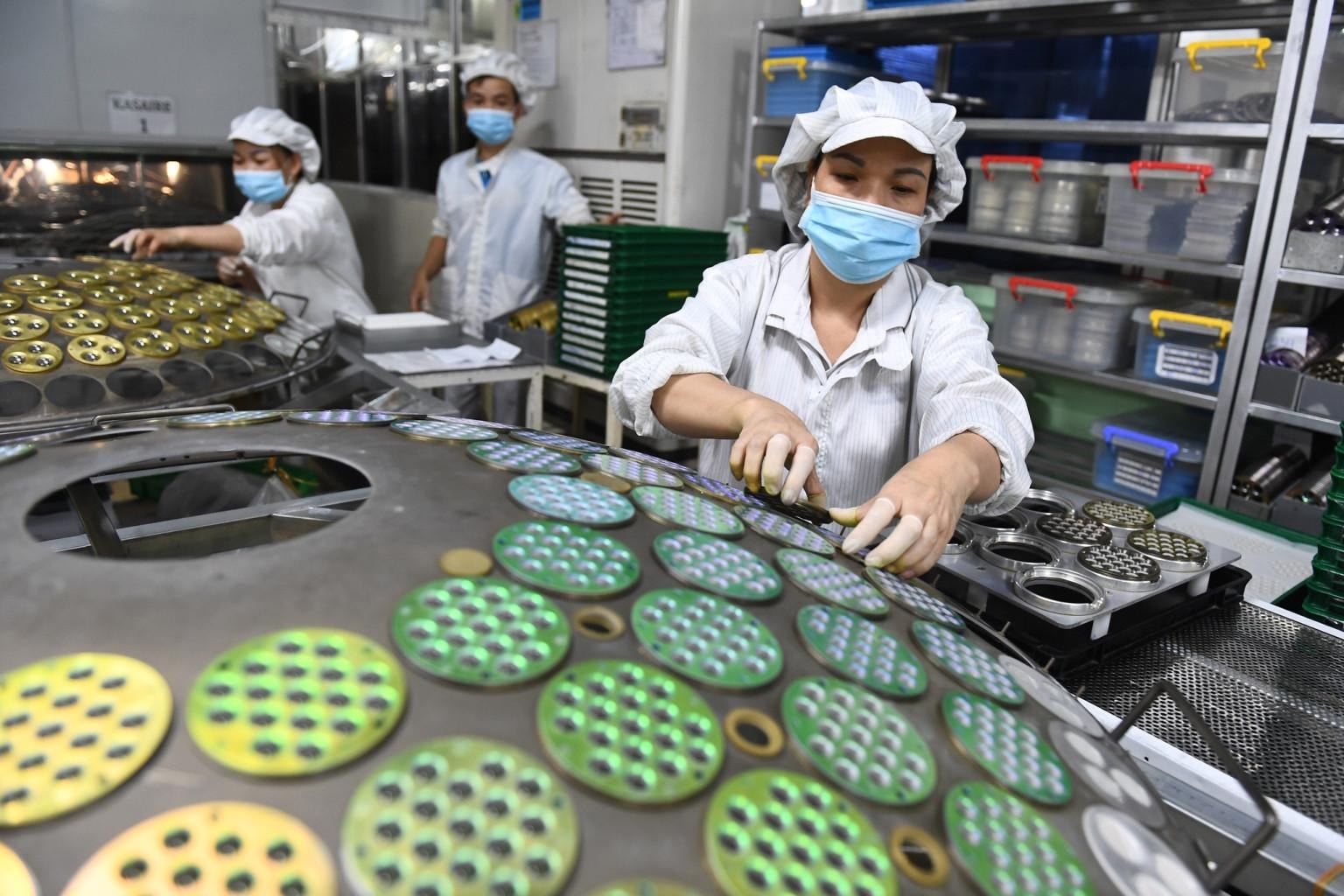
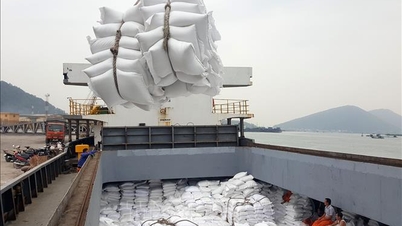
In the field of international trade, exports in January reached $43.2 billion, a slight decrease compared to the previous month due to the high base of December, but a 29.7% increase year-on-year. The FDI sector continued to play a leading role, especially in the electronics, computer, and machinery and equipment groups.
Conversely, imports reached $45 billion, a sharp increase compared to the same period last year, reflecting the increased demand for imported raw materials and production supplies in line with the recovery of production and investment. The trade balance recorded a deficit of $1.78 billion, but this was mainly cyclical and linked to the demand for inputs for production.
Consumer spending is recovering slowly, and registered FDI is decreasing due to project cycle factors.
In contrast to the relatively clear recovery in production, domestic consumption grew at a moderate pace. Total retail sales of goods and consumer service revenue in January increased by 2.6% compared to the previous month and by 9.3% compared to the same period last year. Excluding price factors, the increase reached 6.3%, equivalent to the same period last year.
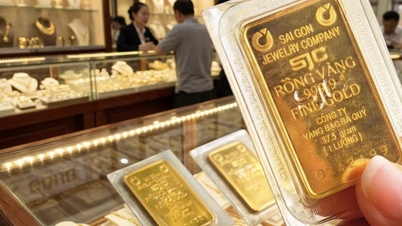
According to analysts, consumer sentiment is partly influenced by rising interest rates, volatile gold prices, and new tax policies applied to businesses.
In the foreign investment sector, realized FDI reached US$1.7 billion, an increase of 11.3% year-on-year and the highest disbursement level in January in the last five years. This shows that foreign investors' confidence in Vietnam's long-term prospects remains strong.
However, registered FDI capital reached only $2.6 billion, a sharp decrease compared to the same period last year, mainly due to a significant drop in adjusted capital increases, while newly registered capital continued its upward trend. According to analysts, registered FDI typically fluctuates according to project cycles, but it remains an indicator to monitor in the context of a global economy still fraught with uncertainties.
In the public sector, investment disbursement has been accelerated since the beginning of the year. Investment disbursed from the state budget in January increased by 19.3% compared to the same period last year, higher than the increase in the same period of the previous year. However, the figures for the first month of the year are also affected by the difference in timing during the Lunar New Year holiday, therefore further monitoring is needed in the coming months.
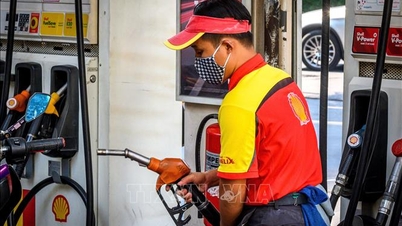
In terms of price stability, inflation continues to be under control. The CPI in January increased by 2.53% year-on-year, while core inflation rose by 3.19%. The food and beverage group was a major contributing factor, particularly due to the increase in pork prices before Tet (Lunar New Year). In the coming period, developments in input costs and raw material prices still need to be monitored to assess inflationary pressures.
Source: https://daibieunhandan.vn/kinh-te-dau-nam-duy-tri-da-phuc-hoi-10406829.html























![[Photo] Reception to welcome General Secretary and President To Lam and his wife on their State visit to the Philippines](https://vphoto.vietnam.vn/thumb/1200x675/vietnam/resource/IMAGE/2026/06/01/1780295488620_vna-potal-chieu-dai-chao-mung-tong-bi-thu-chu-tich-nuoc-to-lam-va-phu-nhan-tham-cap-nha-nuoc-toi-philippines-8798060-7855-jpg.webp)

























































Comment (0)