According to Devdiscourse , after years of speculation, the stage for Apple's long-awaited developer conference – WWDC 2023 – is ready for the unveiling of Apple's latest device. The company may also use the event to introduce its latest Mac model, iOS 17, and discuss its strategy for artificial intelligence (AI).
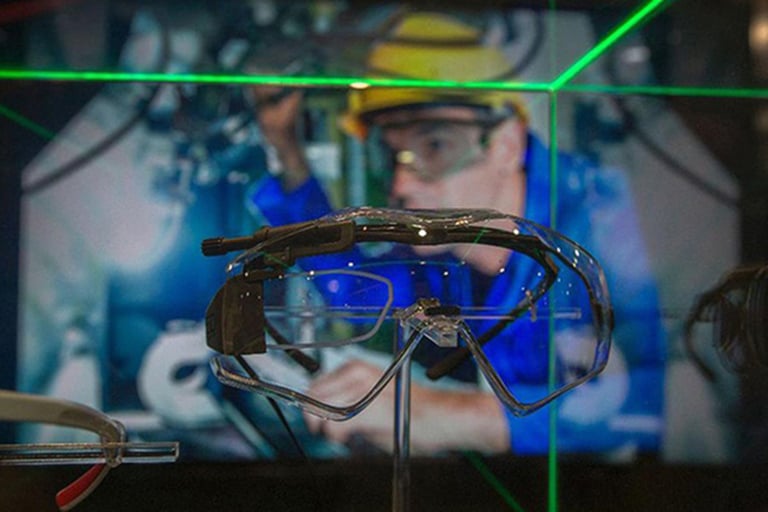
Apple Glass appeared when mixed reality had not yet received significant consumer attention.
The biggest star of the show is the mixed reality headset, rumored to be called Reality Pro. It could become another game-changing milestone for Apple, although the company isn't always the first to introduce such a product to the market. But with a hefty price tag that could reach $3,000, Apple's headset is unlikely to be warmly received by everyone, primarily targeting wealthy tech enthusiasts.
The product is expected to have a visually appealing design and the ability to switch between virtual reality and augmented reality options, a combination known as “mixed reality.” Facebook CEO Mark Zuckerberg once described this three-dimensional reality as the “metaverse”—a bold concept he attempted to bring into the mainstream by renaming Facebook to MetaPlatforms in 2021 and pouring billions of dollars into improving virtual technology, yet the company has yet to succeed.

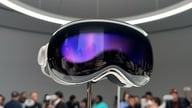
Apple executives seem to avoid mentioning the metaverse due to the rapid skepticism surrounding the term when they discuss the potential for the company's new glasses. In recent years, Apple CEO Tim Cook has repeatedly referred to augmented reality as the next leap in technology, although he hasn't set a specific timeline for when it will gain widespread adoption.
"If you look back at some point, you know, look into the future and look back, you'll wonder how you lived your life without augmented reality," Cook said last September while speaking to a student audience in Italy.
He added, “Like today, you wonder how people like me grew up without the internet. That’s why I think augmented reality could be so profound. Of course, it won’t become profound overnight.” This makes perfect sense, given that so far, the reaction to virtual, augmented, and mixed reality has been only moderate. Some devices implementing this technology have even been ridiculed, with the most notable example being the internet-connected glasses released by Google more than a decade ago.
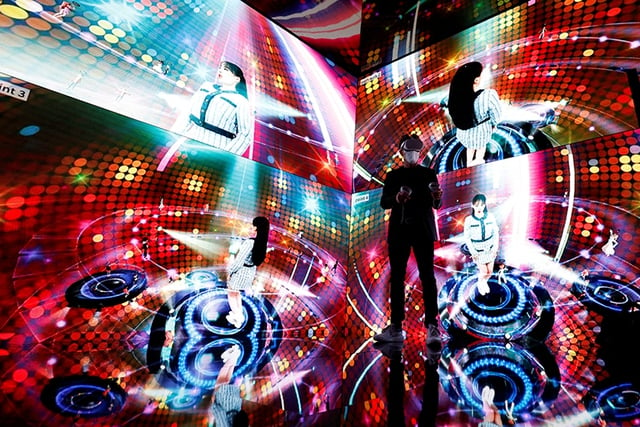
Tech giants have lost billions of dollars after the metaverse failed.
After Google co-founder Sergey Brin hinted at the incredible potential of this early device at a technology conference in San Francisco, consumers quickly turned against the product, believing it would allow for surreptitious photo and video recording. The backlash became so intense that those wearing the device became known as "Glassholes," forcing Google to recall the product a few years later.



Microsoft also achieved limited success with its HoloLens mixed reality headset, released in 2016, reaffirming its commitment to the technology earlier this year. Meanwhile, the startup Magic Leap struggled to market its first virtual reality headset to consumers in 2018, so the company shifted its focus to industrial, medical , and emergency use.
With the combined difficulties of an overly high predicted selling price, Wedbush Securities analyst Dan Ives believes Apple will only sell around 150,000 Reality Pro units in its first year on the market. That's a relatively small number compared to the company's 200 million iPhones annually. Nevertheless, experts also argue that Apple shouldn't be underestimated, especially in the consumer market, where the company's products can always be game-changers.
Source link




![[Photo] Prime Minister Le Minh Hung presides over the thematic session on promoting science and technology development and innovation.](https://vphoto.vietnam.vn/thumb/1200x675/vietnam/resource/IMAGE/2026/06/23/1782207872934_ndo_br_dsc-1724-jpg.webp)