

For many years, when discussing tourism competitiveness, people often thought of natural landscapes, famous heritage sites, transportation infrastructure, or hotel and service systems. But in the digital age, that competitive landscape is changing rapidly. A country may possess many beautiful sights, but if it fails to build a strong cultural influence and a sufficiently strong presence in the global media space, it will be very difficult for that country to become a sustainably attractive destination.
In reality, modern tourism is no longer simply about geographical movement, but is becoming a movement of emotions, imagination, and the desire for experiences. The cultural industry, in this sense, is emerging as a new "gold mine" for global tourism. From films, music , festivals, fashion, and games to digital content on online platforms, all are directly involved in building national images, leading tourism trends, and creating new consumer flows in the modern world.
There has long been much talk about "soft power." But perhaps never before has this power had such a powerful impact on the tourism industry as it does today.

Soft power reigns supreme.
Looking at the world , it's clear that countries that are currently successful in tourism also possess a strong cultural industry.
South Korea is the most prime example. In just over two decades, the country has transformed the Hallyu wave into a massive "soft power machine." K-pop, movies, TV dramas, fashion, cosmetics, entertainment programs... not only generate tens of billions of dollars in revenue but also attract a wave of international tourists to South Korea.
Many people come to Seoul not simply for tourism, but to immerse themselves in the cultural space they've seen in films, music, and digital platforms. Locations featured in the drama "Crash Landing on You" or "Following BTS" tours have become popular tourist attractions for international visitors. According to the South Korean Ministry of Culture, Sports and Tourism, over 55% of international visitors to the country say they are directly influenced by popular culture.
Japan has also effectively leveraged anime, manga, and games to promote tourism. Many locations featured in popular anime series such as "Your Name," "Demon Slayer," and "Slam Dunk" have become tourist destinations for young people worldwide. Numerous Japanese localities have even proactively collaborated with the anime industry to develop themed tourism products.
Thailand is also demonstrating a strong ability to combine film, festivals, cuisine, and tourism media. After the series "The White Lotus" filmed scenes in Thailand, searches for tourism in the country on online platforms surged. These examples illustrate a reality: modern tourism is increasingly operating according to the logic of the cultural industry.
Travel according to your emotions.
Tourism boosts from culture
- The song "I See Yellow Flowers on Green Grass" helped Phu Yen experience a tourism boom.
- “Kong: Skull Island” promotes Quang Binh, Ninh Binh, and Ha Long Bay to the world.
- Large-scale concerts create a new ecosystem of cultural consumption, tourism, and services.
In the digital age, tourists no longer just "travel to see" but increasingly "travel based on emotion." They choose destinations based on images already created in their imaginations by the media. A coffee shop can become a phenomenon after just a few viral videos on TikTok. A movie can transform an entire locality into a global destination. An outdoor concert can also attract tens of thousands of visitors, creating a ripple effect on accommodation, services, shopping, and experiences.
From this perspective, the cultural industry is essentially becoming a "national image factory" for the global tourism industry. Vietnam actually possesses vast cultural resources to participate in this competition. We have 8 UNESCO-recognized World Heritage sites; tens of thousands of historical relics; a rich system of folk festivals; 54 ethnic groups with unique indigenous cultural treasures; a diverse culinary scene; and a thriving contemporary cultural ecosystem. However, the biggest weakness currently is that many cultural values still exist in the form of "raw resources," not yet transformed into cultural industry products with global reach.
Many heritage sites remain merely "existing," lacking the ability to tell modern stories. Numerous localities possess excellent resources but lack a sufficiently robust media ecosystem to generate international influence.
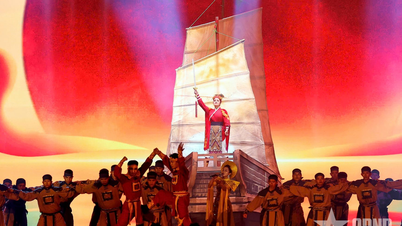
When concerts become a "specialty" of the show.
In recent years, some Vietnamese cultural products have begun to appear
How did Hallyu create its "tourism empire"?
- Over 55% of international visitors to South Korea are influenced by films, music, and digital cultural content.
- The "following in the footsteps of BTS" tour, a filming location for "Crash Landing on You," has become a popular tourist attraction.
- K-pop, movies, cosmetics, and fashion are interconnected, forming a value chain encompassing tourism, consumption, and culture.
The potential for creating social impact and promoting the national image is very strong. The film "I See Yellow Flowers on Green Grass" helped increase the number of tourists to Phu Yen dramatically. "Kong: Skull Island" brought images of Quang Binh, Ninh Binh, and Ha Long to millions of international viewers. In particular, the recent boom in music concerts is showing a very clear model of "cultural event economics."
Programs like "Brother Overcoming a Thousand Obstacles," "Brother Says Hi," and many other outdoor music festivals not only attract tens of thousands of spectators but also form a corresponding consumer ecosystem including accommodation, food, shopping, experiential tourism, and entertainment services. A concert is no longer just a musical event, but has become a comprehensive cultural and tourism product. In many countries, the "concert economy" has long been an important component of the cultural industry. Vietnam is also beginning to join this trend.
The race in digital space
While tourism previously competed primarily on resources and infrastructure, the race is now increasingly taking place in the digital media space.
According to the "Digital 2026" report, Vietnam currently has over 79 million internet users; nearly 95% of internet users watch online videos, and over 70% search for travel information through social media before deciding on a trip. This shows that modern tourism has entered the "attention economy," where visibility in the digital space almost determines the attractiveness of a destination. A short video on TikTok, a YouTube vlog, or a viral photo series on Instagram can sometimes have a much stronger promotional impact than many traditional marketing campaigns.
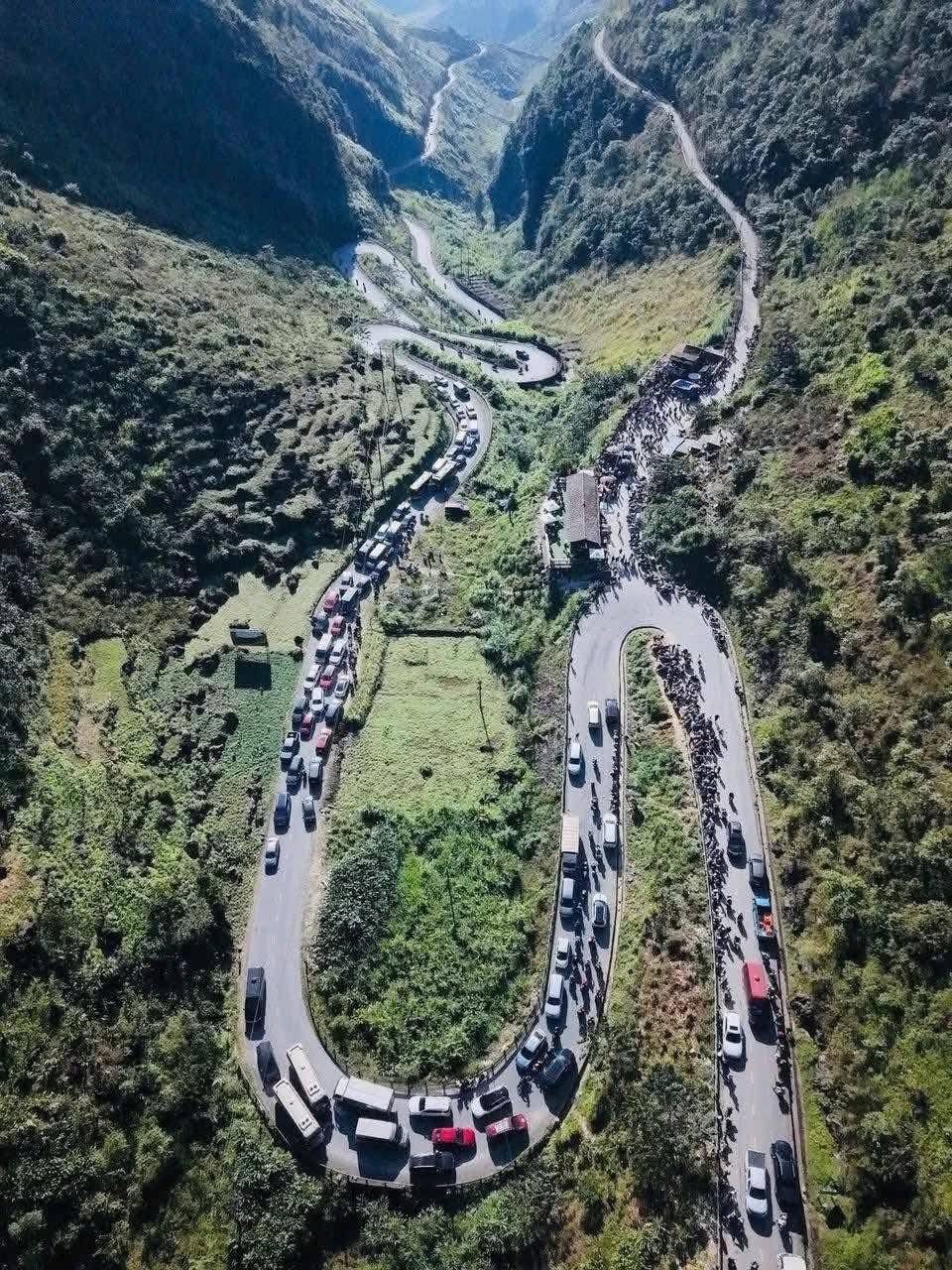
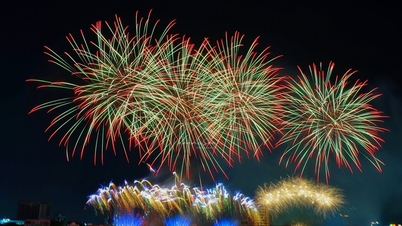
Ha Giang is a prime example. Images of Ma Pi Leng Pass, Nho Que River, and buckwheat flower fields appearing frequently on TikTok, YouTube, and online newspapers have helped this locality become a top attractive destination for young people. In the first six months of 2025 alone, Ha Giang welcomed approximately 1.7 million visitors, generating over 4,600 billion VND in tourism revenue. Da Nang also demonstrated its ability to transform an event into a "national media product" through its International Fireworks Festival. Ninh Binh has also consistently created a digital impact over the years with its "Golden Tam Coc - Trang An" tourism week.
It could be said that if airports, highways, and hotels are the hardware of tourism, then digital media is becoming the "soft infrastructure" that determines whether a destination is chosen or not. But it is here that a new paradox begins to emerge: what will happen when tourism is too heavily driven by algorithms, viral trends, and the race for views on social media?
(To be continued)
Source: https://baovanhoa.vn/van-hoa/ky-1-khi-van-hoa-tro-thanh-mo-vang-cua-du-lich-231300.html


![[Image] Hanoi's urban life under the challenge of a "scorching hot" environment](https://vphoto.vietnam.vn/thumb/1200x675/vietnam/resource/IMAGE/2026/05/25/1779706979265_nang-nong-t5-2026-minh-duy-7-4636-jpg.webp)


![[Image] Close-up view of the interchange connecting the two expressways and Long Thanh Airport.](https://vphoto.vietnam.vn/thumb/1200x675/vietnam/resource/IMAGE/2026/05/25/1779703378210_ndo_br_z7863716673926-224453a31600126cce10622af6290afd-4549-jpg.webp)









































































Comment (0)