

Part 1: Outdated Customs - Reality and Consequences
Take decisive action.
In 2025, Phong Tho district aims to eliminate three outdated customs and practices in accordance with Resolution No. 15-NQ/TU: child marriage; consanguineous marriage; and prolonged funeral ceremonies where the deceased are left unburied for extended periods.
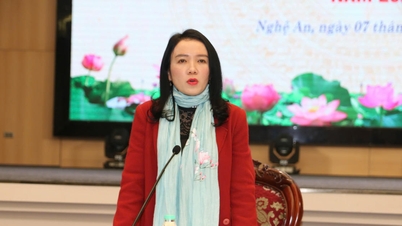
Comrade Mai Thi Hong Sim - Vice Chairman of the District People's Committee, said: To ensure the effective implementation of Resolution No. 15-NQ/TU, the District Steering Committee and the communes and towns have reviewed and identified outdated customs and traditions and incorporated them into the regulations and customs of villages, hamlets, and residential areas to gradually eliminate them according to the roadmap. Identifying propaganda and mobilization to gradually change people's perceptions is crucial and determines the success or failure of implementing Resolution No. 15-NQ/TU and completely eliminating outdated customs and traditions, because "if the mindset is not right, even carrying a water bottle feels heavy." Therefore, from the district to the grassroots level, diverse forms of propaganda have been used to explain the purpose and significance of Resolution No. 15-NQ/TU.
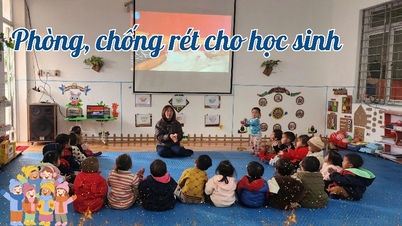
Typically, schools from junior high to high school levels throughout the district organize thematic activities and disseminate the content of Resolution No. 15-NQ/TU to parents and students, highlighting outdated customs and practices that still exist in daily life and need to be eliminated, especially child marriage, which directly affects students today. The District Women's Union, in coordination with Plan International in Lai Chau, communicates the implementation of Resolution No. 15-NQ/TU on preventing child marriage, consanguineous marriage, gender inequality, and school violence to students in schools in the five project communes: Hoang Then, Khong Lao, Ban Lang, Dao San, and Nam Xe.
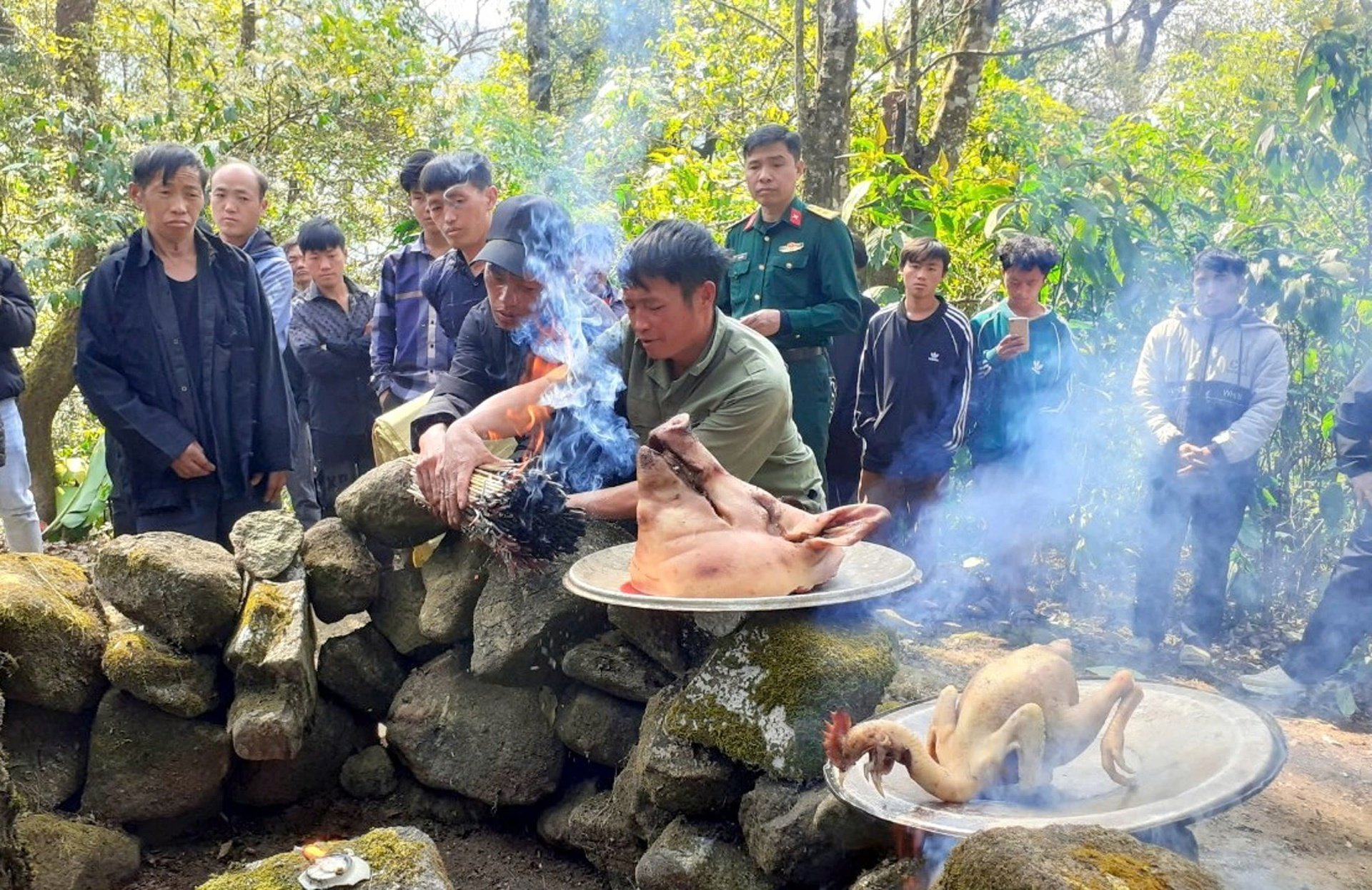
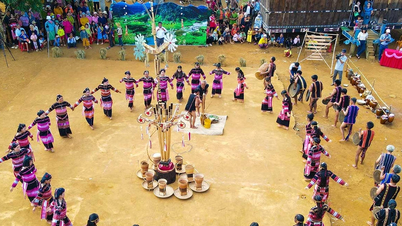
The forest worship ceremony is one of the cultural traditions of the Hmong people in Tung Qua Lin commune that is preserved and held annually.
The District Council for Coordinating the Dissemination and Education of Law organized a mock trial to promote the reduction of child marriage and consanguineous marriage. It also promoted the role of clan leaders, influential community members, village elders, and hamlet chiefs in disseminating information and campaigning to eliminate outdated customs and practices. A pilot program at the commune/hamlet level was selected to eliminate outdated customs in the wedding ceremonies of ethnic minorities in Ban Lang commune.
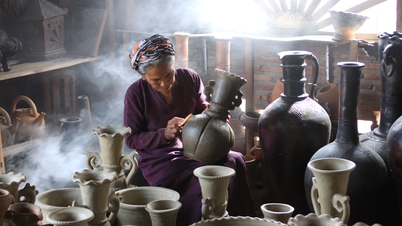
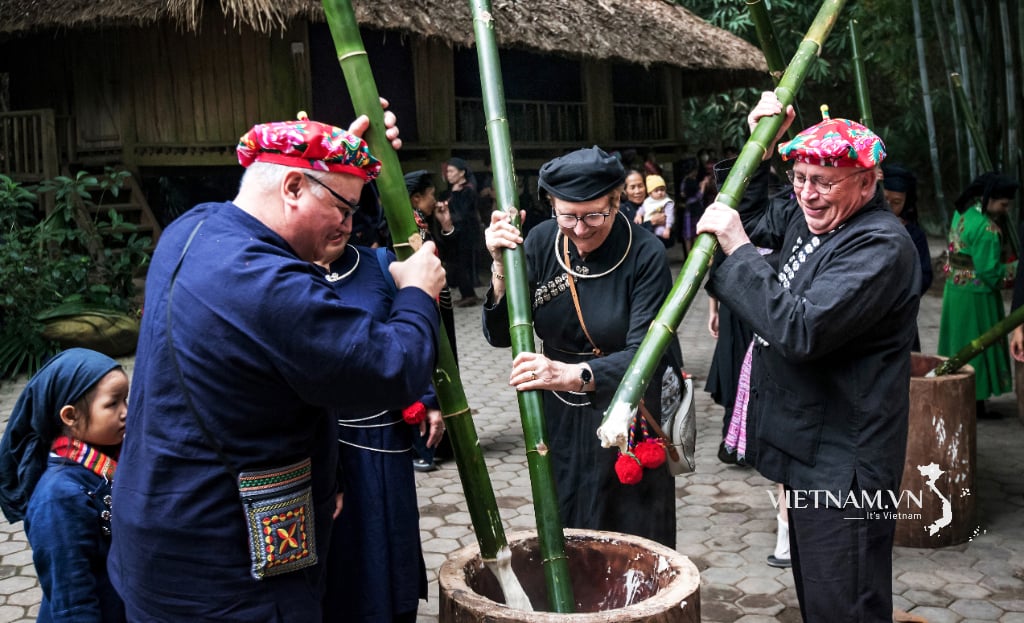
In addition, the district directed the effective implementation of three national target programs aimed at restoring traditional crafts, opening vocational training classes, and supporting people in developing their economy , gradually solving employment problems and increasing income. Emphasis was placed on preserving and promoting the fine and typical traditional values of some ethnic groups in the area through festivals, costumes, customs, and traditional markets. Coordination with armed forces was strengthened to manage, inspect, and monitor religious activities, promptly combating cults, strange religions, and illegal proselytization.
Peace has returned.
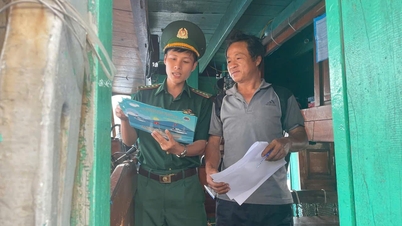
Thanks to the persuasion and explanation from commune officials and border guards, Mrs. Giang Thi De in Tung Qua Lin village (Tung Qua Lin commune) convinced her two sons to return to their peaceful way of life, with the traditional customs of the Mong ethnic group. In particular, all family members are healthy, in high spirits, and actively working to stabilize their lives. The commune Party committee and government also encouraged her sons to go to the lowlands to work in industrial zones to earn a stable income.
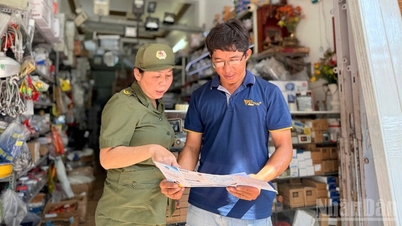
According to Major Vang A Chang, Head of the Administrative Staff Team (Dao San Border Guard Station), the unit manages the area of three communes: Dao San, Tung Qua Lin, and Mu Sang. Recently, he and his colleagues have regularly coordinated with local authorities to gather information, educate, and encourage people to abandon outdated customs, refrain from practicing illegal religions, and live and work in accordance with the Constitution and laws. At the end of each week, he often visits religious gathering points in the villages to gather information and encourage people to practice according to regulations.
Sharing more about the work of eliminating outdated customs, traditions, and cults in the area, Comrade Giàng A Lảnh - Deputy Secretary of the Party Committee and Chairman of the People's Council of Tung Qua Lìn commune, said: From 2024 to the present, six people in the area have voluntarily abandoned cults and returned to the traditional customs of their ethnic group. Some outdated customs such as child marriage, having many children, and insisting on having a son have decreased by about 50% compared to 2020-2021; the deceased are placed in coffins, and there are no costly funeral ceremonies when someone dies. However, some outdated customs still persist. The commune is resolutely implementing the elimination of these customs by selecting Hờ Mèo village to pilot a model of eliminating outdated customs where the deceased are not allowed to have their coffins opened at the burial site and are not allowed to have silver coins placed in the mouth of the deceased.
Thanks to the efforts of the entire political system, Phong Tho district now has no cases of consanguineous marriage. Many couples showing signs of child marriage have been successfully persuaded by the Party committee and the government through propaganda and mobilization; the number of child marriages has decreased year by year. The awareness and understanding of the people have improved, showing positive changes as they agree to and commit to implementing civilized lifestyles in weddings, funerals, and festivals; and register to participate in building cultural families and villages. Some villages have revised and supplemented their regulations and customs, initially implementing the content of Resolution No. 15-NQ/TU into life, such as reducing procedures, time, and money spent on weddings, funerals, the Tu Cai Ceremony, and village bans… All of this demonstrates that Resolution No. 15-NQ/TU is very accurate and aligns with the aspirations of the people.
The journey to eliminate outdated customs and traditions continues and is not easy. However, with many decisive and coordinated solutions, and with the attention of all levels of government and the people in the district, we are confident that we will successfully break through the "barriers" and bring a bright dawn to every village.
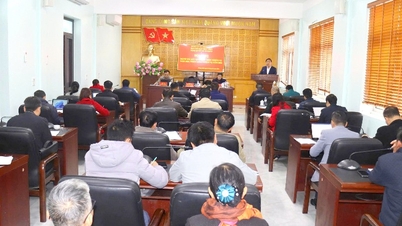
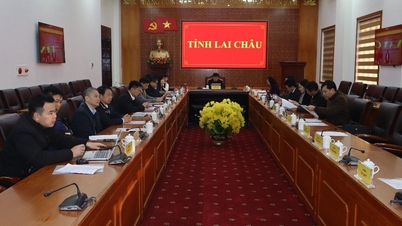
From 2024 to the present, Phong Tho district has held 286 conferences, both in-person and online, connecting the district to the grassroots level to disseminate information about Resolution No. 15-NQ/TU to nearly 19,700 people, including administrators, teachers, students, and parents. A successful mock trial was organized in Lan Nhi Thang commune to raise awareness about reducing child marriage and consanguineous marriage, attracting 585 participants. Throughout the district, 150 villages, hamlets, and residential areas have revised and supplemented their regulations and customs to implement Resolution No. 15-NQ/TU. In 2025, 16 communes registered to eliminate outdated customs and practices with 46 implementation contents in 100 villages and hamlets. Currently, the district has 157 out of 170 villages, hamlets, and residential areas, and 15,234 out of 17,826 households recognized as culturally exemplary families. From 2024 to the present, the entire district has recorded 21 cases of child marriage (a decrease of 33 cases compared to 2022). |
Source: https://baolaichau.vn/van-hoa/ky-2-anh-sang-tu-mot-nghi-quyet-715133














































Comment (0)