

The mark of the first university.
Located in the Van Mieu - Quoc Tu Giam ward, the Van Mieu - Quoc Tu Giam National Special Monument has long been a symbol of the scholarly spirit of "respecting teachers and valuing learning".
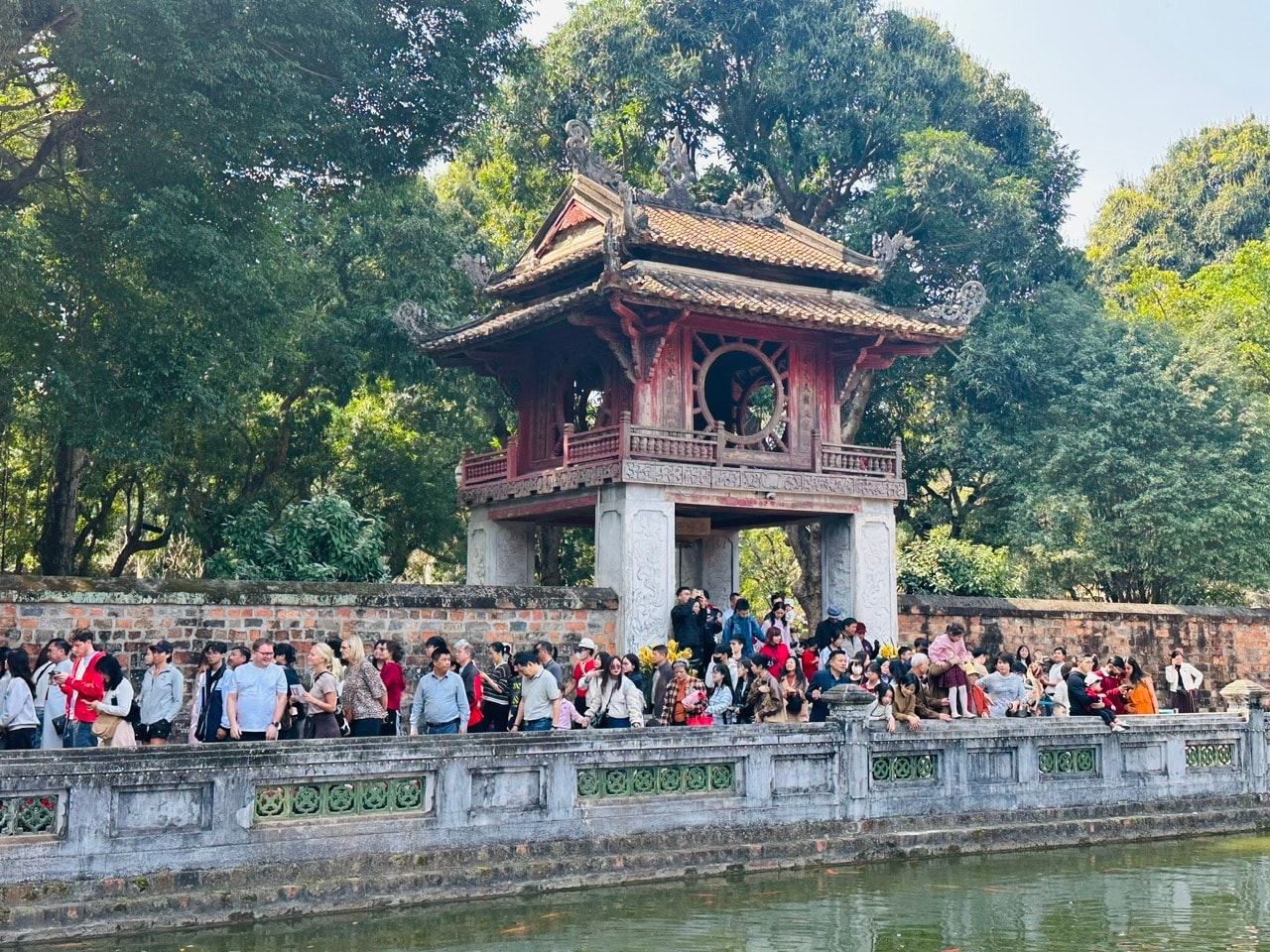
According to information from the Vietnam Cultural Heritage Association, the Temple of Literature was built in 1070, in the second year of the Than Vu era under King Ly Thanh Tong. In 1076, King Ly Nhan Tong established the Imperial Academy (Quoc Tu Giam) next to the Temple of Literature. The Imperial Academy is considered the first university in Vietnam.
In its early days, the school was exclusively for the children of the king and the children of nobles and high-ranking officials, hence it was called the National Academy (Quốc Tử). The first student there was Prince Lý Càn Đức, son of King Lý Thánh Tông and Empress Nguyên Phi Ỷ Lan. In 1156, the Temple of Literature was renovated by King Lý Anh Tông and dedicated solely to the worship of Confucius.
In 1253, King Tran Thai Tong transformed the National Academy into the National Institute of Learning, expanding its admissions scope to include children of commoners with outstanding academic abilities. Chu Van An was appointed as the Director of the National Academy under King Tran Minh Tong and directly taught the princes. After his death in 1370, King Tran Nghe Tong had him enshrined in the Temple of Literature next to the temple dedicated to Confucius.
During the Later Le Dynasty, Confucianism flourished. King Le Thanh Tong had stone steles erected, inscribed with the names of those who passed the doctoral examination from the 1442 examination onwards. Each stele was placed on the back of a stone turtle. During the reign of King Le Thanh Tong (1460 - 1497), the court regularly held examinations every three years, with a total of 12 examinations.
Historically, the Temple of Literature - National University has undergone several major renovations, notably in 1653 and 1717. The erection of steles continued until the end of the Le Dynasty, during the reign of Canh Hung.
In 1802, King Gia Long renamed it the Hanoi Temple of Literature. During the Nguyen Dynasty, it was merely the Temple of Literature of the Northern Citadel. In 1947, the French colonialists destroyed the Thai Hoc building, leaving only the foundation, two stone pillars, and four stone inkstones. The current Thai Hoc area covers 1,530 square meters, rebuilt on a total area of 6,150 square meters.
Promoting the value of heritage and the spirit of scholarship.
Throughout history, the Temple of Literature - National University has remained a symbol of Hanoi's and the nation's proud tradition of learning. Its current architecture bears the mark of the early Nguyen Dynasty, comprising three main areas: Van Lake, the Imperial Garden, and the inner sanctuary of the Temple of Literature.
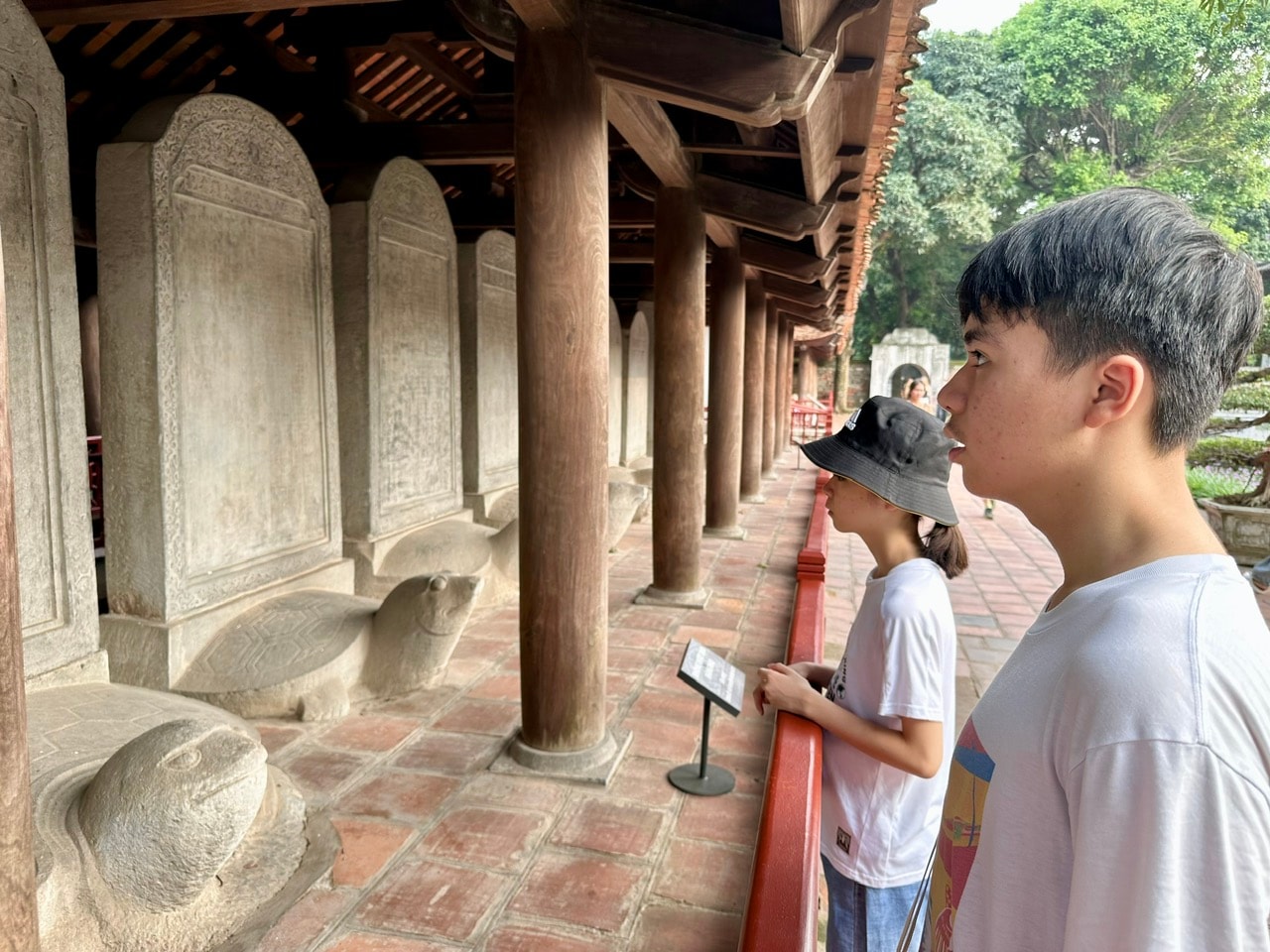
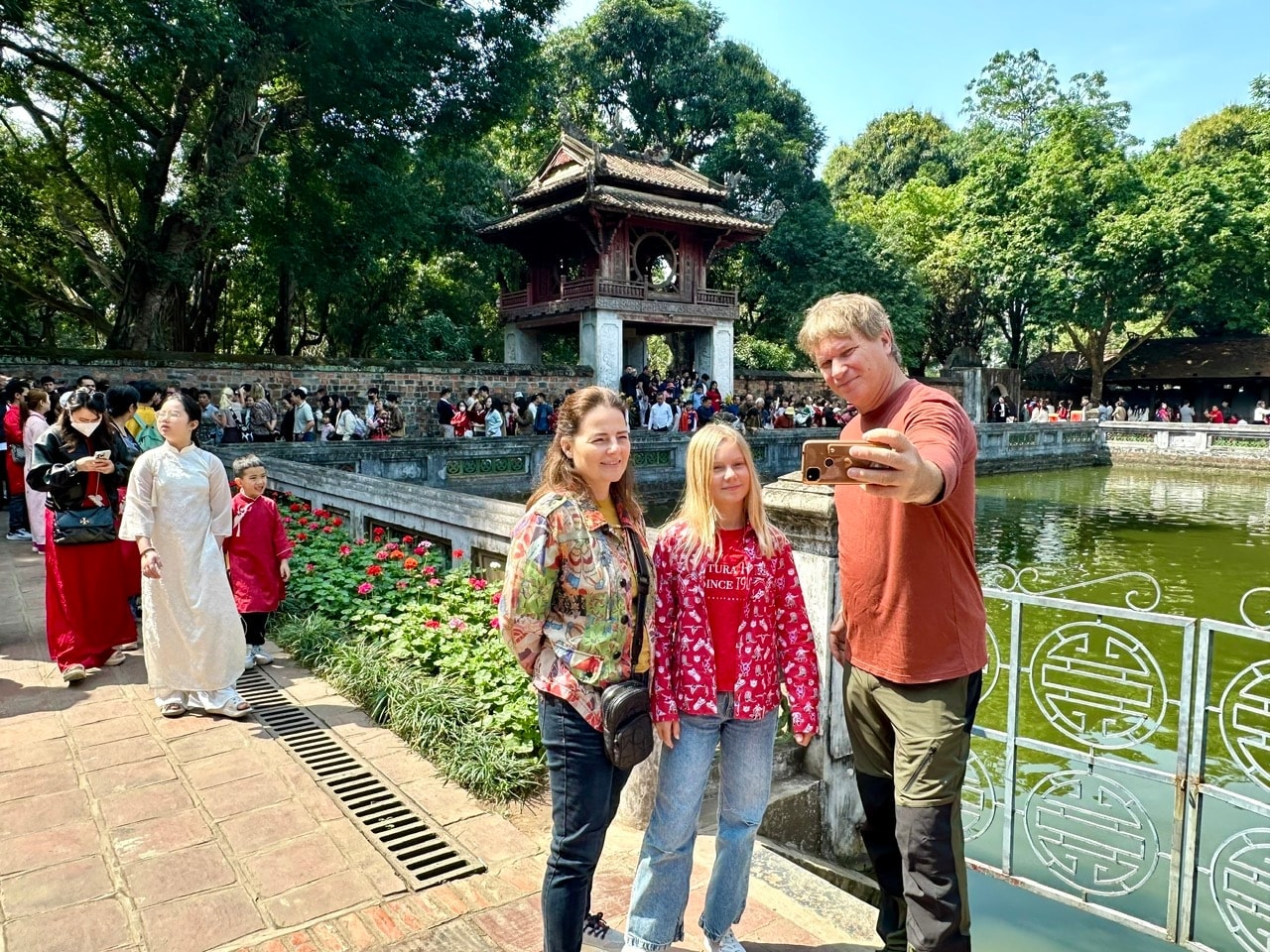
Visiting the Temple of Literature - National University, tourists can experience the quintessential cultural space of Hanoi, most notably the Khue Van Cac Pavilion - a symbol of the capital's long-standing culture and civilization, built by Governor-General Nguyen Van Thanh in 1805. In 1999, Khue Van Cac officially became a symbol of Hanoi. In addition, the Temple of Literature also preserves 82 doctoral steles, recognized by UNESCO as a World Documentary Heritage and designated as a National Treasure by the Government.
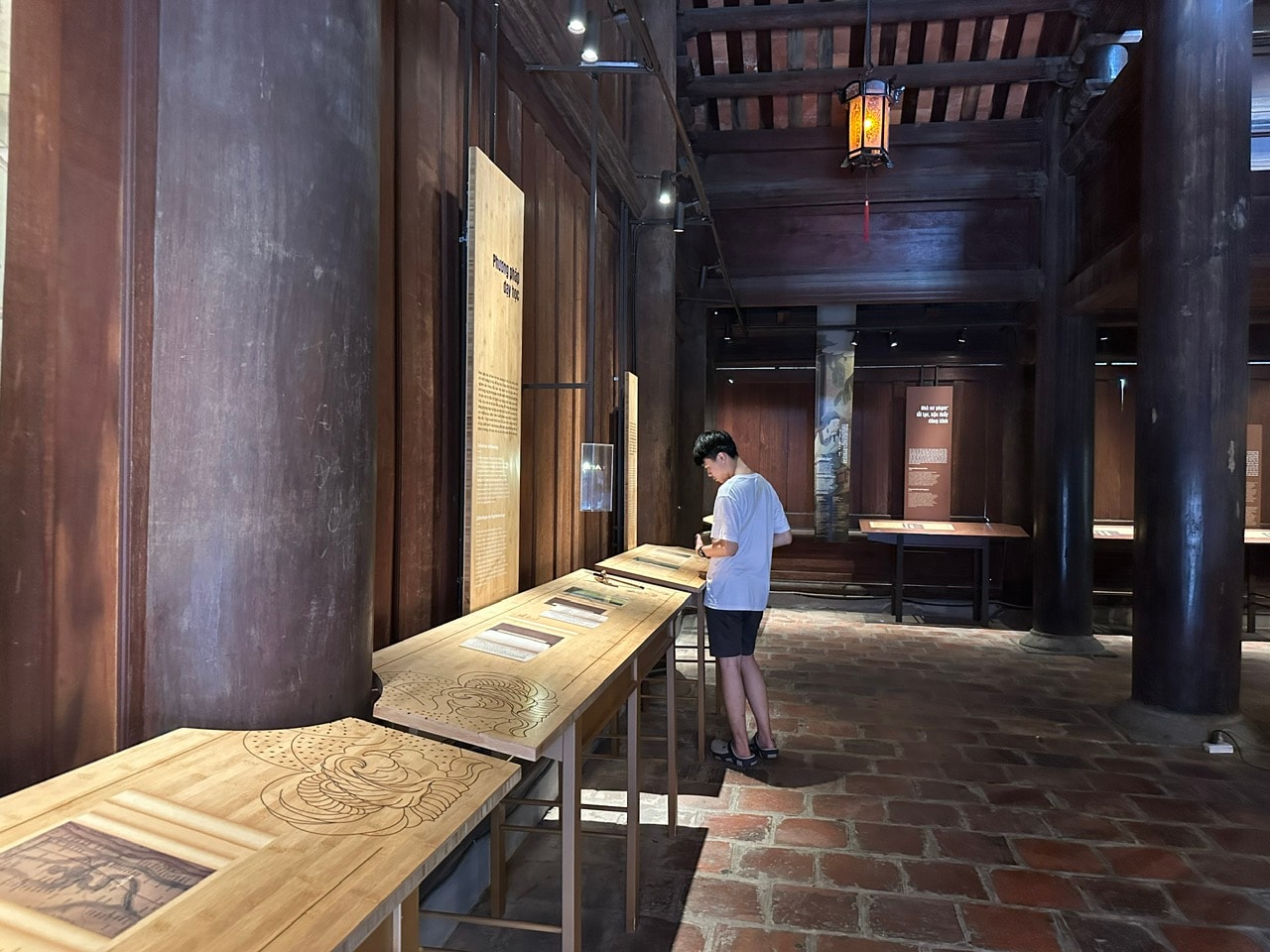
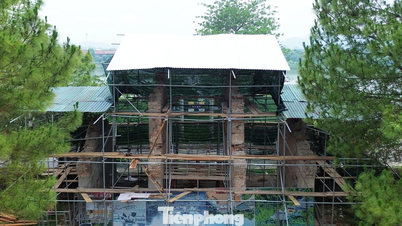
Behind the Temple of Literature is the Imperial Academy (Quốc Tử Giám). Previously, this area housed lecture halls and student residences. After the Imperial Academy moved to Hue , this area became Khai Thanh, a place of worship for Confucius' parents. From 1998 to 2000, the Thai Hoc building was restored on its original foundation with two interconnected buildings and tiled roofs. The lower floor displays artifacts and images related to the historical site; the upper floor is dedicated to the kings Ly Thai Tong, Ly Nhan Tong, and Le Thanh Tong.
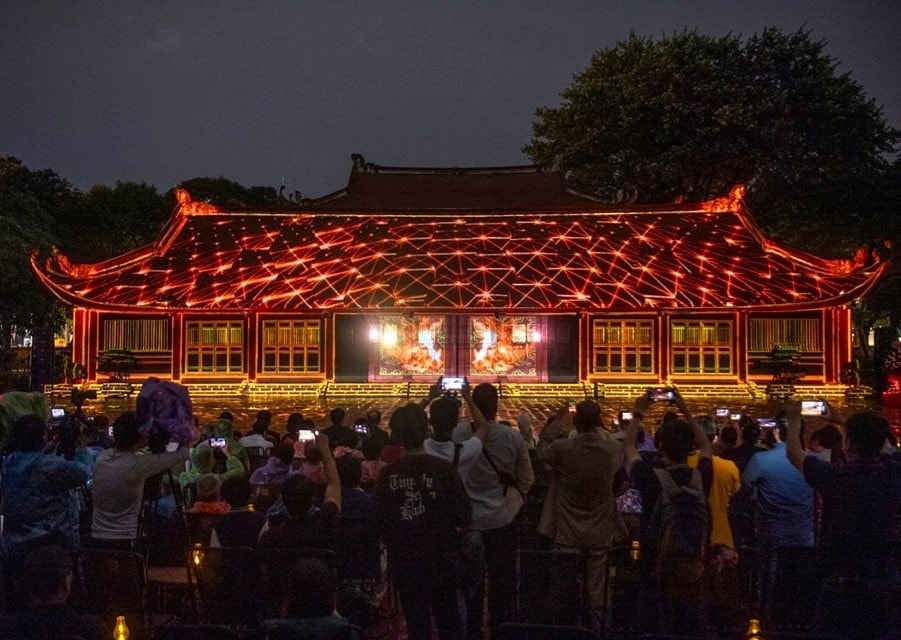
Currently, the Temple of Literature - National University has become an attractive destination in Hanoi, welcoming millions of visitors every year. According to Le Xuan Kieu, Director of the Cultural and Scientific Activities Center of the Temple of Literature - National University, along with the preservation and restoration of key structures, the historical site is gradually transforming itself to not only preserve the value of a thousand-year-old heritage but also become an attractive space for creative culture. This contributes to the development of the capital's cultural industry in accordance with the spirit of Resolution 80-NQ/TW of the Politburo on the development of Vietnamese culture and Resolution 02-NQ/TW on building and developing Hanoi in the new era.
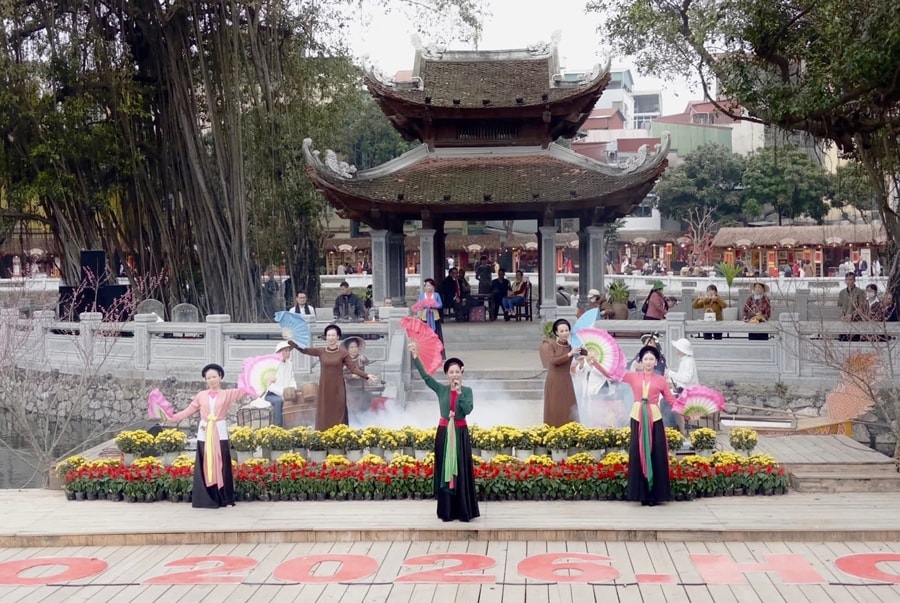
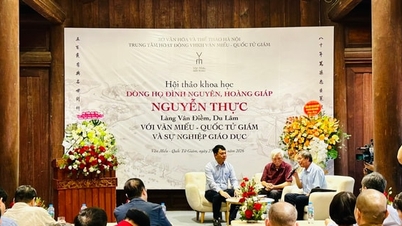
In addition to welcoming visitors to the historical site, the Temple of Literature - National University organizes hundreds of cultural events, seminars, and workshops each year, promoting creative activities in the cultural field. The Ho Van Lake and Giam Garden areas, after renovation, have become venues for many attractive and creative cultural events, attracting a large number of young creative communities, locals, and tourists to enjoy.
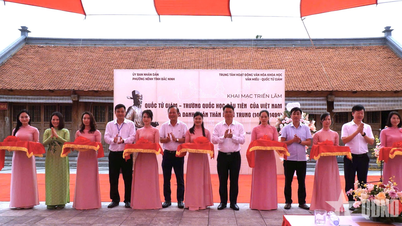
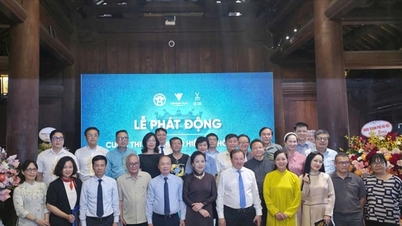
This year, to commemorate the 950th anniversary of the founding of the Imperial Academy – Vietnam's first national school (1076-2026), Hanoi will organize numerous activities to honor the ancestors, cultural figures, and talented individuals who contributed to the country's scholarship. A highlight will be the implementation of digital transformation at the historical site, applying artificial intelligence, augmented reality, and 3D digitization to enhance the public experience. In addition, many cultural and educational activities will be organized, such as thematic exhibitions, art programs, publications; and scientific seminars and discussions about prominent figures associated with the Imperial Academy, such as Chu Văn An, Ngô Sĩ Liên, Thân Nhân Trung, Lê Quý Đôn, and Nguyễn Nghiễm…
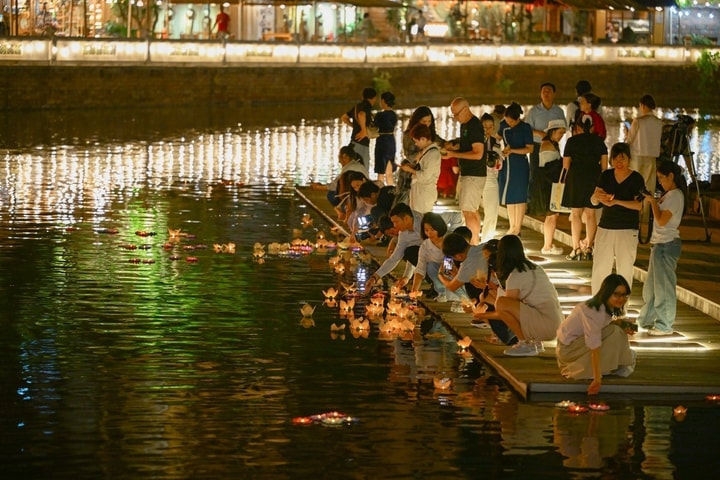
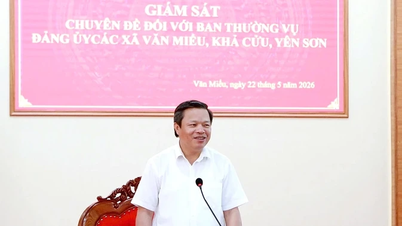
Currently, besides the Temple of Literature - National University, the Van Mieu - Quoc Tu Giam ward also has many historical and cultural relics associated with the nation's tradition of valuing education and respecting teachers. According to Vu Xuan Hung, Secretary of the Party Committee of Van Mieu - Quoc Tu Giam ward, in the coming time, the ward will focus on implementing educational and cultural activities, while effectively promoting the value of historical and cultural relics associated with local history and the tradition of valuing education and respecting teachers.
Source: https://hanoimoi.vn/ky-niem-950-nam-thanh-lap-quoc-tu-giam-tu-truong-dai-hoc-dau-tien-den-khong-gian-van-hoa-sang-tao-945686.html

![[Image] Close-up view of the interchange connecting the two expressways and Long Thanh Airport.](https://vphoto.vietnam.vn/thumb/1200x675/vietnam/resource/IMAGE/2026/05/25/1779703378210_ndo_br_z7863716673926-224453a31600126cce10622af6290afd-4549-jpg.webp)



![[Image] Hanoi's urban life under the challenge of a "scorching hot" environment](https://vphoto.vietnam.vn/thumb/1200x675/vietnam/resource/IMAGE/2026/05/25/1779706979265_nang-nong-t5-2026-minh-duy-7-4636-jpg.webp)











































































Comment (0)